
Wellbeing
The latest from Wellbeing on Lifestyle Desires.
The week before your period became content
The luteal phase boom is giving women language for real symptoms, then handing the same vocabulary to creators, brands and wellness politics.
What proactive wellness won’t say about ovarian cancer ads
Ovarian cancer blood-test ads sell vigilance as self-care, but the evidence still points to false positives, anxiety and no screening win.
What coffee’s latest longevity promise is actually selling
Coffee longevity promise or clever wellness gloss? A new NR4A1 study points to plant compounds, but the human evidence is still early.
What a pregnancy at 47 changes in the room
Pregnancy at 47 can feel less like starting again than living through two transitions at once: motherhood, perimenopause and a new sense of time.
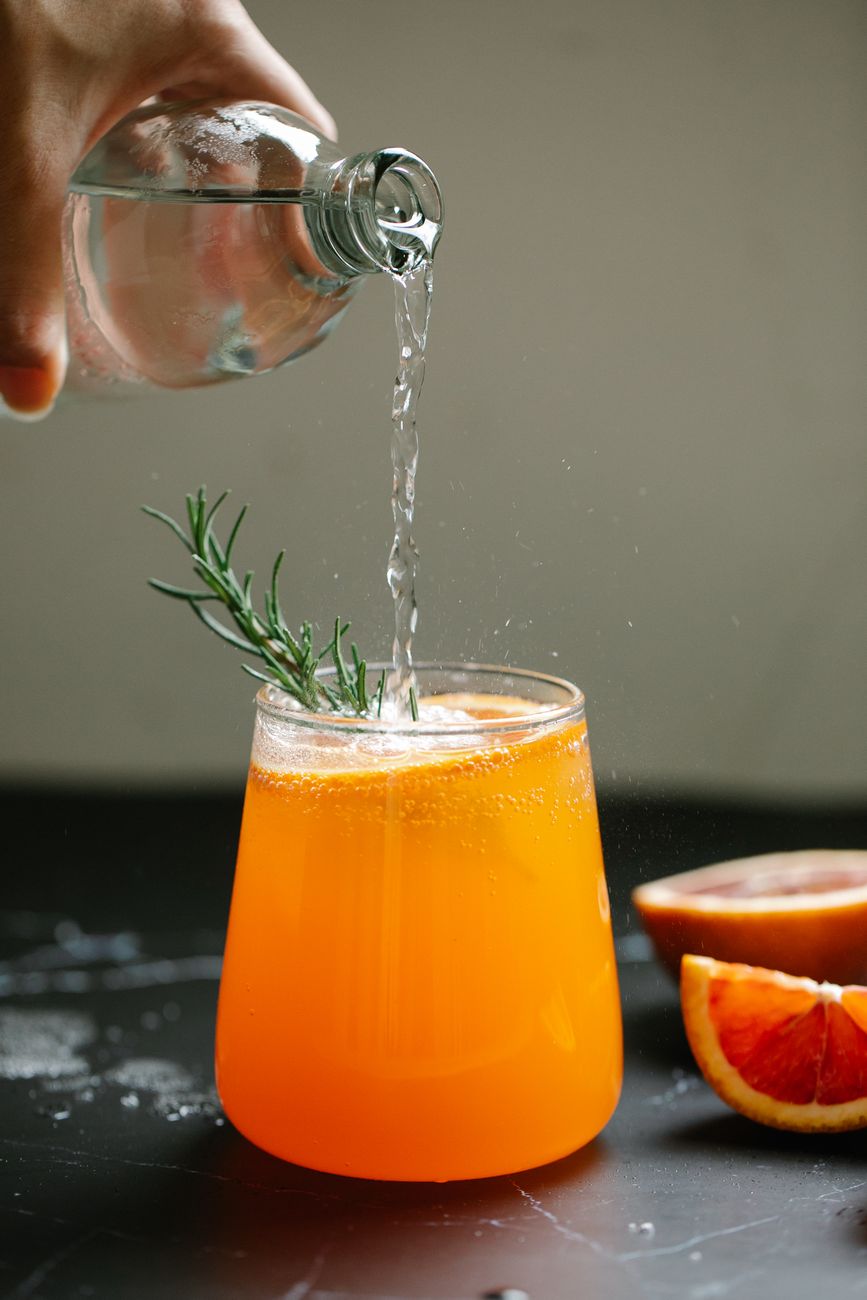
The cortisol cocktail is a very pretty stress symptom
Cortisol cocktail anxiety says more about burnout than biology. The viral drink may hydrate you, but it cannot do the work of rest.
More
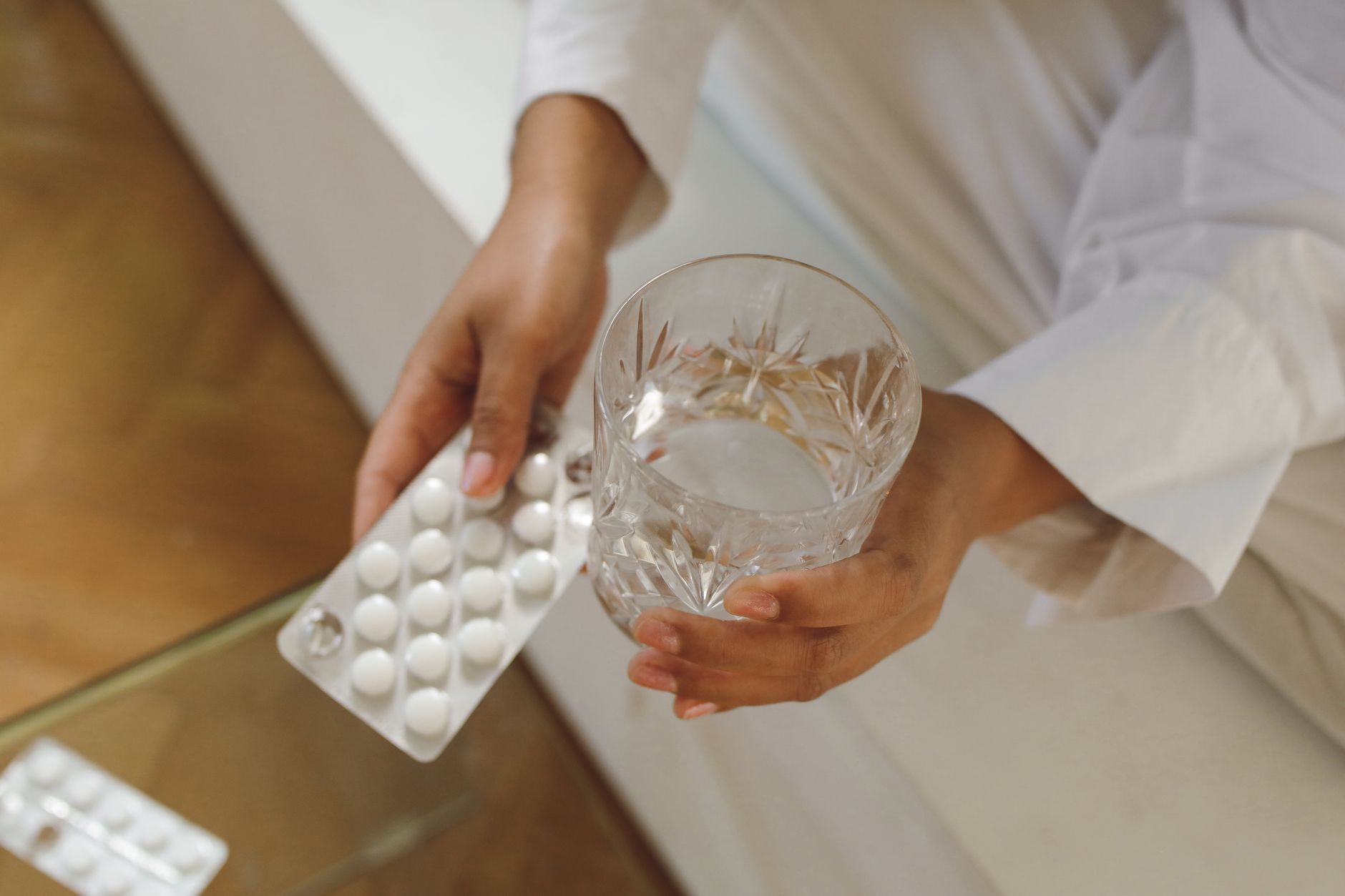
What Wegovy’s pill era is asking weight-loss culture to admit
Wegovy pill access turns semaglutide into a morning routine, exposing how weight-loss culture now prefers medicine that looks ordinary.
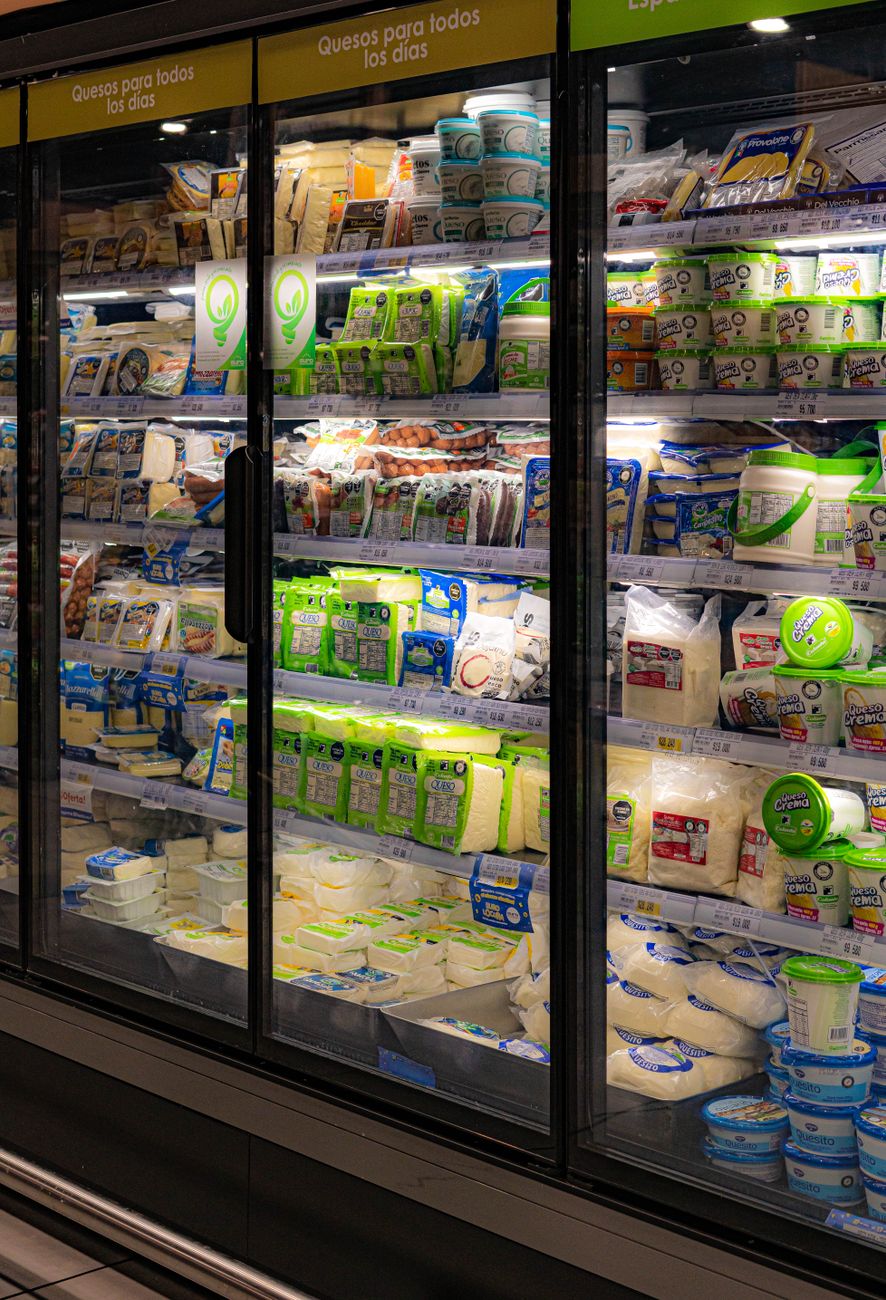
What proteinmaxxing is asking wellness to admit
Proteinmaxxing has turned whey into a wellness doctrine, exposing the muscle-loss fear, GLP-1 logic and marketing hustle underneath.

What Australia’s new menopause clinics might change
Australia’s menopause clinic rollout starts July 1, but the real shift may be a clearer path to diagnosis, support and being taken seriously.
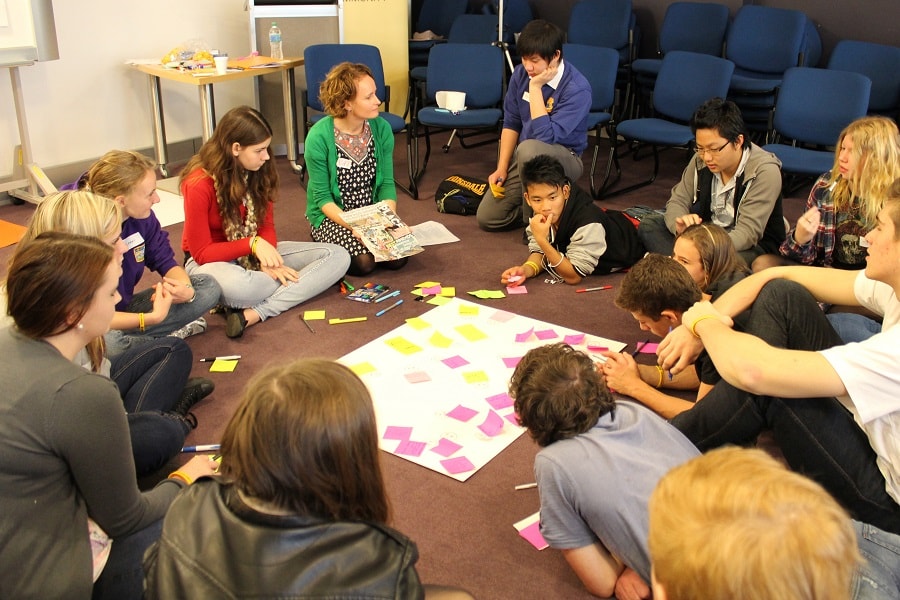
What teaching boys about endometriosis changes in a classroom
Teaching boys about endometriosis in school turns a hushed girls' issue into shared knowledge, and that matters long after the bell.
Why Kids Helpline’s crisis spike feels like a warning
Kids Helpline’s crisis spike suggests more young Australians are waiting until after dark, and too close to breaking point, to ask for help.
Nervous system regulation: Why balance replaced optimisation in 2026 wellness
Nervous system regulation has become the wellness buzzword for 2026, promising balance over optimisation—from burnout to menopause. But does it deliver what women really need?
The supplement I trusted is now linked to Alzheimer's — and I don't know what to tell my patients
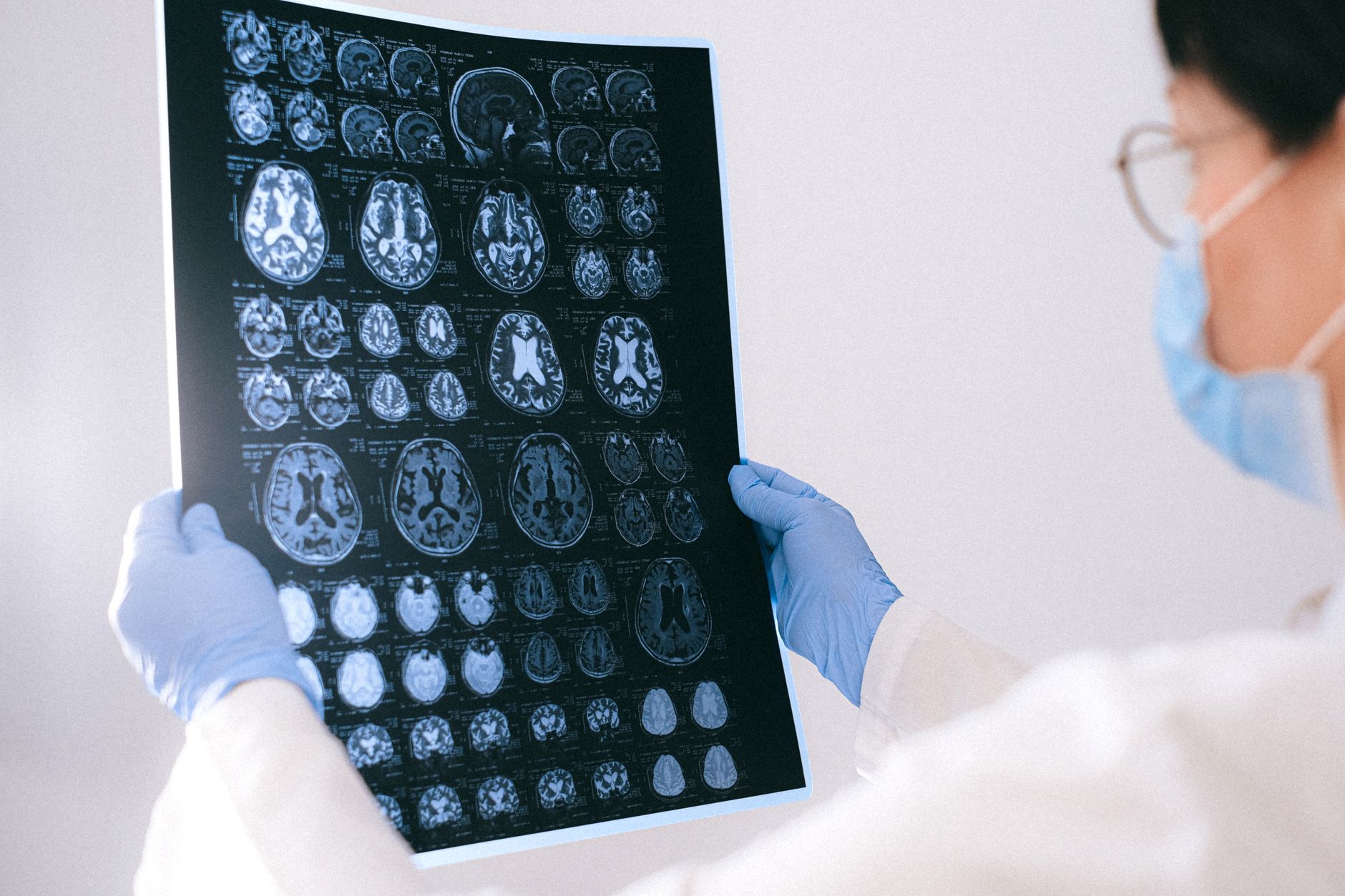
A University of Florida study published in Nature Metabolism found the popular joint supplement glucosamine was associated with 25% higher risk of progression from mild cognitive impairment to Alzheimer's. GP-turned-writer Dr Mira Joshi on what this means for the millions of Australians who take it daily — and what she'll tell her next patient.

Why the health-tracker backlash suddenly feels like relief
Wearable adoption has stalled, the wellness industry named over-optimisation its number-two trend, and Steven Bartlett's three-glasses-of-wine meltdown became the spark. The rebellion against constant self-measurement isn't a fad — it's relief.
Perimenopause signs: how to tell if it has started
Perimenopause signs usually show up as cycle changes plus new symptoms, not one perfect blood test. Start with dates, patterns and a GP visit.
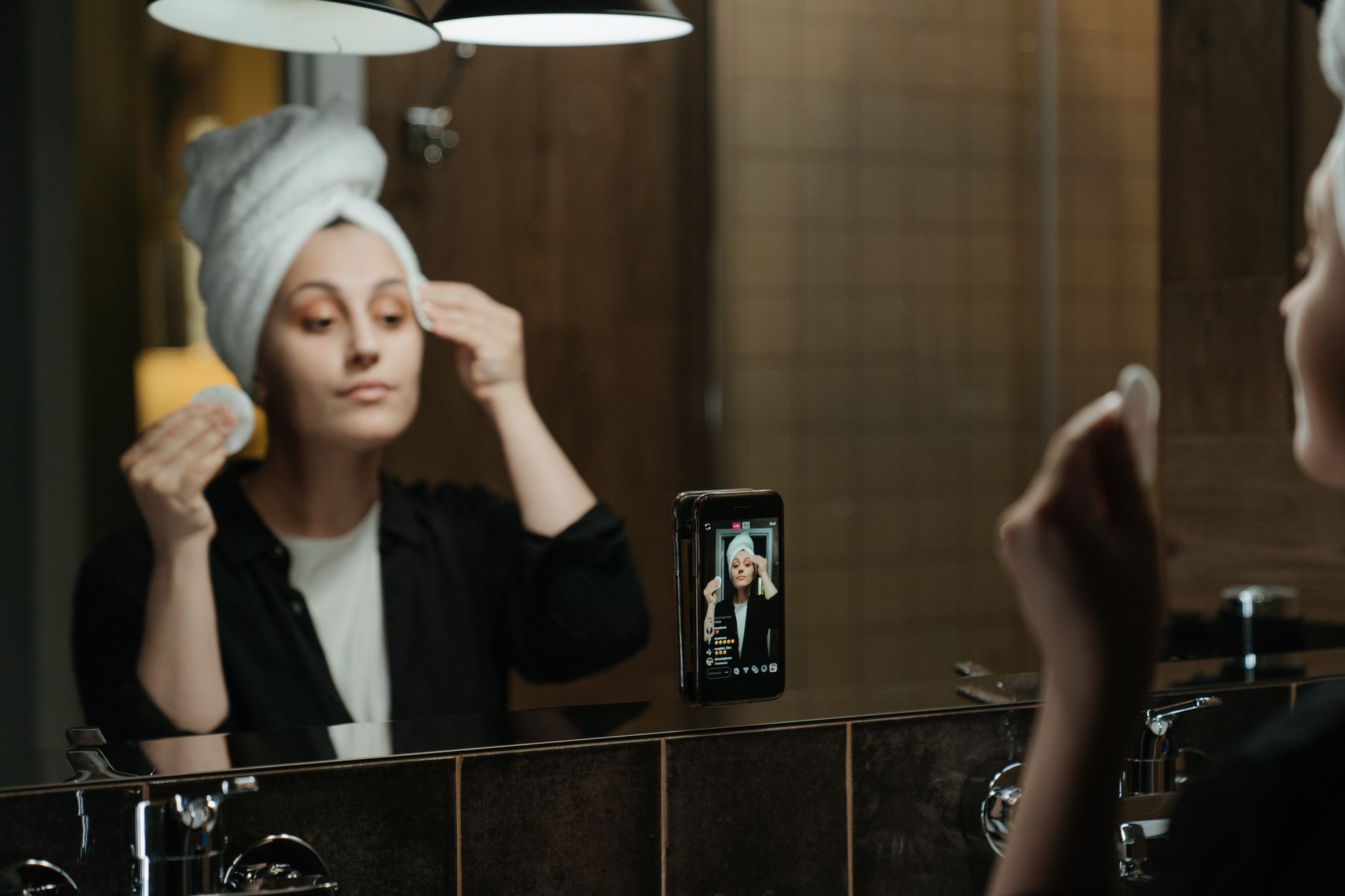
Children’s skincare boom: girls learn correction too early
Children’s skincare boom is teaching girls to read normal skin as a problem, as dermatologists warn adult routines are arriving too soon.
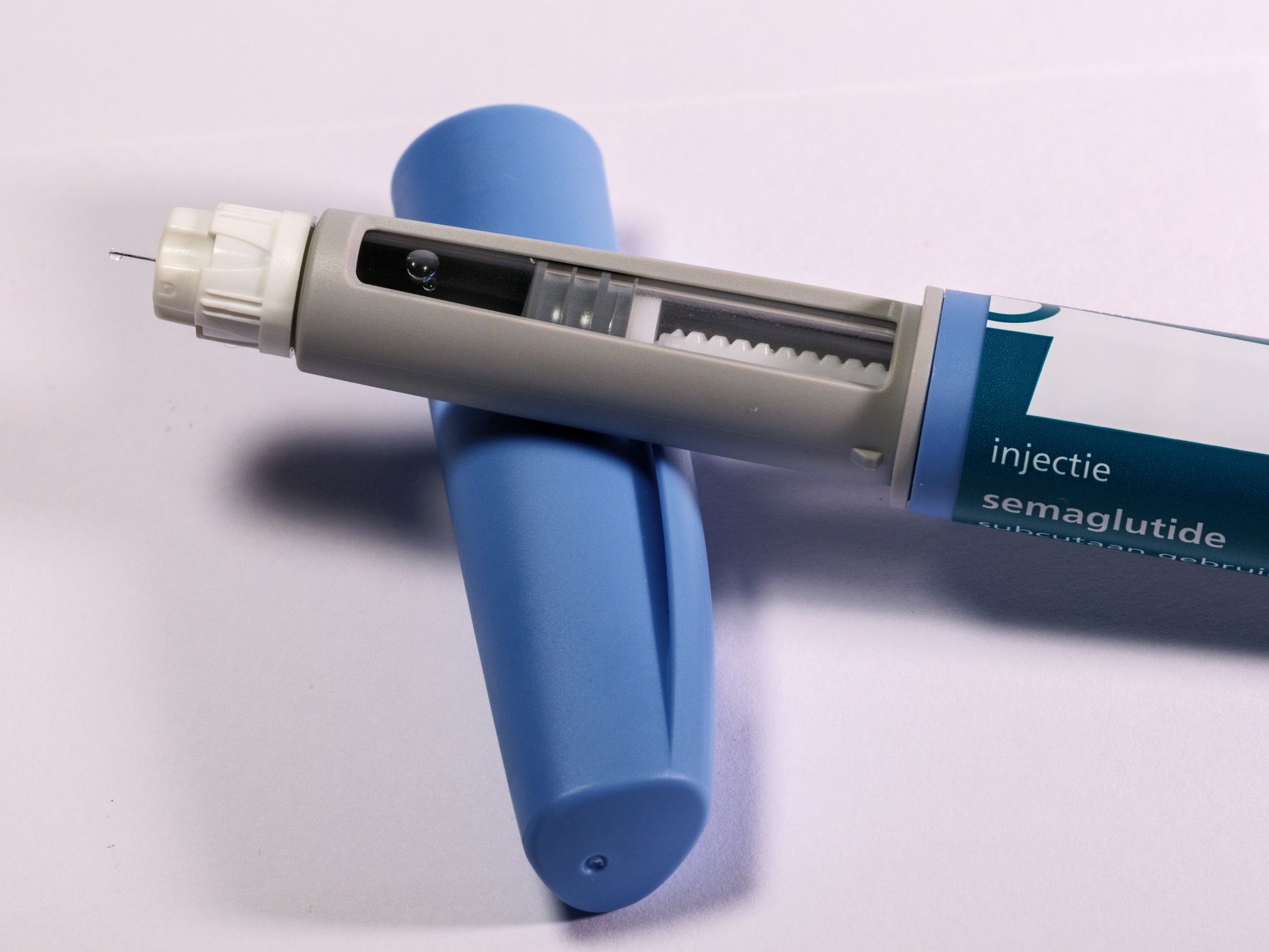
Retatrutide beyond Ozempic: what the trial really says
Retatrutide beyond Ozempic looks less like miracle-jab hype and more like a serious metabolic shift, with caveats about comparison and tolerability.
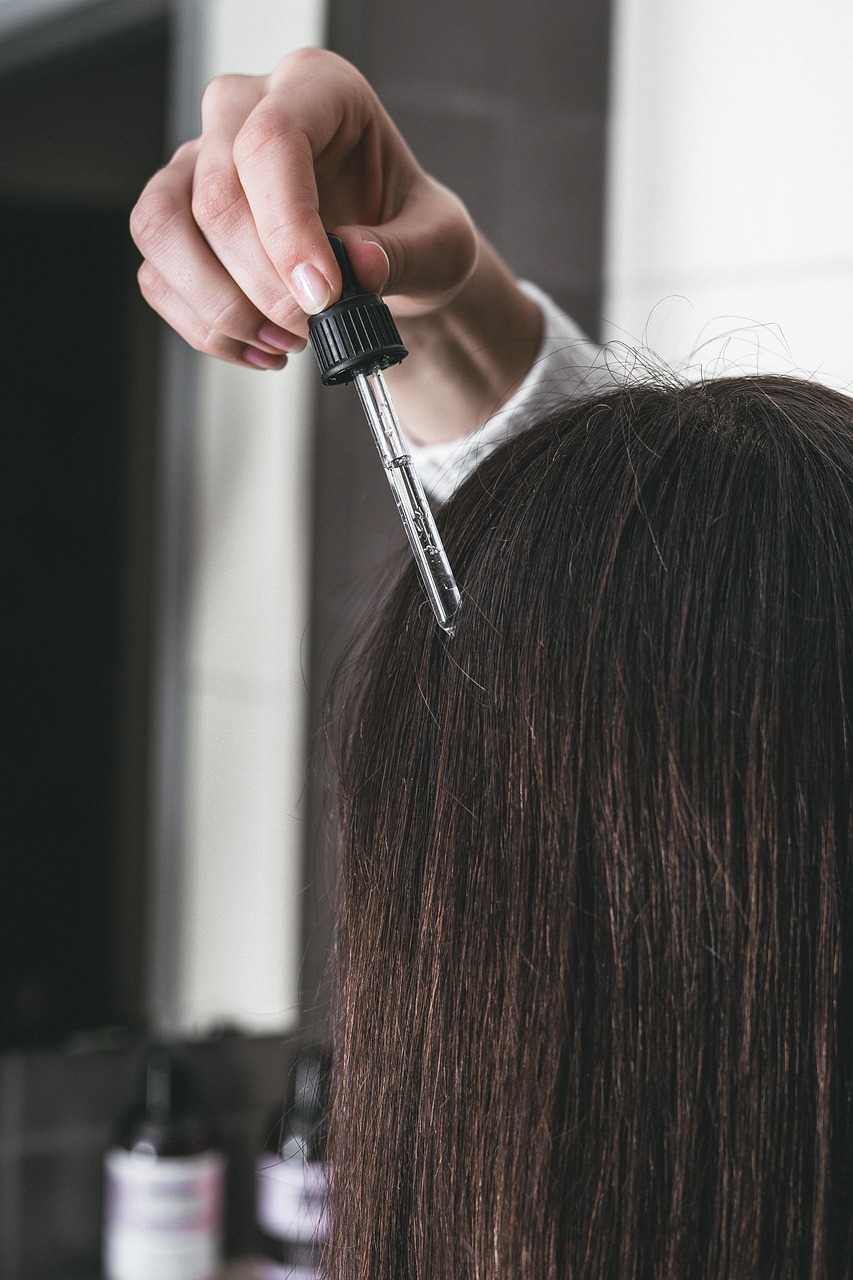
The oldest hair-loss promise in the bathroom cabinet
Hair loss remedy Polygonum multiflorum has a new review, old folklore and a liver-safety problem that beauty shoppers should not ignore.

Why women are still asked to doubt their own pain
Medical misogyny in Australia is measurable: young women say they are dismissed, delayed and taught to mistrust pain in clinic rooms.
The cancer too many women still cannot name
Uterine cancer is rising in Australia, yet awareness is thin. The gap is about symptoms, language and how women are heard.
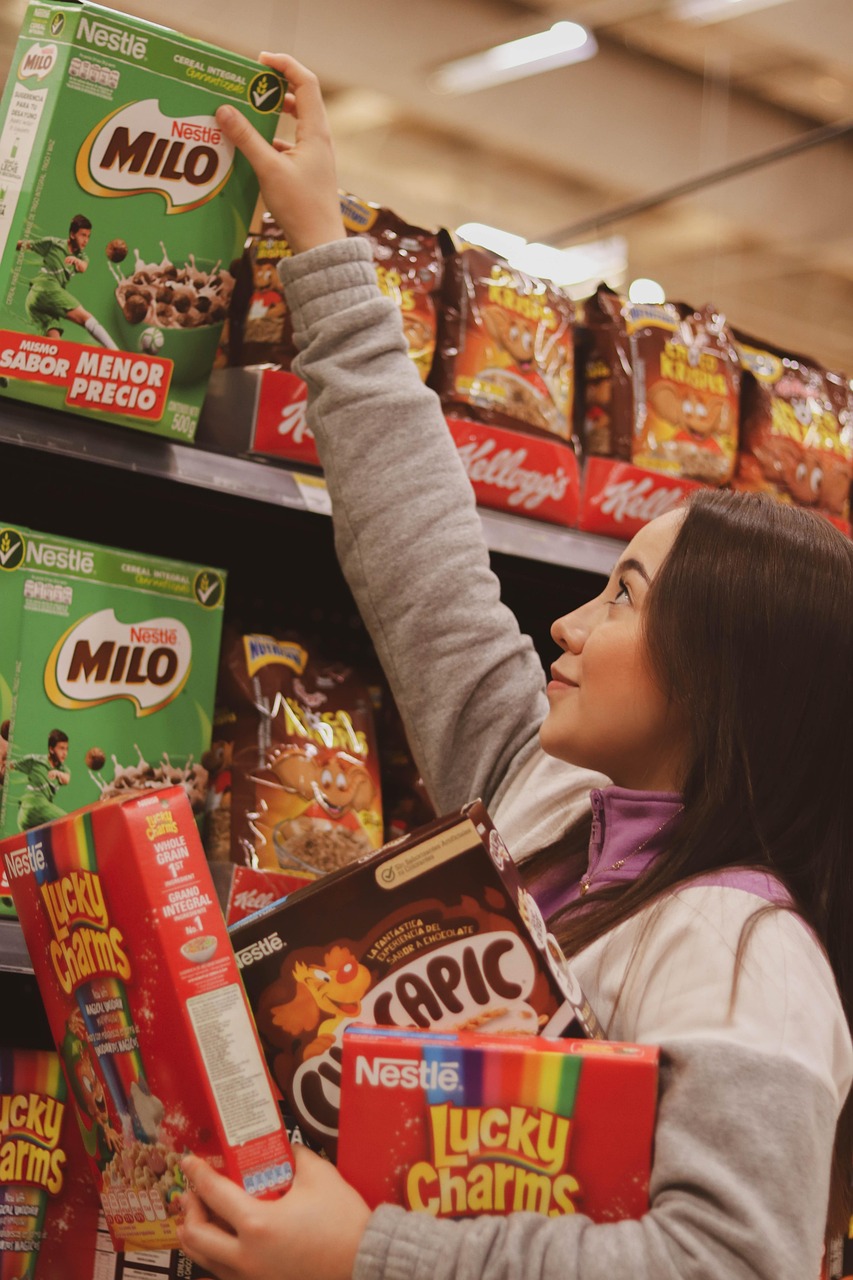
What junk food learned from Big Tobacco
Ultra-processed foods are facing a tobacco-style reckoning, with new research linking snack design, child marketing and policy pressure.
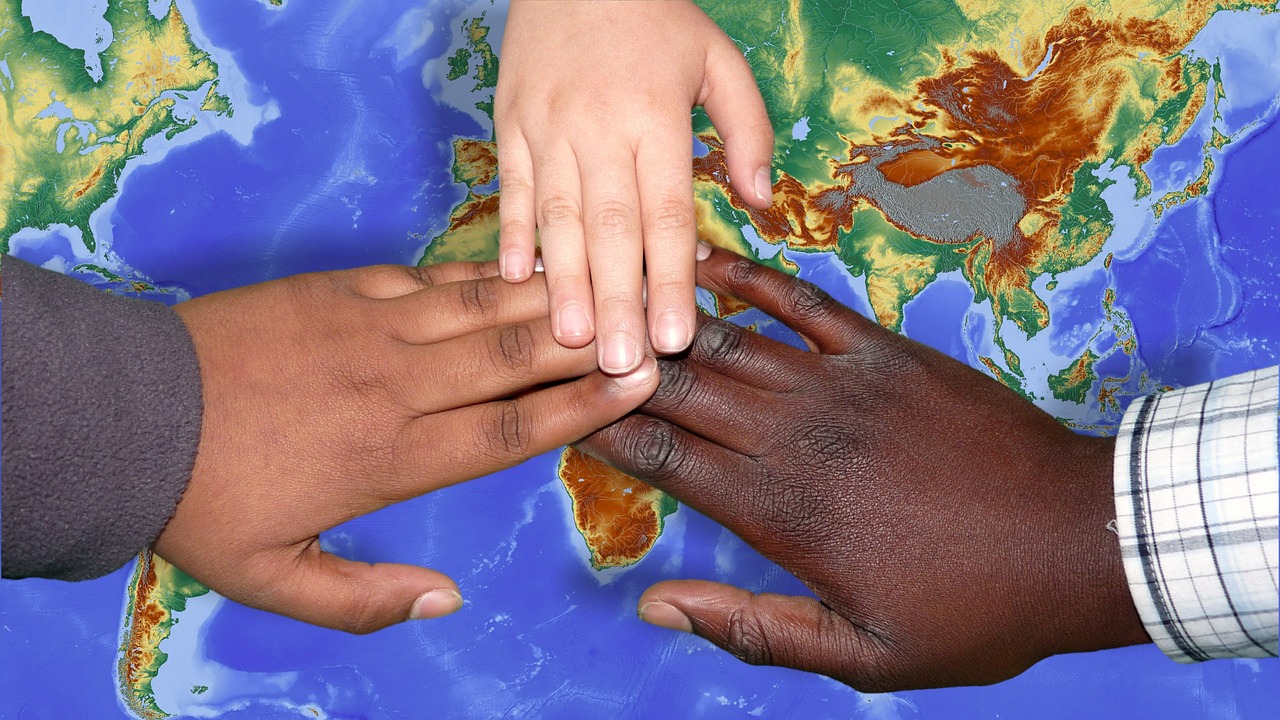
What Western trauma talk misses when recovery looks different
Trauma recovery can look less like confession and more like family, faith and steadiness. Australia’s care system needs to notice.
What GLP-1s are asking women to believe about cancer
GLP-1 cancer risk is the new wellness promise, but the 30% breast-cancer signal is observational, not a prevention plan.
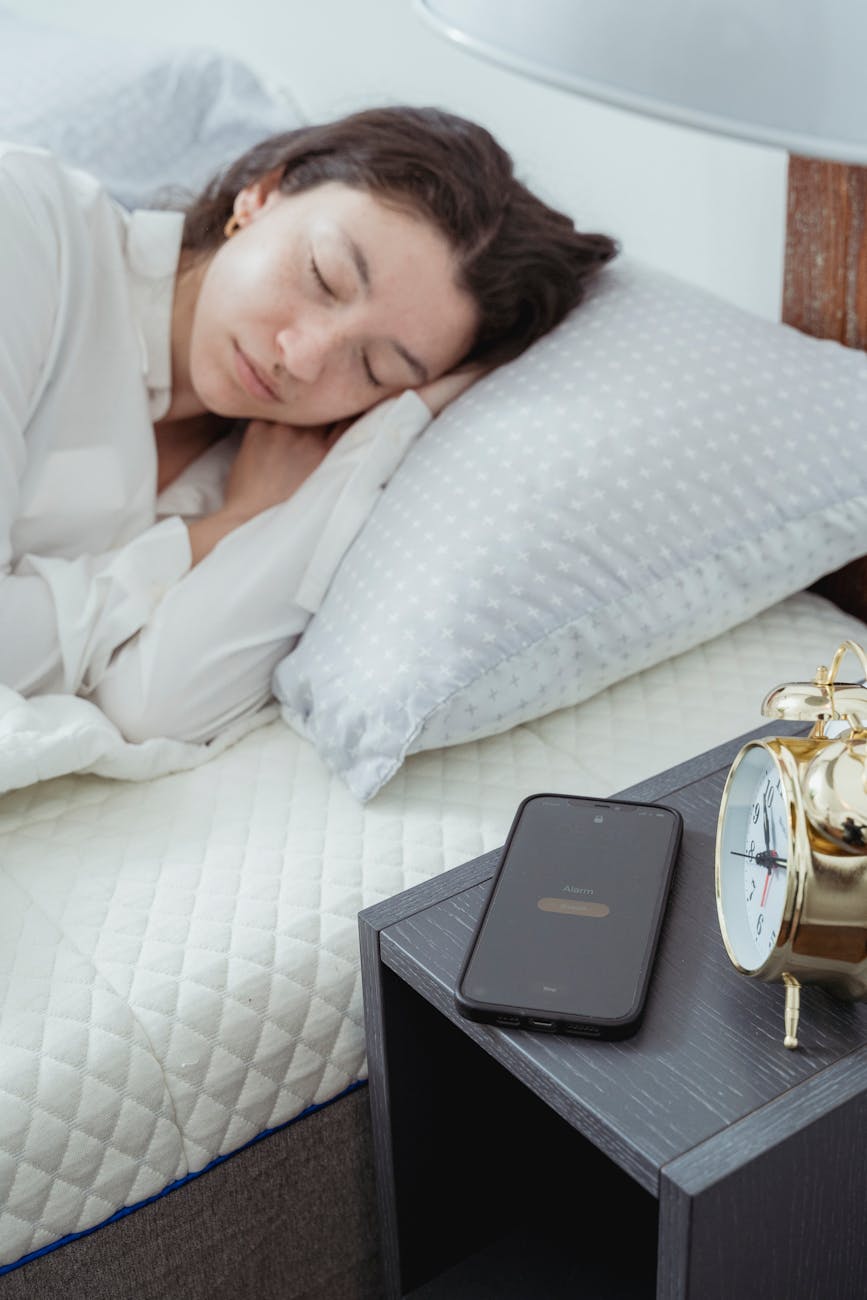
The sleep score is judging us before breakfast
Sleep score anxiety is turning rest into a tiny performance review, just as new research suggests perfect sleep was never a single number.
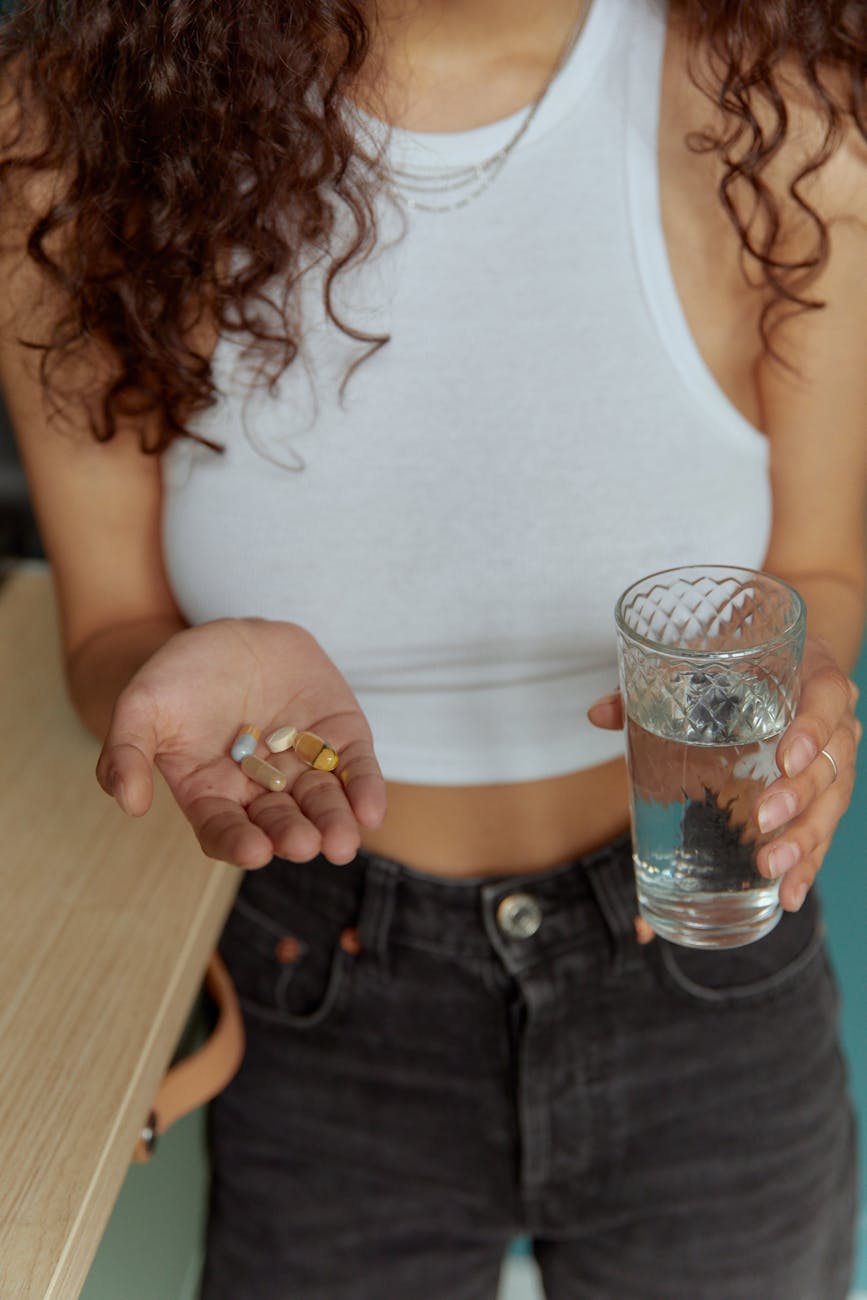
The care gap wellness influencers know how to sell
Wellness influencers sell certainty when healthcare feels rushed, turning cortisol, collagen and sleep anxiety into daily rituals.
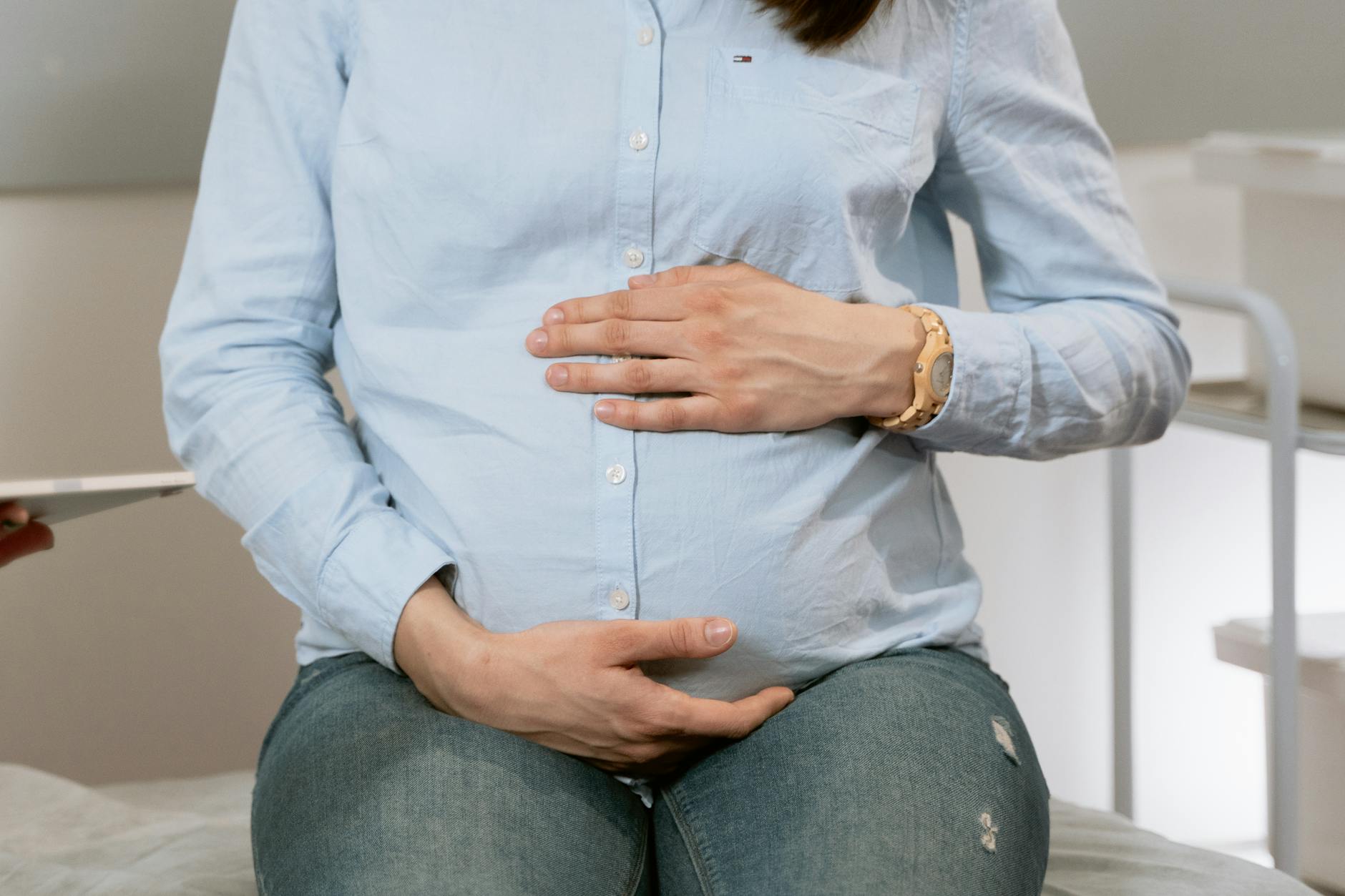
Gestational diabetes risk has a language problem
Gestational diabetes risk is rising unevenly among Chinese and Asian women, but the evidence still cannot explain the disparity cleanly.
The Lifestyle Desires brief
Style, food, travel and wellbeing — weekly in your inbox.
Subscribe