Gestational diabetes risk has a language problem
Gestational diabetes risk is rising unevenly among Chinese and Asian women, but the evidence still cannot explain the disparity cleanly.
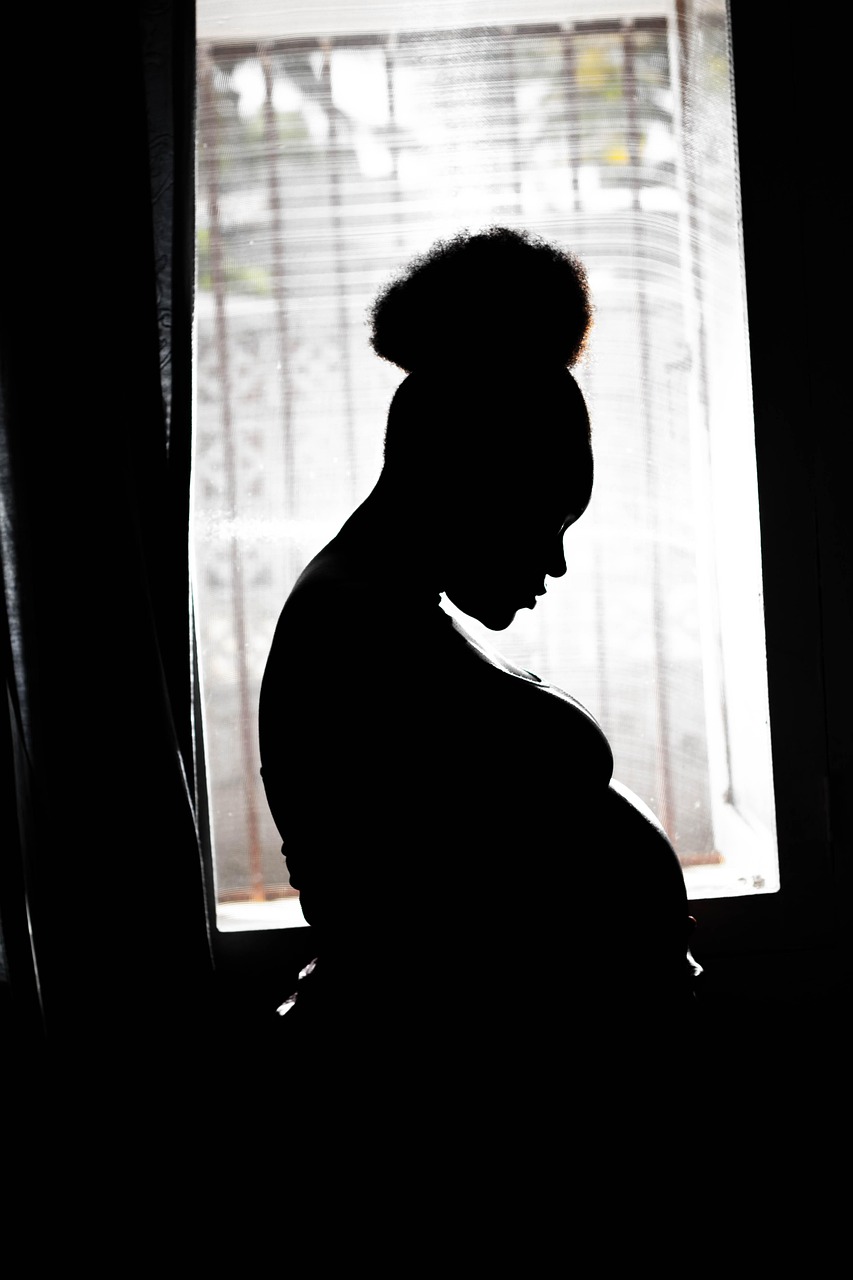
At a booking visit, risk can sound like weather. A front moving in. A number sitting higher than the doctor would like. A line on a pathology form that turns an otherwise ordinary pregnancy into a schedule of extra checks, extra finger pricks, extra careful eating, extra worry.
I have sat in those rooms as the clinician, not the patient, and I know the uneasy sentence that comes next. We can explain what the test found. We can explain what happens if blood sugar stays high. But sometimes the answer to the larger question, why me?, is thinner than it should be.
That is what makes the latest reporting on gestational diabetes feel so uncomfortable. The Atlantic reports that gestational diabetes has been rising unusually fast among people of Chinese descent in the United States, and that the rise appears to outpace the broader increase in diabetes. The signal is visible. The mechanism is not.
For Australian readers, the American setting does not make the problem foreign. Our clinics also rely on risk categories that can be both useful and crude. Family history. Age. Previous pregnancy. Ethnicity. Each one can help a doctor decide who needs earlier screening. Each one can also become a blunt little label if nobody explains what it does, and does not, mean.
“one group is an outlier”
— George King, Joslin Diabetes Center, via The Atlantic
The easy version of this story would be to turn it into advice: eat this, walk after that, swap white rice for brown, come back for your glucose tolerance test. Some of that may be clinically useful. It is also too neat. What is harder, and more honest, is admitting that medicine can see a risk pattern before it can explain it properly.
The number that refuses to behave
Gestational diabetes is often described as a temporary pregnancy condition, which is technically true and emotionally misleading. The placenta changes how the body handles insulin. For many women, blood sugar settles after birth. Still, the diagnosis can act like a flare sent up from the future, especially when the pattern clusters in a group we have not studied with enough care.
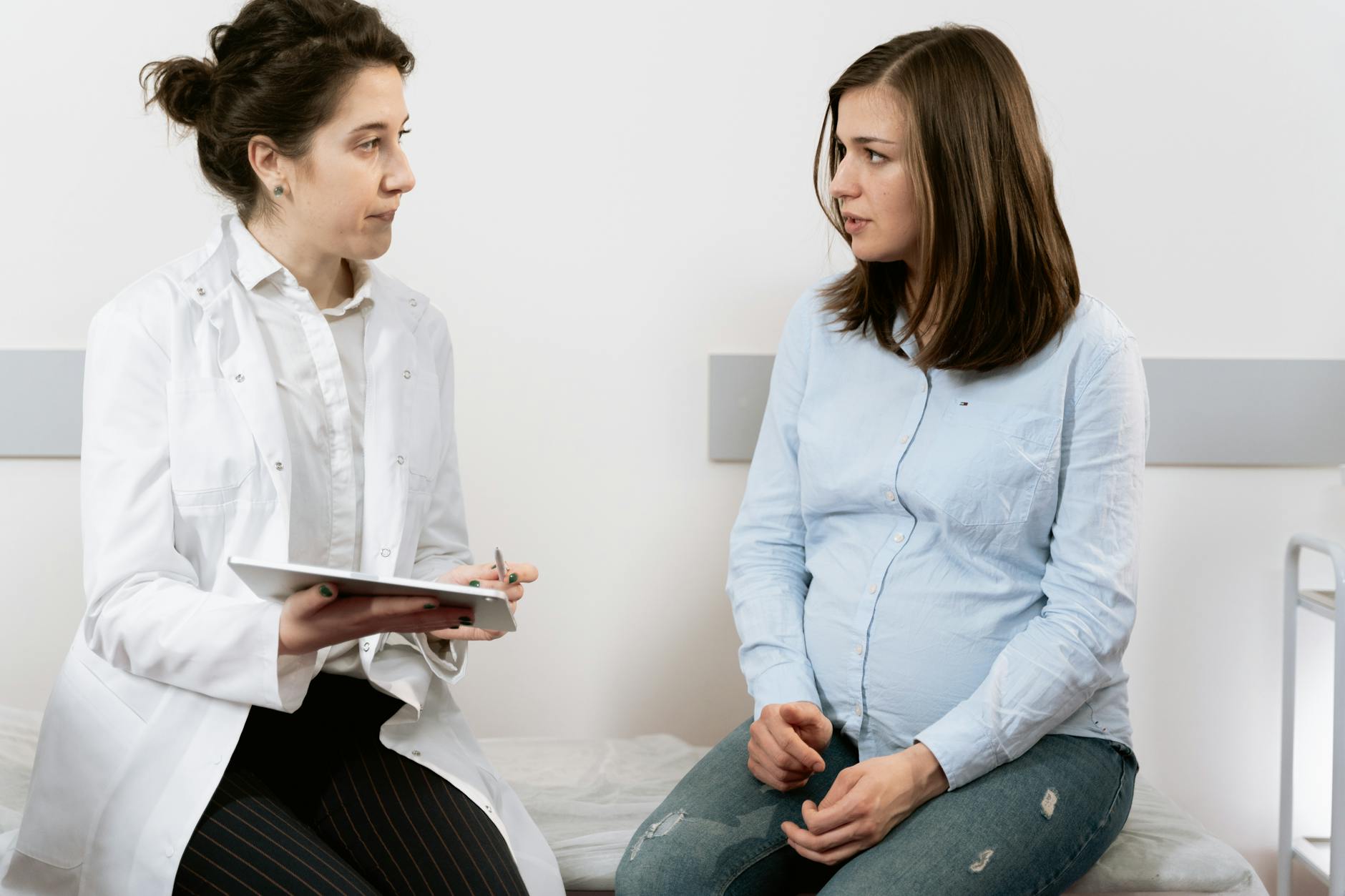
A 2026 U.S. cohort study of more than 3.7 million normal-BMI births found Asian women had the highest prevalence of gestational diabetes, at 12.5%, and nearly threefold higher odds than White women. That detail matters because the usual public-health story leans so heavily on body size. Here, even in a normal-BMI cohort, the difference remained.
Pause on the category for a moment. “Asian women” is not a diagnosis. It is a census box pretending to be biology. Chinese, Filipino, Indian, Korean, Vietnamese and Japanese women do not arrive in a maternity clinic with identical genes, diets, migration histories, languages or stressors. When the data box is too large, the explanation inside it becomes foggy.
That is one reason the Atlantic piece lands. It is not just about diabetes in pregnancy. It is about the cost of grouping people so broadly that the highest-risk subgroup becomes harder to see.
A pressure test, not a moral test
Tam Nguyen, a chronic-disease researcher at Boston College, gave the line I wish more people heard before the diet lecture begins. In Katherine J. Wu’s reporting, Nguyen put it this way:
“Pregnancy is a pressure test for your body”
— Tam Nguyen, Boston College, via The Atlantic
That framing is useful because it moves the diagnosis away from blame. Pregnancy asks the pancreas, blood vessels, hormones and metabolism to do a job under load. If the system strains, it does not mean a woman has failed pregnancy. The test has revealed something.
But revealed what, exactly? A Chinese cohort study of 6,972 pregnant women found that prepregnancy weight gain from age 18 to pregnancy was linearly associated with higher gestational-diabetes risk, with 7.2% developing the condition. That is a real finding, and it supports the idea that weight trajectory before pregnancy can matter.
It does not close the case. Weight gain, diet, genetics, age, sleep, stress, migration, access to culturally fluent care and the timing of screening can all sit in the same room. The problem is that medicine is better at measuring some of those things than others. A kilogram can be recorded. A grandmother’s cooking, a night-shift roster, a GP visit conducted through a family member, the low-level stress of being treated as “high risk” without a good explanation: those are harder to code.
Anyone who has done the glucose tolerance test will know the small indignity of it. The fasting. The syrupy drink. The waiting-room chair that somehow becomes less comfortable every ten minutes. It is a simple test on paper and a strangely vivid one in the body. That gap between paper simplicity and lived messiness is also the gap in this research story.
This is where I find the generic advice most frustrating. It is not that lifestyle counselling is useless. Walking after meals can help. Food swaps can help. Earlier screening may help. The issue is the tone. Too often, a complex disparity gets translated into a private instruction: be more disciplined. As if discipline were the missing variable.
What the data misses
Atif Adam, a research fellow at Joslin Diabetes Center, described the pattern as “the largest undocumented disparity in maternal health”. The phrase is doing a lot of work. Largest, because the gap appears substantial. Undocumented, because the system has not been built to look closely enough.
“the largest undocumented disparity in maternal health”
— Atif Adam, Joslin Diabetes Center, via The Atlantic
Public-health data systems like clean categories. Patients do not live cleanly inside them. If Chinese American women are being folded into a broad Asian category, or if Asian subgroups are too small in a dataset to analyse separately, the result is a strange double vision: visible enough to worry about, not visible enough to act on with confidence.

The downstream stakes are larger than the pregnancy itself. A 2026 Frontiers in Endocrinology meta-analysis covering 4,191,840 women linked prior gestational diabetes with higher all-cause mortality later on, with a hazard ratio of 1.29, and with higher risks of acute heart failure, myocardial infarction and ischaemic stroke.
Nobody should read that sentence as a personal prophecy. Hazard ratios are population signals. They do not know the woman sitting in front of me, her blood pressure, her sleep, her food budget, her family, her fear. Even so, the finding should change how seriously postnatal follow-up is treated, because maternity systems often hand a woman back to normal life with a six-week check and a vague instruction to follow up someday.
The answer cannot just be “try harder”
There is a better version of care here, although it is less catchy than most wellness advice. It starts with disaggregated data, so Chinese women are not hidden inside a category that is too blunt to be useful. It includes earlier screening for groups where the risk is already visible. It funds studies that ask specific questions about diet, body composition, stress, migration and intergenerational health without pretending any single factor will explain everything.
Inside the clinic, better data would change the conversation. Not, “you people are high risk”. Not, “just eat better”. More like: we are seeing a pattern in women with some shared ancestry and life circumstances; we do not fully understand it yet; here is what we can check now; here is what we will keep watching after birth.
That wording may sound soft. It is not. It is precision with humility, and pregnancy care could use more of both.
I keep thinking about the woman at the desk after the test result comes back, trying to work out whether she has done something wrong. If the science is not settled, the least medicine can do is stop filling the silence with blame. The risk is real. The explanation is unfinished. Those two truths should be allowed to sit together, without making the patient carry the uncertainty alone.

Brisbane-based GP turned health writer. Covers women's health, fertility and the gap between clinic and culture.
The Lifestyle Desires brief
Style, food, travel and wellbeing — weekly in your inbox.
Subscribe