What junk food learned from Big Tobacco
Ultra-processed foods are facing a tobacco-style reckoning, with new research linking snack design, child marketing and policy pressure.
The packet is usually the least dramatic thing in the trolley.
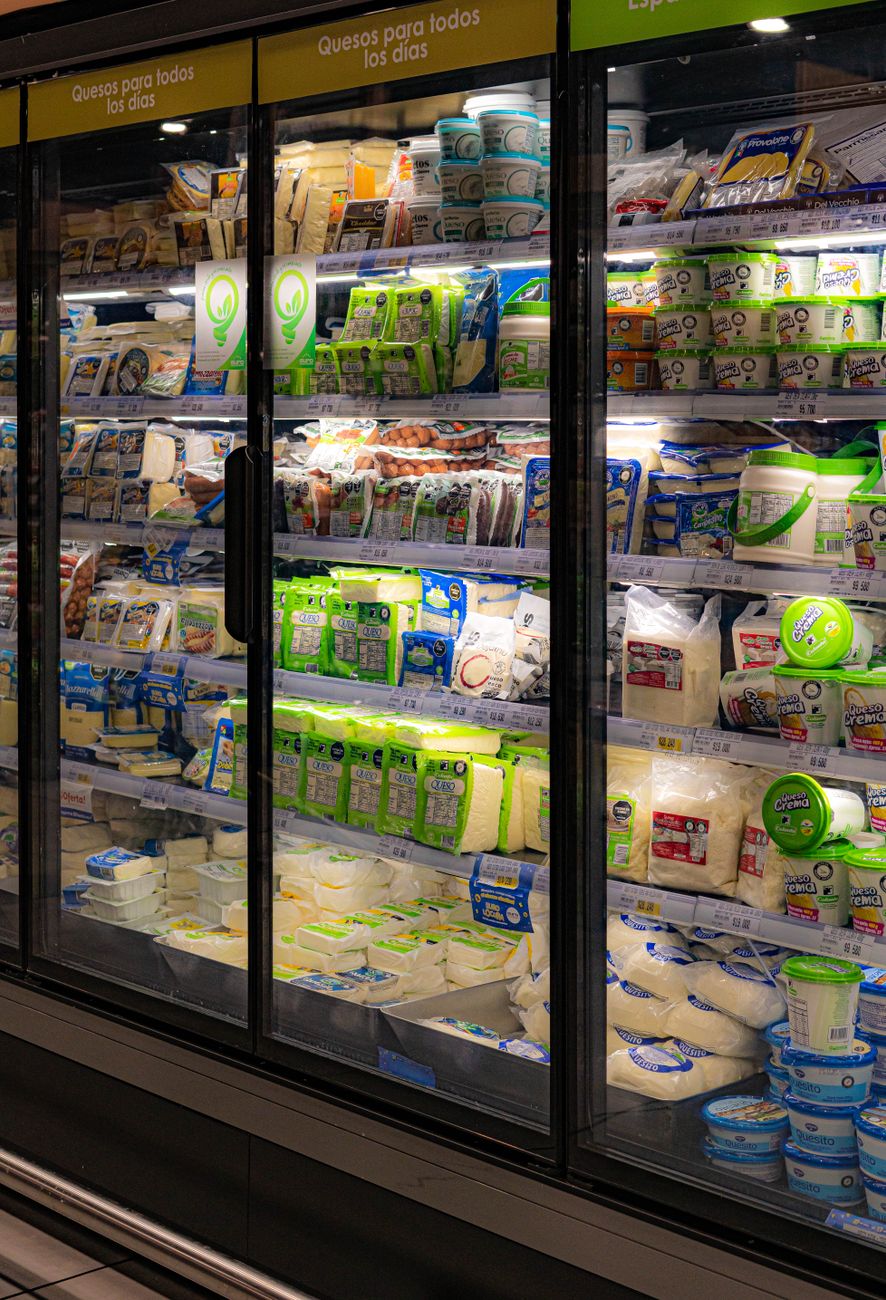
First, there is a crinkly bag of something salty for the drive home. Then a plastic tray of crackers and cheese cubes, bought because the school morning went sideways. By 6pm, a bright carton has slipped into the basket because everyone is hungry and nobody in the house can bear the thought of chopping another onion. Most of us do not experience these foods as ideology. We experience them as rescue.
This is why the new public-health argument around ultra-processed foods feels uncomfortable in a very ordinary way. The American Journal of Public Health has framed its latest special issue as Big Food’s tobacco moment, and the comparison is not subtle. Rather than treating the supermarket aisle as a field of personal choices, the issue asks us to see an engineered environment, built by companies that know how appetite, convenience and childhood habits can be trained.
Cue the groan. Here we go again, another sermon about snacks. But that is the wrong read. At its strongest, this argument is not that you are weak for buying the packet. It is that the packet may have been designed by people who studied weakness with extraordinary care.
The packet was never innocent
Lunchables are the example that bothers me most, because they sit exactly where the tobacco analogy becomes hardest to wave away: children, branding and the promise that convenience is also a kind of freedom. The Guardian’s reporting on the AJPH issue traces how tobacco companies that moved into food applied familiar skills to ultra-processed products, including the consumer psychology that made cigarettes feel like identity rather than chemistry.
“Lunchables were designed to fulfil children’s ‘underlying drive for independence, autonomy and play’,”
Laura Schmidt, quoted by The Guardian
Almost too neat, that line. Independence. Autonomy. Play. A lunchbox product is sold not only as food but as a tiny little life stage, a way for a child to feel in charge for ten minutes. Parents were not fools for buying one. The marketing was just better than we usually admit.
Cigarettes were not merely sold. They were engineered, styled, normalised and defended for decades. Parts of the food industry now face the same charge: ultra-processed foods formulated for repeat consumption, wrapped in emotional cues and protected by the old language of choice. Health Policy Watch summarised the journal’s evidence bluntly: tobacco-linked food companies helped shape products that were harmful and addictive.
Push the analogy too far and it starts to wobble. Food is not tobacco. We need food to live, and processing is not, by itself, a sin. Frozen vegetables are processed. Tinned beans are processed. A better question is narrower: which products are being designed to bypass ordinary fullness, exploit childhood routines or shift health risk onto the shopper while profit stays comfortably upstream?
The public may be ahead of the regulators
Researchers making this case is not the surprising part. Ordinary people seem readier for intervention than politicians often assume. CNN reported polling showing 77% of Americans support mandatory warning labels on ultra-processed foods, 70% want ads banned from children’s television, and 87% want safety testing for lab-made food chemicals before they are used.
Those are not fringe numbers. Numbers like that make the old personal-responsibility script wobble.

Cornell’s release on a 2,000-adult survey found a similar mood: Americans across partisan lines broadly see ultra-processed foods as harmful and addictive. The interesting word is not harmful. It is addictive. Once people start using that word, the policy conversation changes. Warning labels become less nanny-state-ish. Advertising limits start to sound less like moral panic. Litigation no longer feels absurd.
None of that makes the next step simple. The sceptic’s concern is fair: processing is a messy category, and a blunt label can confuse more than it clarifies. A sugary drink, a fortified cereal, a plant-based meat substitute and a supermarket yoghurt do not all pose the same problem. Treat every packet as a villain and people stop listening. Worse, people with less time and less money get another lecture from people with more of both.
Still, the numbers tell us something important. Families are not asking to be scolded. They are asking for the system to stop pretending the only meaningful choice happens at the checkout.
“Families are asking important questions about how food is made, marketed and regulated and how they can be a part of change,”
Ashley Gearhardt, quoted by CNN
That quote lands because it makes the family the beginning of the policy story, not the end of it. A parent can pack a lunchbox. A shopper can read a label. Neither can rewrite the incentives that make the most convenient products the most aggressively optimised ones.
The shame trap
Here the tobacco comparison becomes useful, and dangerous. Useful, because it shifts attention away from the individual mouth and towards the industry hand. Dangerous, because it can tip too quickly into disgust at the people eating the food.
After enough GP waiting rooms, you learn how fast health advice can become a moral weather system. You walk in for help and leave feeling as if your body has dobbed you in. Public health cannot afford to repeat that mistake with ultra-processed food. If the point is that the food environment has been engineered, then blaming the eater is not just unkind. It is analytically lazy.
STAT’s interviews with researchers make that tension plain. Marion Nestle’s verdict was short enough to stick.
“The system is rigged,”
Marion Nestle, quoted by STAT
Rigged is a heavy word. It suggests more than bad options. A market has been arranged so the healthier choice has to fight harder for attention, money, time and taste. That is why the solution cannot be a wellness influencer holding up a glass jar of almonds and calling it empowerment.
Evidence sits behind the unease. One paper in the AJPH package, reported by The Guardian, linked the highest intake of ultra-processed foods with a 58% higher dementia risk. Handle that carefully. Observational nutrition research is not a crystal ball, and diet studies are notoriously hard to untangle from income, stress, health access and everything else that shapes a life. Caution is not dismissal, though. A signal does not have to be perfect to deserve attention.
Attention is the question. The Conversation’s recent reflection on Fast Food Nation argued that Eric Schlosser’s old food-industry expose anticipated much of the chronic-illness conversation now unfolding. That piece is useful context, not because it proves every current claim, but because it reminds us how long the pattern has been visible: cheapness, speed, labour pressure and corporate defence all braided together until the outcome looks like personal habit.
What regulation would actually mean
Call it a tobacco moment and the policy menu sounds familiar. Warning labels. Restrictions on marketing to children. Independent safety testing. Possibly litigation. None of those tools would make ultra-processed foods disappear from the aisle, and that is probably a good thing. Pressure, not purity, should be the aim.
A warning label can be crude, but it changes the moral architecture of the packet. Risk is no longer a secret between the company and its lawyers. An ad ban during children’s television recognises that a child’s desire is not the same thing as informed consent. Safety testing for new food chemicals asks whether novelty should earn trust automatically.
Industry will argue, with some reason, that the category is too broad. It will point to autonomy, affordability and the long history of people being told what they should eat by institutions that do not live their lives. I am less convinced by the autonomy argument when the products in question are designed to make stopping feel unusually difficult. Freedom is a strange word for a choice engineered in a lab, focus-tested on children and made cheaper than dinner.
Affordability is the point that bites. Any public-health push that makes convenient food more expensive without making better food easier will land hardest on the people already doing the most juggling. If regulators take the tobacco analogy seriously, they also need to take scarcity seriously. Labels are not enough. Neither is the fantasy that everyone has a quiet Sunday afternoon, a full pantry and the headspace to cook lentils.
The more honest version is smaller and harder. Stop selling children the idea that a processed lunch tray is independence. Stop allowing chemical novelty to outrun safety testing. Stop treating the shopper as the only adult in the room.
The aisle looks different now
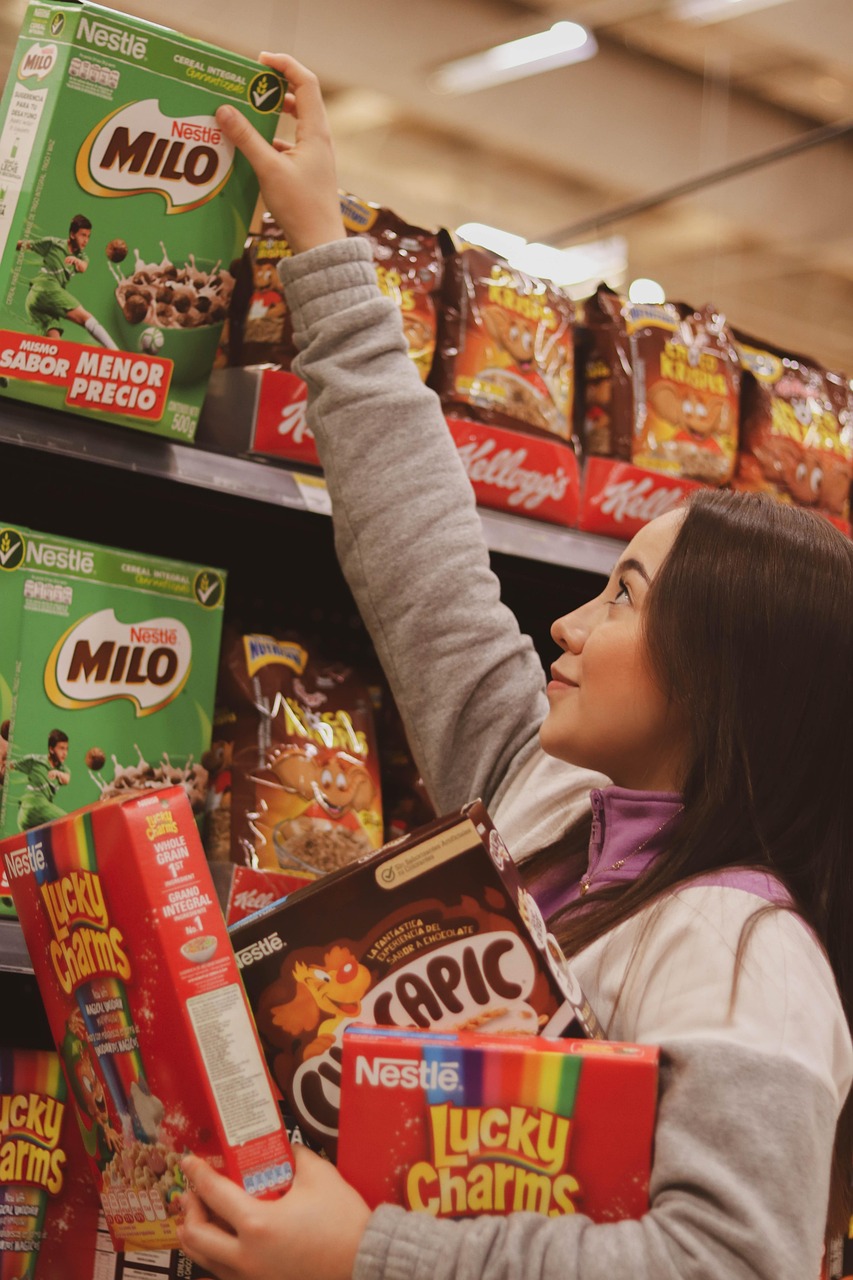
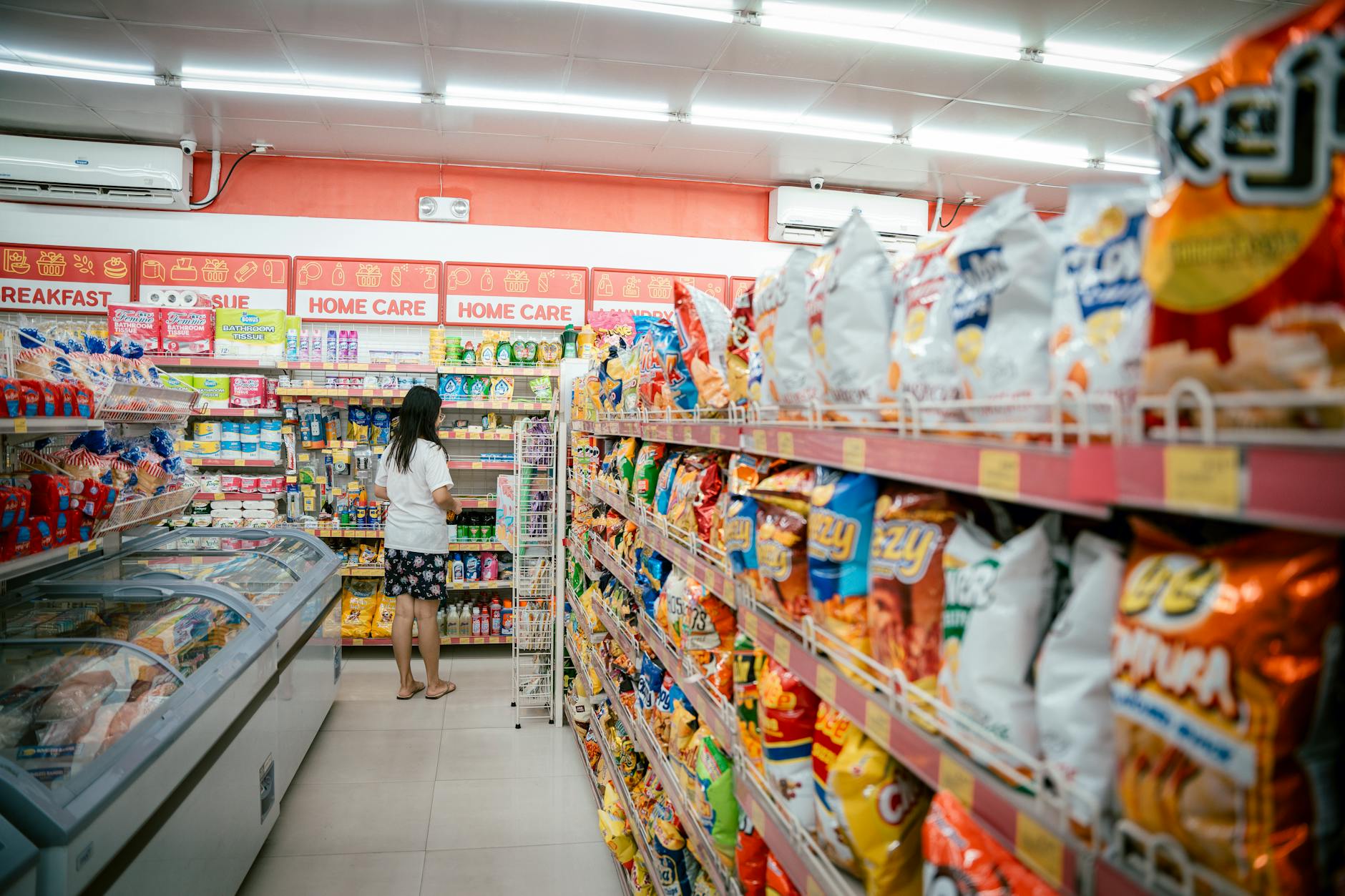
I keep coming back to the packet because that is where this story lives for most of us. Not in the journal issue. Not in the policy webinar. In the aisle, under fluorescent light, with a basket cutting into your wrist and a child asking for the thing with the cartoon face.
This new research does not require us to become purists. I am not giving up every packet in my cupboard, and I doubt you are either. A little less innocence is all it asks of us, especially about how the packet got so good at wanting us back.
That is the part junk food learned from Big Tobacco: not just how to sell a product, but how to make the product feel like relief, identity, play and choice. Once you see that, the question changes. It is no longer, why did I buy this?
It is: who worked so hard to make sure I would?

Brisbane-based GP turned health writer. Covers women's health, fertility and the gap between clinic and culture.
The Lifestyle Desires brief
Style, food, travel and wellbeing — weekly in your inbox.
Subscribe