What GLP-1s are asking women to believe about cancer
GLP-1 cancer risk is the new wellness promise, but the 30% breast-cancer signal is observational, not a prevention plan.
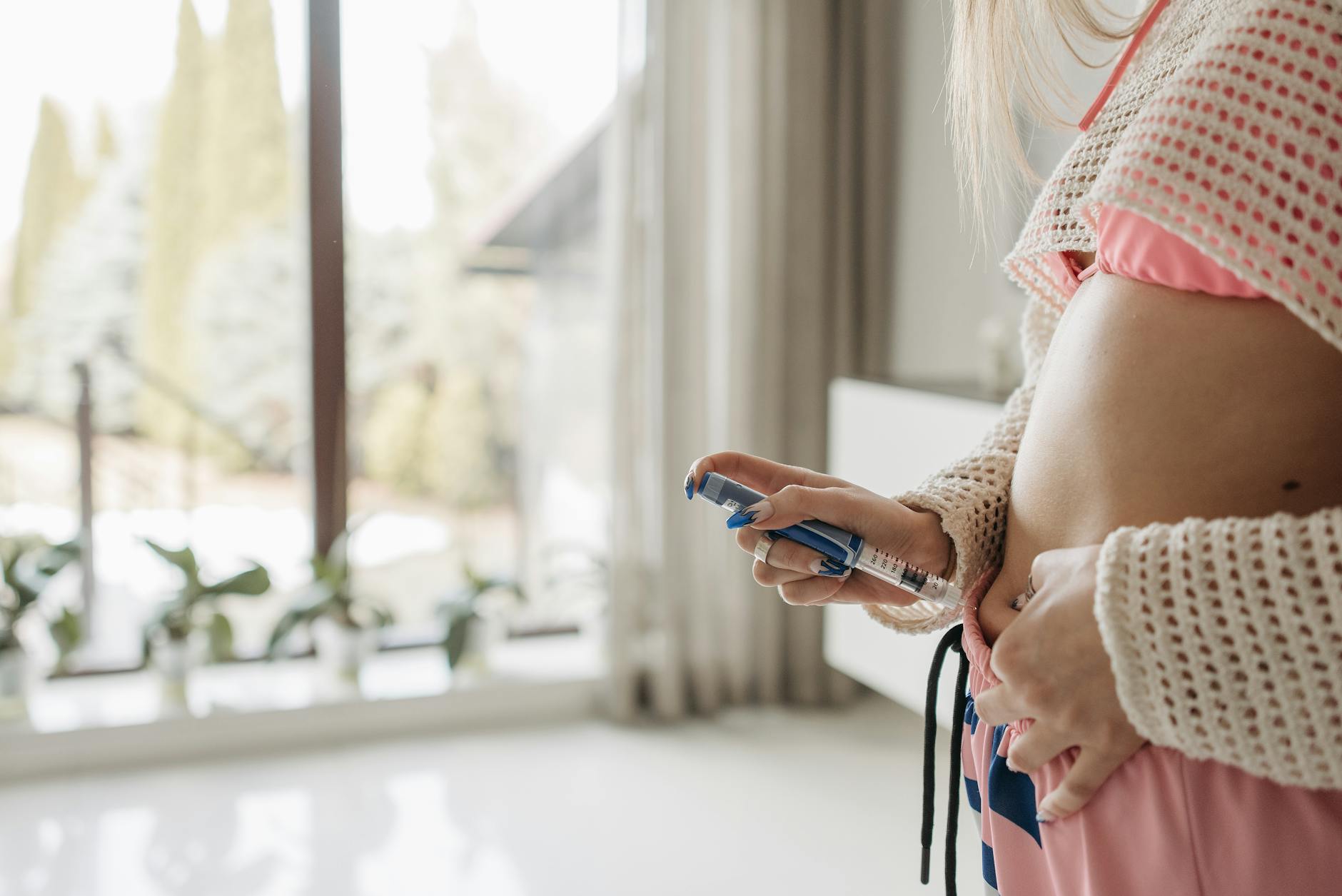
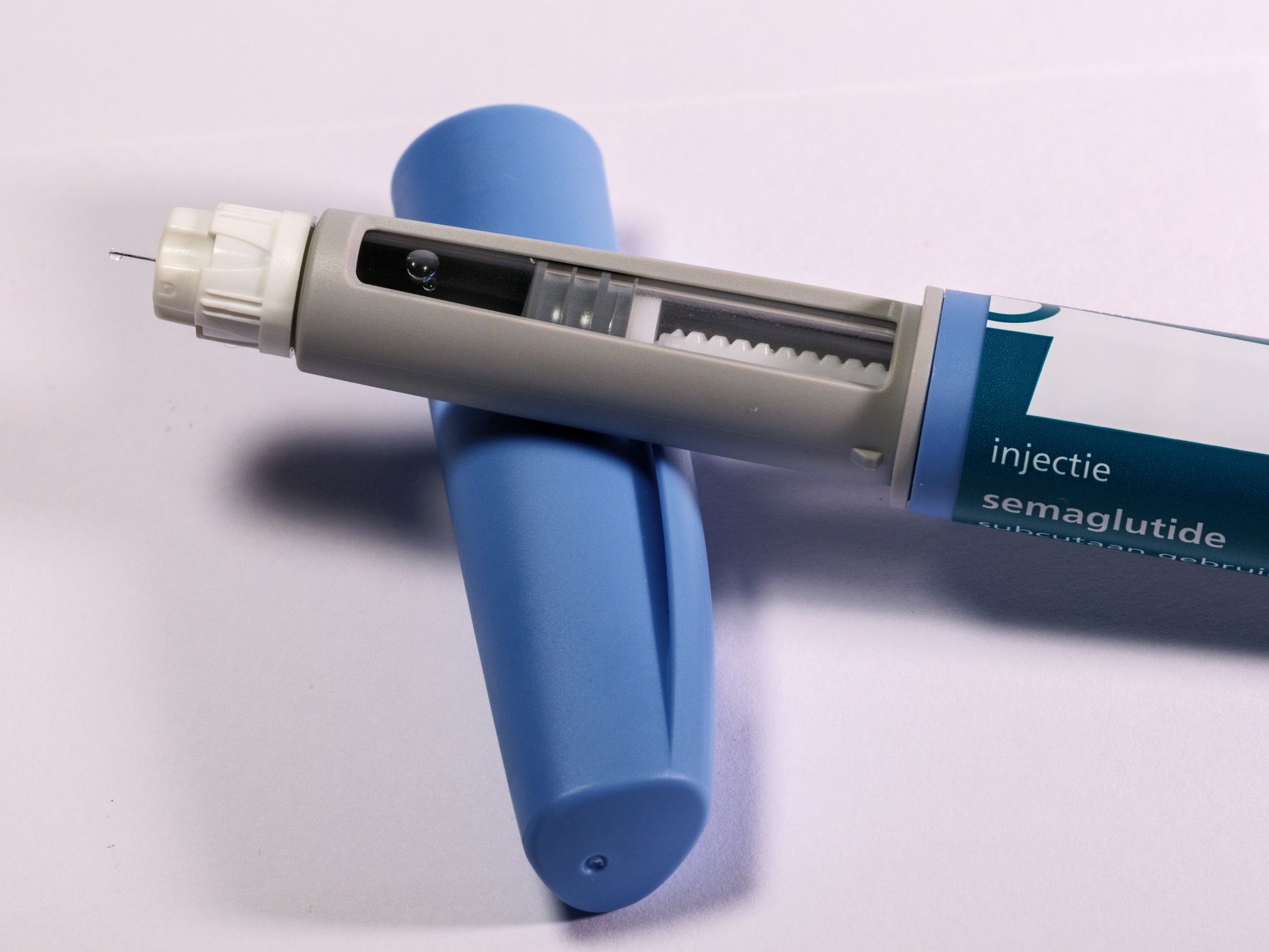
By the time a woman asks whether a drug like Ozempic might also protect her from breast cancer, the medicine has already moved through several rooms. The endocrinologist’s room. A group chat. The beauty clinic with the pale timber desk and the branded water bottles. Lunch, where someone’s friend is “microdosing”. Then, almost before anyone has caught up, the oncology conference room, where a 30% figure has started doing the heavy work of hope.
That speed is what makes me uneasy. Not because the science is silly. It isn’t. This new GLP-1 cancer signal is interesting enough to study seriously, and in medicine that matters. Women’s-health claims travel differently, though, especially when they involve weight, prevention and fear. A finding can become a feeling long before it becomes advice.
Paul Joyce, writing in The Conversation AU, reads the moment with the caution it deserves: GLP-1s may prove useful beyond weight loss, but the cancer story is still a long way from settled. His framing skips nothing. It gives the promise room, then asks it to show its papers.
The number wants to sprint
Passed from one headline to another, the number is arresting: in a University of Pennsylvania retrospective cohort of 111,646 women aged 45 to 80, GLP-1 use was linked with 30.5% lower odds of breast cancer in a matched analysis. Not a small signal. Not a prescription either.

The Penn Medicine cohort matters because it is large and specific. Its limit is just as important: it is observational. Researchers looked back at what happened to women who had used GLP-1 drugs and compared them with matched women who had not. That sort of study can reveal a pattern. Alone, it cannot tell us the drug caused the lower incidence.
Here is where the public conversation often cheats. We say “linked with” in the paper, “associated with” in the press release, “may reduce” in the headline, and by Friday someone is talking as though the injection has been added to the breast-cancer prevention toolkit. Subtle shift. Whole story.
Elizabeth McDonald, the Penn radiologist behind the analysis, did not sell certainty. She argued for the next question.
“it’s worth investigating these weight-loss drugs as potential cancer prevention tools”
Elizabeth McDonald, Penn Medicine
Careful sentence, that one. It does not say women should take GLP-1s to avoid cancer. It says the signal deserves investigation. In clinic, that difference is not academic. It is the distance between a conversation about a study and a decision about your body.
The body is not just a risk chart
GLP-1s now sit at a messy crossroads: obesity, diabetes, menopause, fertility, cancer fear, beauty culture, class, shame. I can explain confidence intervals to a patient and still miss the emotional weather in the room. A drug that changes appetite also changes how people talk to you about discipline. Even a drug that may reduce metabolic risk can still carry nausea, muscle-loss concerns, cost and the sour feeling of being watched.
For women at higher risk of breast cancer, the promise lands differently again. It arrives in the same body where screening letters, family history and the memory of a mother’s treatment already live. If a doctor says “risk reduction”, you listen. Of course you do. Yet if the same culture has spent years telling you that a smaller body is a safer, cleaner, more morally legible body, you are entitled to ask what exactly is being offered.
The Guardian’s ASCO reporting widened the frame beyond one Penn analysis. It described three studies presented around the world’s largest oncology conference, including research involving 27,000 breast cancer patients and another study of 12,000 cancer patients. Eleonora Teplinsky, a breast and gynaecologic oncologist, put the evidence in the right register.
“I think there is enough data to show there is clearly some impact on either cancer risk or the risk of recurrence, but we haven’t yet defined it exactly”
Eleonora Teplinsky, quoted by The Guardian
Her “not yet” matters. Women should be allowed to stand there without being called anti-science or gullible. There may be an effect on cancer risk. Recurrence may be part of it too. The size, mechanism and right patient group are not yet clear.
What the drug might be doing
The most interesting version of this story is not “thinness prevents cancer”. That sentence is both crude and clinically lazy. A more serious possibility is that GLP-1 drugs affect the biological conditions in which some cancers develop or recur: insulin signalling, inflammation, metabolic dysfunction, perhaps immune pathways we have not yet mapped cleanly.
The Conversation AU analysis makes this distinction useful. Paul Joyce notes that GLP-1 drugs are being studied across a surprising field of conditions, from dementia to addiction, but the evidence is uneven. Some benefits may come from weight loss itself. Others may be independent of it. A few may fade once better trials remove the noise.
I find that distinction more respectful than the standard wellness shorthand. Women are not walking risk factors. A higher BMI can be linked with higher risk for several cancers, but the line between body size, metabolic health, screening access, medication use and social stigma is not clean. Nature’s recent argument that obesity does not always equal ill health sits uncomfortably beside the rush to put ever more people into lifelong treatment categories. It should make us slower, not smugger.
Another problem with turning early cancer data into lifestyle certainty: it changes the moral pressure around refusal. If a GLP-1 is framed as weight loss, a woman can decline because she does not want that treatment. Once it becomes a prevention drug in the popular imagination, declining starts to sound like carelessness. That is a heavy thing to place on evidence that has not reached the standard of guidance.
The side-effect column is part of the story
Prevention always sounds cleaner than treatment. It suggests a future spared, a life not interrupted, a scar that never has to heal. Prevention medicine still has costs, and those costs are not evenly felt.
Someone taking a GLP-1 for diabetes or obesity may decide that the benefits outweigh nausea, gastrointestinal symptoms, muscle-loss worries or cost. A person considering it mostly because of a cancer-prevention headline is making a different calculation. That calculation needs better data. It also needs room for ordinary patient preferences, including the very reasonable preference not to medicalise another corner of life unless the benefit is clear.
This is not theoretical. Recent GLP-1 coverage has already stretched from plateaus to migraine signals to rare eye risks. A ScienceDaily summary of a Wegovy eye-stroke study is not reason for panic, but it is a useful reminder that mass-market drugs become mass-market safety questions. The more broadly we imagine prescribing them, the more carefully we have to watch the harms.
Oncology guideline writers know this. They are not deciding whether a headline feels exciting. Their question is what endpoint would justify a recommendation: lower incidence, lower recurrence, lower mortality, tolerable adverse effects, clear benefit in a defined group. Ideally, a prospective trial would separate women by baseline risk, metabolic health, menopausal status and screening patterns, then follow outcomes long enough to tell us something firmer than association.
Slow, yes. Cancer prevention should be slow.
What I would tell a patient this week
If a patient asked me about the new GLP-1 cancer data this week, I would start by saying the signal is worth taking seriously. I would not wave it away because the drug is fashionable or because the wellness economy has made the conversation exhausting. Good science sometimes arrives wearing an annoying outfit.
After that, I would say this: a 30% association is not the same as a 30% personal promise. It does not tell you what will happen in your body. It does not replace mammograms, family-history assessment, genetic counselling where appropriate, movement, alcohol reduction, diabetes care or any of the unglamorous prevention work that never gets the glossy headline.
I would also ask what question the patient is really asking. Is she worried because her mother had breast cancer at 52? Already on a GLP-1 and wondering whether there is an unexpected upside? Being nudged by a clinic, a friend or a partner who has dressed weight loss up as health optimisation? Same headline. Different consultation.
McDonald’s second quote, reported by the Guardian, is the humane one.
“Ultimately, we want to find better options to prevent breast cancer”
Elizabeth McDonald, quoted by the Guardian
Yes. That is the hope. Better prevention would be wonderful. For some women, GLP-1s may one day be part of that conversation. I can imagine a future where the right trial in the right population changes guidelines and gives patients another genuine option.
We are not there yet.
For now, the most honest reading is smaller and more useful: GLP-1s have produced a cancer signal strong enough to deserve proper trials, and weak enough that women should not be asked to treat it as settled. The promise can sit on the table. It just does not get to run the room.

Brisbane-based GP turned health writer. Covers women's health, fertility and the gap between clinic and culture.
The Lifestyle Desires brief
Style, food, travel and wellbeing — weekly in your inbox.
Subscribe