What proteinmaxxing is asking wellness to admit
Proteinmaxxing has turned whey into a wellness doctrine, exposing the muscle-loss fear, GLP-1 logic and marketing hustle underneath.
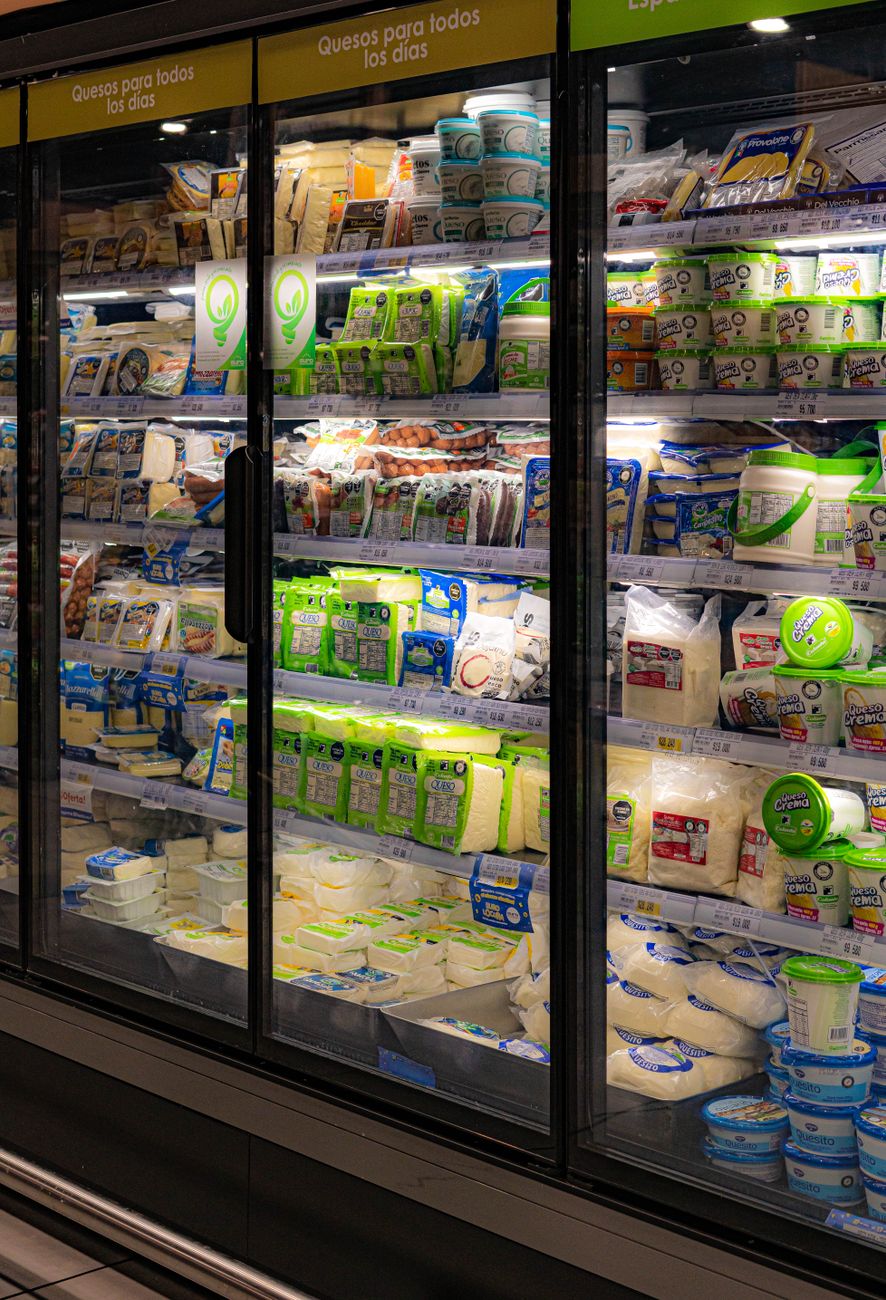
The first thing I noticed this week was not a shaker bottle. It was the yoghurt fridge. At Woolworths, the tubs had started talking in the clipped, remedial language gym powders used to keep for themselves: extra protein, high protein, protein plus. Even the iced coffee looked as if it wanted to double as a treatment plan. Standing there, I had the odd feeling that a nutrient had stopped being a fact about food and become a mood.
That is what makes proteinmaxxing interesting. The term sounds silly, a little terminally online, but the feeling underneath it is not. This is not a bodybuilding revival. It is wellness learning to speak in a faintly panicked clinical dialect: eat more protein, protect your muscle, do not age badly, do not lose weight the wrong way, do not let a suppressed appetite leave you smaller than you meant to be.
But the same aisle reads very differently if you look at it as a clinician rather than a brand strategist. The Mayo Clinic’s guidance on GLP-1 medications and muscle loss notes that some of the weight lost on these drugs may come from lean mass, with estimates sometimes landing at 25 to 40 per cent. That is a real concern, especially for older adults and for anyone eating less without much planning. It has also been translated, very quickly, into a consumer feeling. Not simply I should eat well, but I need insurance.
So the protein story is not really about powders. It is about a piece of care advice being flattened into a product claim, then sold back to us through yoghurt tubs, cereal boxes and ready-to-drink bottles. The Guardian’s reported look at the whey boom and CNBC’s reporting on the dairy squeeze land on the same odd fact: ordinary wellness demand, pushed along by GLP-1 culture, is now strong enough to distort the supply chain of a former cheese byproduct.
As The Guardian reported, Tony Meives, who sells whey and owns a gym, remembers when the audience was much smaller.
“Twenty years ago, the only people who took whey were bodybuilders.”
— Tony Meives, quoted in The Guardian
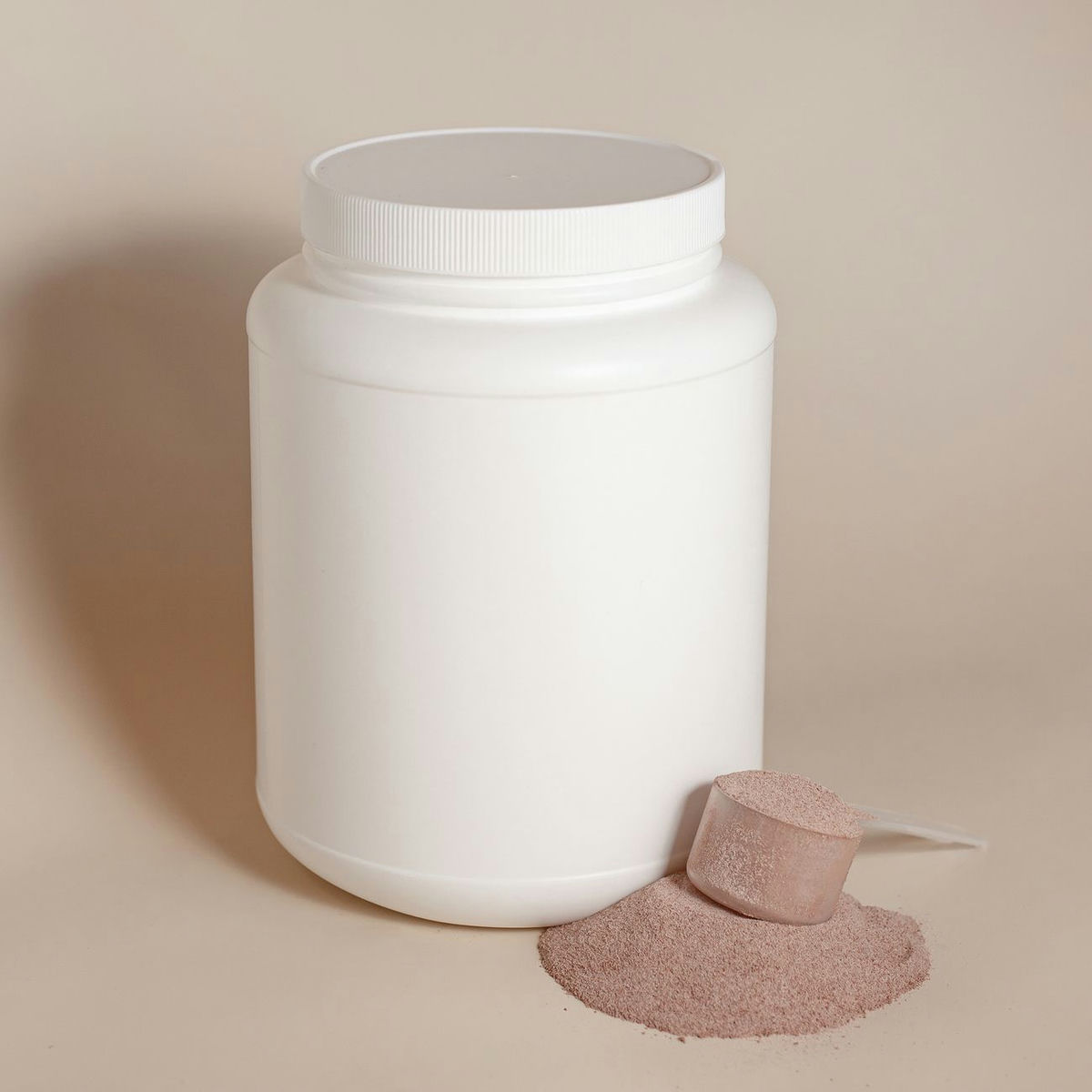
For me, that line matters because it captures the cultural jump. Protein used to belong to a visibly committed subculture. You bought it in a tub the size of a paint tin and accepted the faintly punitive aesthetic that came with it. Now it arrives softened, feminised, domesticated. It turns up in vanilla yoghurt, in pastel drinks, in the breakfast part of the supermarket. The product has changed a bit, but the bigger shift is emotional: protein is now being sold as reassurance.
The aisle started whispering first
Seen from the builder’s angle, the logic is easy to grasp. If appetite is lower, chewing through a full meal may feel harder than drinking one. If strength has become shorthand for staying well, then adding protein to something already familiar is an easy commercial move. That is why the category keeps spreading, not only through powders but across yoghurts, snacks and the functional beverage boom CNBC has been charting.
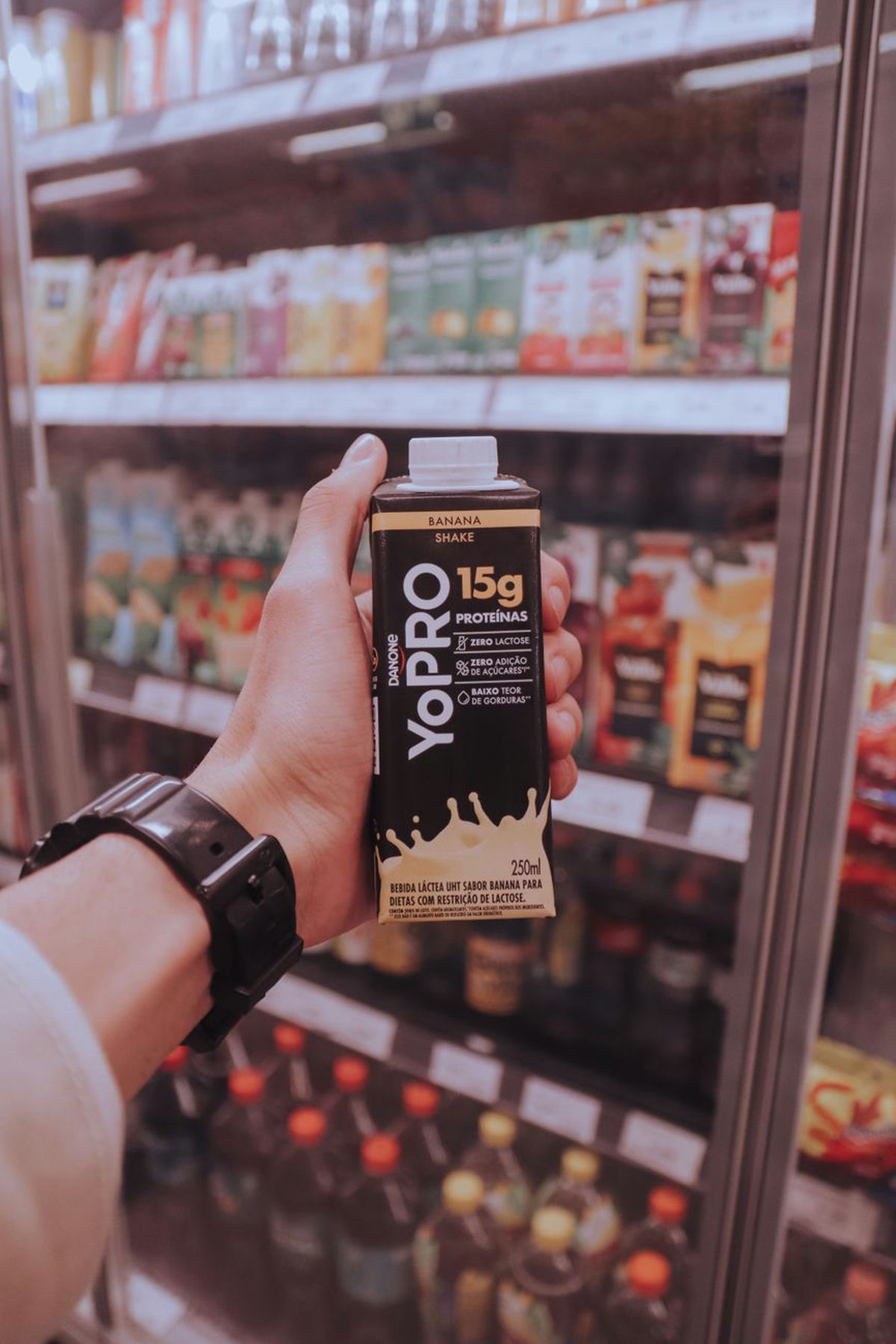
Dr Fatima Cody Stanford put the convenience case plainly in CNBC’s reporting on the whey shortage:
“People may realize it may be easier to drink their protein.”
— Dr Fatima Cody Stanford, quoted by CNBC
From a brand strategist’s point of view, that is probably the clearest partial answer to one of the builder perspective’s real questions: which formats survive in a GLP-1 market? The easy ones. Spoonable. Sippable. Pre-made. The foods that ask the least of a person whose appetite has become unpredictable. From a care point of view, that makes sense. From a market point of view, it is gold.
Just as importantly, it explains why protein has started drifting into lifestyle branding rather than staying in sports nutrition. Reuters’ reporting on the Danone-Chobani fight treated the yoghurt shelf as a serious commercial battleground, not a niche health aisle. Vogue, in a very fashion-world read of the sector, argued that brands such as David Protein are being styled more like an “it-girl” accessory than a supplement. That might sound frivolous, but it is the point. Once a nutrient becomes identity, it can travel anywhere.
Clinically, I am less convinced by the halo than by the need underneath it. A Business Insider analysis quoting a cardiologist made the unfashionable observation that high-protein foods can also be highly processed foods, and that a protein-forward label can disguise a fair bit of additive clutter. Wellness marketing loves a single heroic nutrient because it tidies the story. Real eating rarely does.
There is a moral texture to all this that wellness does not always like admitting. Protein is being positioned as the responsible choice, the disciplined choice, the grown-up choice. If you are tired, ageing, peri-menopausal, on a GLP-1, back at Pilates, recovering from illness, trying not to lose muscle, then the protein aisle offers something more intimate than fuel. It offers the feeling that you are still doing right by your body, even when your body has become a bit harder to read.
When the byproduct became the point
Meanwhile the analyst’s question is more prosaic and, in its way, just as revealing: is this a brief squeeze or a lasting repricing of an ingredient we used to ignore? Here the numbers are hard to dismiss. AP reported that whey concentrate prices rose 83 per cent over two years. CNBC reported that whey protein inventories have fallen about 50 per cent since 2023. In the Guardian’s account, prices at one point had risen fivefold. Those are not cute wellness metrics. They are supply-chain alarms.
Joshua White, a dairy trader quoted in The Guardian’s reporting, said the quiet part out loud.
“It’s a byproduct no longer. Whey is a co-product now.”
— Joshua White, quoted in The Guardian
To my mind, that sentence is the real thesis of the moment. Proteinmaxxing is not only changing what people buy. It is changing what the food system believes whey is for. When a cheesemaking leftover becomes a core revenue line, you are no longer watching a fad at the edge of culture. You are watching culture reorganise manufacturing priorities.
The answer to the analyst’s question is probably both, which is annoying but true. Some of this demand is cyclical. GLP-1 enthusiasm will settle into something less feverish. Some brands will overbuild, or at least overtalk, and get caught holding expensive formulations if shoppers move on. But some of it does look structural. A 2025 survey, cited in current reporting, found that 71 per cent of US adults were trying to eat more protein. That is not a niche. That is a mainstream nutrition script.
Locally, Australian readers should pay attention because the same logic is already moving here. ABC reported in June that the booming protein market was opening opportunities for food manufacturers as well. Once a wellness claim starts behaving like industrial policy, it stops being an American curiosity. It becomes a supermarket grammar everybody learns.
What I keep coming back to, though, is the sceptic’s question: do most adults actually need more protein, or do they need more careful, less magical advice about eating? I suspect the honest answer is messier than the packaging allows. Some people, especially older adults and some people using GLP-1s, may well need to think deliberately about protein intake and resistance exercise. But “think deliberately” is not the same instruction as “fortify everything”.
This is the gap where wellness gets slippery. A clinically sensible point, muscle matters, gets inflated into a doctrine. A legitimate worry, appetite loss can have consequences, gets turned into a retail mood. Then the market hurries in with flavoured milk, protein coffee and desserts that promise competence in a bottle. The care logic is real. The commercial opportunism is real too. Both can be true at once.
Maybe that is what proteinmaxxing is asking wellness to admit. Not that protein is fake, or that people are foolish for caring about it, but that the craze has less to do with athletic ambition than with fragility. We are living through a period in which medicine can shrink appetite, social media can turn nutrition into identity, and food brands can repackage anxiety faster than clinicians can add nuance. Of course whey is expensive. We have asked it to do far more than feed us.
At the yoghurt fridge, that is the part I cannot unsee now. The promise on the label is not only more grams. It is a small, polished assurance that you can keep control of your strength, your age, your appetite, your future, if you just buy the right tub. I might be wrong, but that feels like the real product on sale.

Brisbane-based GP turned health writer. Covers women's health, fertility and the gap between clinic and culture.
The Lifestyle Desires brief
Style, food, travel and wellbeing — weekly in your inbox.
Subscribe