Children’s skincare boom: girls learn correction too early
Children’s skincare boom is teaching girls to read normal skin as a problem, as dermatologists warn adult routines are arriving too soon.
I keep thinking about the bathroom mirror at that age: toothpaste foaming at the corner of a mouth, a school shirt half-buttoned, someone in the kitchen calling out that the bus is coming. Skin, if we thought about it at all, was weather. A pimple before swimming carnival. Sunburn after a beach day. Glitter from a party still stuck near one eye on Monday morning.
Now imagine standing there at 10, naming acids, barriers and anti-ageing steps as if you have already missed some invisible maintenance deadline.
Inside the children’s skincare boom, that is the small grief. A girl can want a cleanser, obviously. She might have dry cheeks. She might like the ritual. The harder lesson is tucked under the serum: your face is a project, and the project starts before adolescence has even found its feet. In BBC reporting on cosmeticorexia, 13-year-old Ellie-May appears as both child and performer, with a TikTok following, a routine, and the kind of beauty vocabulary many adults only picked up after lockdown. At 10, she was already discussing skincare online.
“Wearing make-up now makes me feel normal.”
Ellie-May, BBC News
Normal. That word has a chill to it when it comes from a child.
The bathroom as a small stage
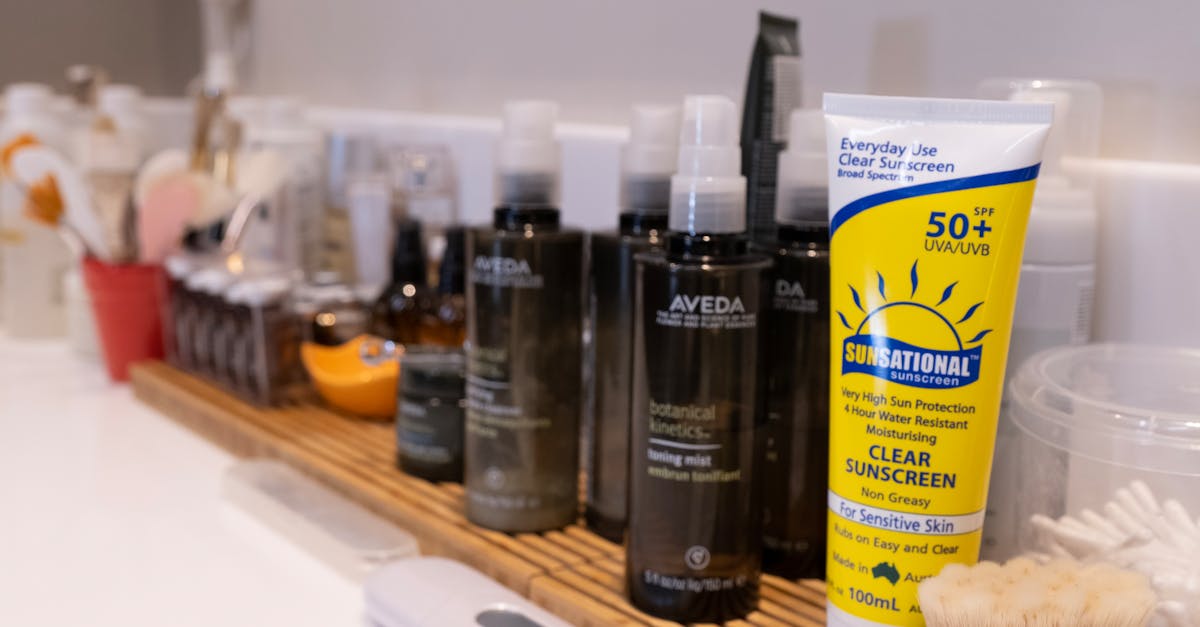
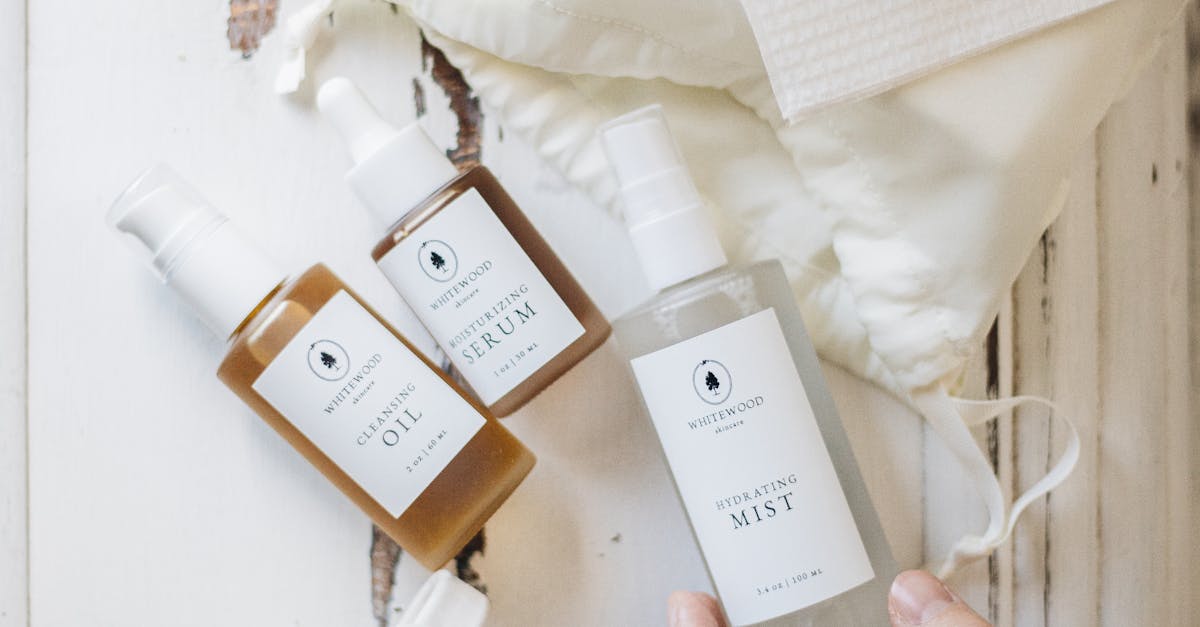
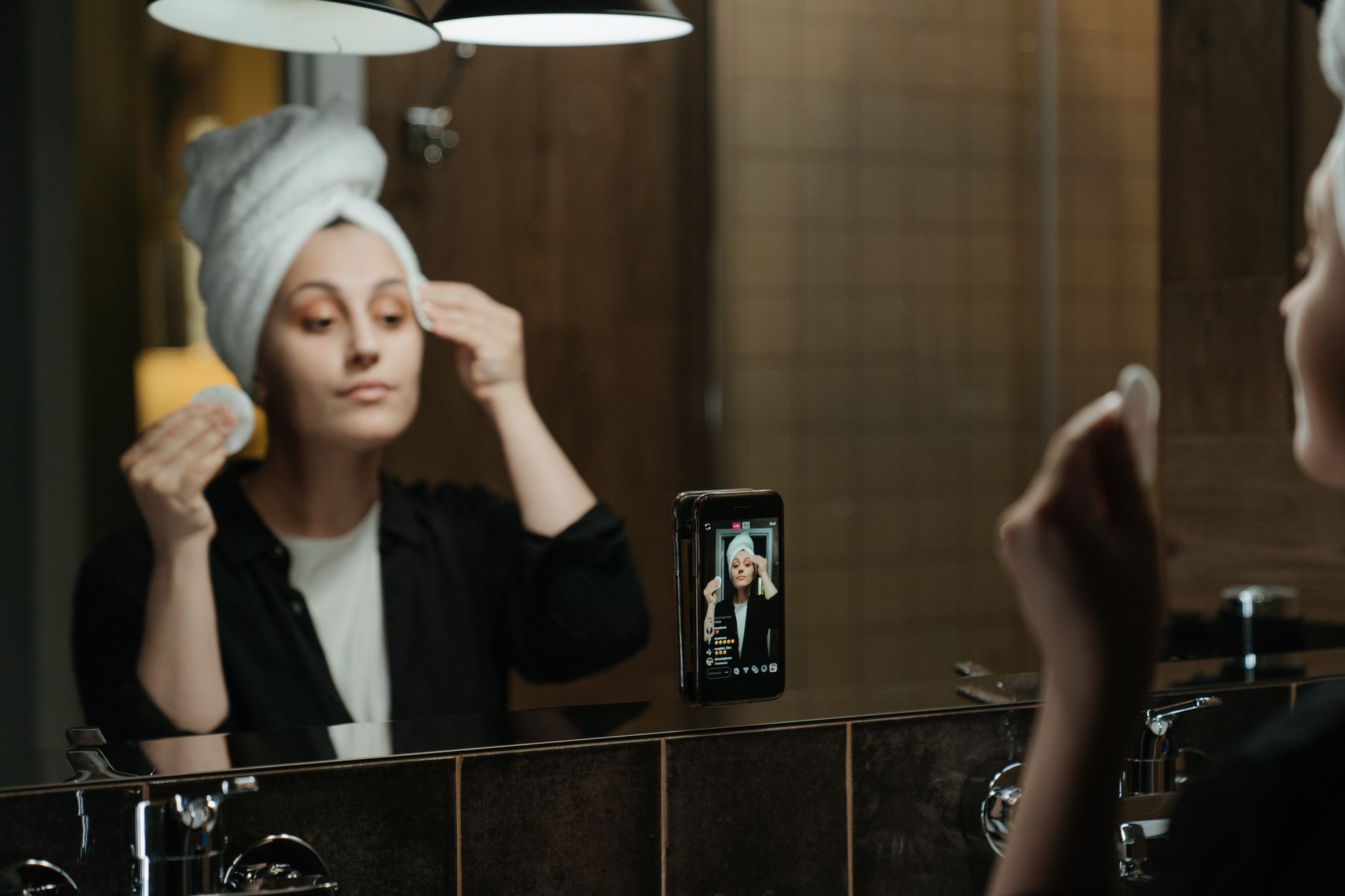
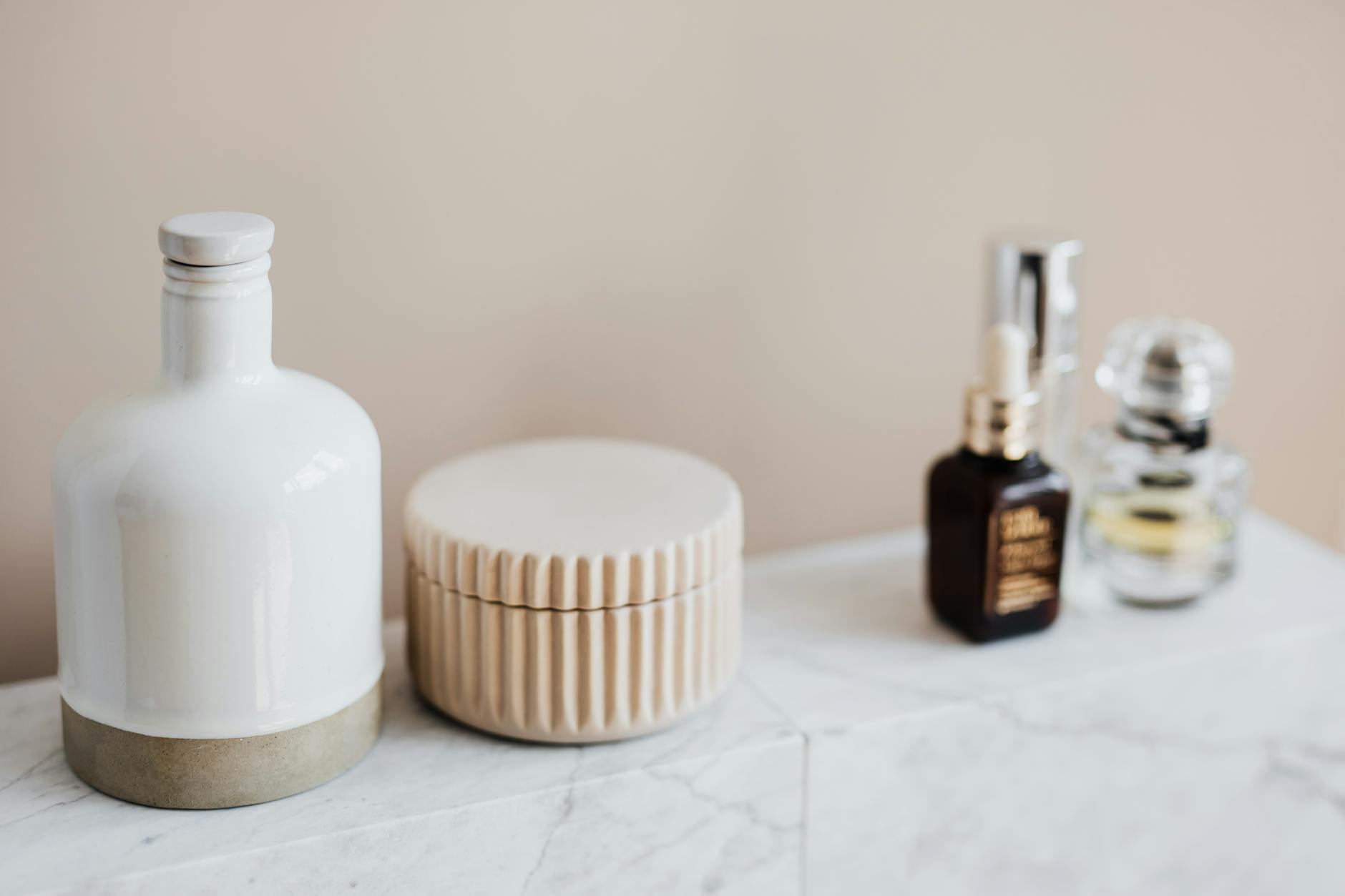
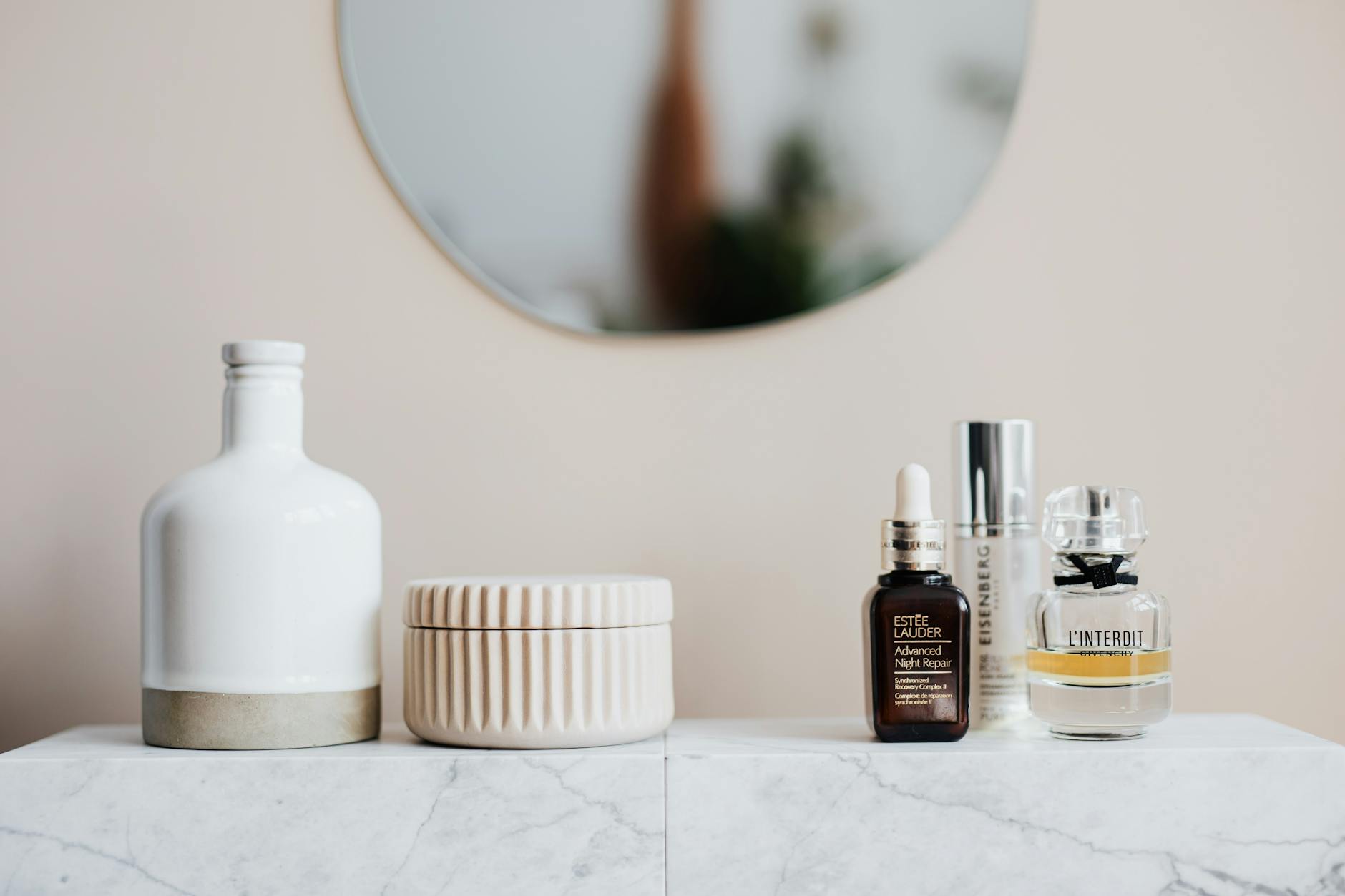
Before it has finished being a private room, the modern bathroom has become a set. A shelf of small bottles reads well on camera: pastel caps, pump tops, the almost medical promise of a dropper. Morning gets a shape. The algorithm gets something it can recognise.
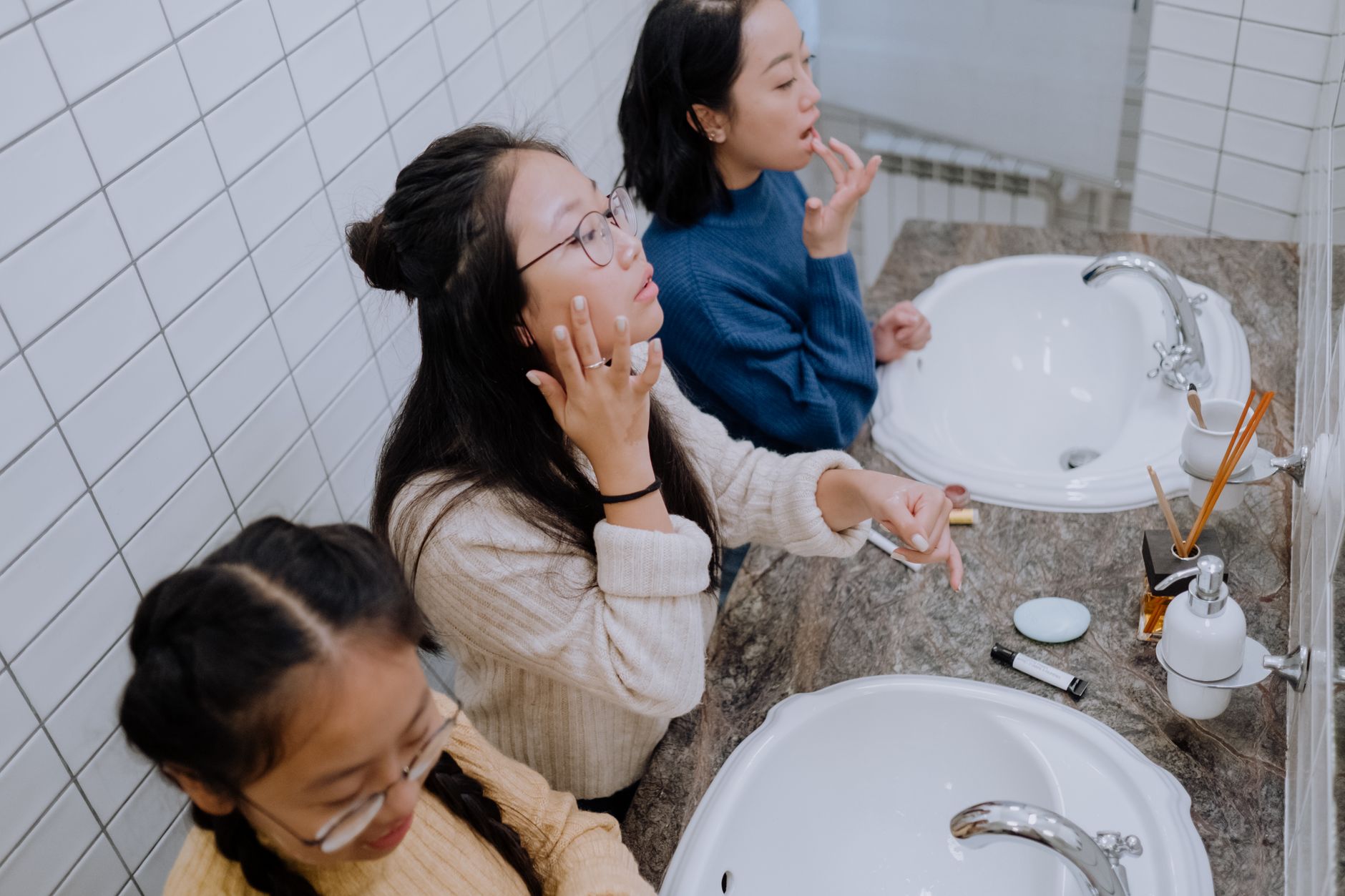
Some responsibility sits with beauty writing, which is why I do not want to be smug. We helped build the room these girls are now standing in. We trained readers, and ourselves, to notice glow, texture, barrier, bounce. We made a little religion of the face. Adult skincare language can be useful when it is about comfort, sunscreen, acne that hurts, or learning what your skin can tolerate. Somewhere along the way, though, care picked up the posture of correction.
For children, that version is harsher because it arrives before there is much to correct. The BBC quoted consultant dermatologist Dr Jean Ayer on the obvious thing adults keep forgetting.
“The irony? They’ve already got it - when you’re little, your skin is in perfect condition.”
Dr Jean Ayer, BBC News
Ayer’s point is clinical, yet it lands as cultural diagnosis too. What is being sold is future-proofing: a face protected against flaws it has not developed yet. Adult anti-ageing logic, poured into a smaller bottle.
Money sits in that bottle. The BBC piece cites a TikTok study of under-18s where routines averaged £125, and it notes a Pai survey of 1,500 nine-to-12-year-olds. Those figures matter less as shopping data than as evidence of a new habit: girls learning that self-care is something you buy, arrange, film and repeat.
The lesson under the serum
A child applying moisturiser is not automatically a body-image story. Sometimes it is just dry cheeks. Or copying Mum in the sweet, sticky way children copy adults, with a towel too big for their shoulders and one eye on the mirror.
Dry cheeks do not explain the boom. It runs on the idea that the face must be managed before it is allowed to simply be. Brooke Erin Duffy, a Cornell researcher who studies social media and culture, told the BBC that beauty pressure moving towards girls is a sharper change than another beauty cycle.
“But this is a marked shift. Now young girls are being put under that same pressure.”
Brooke Erin Duffy, BBC News
Duffy’s sentence is the one I cannot get past. Same pressure. Younger body. Smaller hands.
The term cosmeticorexia has travelled quickly for a reason. It is an ugly word, and I am wary of any neat label that makes a messy cultural habit sound like one diagnosis. Still, it catches something real: the compulsive checking, the fear of falling behind, the belief that a normal face has failed. For a girl, the mirror stops being a place to meet herself and becomes a scoreboard.
Here, beauty slips into wellbeing. Dermatologists are clear that active ingredients can irritate young skin, so yes, retinol in a child’s routine matters. The deeper question is why a child would feel she needs a routine with adult seriousness in the first place.
Beauty culture has made maintenance feel morally tidy. A good woman sleeps, hydrates, applies SPF, knows her actives, tracks her cycle, takes magnesium and never appears surprised by her own face. I write that as someone with serums in the bathroom cabinet. I like a decent sunscreen. I have also had mornings where a dull complexion felt like a personal administrative failure. Embarrassing, but common enough to have an industry built around it.
Now the industry has a younger audience watching.
When flawlessness becomes ordinary
What feels cruellest is the adult gaze being handed down. The children’s skincare boom teaches girls to inspect themselves before they have had much time to inhabit themselves. Not their mother’s exact eyes, not a teacher’s, not even the eyes of a schoolyard. Platform eyes. Commercial eyes. The kind that turn a face into before-and-after material.

Around it, the wider culture keeps pressing in. Recent beauty coverage talks about “glass skin”, “lit-from-within glow” and routines calibrated by season; ELLE Australia’s recent skincare language is not aimed at children, but children do not experience the internet in neat age-locked corridors. The aspiration leaks. A product page becomes a TikTok. A TikTok becomes a sleepover routine. By the time it reaches the bathroom, it can feel like the baseline for being a girl who knows what she is doing.
In more extreme adult spaces, the same aesthetic is already louder. The Guardian recently wrote about patients bringing surgeons AI-generated faces, asking for flawless skin and sharply edited features. A tween wanting a moisturiser is a different thing, of course. Still, it belongs to the same weather system: the face imagined first as an image, then as an object to improve.
Children are exquisitely good at reading weather.
Maybe the better social-media question is not “Who sold this?” but “What keeps it circulating?” A child influencer routine is compelling because it is cute, aspirational and unsettling all at once. Brands can call it education. Parents can call it harmless fun. Platforms can call it content. Everyone gets a softer word for the same pressure.
Parents get no clean route here. Refusing everything can turn a lip balm into contraband. Allowing everything can make the bathroom feel like a shop floor. The line is harder because some skincare is genuinely useful: sunscreen, gentle cleanser, treatment for acne when it arrives, medical help when skin hurts. The trick is to separate care from surveillance.
What I would keep, and what I would refuse
My first question, if I had a daughter asking for skincare, would be what problem she was trying to solve. Dryness? Fine. Sunscreen for netball? Sensible. A sore rash, acne, eczema, skin that stings? See a pharmacist, GP or dermatologist. But if the problem is “I want my skin to look poreless on camera”, I would want to slow the room down.
Not with a lecture. Children can smell adult panic through a wall. Tea, maybe. Sitting on the bathroom floor. Asking who told her pores were a problem. I might be wrong about this, but I suspect the most protective sentence is not “you are beautiful”. It is “your face does not have to earn its place today”.
Sentimental, yes, until you look at the machinery pushing the opposite message. Beauty content does not need to say “hate yourself” to make self-inspection habitual. It only has to make correction feel normal. A 12-step routine can be sold as play, while a child repeating it nightly may be rehearsing something heavier: the idea that being looked at is the main condition of being acceptable.
Physical risk is easier to name. Retinoids, exfoliating acids, fragranced products and over-layering can irritate young skin; sunscreen and a gentle routine are not the villains here. The murkier risk is psychological. Screen stories shape health beliefs and stigma, as The Conversation has argued, because repeated images teach us what bodies are supposed to mean.
No caption is required. A girl seeing endless perfect skin can receive the instruction as taste, aspiration, the quiet knowledge that everyone else seems to have started already.
Regulation can sound bloodless beside the image of a child with serum on her fingers. Age guidance, advertising standards, platform labelling and brand restraint cannot solve the ache of growing up under a camera. They can stop pretending the market is neutral. A child’s insecurity is not a niche to be activated.
Ordinary is the word I keep returning to. Children’s skin is meant to be ordinary. Sometimes flushed. Sometimes shiny from sunscreen. Sometimes dry at the corner of the mouth in winter. Sometimes marked by the chocolate ice-cream they forgot to wipe off. It should not have to be optimised into evidence of good parenting, good taste, good girlhood.
The children’s skincare boom asks girls to start fixing themselves before they have had a chance to find out what living in a face feels like. Too early. Earlier than any serum bottle will admit.

The Lifestyle Desires brief
Style, food, travel and wellbeing — weekly in your inbox.
Subscribe