Why Kids Helpline’s crisis spike feels like a warning
Kids Helpline’s crisis spike suggests more young Australians are waiting until after dark, and too close to breaking point, to ask for help.
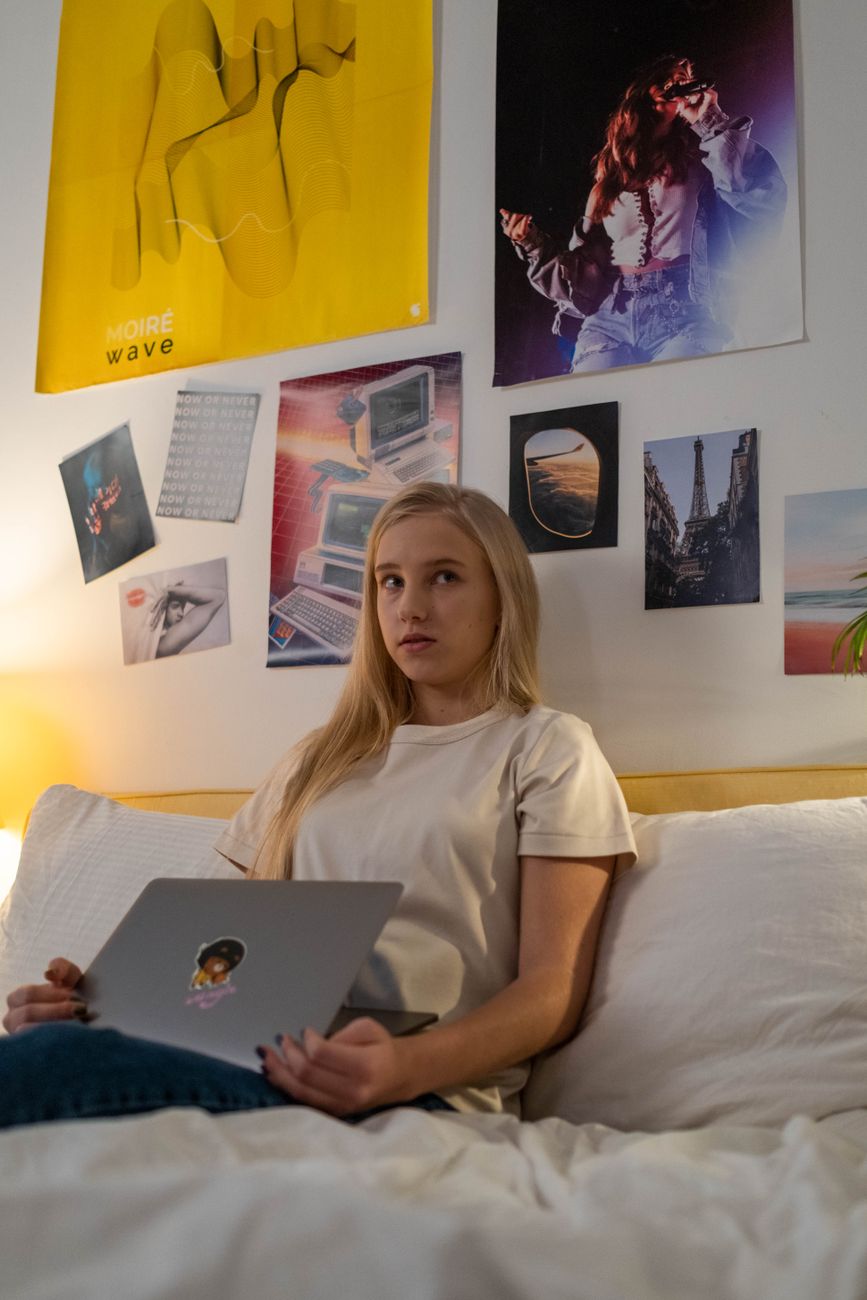
The easiest way into this story, I think, is not through a spreadsheet but through a bedroom. It is 11.17pm, the house has finally gone quiet, and a teenager is typing into Kids Helpline because saying the thing out loud would make it too real. A phone call can be overheard through plasterboard. A webchat sits inside the blue light of a screen and passes, at least from the outside, for ordinary late-night scrolling. If you want to understand why this week’s numbers feel so bleak, start there.
What ABC News reported from Kids Helpline’s 2025 data is not simply that demand is rising again. It is the shape of that demand. Crisis interventions hit 5,190 last year, up 350 per cent on 2018, while webchat edged past the phone as the service’s biggest contact channel. Half of all contacts now arrive in typed form. Nearly three quarters come from people under 18. Those numbers tell a more intimate story than a standard mental-health headline: young people are still asking for help, but often later, more privately, and closer to the edge.
But the analyst’s read is harsher than the service snapshot. This does not look like a passing blip in one counselling line. It looks like a warning about timing. About what happens when distress sits around the house for too long before anybody hears it, and about what a country is really saying to its kids when only 58 per cent of contacts get through to a counsellor. The queue is part of the story too.
After dark, with the screen turned low
The user-affected perspective in this data is almost painfully easy to imagine. A teenager might not feel ready to tell a parent. They might not want a sibling listening from the next room. They might not even trust their own voice to hold steady once the first sentence leaves their mouth. Typing is slower, but it can feel safer. It gives you a second to delete, soften, rephrase, pull back.
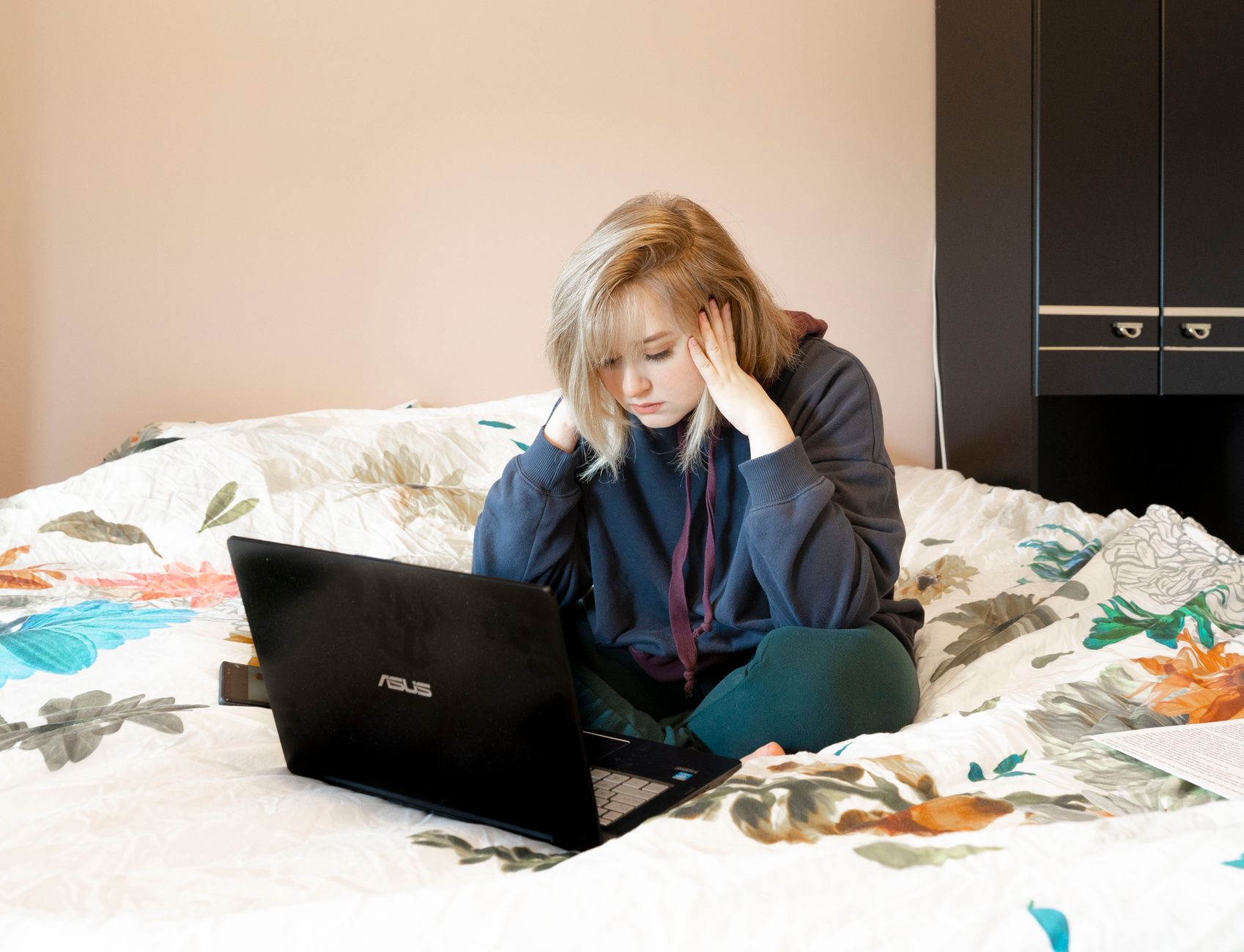
Seen this way, the webchat number matters so much. We can read it as a technology story if we like, but I think it is really an acoustics story. Privacy has become the front door to help-seeking. Kids Helpline presents itself as available any time, for any reason, and that sounds almost banal until you remember how many young people only feel safe enough to reach for support after dark, when the day has stopped performing normality around them.
In ABC’s reporting, national service manager Leo Hede put it plainly:
Young people are really struggling
— Leo Hede, ABC News
What makes Hede’s line useful is its refusal to prettify things. Adults, myself included, have a habit of polishing youth distress into language that sounds more manageable than it is. “Pressure.” “Stress.” “A tough season.” Those phrases are not wrong, exactly. They are just often too tidy. A crisis intervention is not a vague feeling. It is a moment when a conversation has already tipped into immediate concern.
More difficult is the question the user perspective keeps asking: what stops someone from asking sooner? Shame, obviously. Stigma, still. But also the ordinary architecture of family life. Not every home is dangerous, or even unkind. Plenty are just crowded, thin-walled, tired, broke, already carrying too much. In that kind of house, a private text box can feel more available than a public cry.
The queue is telling on us
Start, instead, with the figure that should be impossible to glide past: only 58 per cent of contacts made it through to a counsellor. The clinical part of my brain keeps snagging on that number. It does not read like a minor efficiency problem. It reads like delay. It reads like the gap between distress that is still verbal and distress that has started to turn dangerous.
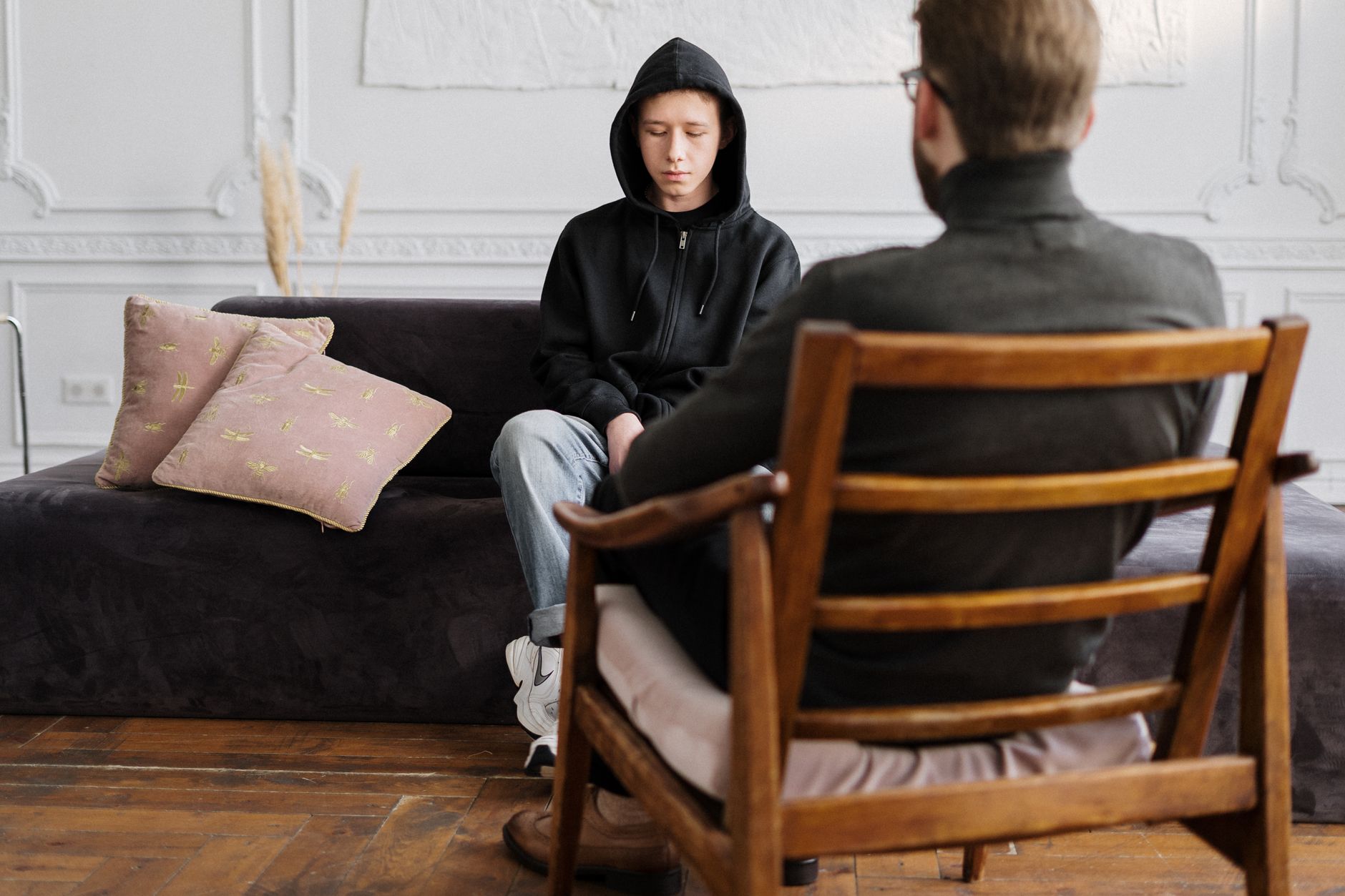
Here the 2024 Australian Youth Barometer becomes more than background reading. If 98 per cent of young respondents say they experienced anxiety or depression at least once in the past year, then the helpline spike stops looking like an anomaly. It starts to look like one service catching the overflow from a much wider emotional economy: pandemic aftershocks, rent stress, insecure work, family finances, isolation, and a culture that still talks a big game about mental health while making meaningful support feel procedural, delayed or hard to reach.
Lucas Walsh from Monash named that mood more precisely in the same ABC report:
There is a sense of resignation from young people that we interviewed about being able to access meaningful help during a mental health crisis.
— Lucas Walsh, ABC News
What unsettles me is the word resignation. Panic is visible. Resignation can look like ordinary teenage withdrawal, a door closed a bit earlier, a conversation shortened, a text answered with one word. It is quieter, which is part of why it worries me more. If a young person already believes the system will be slow, awkward or futile, they are less likely to ask for help at the stage when help is easiest to give.
Nor am I convinced we can treat the Kids Helpline numbers as a one-day media flash and move on. In the past fortnight, ABC’s reporting on children roaming Perth’s streets at night described kids looking for connection because they did not feel properly held by home or community. Around the same time, The Conversation analysed evidence linking heavier social-media use with poorer mental health outcomes. None of these pieces explains the whole picture. Together, they suggest a baseline of strain that has become far too normal.
A crisis with edges, not blur
Bland public language does one thing badly: it flattens difference. “Young people are struggling” is true, but it can make the problem sound evenly spread, like rain. It is not. The ABC breakdown points to much higher crisis-intervention rates among First Nations children, trans young people and young people living in metropolitan areas. That matters because a crisis that concentrates at the edges is not just a mood problem. It is a question of who gets buffered by family money, stable housing, school support and culturally safe care, and who does not.
Seen through that lens, the helpline spike stops being a simple indicator of individual distress. It becomes a map of uneven protection. Some kids are arriving at crisis with more privacy, more literacy around mental health and more adults who know how to respond. Others are arriving with less of all three. If you are First Nations, trans, or just living in a home where everybody is already stretched to the limit, the distance between “I am not doing well” and “this has become dangerous” can shrink very quickly.
So the story feels like a warning rather than a data point. Warnings are not only about rising numbers. They are about pattern. This pattern says young people are adapting around the system, using the channels that feel least exposing, waiting until the house is quiet, waiting until the feeling is undeniable, then joining a queue that still cannot answer everyone.
I am not arguing for another bout of adult moral panic. Not every spike in distress can be laid at the feet of one app, one school policy or one generation’s supposed fragility. But neither can we keep congratulating ourselves for reducing stigma while young people quietly behave as though speaking up is still too risky, too audible, or too unlikely to lead somewhere useful.
What stays with me is not only the 5,190 crisis interventions, or the 350 per cent rise, or the chilling fact that nearly half of contacts never reach a counsellor. It is the image underneath the data: a child choosing text over voice because text feels survivable. A teenager should not have to wait until the rest of the house is asleep to feel safe enough to ask for help. Once that starts to seem normal, the warning has already arrived.

Brisbane-based GP turned health writer. Covers women's health, fertility and the gap between clinic and culture.
The Lifestyle Desires brief
Style, food, travel and wellbeing — weekly in your inbox.
Subscribe