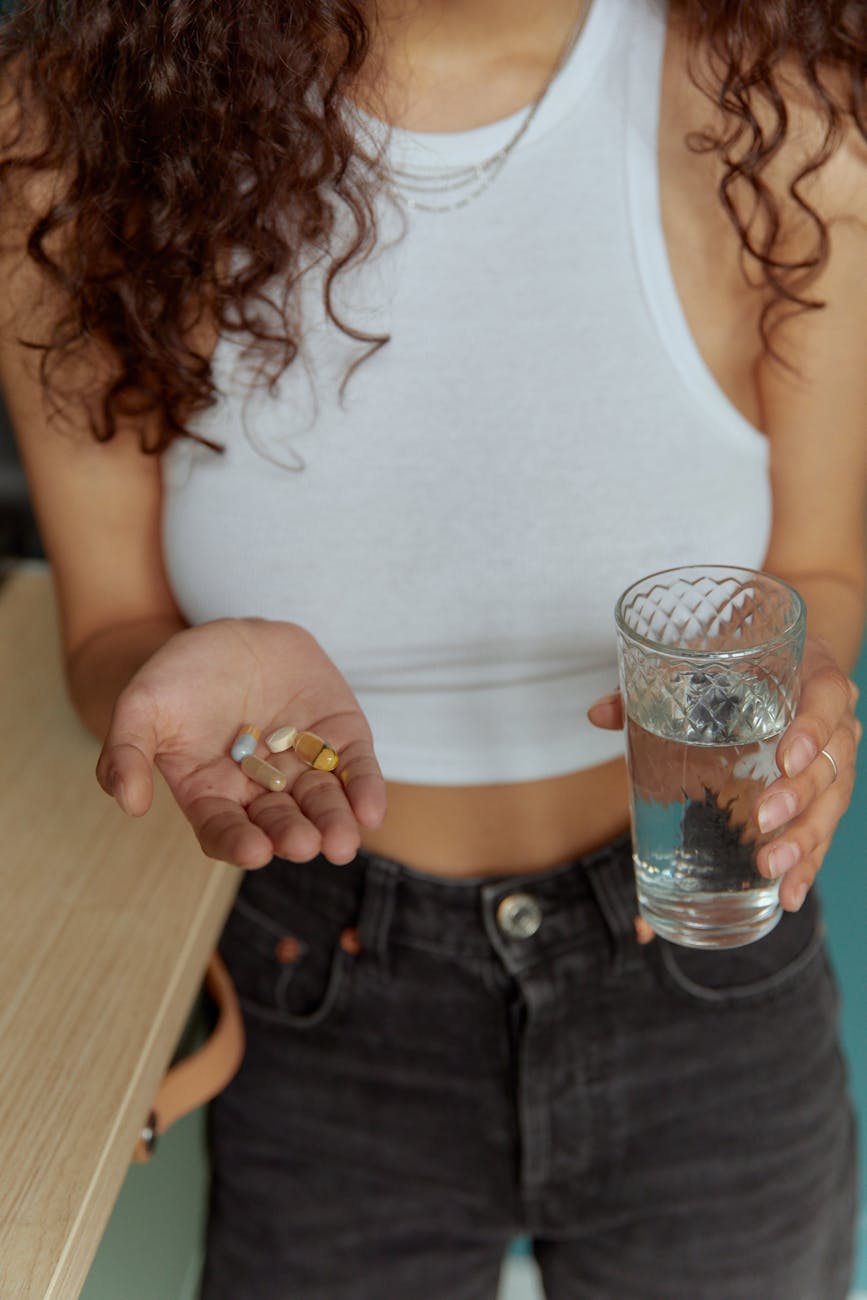
The cortisol cocktail is a very pretty stress symptom
Cortisol cocktail anxiety says more about burnout than biology. The viral drink may hydrate you, but it cannot do the work of rest.
There is a particular kind of hope that lives in a wellness drink: the cold glass, the citrus sting, the sense that if you stir hard enough your nervous system might agree to be less dramatic by bedtime. The cortisol cocktail arrives dressed exactly for that fantasy, all coconut water and magnesium powder and borrowed certainty, and I understand why it travels.
In Vogue’s latest celebration of the drink, the recipe is framed as a glossy answer to the mood of 2026: worn out, overbooked, sleeping badly, still expected to look as though you have a morning routine. The piece leans on a striking figure, 31.8 per cent of Italians said to be close to burnout because of work stress. That is the real hook here, I think. Not the salt. Not the sparkling water. The hope that exhaustion might be solved at the level of ingredients. I do not sneer at that hope. On bad weeks, I would also prefer my problem to be citrus-sized.
But the medical read is flatter, and a good deal less photogenic. In CNN’s reporting on the trend, Dr Leana Wen said plainly that there is no evidence the drink can do what the internet says it does. PBS News made a similar point earlier this year: for most people, cortisol is not a villain to be crushed by wellness content. It is a normal hormone doing necessary work.
There is no scientific evidence that this drink has the effects it purports.
Dr Leana Wen, CNN
What the glass can actually do
If we strip away the hormone theatre, the drink starts to look much more ordinary, and more sensible. Coconut water can help with hydration. Salt contributes sodium. Citrus brings flavour and some vitamin C. Magnesium may be useful for people who need it. None of that is ridiculous. It is just not the same claim as saying a mocktail can lower cortisol, which is the phrase doing the viral work.
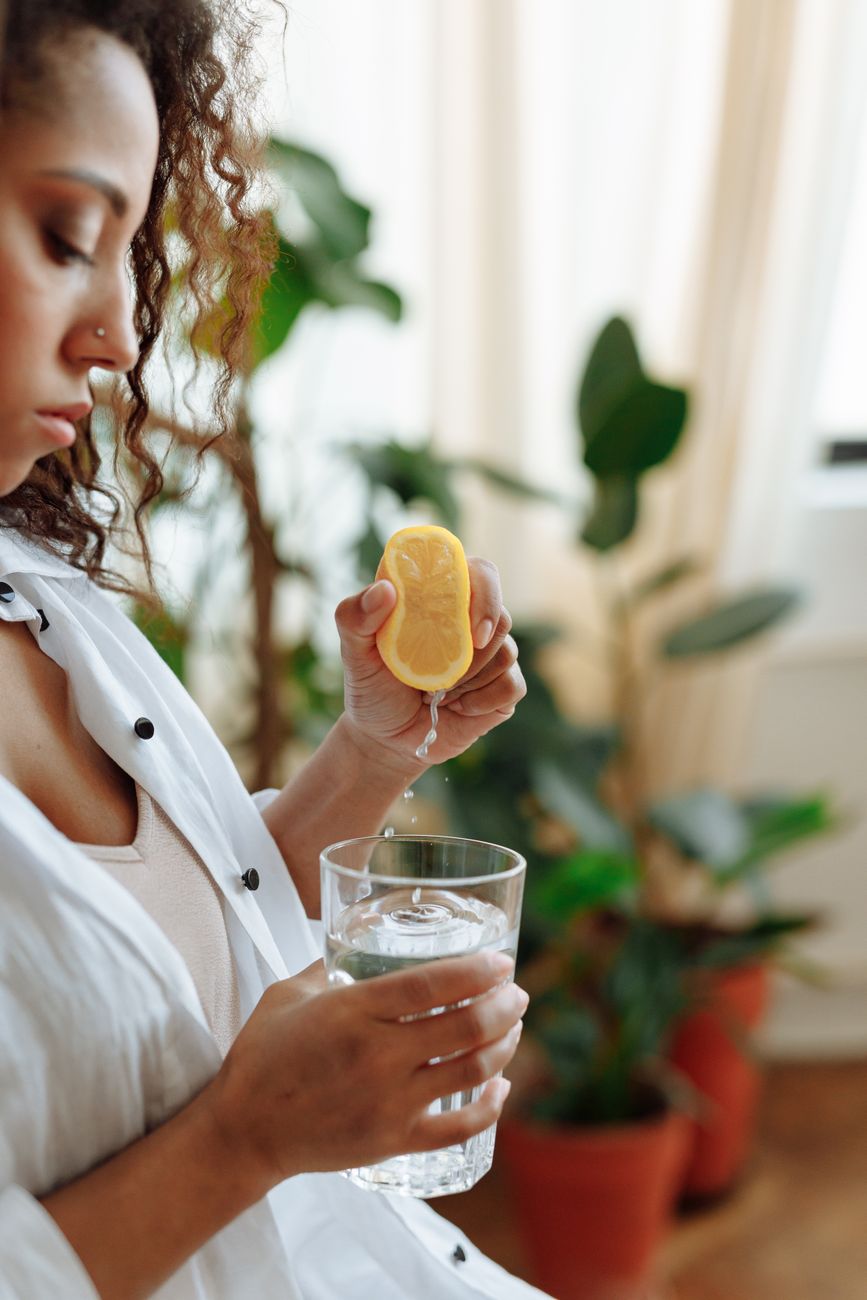
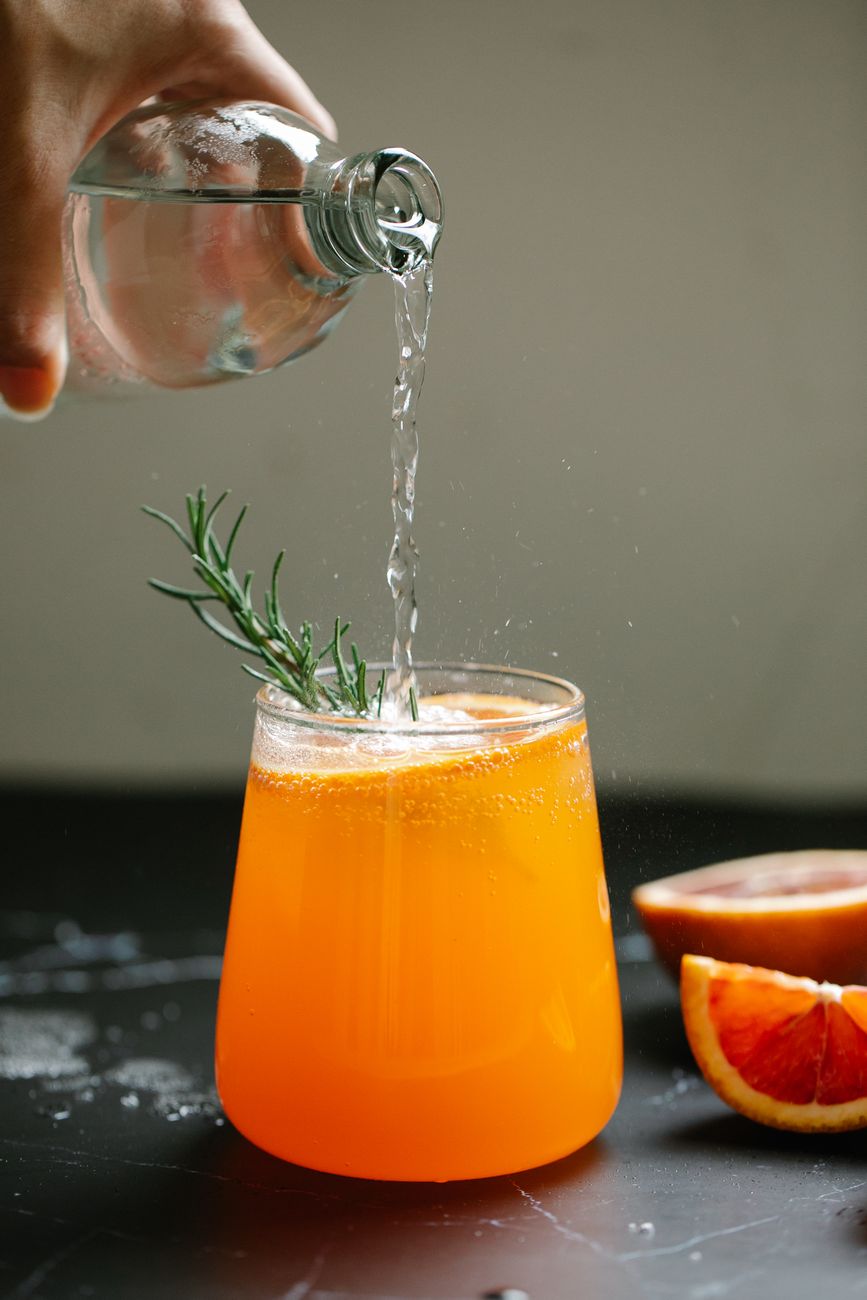
This is where the insider perspective matters. Vogue quotes nutritional therapist Maz Packham on the ingredient logic, and Beatrice Zocchi’s own summary of the formula gives the game away: sodium, potassium and sugars create a boost for the body. That sounds far less like endocrine magic than a very familiar electrolyte pitch. The cortisol cocktail is a hydration story wearing a hormone costume because hormones sell a deeper promise.
You can see the costume change all over wellness media. Bon Appetit has been ranking electrolyte powders on taste and performance; Guardian Food recently filed cortisol cocktails under the season’s food trends, calling them unproven by science, delicious nonetheless. The ingredients keep drifting back toward ordinary sports-drink territory. The branding keeps drifting toward nervous-system salvation.
That, to me, answers the first useful question in the reporting: what do coconut water, salt and magnesium actually do here? They may help you feel a bit more hydrated, especially if you have eaten badly, slept badly, flown somewhere hot or treated lunch as a coffee. They do not magically persuade a healthy body to stop producing a hormone it needs for waking, blood sugar and the basic business of getting through a hard day. If you are worried you have a real cortisol disorder, the consistent advice across CNN and PBS is not to keep tinkering with powders. It is to get properly assessed.
When a hormone becomes a mood
What interests me more is not whether the drink works in a narrow sense. It is why cortisol has become such a sticky internet word in the first place. It now functions less like a lab value and more like a social explanation for modern life: puffy face, bad sleep, second coffee, doomscrolling, the nagging sense that your body is no longer co-operating with your calendar.

That panic has been building for a while. Business Insider reported in May on people whose cortisol fear was itself becoming a source of stress. The New York Times asked in June whether hard exercise was really spiking cortisol, noting that true cortisol disorders are rare. Each piece circles the same cultural problem. We keep taking the frayed feeling of contemporary life and translating it into hormone language because hormone language sounds measurable, and therefore fixable.
Because that language sounds clinical, it also acquires the force of diagnosis. Suddenly your tiredness is not just tiredness. It is evidence. Your bad sleep becomes a clue. Your face in the bathroom mirror becomes a case file. That is intoxicating in its own way, especially for readers who have been asked to self-optimise every other part of their lives.
Joel Snape’s Guardian essay on cortisol is useful here because it refuses the usual villain story. Cortisol, he argues, is not some toxic spill in the bloodstream but part of the body’s alert system, the reason you get up, respond, move, cope. That is a much less marketable idea than the fantasy that your stress can be stirred down with a teaspoon of powder, but it is also closer to the truth.
Without cortisol we wouldn’t even get out of bed in the morning.
Joel Snape, The Guardian
Nearly half of Americans reported frequent bouts of stress in 2024. Set that beside the burnout figure Vogue cites from Italy and the shape of the trend becomes clearer. People are not silly for wanting a ritual. They are tired. A nice glass offers something structural fixes do not. It is immediate, aestheticised, small enough to manage before work.
A recipe is finite. Burnout is not. One asks for a teaspoon measure; the other asks whether the architecture of your days has become unliveable. No wonder wellness culture keeps choosing the prettier assignment.
Seen from a clinician’s distance, the pattern is familiar. People rarely arrive at hormone panic because they are vain or foolish. They arrive there because they are exhausted, frightened, busy, and being sold an explanation that feels tidier than saying their life is asking too much of them. That deserves sympathy. It also deserves better than wellness marketing with a magnesium scoop.
Spend enough time in beauty and wellness media and you see the same swap happen again and again: a structural problem gets miniaturised into a product ritual. Marie Claire Australia recently folded magnesium into an everyday-essentials wellness edit. No conspiracy required. Just the ordinary commercial logic of making distress look shelf-stable.
That is why Health’s week-long experiment with the drink felt more honest than the miracle framing. The reported changes were subjective: a sense of routine, a pause, a small feeling of being looked after. I do not dismiss that. Ritual can matter. Placebo can matter. The ten minutes in the kitchen before a crowded day can matter. But the relief comes from the pause, not from a secret hormonal off-switch.
I might be wrong, and there are worse fads to inherit than citrus, salt and water. If the cortisol cocktail gets someone to hydrate, fine. If it becomes another way to medicalise ordinary stress while leaving the sources of that stress untouched, it starts to feel bleak. The modern wellness market is very good at turning exhaustion into a shopping list. What it cannot do, however glossy the glass, is do the work of rest for us.

Brisbane-based GP turned health writer. Covers women's health, fertility and the gap between clinic and culture.
The Lifestyle Desires brief
Style, food, travel and wellbeing — weekly in your inbox.
Subscribe