What Wegovy’s pill era is asking weight-loss culture to admit
Wegovy pill access turns semaglutide into a morning routine, exposing how weight-loss culture now prefers medicine that looks ordinary.
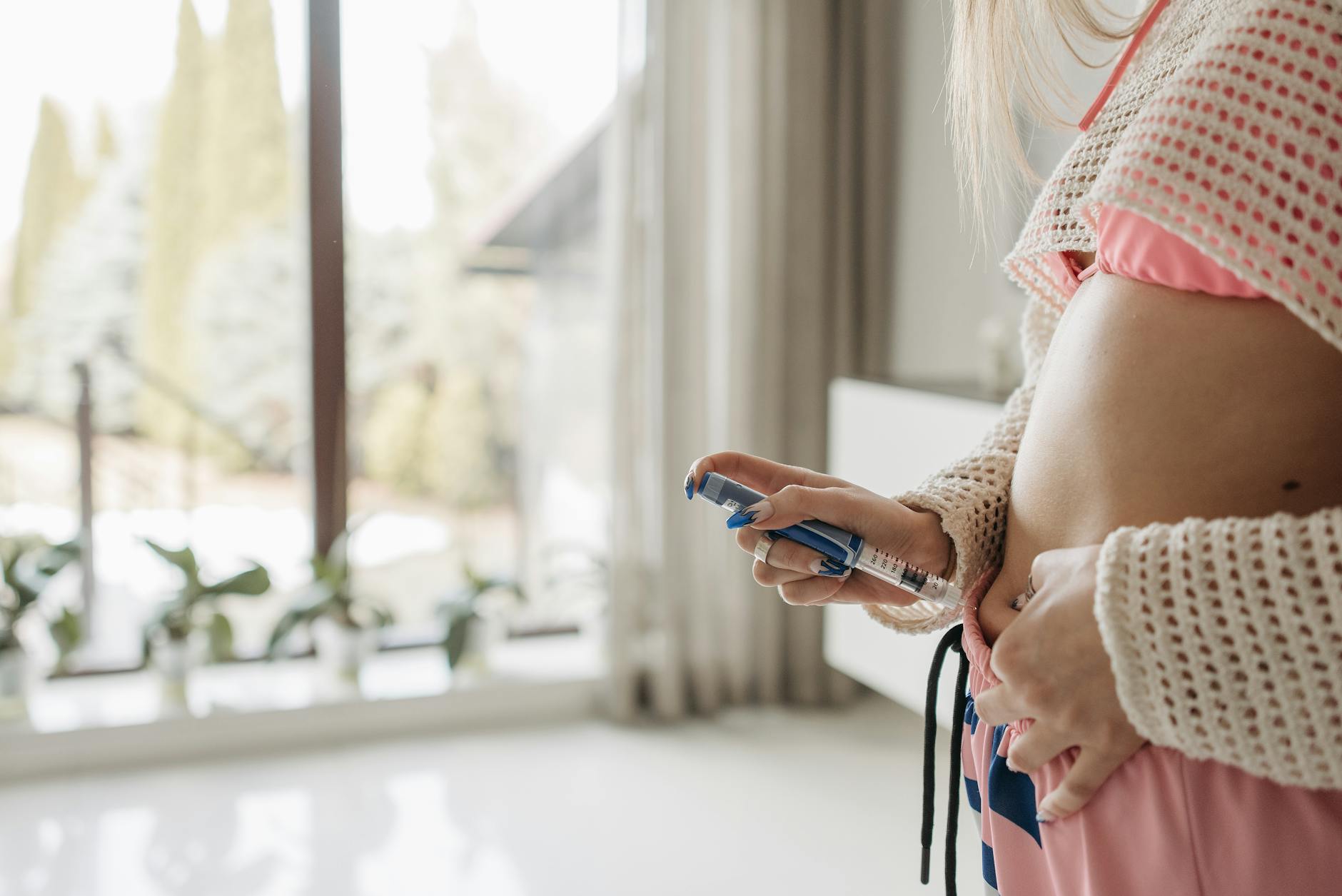
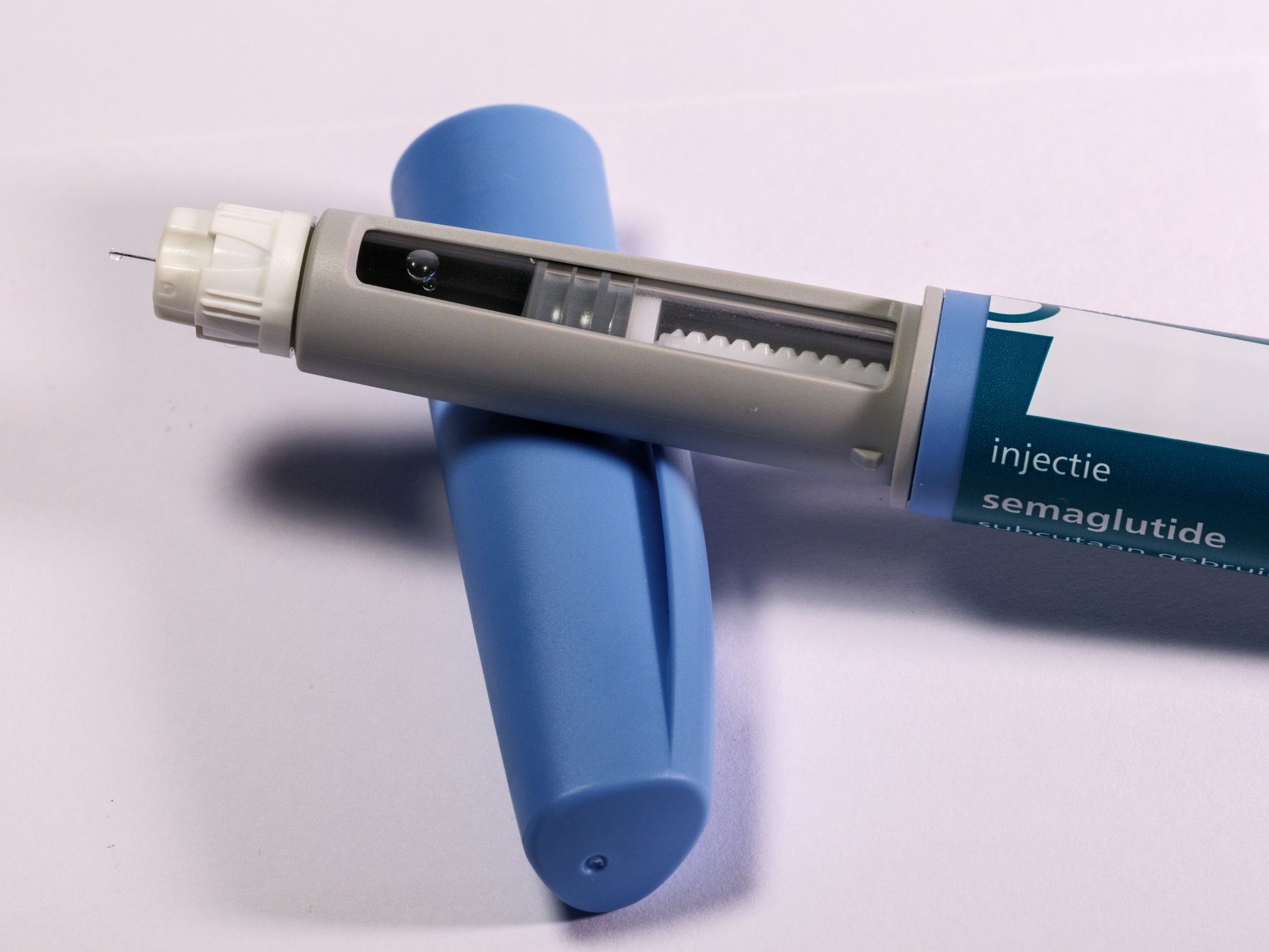
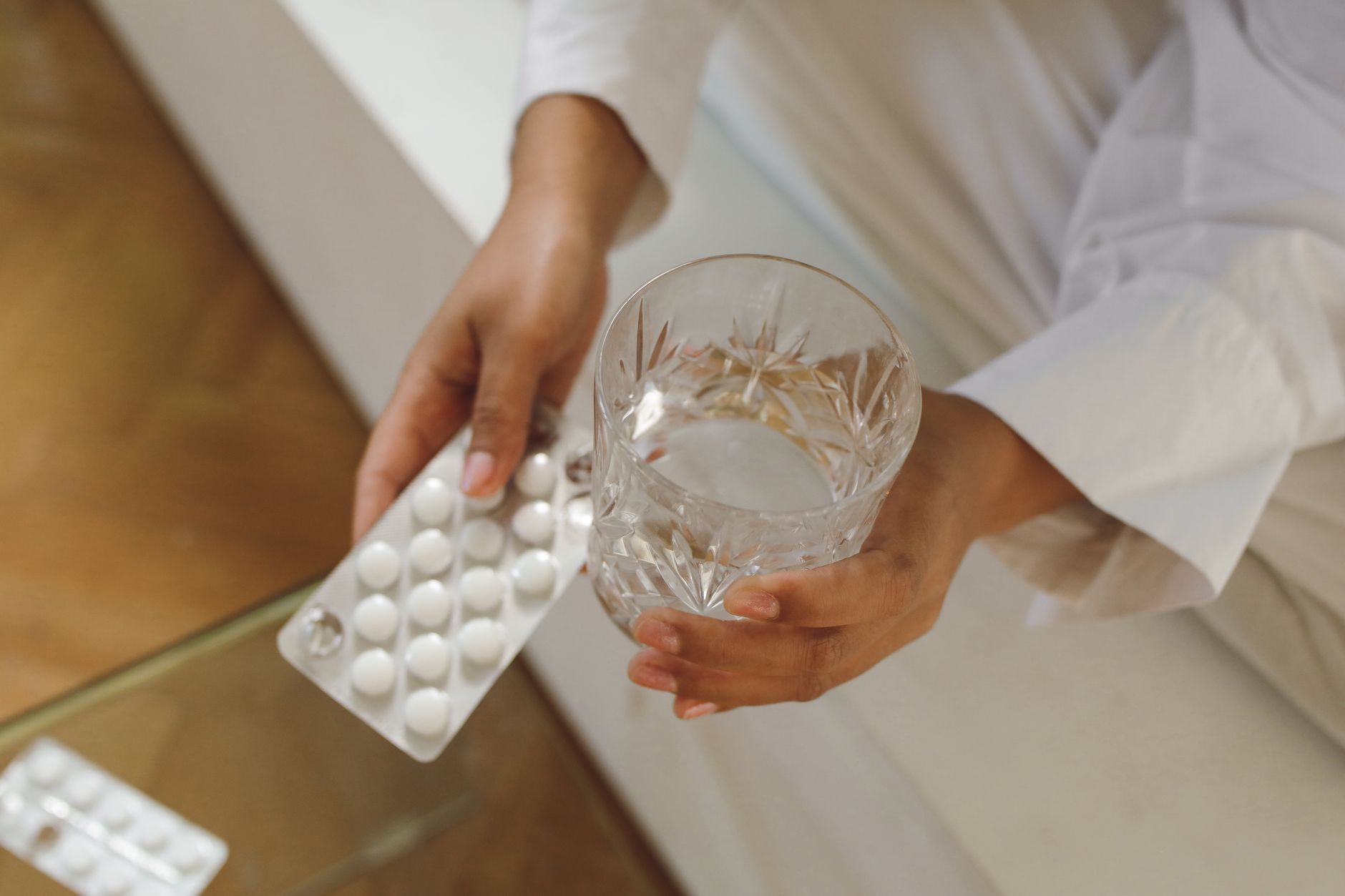
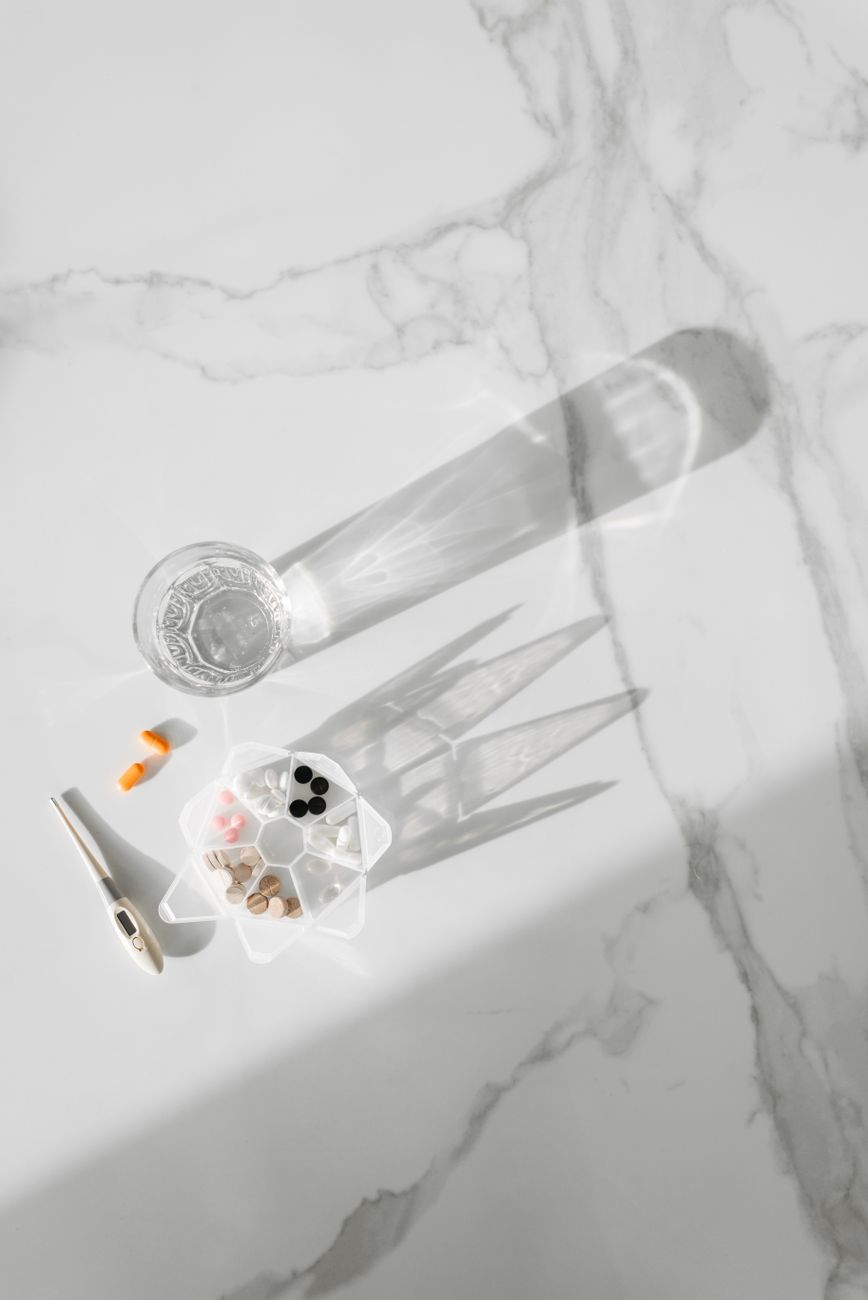
The strangest thing about the Wegovy pill is not the pharmacology. It is the scene. A weight-loss drug that once arrived wrapped in needle nerves, fridge space and the small theatre of explaining a pen to yourself can now be bought through a chemist-style checkout and folded into the same part of the morning as a glass of water, a vitamin and a promise to get out the door on time. I keep coming back to that shift because it is less dramatic than the jab, and that is exactly why it matters.
According to The Guardian’s report on the UK launch, thousands of people began receiving the once-daily pill this week through high-street and online pharmacies, while the BBC’s coverage of the tablet stressed what patients already understand instinctively: a pill feels ordinary in a way an injection never quite does. If the jab announced itself as treatment, the tablet risks passing as routine. For people who hate needles, that may feel like relief. For a culture obsessed with making weight loss look effortless, it also feels like permission.
But the analyst’s read is rougher than that. The same development that softens the ritual also widens the market before the public system has caught up. Reuters reported in June that the UK regulator approved Novo Nordisk’s oral semaglutide product ahead of NHS availability, which means convenience arrives first for people who can pay. The new normal, in other words, is still a private one.
When the medicine starts to look like a habit
As a GP, I have learnt not to confuse a less frightening treatment with a simpler life. The pill does not abolish discipline; it relocates it. The BBC notes that oral semaglutide must be taken after at least eight hours without food, then left alone for another 30 minutes before coffee, breakfast or the first distracted bite of toast. That is not nothing. It is just a quieter kind of labour than a needle.
From the insider side, the immediate win is real: patients who could not get past the injection ritual may finally start treatment. In the Guardian piece, Abdal Alvi, chief clinical officer at Simple Online Pharmacy, put it plainly:
“The Wegovy pill is a major development because it gives patients another way to access semaglutide without self-injecting.”
— Abdal Alvi, Simple Online Pharmacy via The Guardian
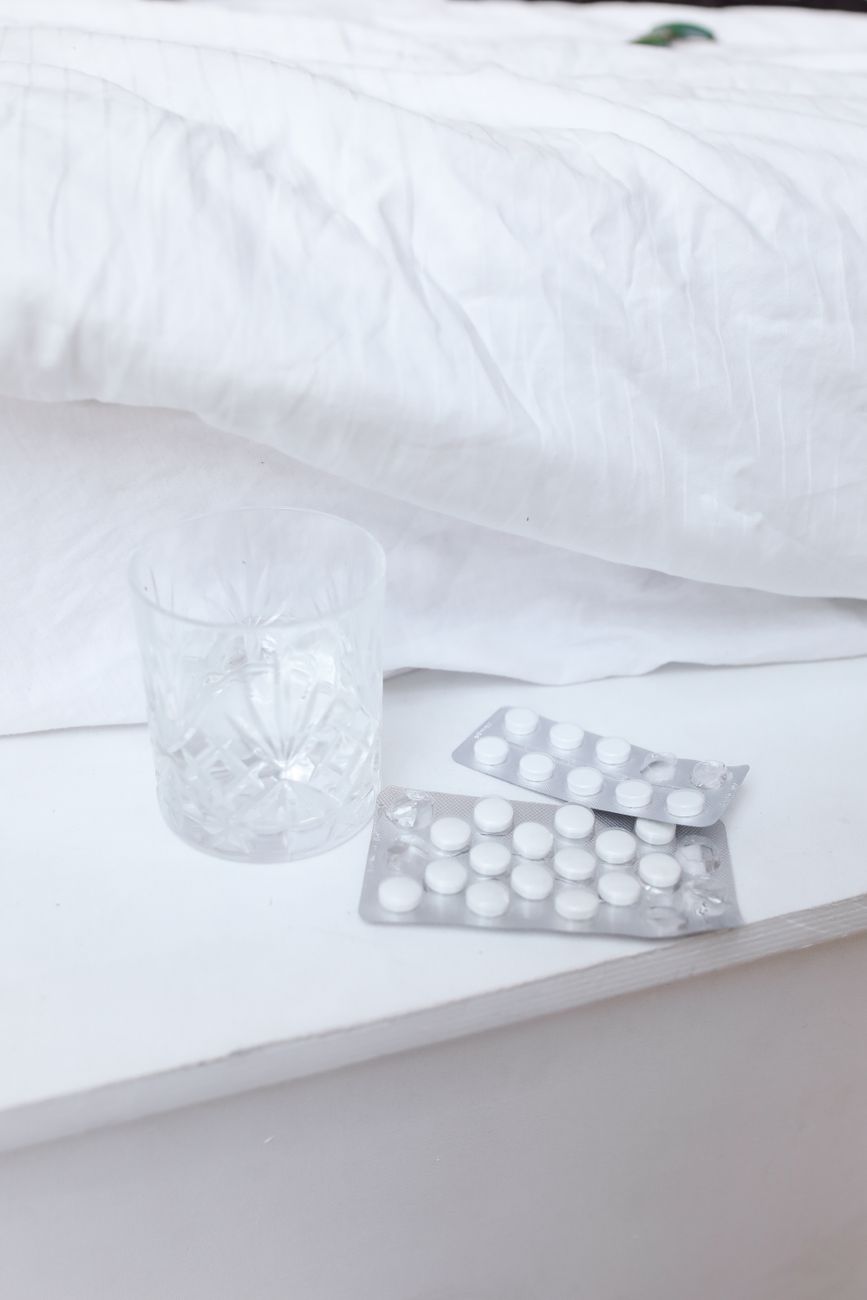
I believe him, up to a point. A tablet can reduce shame precisely because it hides the medicine in plain sight. It can sit in a handbag or beside a bedside lamp without advertising a story about appetite, willpower or failure. Yet that privacy is not the same thing as neutrality. It asks people to become the sort of person who remembers the empty stomach, the water, the waiting, the daily recommitment. We are not leaving weight-loss culture behind; we are watching it migrate from the injected body to the managed morning.
Around it, the same broader wellness arc made proteinmaxxing suddenly look respectable once GLP-1 use raised fresh anxiety about muscle loss. The social script keeps shifting: first the drug changes the body, then the market changes the rituals around the drug, then the rest of the wellness economy rushes in to smooth over the side-effects, gaps and awkwardness. Even the competition points in the same direction. Newer formulations, from Lilly’s oral entrant Foundayo to longer-acting GLP-1 shots now in trials, are all selling some version of convenience. The category is not chasing a cure so much as a lifestyle fit.
A checkout page is now part of the clinic
What worries me more is the skeptic’s perspective. Once a drug starts looking more like ordinary commerce, ordinary commerce starts behaving like medicine. WIRED’s report on GLP-1 telehealth middlemen captured that drift well: the consult gets shorter, the branding gets softer, and the space between clinical care and checkout page gets harder to see.
Sabina Hemmi, a principal designer quoted in WIRED’s piece, described the aesthetic clue better than any regulator could:
“We’re seeing a lot of vibe-coded sites.”
— Sabina Hemmi via WIRED
To me, that line explains the next phase better than any official press release. The more semaglutide blends into daily life, the more its sellers will borrow the visual language of wellness, skincare and convenience. Fewer white coats. More soft beige. More promise that this is not really medicine, just support.
Meanwhile, the cultural mood may get gentler, but the access politics do not. The pill is reportedly priced at about £2.30 a day in private UK sales, which is cheap enough to sound manageable and expensive enough to accumulate into a class marker over months. That matters. A tablet can democratise the feeling of treatment while keeping the economics exclusive. The question from the analyst perspective was whether oral access expands demand or simply moves it into a more ordinary channel. The answer, at least for now, appears to be both. Demand broadens because the format is less confronting; the channel stays selective because private purchase still sets the pace.
Elsewhere, the same tension is already visible. The New York Times recently reported on the practical questions older adults face as GLP-1 access widens, while a Guardian report on a Medicare pilot noted fears that cheaper public access could still collide with shortage pressure. That is the part private launches rarely mention. The tablet may be easier to swallow culturally, but every broader access programme still has to reckon with supply, monitoring and who gets counted as deserving.
Then the old shame story loops back into a newer risk story. If people want these drugs discreetly, quickly and without the emotional friction of asking too many questions, the market will supply exactly that atmosphere. In the same Guardian report, intellectual property lawyer Megan Rannard warned:
“There are a large number of websites that falsely claim to be legitimate online pharmacies…”
— Megan Rannard via The Guardian
Rannard is right to worry. The STAT argument for a middle-ground approach to peptide regulation is really an argument about what happens when demand outruns the institutions built to slow it down. When a GLP-1 becomes something you can imagine ordering between a serum refill and a dog-food subscription, the consumer problem is no longer only efficacy. It is legitimacy. Which sites are clinical? Which are merely well-designed? Which routines are medically supervised, and which are shopping behaviour dressed up as care?
So what is Wegovy’s pill era asking weight-loss culture to admit? Probably something a little embarrassing: that many of us were never only arguing about health outcomes or even body size. We were arguing about the social visibility of treatment. Needles looked serious. They interrupted the fantasy that weight loss could be tidy, self-authored and a bit glamorous. A pill does the opposite. It makes the intervention easier to hide, easier to narrate as routine, and easier for the market to wrap in the language of self-improvement.
Maybe the simplest reading will still turn out to be the right one: a useful new option for patients who wanted semaglutide without the jab. I doubt the story ends there, though. Once a medicine can live on the bedside table instead of in the pen case, the culture around it changes as well. Not kinder, necessarily. Just more domestic, more commercial and, in its own neat way, more honest about how badly weight-loss culture wants its interventions to disappear into everyday life.

Brisbane-based GP turned health writer. Covers women's health, fertility and the gap between clinic and culture.
The Lifestyle Desires brief
Style, food, travel and wellbeing — weekly in your inbox.
Subscribe