Why reading suddenly feels like a fashion accessory
Reading as a fashion trend now runs through Dior totes, Coach charms and celebrity book clubs, turning books into status symbols as much as stories.
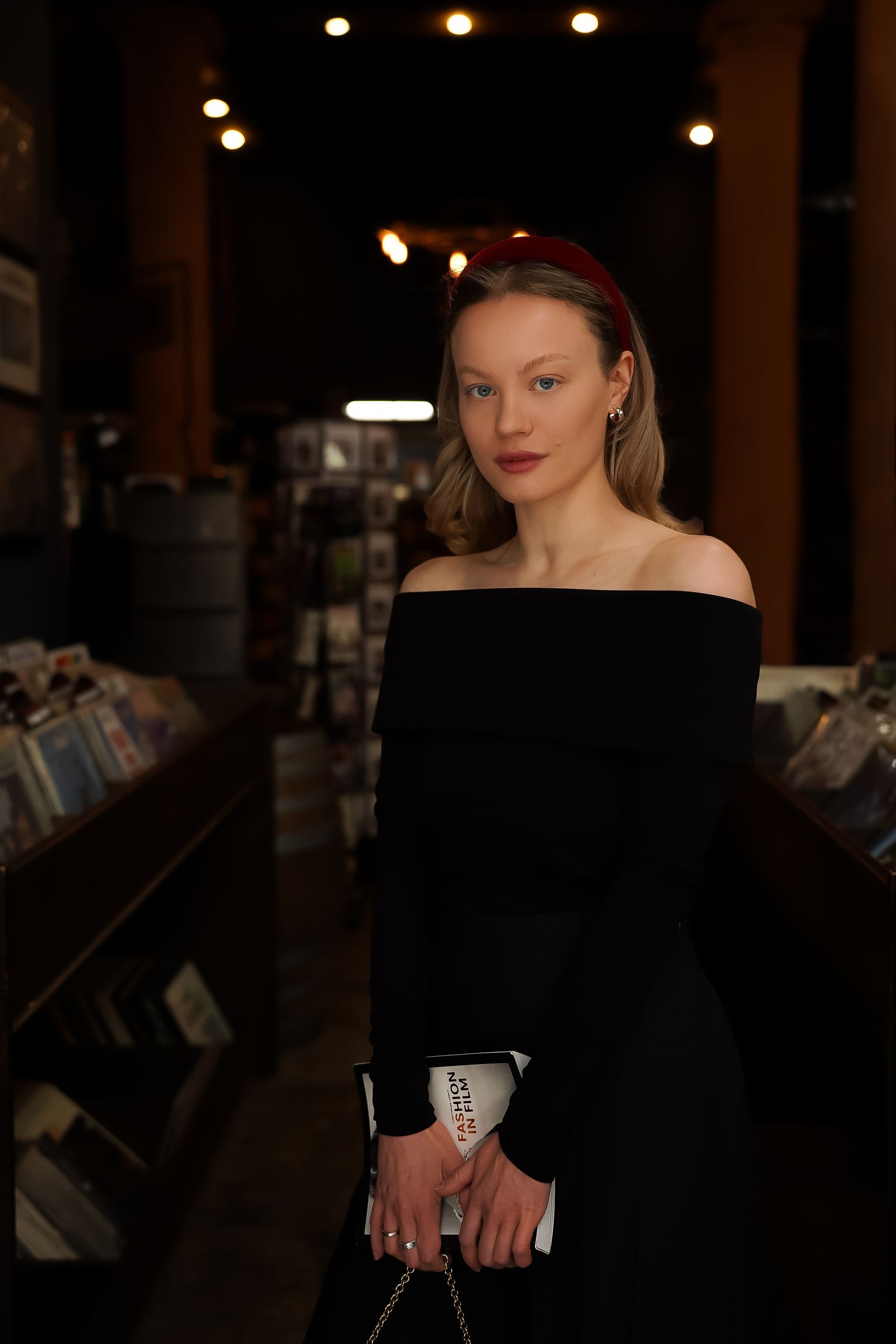
Somewhere between winter jackets and July moodboards, the paperback stopped looking like private equipment and started acting like jewellery. I noticed it first in those little staged arrangements culture keeps serving back to us: a novel beside an iced coffee, a canvas tote with a spine poking out, Jonathan Anderson’s Dior Book Covers collection using literature as surface and small proof of inner life. Fashion has always borrowed anything that can be turned outward. The stranger part is that reading, of all the habits we usually do alone and a bit badly, has become visible again.
Being seen is the trick. Coach’s miniature Penguin charms and Dua Lipa’s Manifesto Library are not really selling plot or syntax. They sell a silhouette: the person who reads, or at least the person who can arrive with a marked-up paperback, a favourite sentence and a club to belong to. I understand the pull. So much taste now is flattened by screens, thumbnails and recommendation sludge that even a dog-eared spine can feel newly intimate.
From the sceptic’s chair, the evidence looks thinner. In The Atlantic’s argument about Dua Lipa’s banned-books library, the glamour of literary activism sits beside a rougher question about audience, access and performance: who is this display of taste actually for? That is the knot under the soft-focus bookishness. A novel on a table can signal seriousness, flirtation, class aspiration, anti-algorithm virtue. None of that is quite the same thing as reading.
The cover faces out
The currency is prestige, not paper. The Guardian’s reported piece on the rise of the “hot literati” and The Indian Express’s reporting on fashion’s literary turn arrive at roughly the same place: being seen with a book now carries social value, especially when celebrities and brands keep staging the sight line for us.
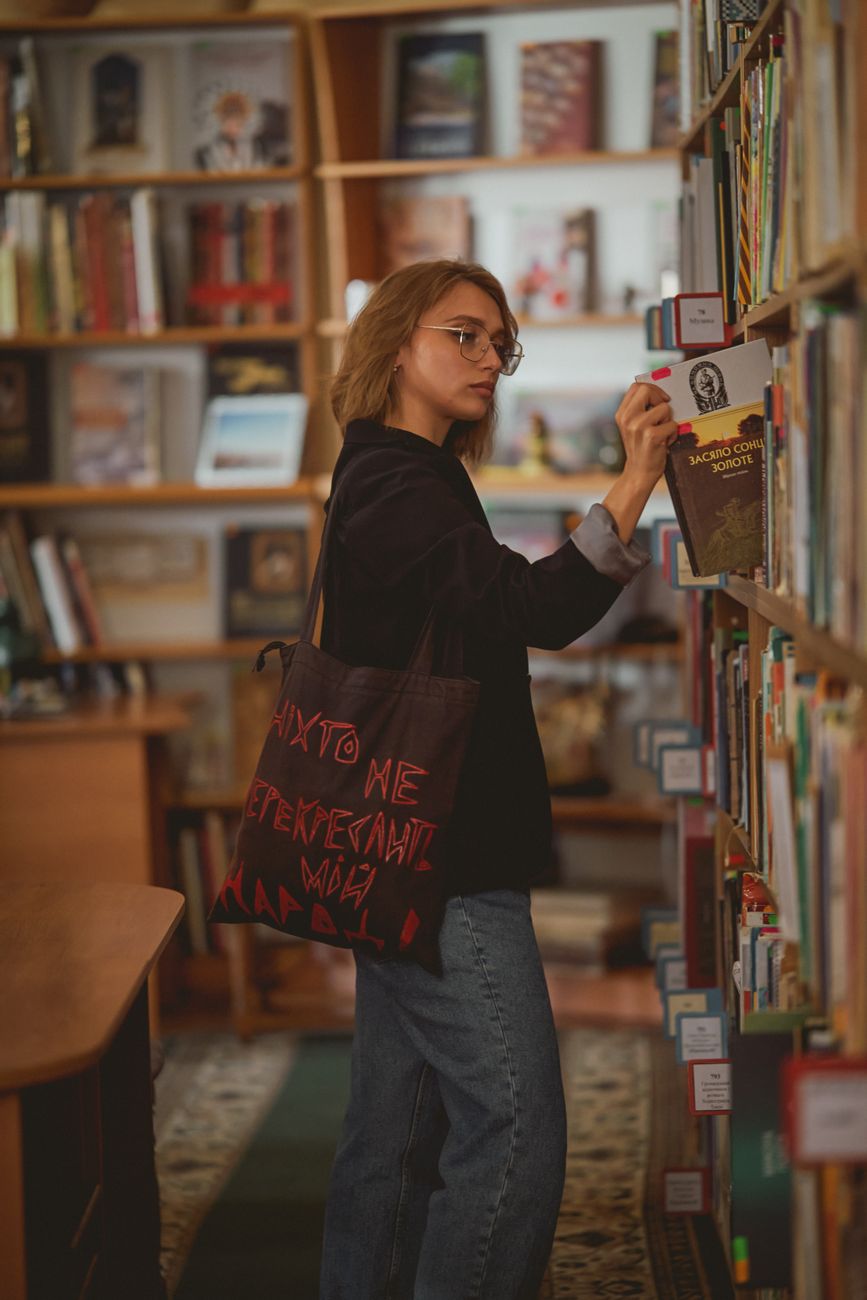
Kathleen Schmidt, a brand strategist quoted in The Indian Express, said that within the past couple of years reading had become fashionable, with carried books turning into status symbols for celebrities and influencers. The fashion industry, she argued, is simply responding.
I find the performance more revealing than the object. Plenty of status markers are loud. A book hints at an interior life while still working as a public prop, which is useful currency in a culture exhausted by sponsorship disclosure and over-explained personal branding. The book says: I am thoughtful, but casually. I have taste, but not only the shopping kind.
There is also a dating-app residue hanging around the whole thing. In June, The Guardian’s “Booksmaxxing” piece asked whether people actually loved books or simply liked what books suggested about them. The question has followed the trend into merchandising. Once a paperback becomes an accessory, the cover faces out for the same reason a label does. Other people get to do the reading first.
An old trick in a nicer box
I do not think this is as sudden as the current coverage makes it sound. Fashion has been making literature wearable for years. Olympia Le-Tan’s embroidered book clutches were already fetish objects in 2009, and they worked because they treated the classic cover as citation and costume at once. Scale is the change. A niche, slightly knowing accessory grammar has been picked up by bigger brands with much hungrier distribution.
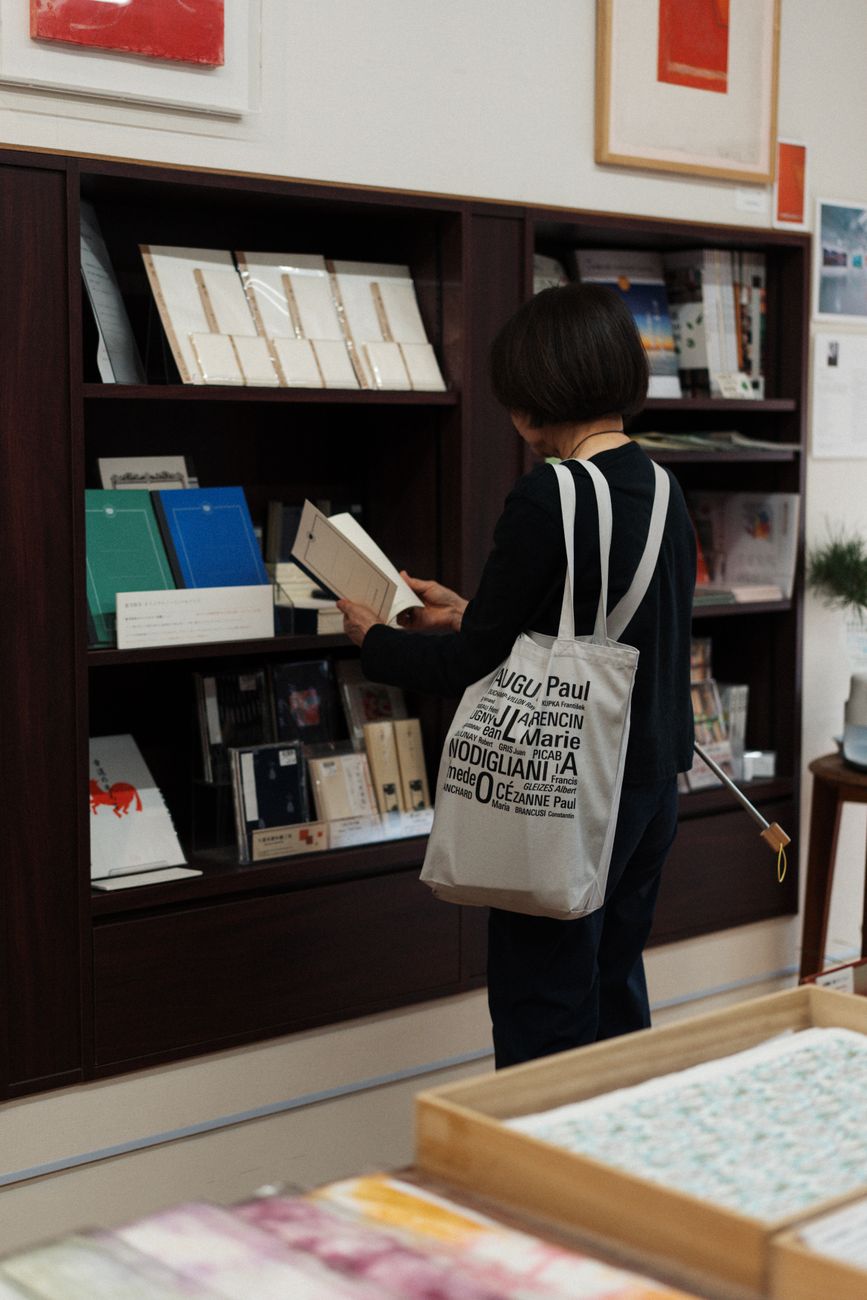
Seen that way, Coach’s $95 book charms matter as much as Dior’s $3,600 bookish tote. The prices live in different universes, but the cultural proposition is the same: literature can be cut, stitched and carried. Even when the object is technically readable, its first job is to look right on the bag.
For brands, that is not automatically cynical. It is efficient. Vogue Business’s analysis of how Coach sold the product suggests the campaign’s real achievement was not convincing shoppers to become readers. It was persuading them that literacy, or at least literary adjacency, could freshen a familiar luxury script. Logos feel tired. “Quiet luxury” feels tired. Even virality is starting to look cheap. A book still carries old-world weight.
Authenticity depends on whether the item plugs into a believable mood: slower, tactile, self-possessed, faintly anti-screen. You do not need to think Coach is saving literature to see why the image works. You only need to recognise a consumer who is suspicious of empty gloss and looking for props that imply depth.
A club, a queue, a little belonging
The trend becomes sharper when it moves from object to community. Dua Lipa’s Manifesto Library, with its 100 banned-book titles, Kaia Gerber’s Library Science orbit and Miu Miu’s offline Literary Club events all sell something more social than a charm or tote. They sell the idea that reading might organise a room again.
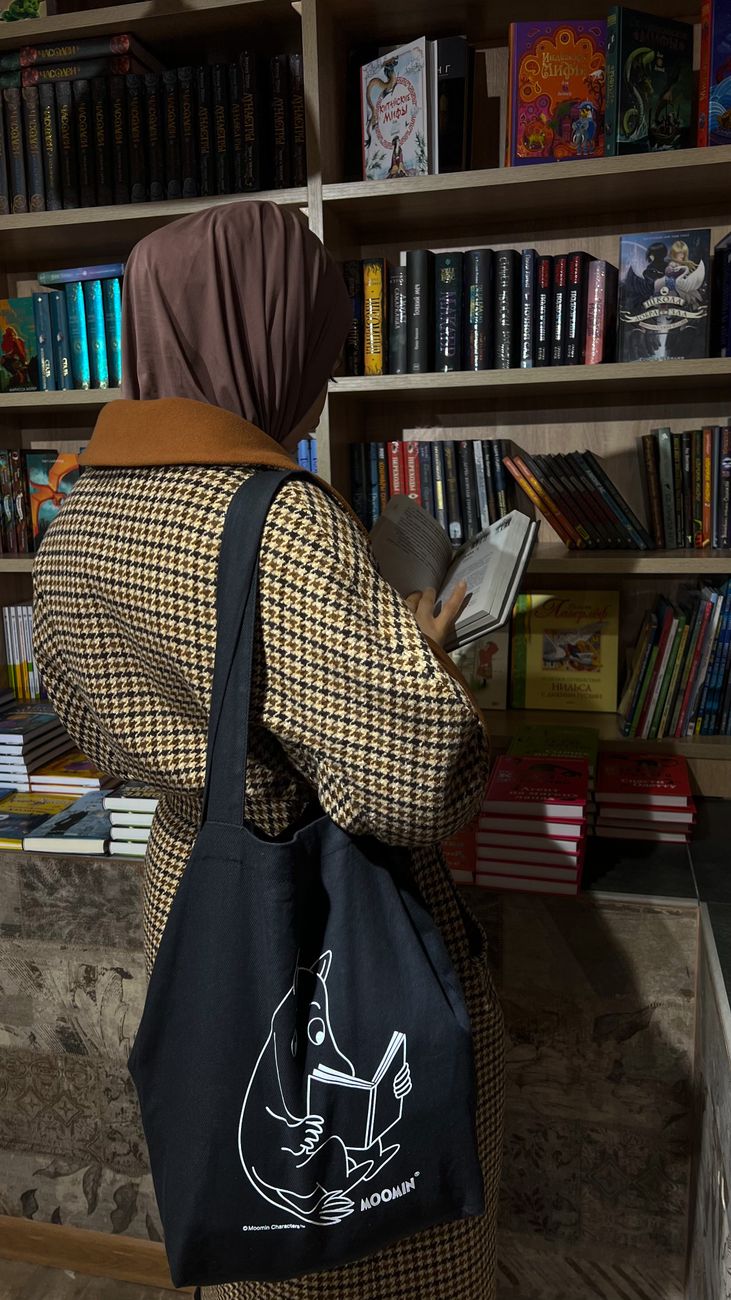
This feels like more than retro styling because it answers fatigue with ritual. Olivia Ho, writing in The Straits Times, gets close to the emotional centre of it:
“We want to be able to hold something in our hands and tell ourselves it’s real.”
Source: Olivia Ho, The Straits Times
To my mind, the appeal is not literature alone. Too tidy. Books are useful now because they are analogue, slow and stubbornly material at the exact moment digital culture feels weightless and synthetic. After months of AI summaries, auto-generated moodboards and algorithmic sameness, a hardback with pencilled notes in the margin looks almost defiant. More than a text, it is evidence that someone sat still.
Joon Silverstein, quoted in The Indian Express, makes the generational case directly:
“Gen Z is returning to books and long-form storytelling as a way to slow down, make sense of themselves, explore who they are, and feel connected to others.”
Source: Joon Silverstein, The Indian Express
Polished as that quote sounds, it answers one of the better questions in this story: what would make a fashion-led reading event feel like real community rather than a brand activation in nicer knitwear? Not curation alone. The book has to remain the point after the photo is taken. A queue for a literary club can still produce actual readers. A branded library can still place hard books in soft hands. Motive matters less to me than what happens next.
The part I can’t quite shake
My sceptic side keeps circling back. Once literature becomes design language, something is lost. Covers become patterns. Authors become shorthand. A difficult novel gets reduced to a flattering signal about the person carrying it. The Atlantic’s criticism of the Dua Lipa library project is useful here not because it spoils the fun, but because it keeps asking who is served by the performance of seriousness.

A class story sits underneath it too. The fashionable book is usually the right imprint, the right edition, the right club, the right picture of effortlessness. Displayed reading can be oddly narrow even when it claims to be expansive. You can feel the tension between a genuinely messy reading life and the immaculate literary moodboards now circulating through fashion coverage. Real reading is dog-ears, missed chapters, underlining you regret, library due dates, a tote with receipts and sunscreen at the bottom. A merchandised reading aesthetic smooths all of that away.
Still, I cannot fully sneer at it. Culture has always had gateways that look a bit silly from the outside. A film poster sends someone to a cinema. A soundtrack sends them to a composer. Sometimes a beautifully made object, even a slightly preposterous one, sends a person back to the source material it borrowed from. CBC’s reporting on the fashion industry’s latest book accessory phase leaves room for that possibility, and I think the optimism deserves at least a little space.
Maybe that is where I land. The book as accessory is obviously a performance. So is nearly everything else fashion touches. But this performance has better side effects than most. If a Dior tote or a Coach charm makes literature look chic, fine. The aesthetic may be shallow, the motives may be mixed and the branding can be unbearable. Still, if even a fraction of that theatre nudges people towards the slower, lonelier, more demanding pleasure of actually reading, I find it hard to call the whole thing empty. A book on a bag is not the same as a book in the bloodstream. It might, however, be one of the last fashionable props that still points beyond itself.

The Lifestyle Desires brief
Style, food, travel and wellbeing — weekly in your inbox.
Subscribe