When fashion history turns up in a garment bag
Isle of Monday vintage rental offers borrowed access to archive fashion, but the real lure is how a worn garment can still feel improbably personal.
The fantasy is easy to picture. A Tom Ford-era Gucci blazer shows up in a garment bag, faintly cedar-scented, with a note about where it has been before it gets to you. You wear it to dinner in Surry Hills. Maybe to a gallery opening where everyone is pretending they haven’t clocked the labels. For one evening your outfit has a past older than the booking.
That is what sits behind Isle of Monday, the vintage rental platform Vogue profiled this week. Not just clothes. Access to fashion history. The kind that has mostly stayed in climate-controlled storage, on celebrity stylists’ pull racks, or inside the wardrobes of women rich enough to treat archive Alaïa like Wednesday office-wear.
But the thing that makes the idea seductive is also the thing that makes it slippery. Archive fashion has become a taste signal in 2026. A way of saying you know the difference between old and merely secondhand. Between a garment with provenance and one with a tidy story tacked on later. Rental could widen that circle. Could also turn knowledge itself into another luxury tier. I’m not sure which one it is yet.
Seen that way, Isle of Monday is more interesting than a neat launch story. It is a service, yes. It is also a small argument about what women want from clothes now: memory, not just novelty. Access, not another overfilled rail. The feeling that what they wear has already lived a life. In a season when vintage stores are being treated as fashion’s real front row, a platform that turns the archive into a bookable calendar feels less eccentric than inevitable.
The garment has to survive the night
The founders, Gabriella Carota and Janelle Gray, are not really selling nostalgia. They are selling confidence in the hand-off. WWD reported at launch that Isle of Monday opened with roughly 200 items, a 30,000-person waitlist and 25,000 active beta users. Which is another way of saying the appetite for rare clothes is already here. The harder question is what can actually survive being loved by strangers.
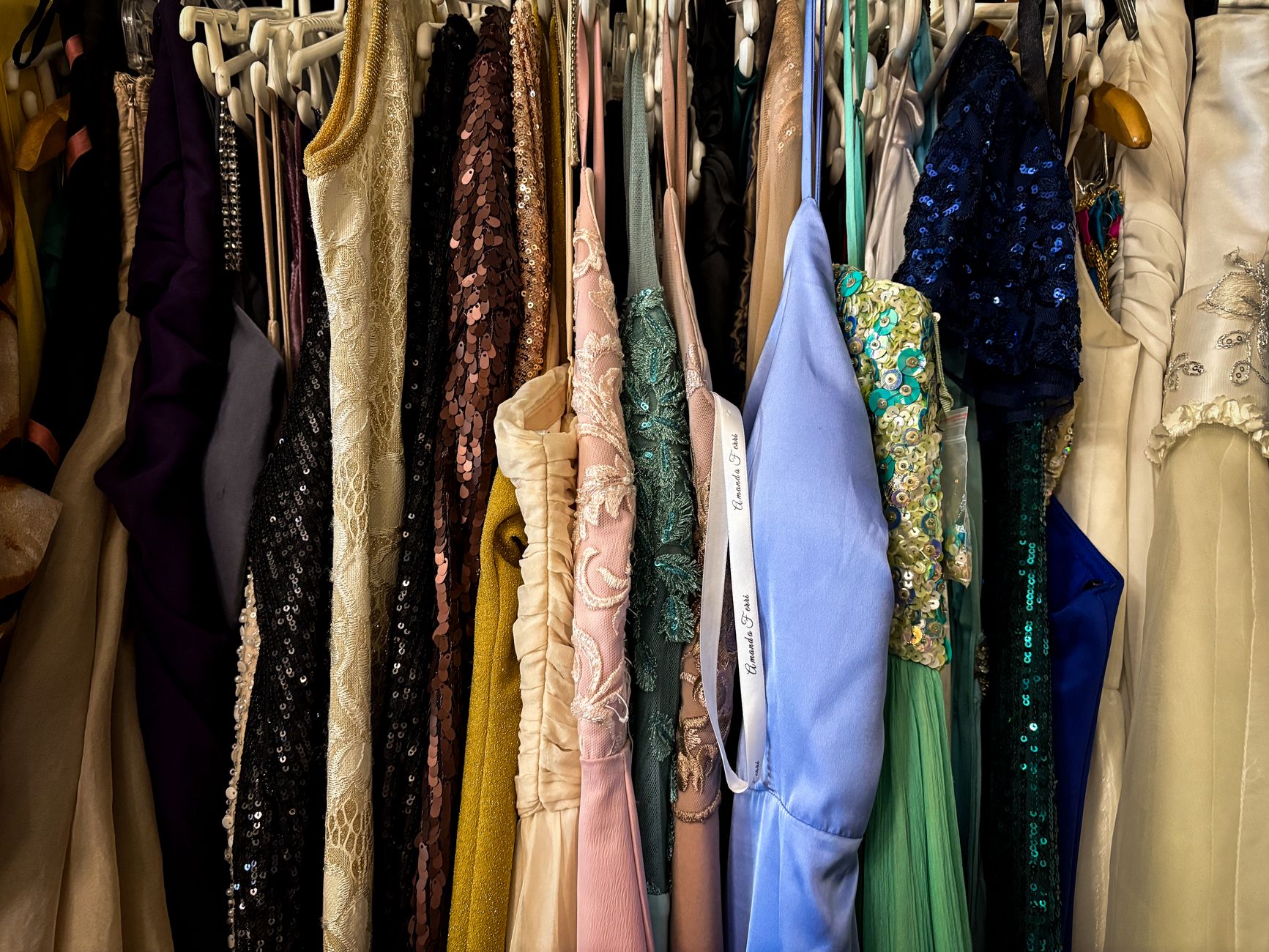
Inside the business, that matters. Vintage resale can be romantic because the transaction ends at checkout. Vintage rental has to think about hems, perspiration, weak seams, missing hooks. Transport, insurance. The quiet panic that comes with posting a one-of-one dress back to its owner on a Monday morning. Fashion, sure. But mostly operations.
“Rental changes the equation entirely. Instead of one person owning a piece forever, dozens of women can experience it over time.”
— Janelle Gray, Vogue
What makes that line persuasive is that it answers the emotional part first. If you have ever wanted the thrill of a deeply specific piece without the mortgage-sized outlay, rental sounds almost civilised. Yet Gray’s question carries a second one inside it: which garments are sturdy enough, desirable enough and legible enough to keep their magic after the fifth wear? The fifteenth?
Carota has said in Isle of Monday’s own note on selection that the team keeps returning to a blunt test: would someone still feel excited to wear the piece now, not just admire it as a museum object? That sounds obvious until you remember how much archive fashion is sold as homework. Knowing the year matters. Knowing the designer’s mood board matters. But so does whether the dress still swings when you move.
Gabriel Held, the vintage dealer working with the platform, makes sense in that context. The point is not to flatten provenance into content. It is to let provenance travel with the garment without becoming so precious that the garment stops being wearable. The archive only works as a wardrobe if somebody is willing to spill a martini near it.
Taste has become a research project
The analyst question is less about logistics than social meaning. Why does archive dressing feel so charged right now? Part of it is the ordinary fatigue of endless newness. Celebrity style has also spent the past twelve months quietly training the eye back towards clothes with a before-life. Bella Hadid’s vintage-heavy Cannes wardrobe, Taylor Russell’s early festival looks, even Australian Fashion Week street style — they all carry the same message. The interesting outfit is not necessarily the newest one.
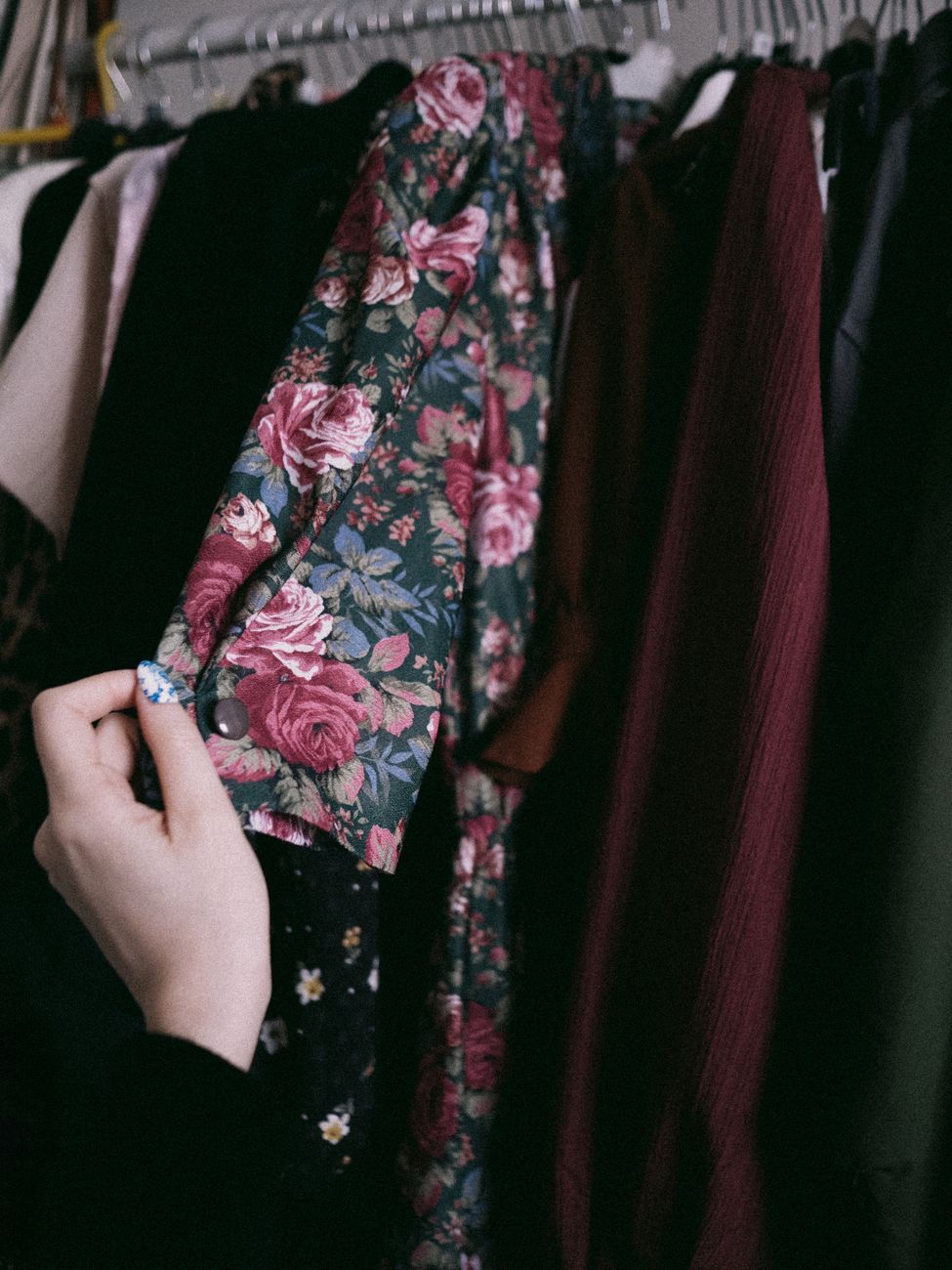
There is something mildly comic about how much contemporary style now depends on looking as though you found your clothes accidentally. Even when a lot of money and expert sourcing sit behind that effect. Archive rental sits right in the middle of that contradiction. It offers access without ownership. That sounds democratic until you look at the prices and remember that access still has a cover charge.
WWD reported rentals running from about $50 to $1,650, usually around 15 to 18 per cent of a piece’s resale value. That does meaningfully widen the audience compared with buying the garment outright. Especially if the alternative is a five-figure vintage purchase. It also means the service is not aimed at the woman who wants a cheap dress for Saturday. It is aimed at the woman who cares enough about the distinction between old Prada and the right old Prada to pay for that distinction temporarily.
Fashion has always rewarded literacy. What has changed is the object of study. Ten years ago the status move was getting the new bag before everyone else. Now it may be recognising the old bag in the first place. Understanding why a Tom Ford-era jacket lands differently from a generic Nineties blazer found on a resale app at 1am.
“We ask ourselves one question: would someone be excited to wear this?”
— Gabriella Carota, Isle of Monday
That answers the user-side question too. A borrowed archival piece can feel more personal than a new purchase because it arrives already thick with meaning. Someone else chose it once. Somebody kept it. Somebody decided it was worth repairing. By the time it reaches you, the garment is not blank. You get to step into the story halfway through.
The romance still has a spreadsheet
The skeptic’s objection is not killjoy pedantry. It is the adult question. Fashion rental is often spoken about as though circularity arrives the moment a parcel leaves the warehouse. But the environmental case depends on repetition, distance, cleaning and damage rates. A 2025 systematic review of fashion rental adoption published in Frontiers makes the point plainly: rental only outperforms ordinary consumption when utilisation is high and the washing and transport around each wear are handled carefully.

Vintage rental makes that calculus even touchier. One-of-one garments do not behave like a fleet of identical black blazers. They need specialist cleaning. Repairs that do not erase the original line of the piece. Packaging that protects but does not become absurdly wasteful. Customers who treat them as garments rather than props.
“Vintage rental requires a completely different operational model than modern fashion rental.”
— Gabriella Carota, Vogue
Maybe that is the most useful sentence in the whole launch cycle. It resists the easy sustainability halo. The platform’s appeal is real, but its environmental upside is conditional. If a service like this works, it will work because the operators are careful to the point of obsession and because customers accept that access comes with rules. The romance, in other words, still has a spreadsheet underneath it.
To my mind, that does not weaken the story. If anything it improves it. Too much of the conversation around conscious fashion has been sold in a tone of moral purification — as though the right checkout choice can wash away the messiness of wanting beautiful things. Rental is messier than that. It is compromise wearing good fabric.
Borrowing a past life
The user-affected perspective is the one I keep coming back to. It gets closest to what clothes are actually for. Most of us are not trying to build museum collections. We are trying to get dressed for weddings, parties, work trips, first dates, awkward family birthdays. The strange semi-formal events that multiply as soon as you enter your thirties. A piece with provenance changes that ritual. It can make getting dressed feel less like acquiring and more like borrowing a mood. Or a tiny piece of cultural memory.
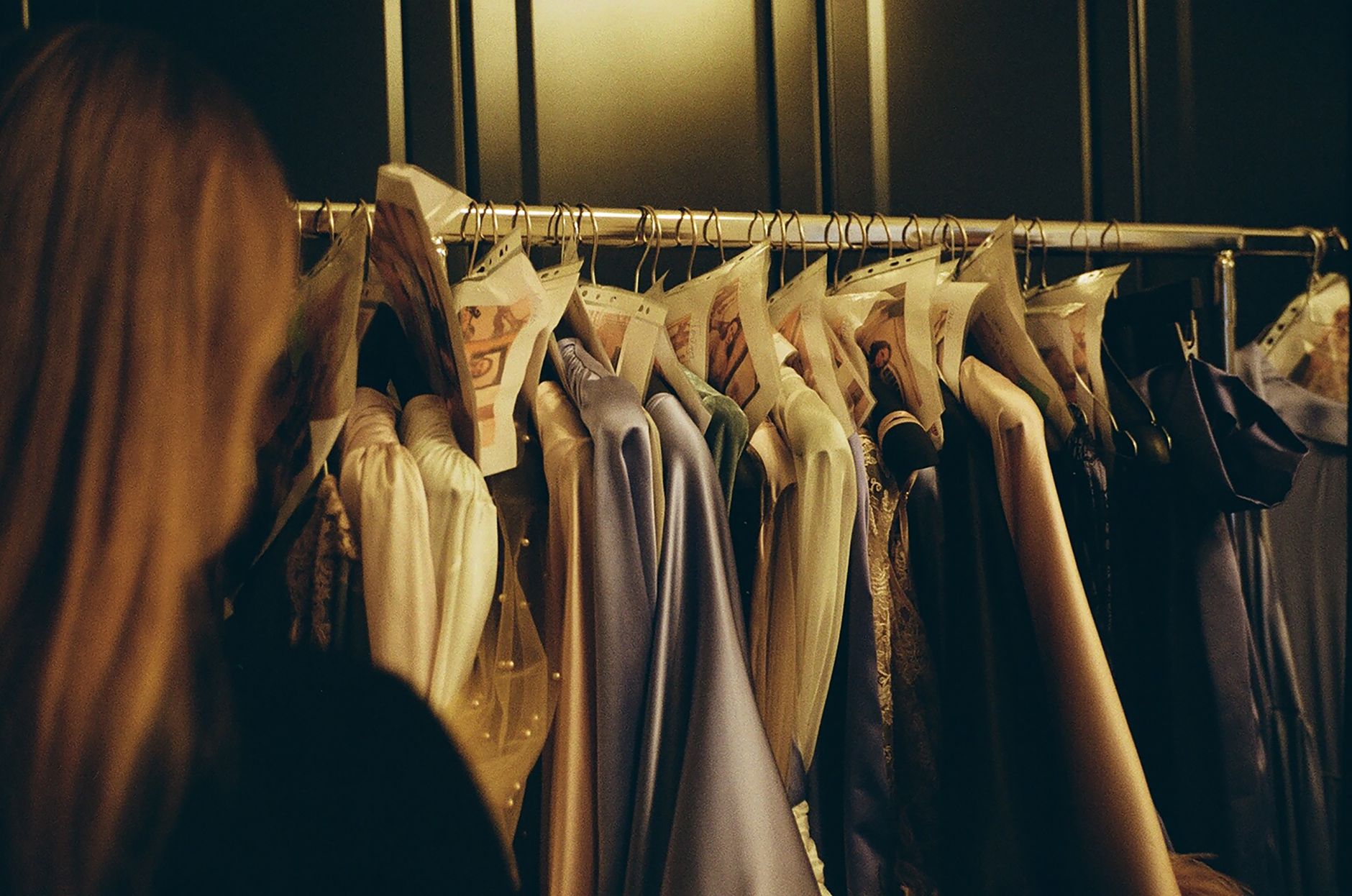
Part of what makes Isle of Monday timely is that it arrives when wardrobes are starting to look like edited archives rather than shopping trophies. Taste is increasingly measured by how well you can place a garment inside a lineage. The service does not abolish exclusivity. Nothing in fashion ever quite does. But it does loosen ownership’s grip on the fantasy.
There is a nice contradiction in that. Rental is supposed to be temporary — almost anti-sentimental. Yet the whole charm of archive dressing is that it refuses to behave like disposable fashion. You send the piece back, yes. Still, for one night, or a long lunch, or an over-dressed Wednesday, you get to inhabit somebody else’s excellent decision.
Perhaps that is the sharpest answer to whether this is only novelty. Novelty burns off quickly. Belonging does not. What Isle of Monday seems to understand is that women are not only renting the garment. They are renting proximity to fashion history. And perhaps a version of themselves that feels a little more composed, a little more legible, than the person usually staring into the wardrobe at 7.12pm.
I might be wrong, and the whole thing may settle into a niche for collectors and very online stylists. Even so, the mood behind it is real. The most interesting fashion stories at the moment are not about invention from scratch. They are about retrieval, repair, memory and the private thrill of wearing something that has already survived the first round.

The Lifestyle Desires brief
Style, food, travel and wellbeing — weekly in your inbox.
Subscribe