Seersucker is making linen feel slightly uptight
Seersucker summer style works because the fabric stays sharp in heat, shrugs off linen's creases and now suits looser, easier tailoring.
I bought my first seersucker shirt in a Tokyo department store in February, which is a faintly absurd month to buy summer clothes unless you are the sort of person who enjoys planning a season before your body can feel it. Blue and white, the shirt was puckered just enough to look awake. I told myself it was an indulgence. By November, I had bought three more, because once you have lived through a humid day in a fabric that lets air in and panic out, linen starts to feel a touch theatrical.
That, I think, is the real force behind Jabari Sandifer’s case for seersucker in GQ. He’s not selling nostalgia so much as relief. Summer dressing for men has spent years trapped between two bad options: crisp poplin that goes rigid by lunch, and linen that looks romantic for about eleven minutes. Sandifer puts it more plainly: he wants to be comfortable in balmy weather and still feel sharp. So do most people. They just haven’t clocked that seersucker was the fabric that could do both.
Flip the page, though, and the analysts are asking a different question. FashionBeans’ guide to seersucker and The Telegraph’s heatwave case for the cloth care less about seduction than behaviour. Does this thing actually wear better than linen, or are we only charmed by the stripes and the old-money ghost of it all? The question lands, because seersucker has always had a costume problem. If it only works when attached to a mint julep fantasy, Australians are right to leave it on someone else’s veranda.
My own answer surprised me. Seersucker isn’t superior to linen in every setting. Linen still has the better flop, the louche glamour, the holiday arrogance. Yet seersucker asks less of you. Shape is what it keeps. Wrinkles arrive, yes, but with some self-respect. Cut it into a shirt, a loose trouser, a carry-on jacket, even an overshirt, and it still reads like ordinary life rather than a resort brochure.
The shirt I thought I’d regret
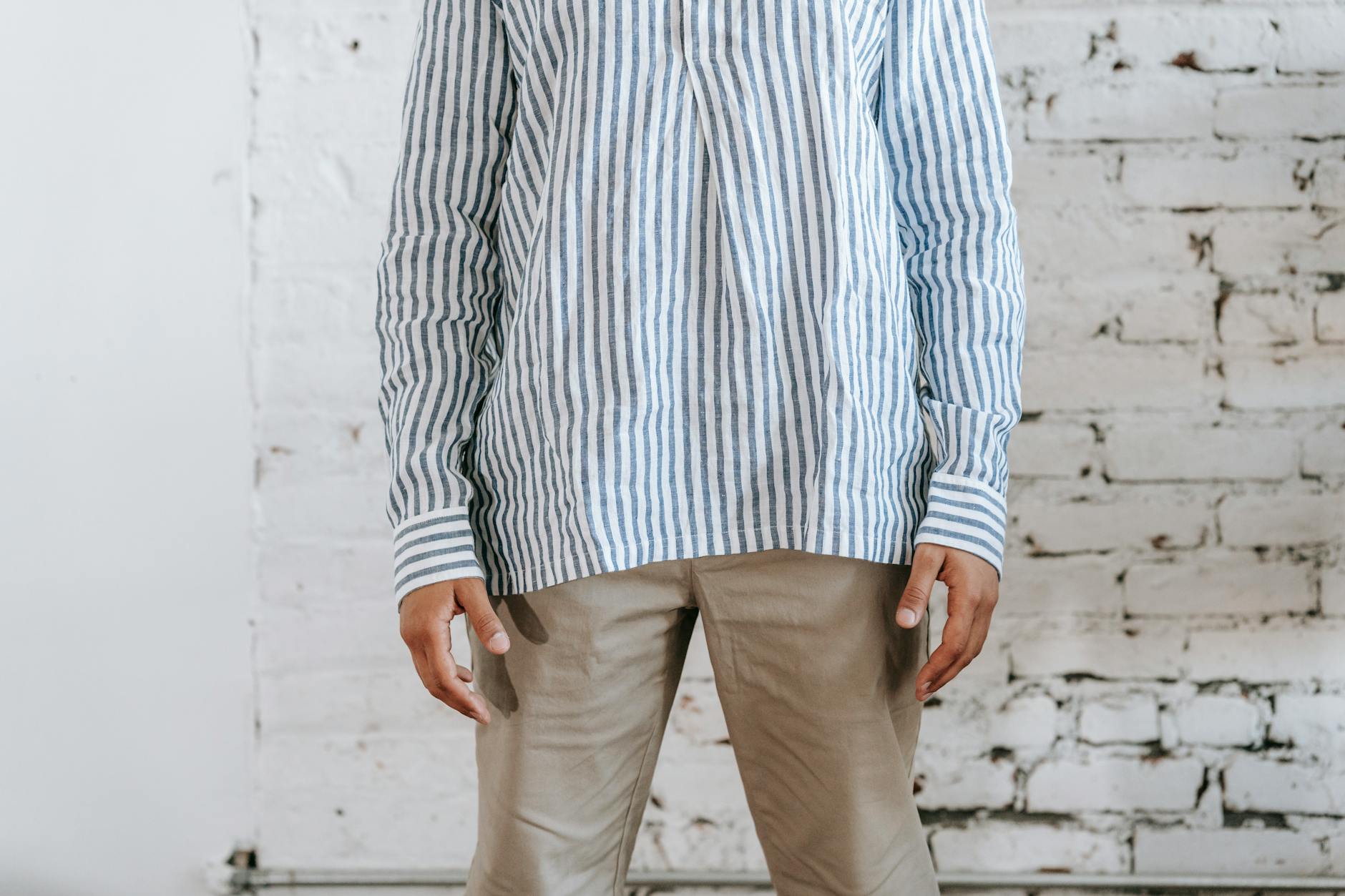
Texture is the first thing seersucker gets right. Forget the old Southern-lawyer version, forget the cartoon banker in blue-and-white railway stripes. What matters is the living surface of the cloth itself: puckered, dry, slightly ridged, already a little off-duty before you’ve even buttoned it. That’s no small thing during a season when so much of men’s summer style is about pretending not to try. A flat fabric can make a relaxed outfit look unfinished. Seersucker gives you shape without stiffness. Ironing your personality into place — it saves you from that too.

Sandifer gets at that in his GQ essay, where the appeal isn’t heritage but ease.
I want to be comfortable in balmy weather and still feel sharp and refined.
— Jabari Sandifer, GQ
Quiet honesty — that’s what I like in that line. Few of us are dressing for the perfect hotel terrace. Real life asks for trains, offices with overconfident air-conditioning, a long lunch that turns into errands, a date that begins in sunlight and ends with a jacket over the shoulders. Inside that sort of day, a Fulton Seersucker Shirt or Corridor Plaid Seersucker SS makes more sense than a pristine linen shirt asking for steaming, patience and a willingness to look softly crumpled by 10.30am.
Designers have clocked this too. It’s not really a suit comeback, which would be too neat. Escape from the suit is the point. Camp-collar shirts, easy jackets, loose trousers — they all work because the puckering stops the silhouette from collapsing. Not much else is required. A white tee, leather sandals, a pair of old sunglasses. Finished. Or close enough, which is often the more attractive state.
The crease that never arrives
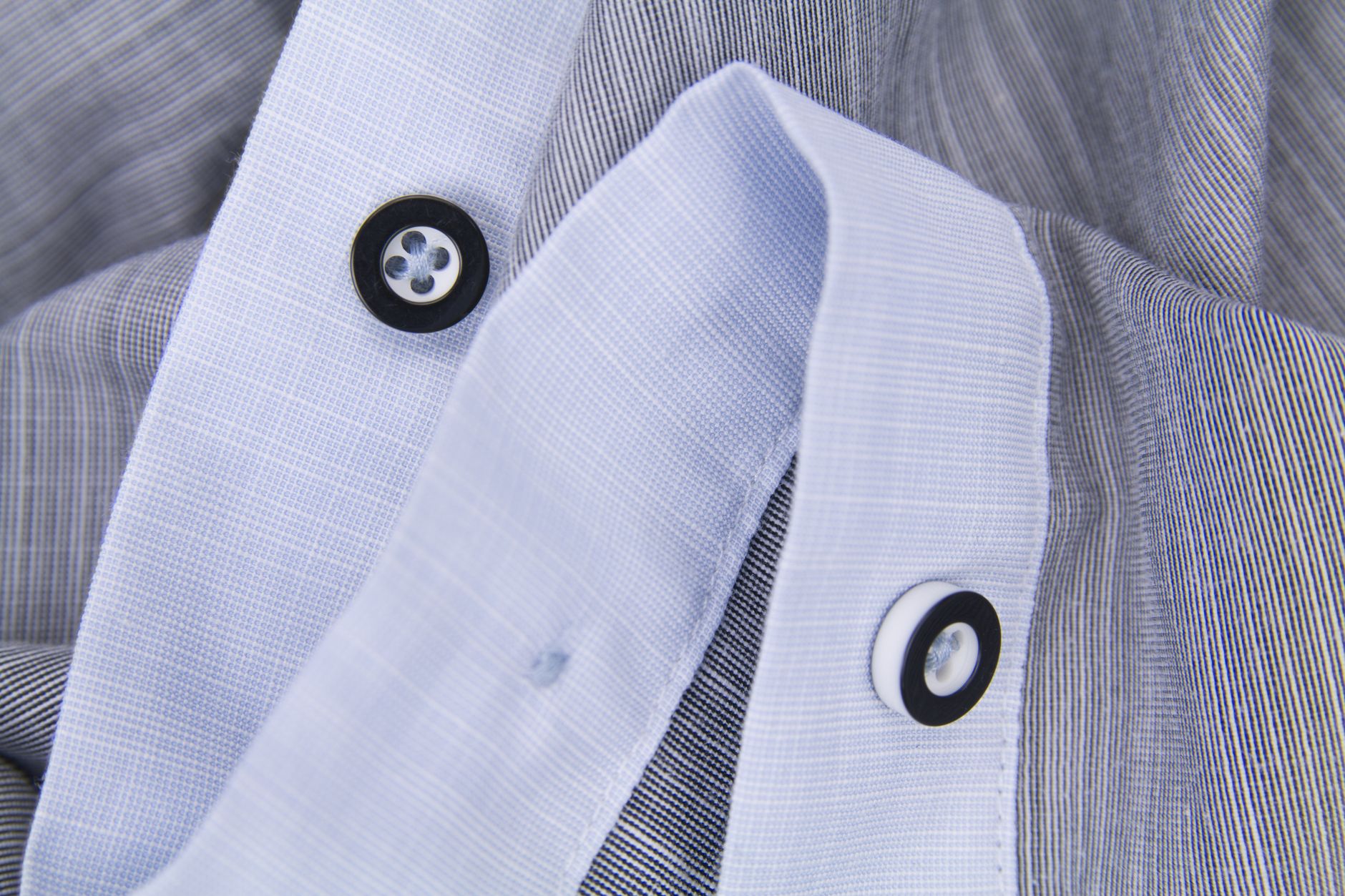
Poster fabric for summer aspiration? That’s linen. But seersucker is the one that survives contact with the body. Unsexy, maybe, and that’s the analyst case — the most persuasive one. FashionBeans makes the practical point cleanly: the woven slack-and-tight stripes lift parts of the cloth away from the skin, helping circulation and stopping the whole garment from clinging when the weather turns wet and close. It breathes, but it also behaves.
Linen loyalists will push back here, and fair enough. Nothing feels quite like a good linen shirt on a hot night. Still, The Telegraph’s heatwave piece on seersucker lands on the same conclusion I’ve arrived at through less glamorous evidence — a crowded tram, a handbag strap digging into one shoulder: seersucker doesn’t collapse in the same dispiriting way. Keeps a little architecture. Sit in it, fold it into a weekender, pull it back on and you still look like a functioning adult.
Better than linen, or just different? Better is too blunt. Easier is closer. For Australian dressing, especially once you think beyond beach holidays and imagine an actual December weekday, ease wins. A Lightweight Seersucker Carry-on Jacket reads polished enough for dinner but doesn’t require the emotional maintenance linen sometimes does. I like linen. I just no longer believe it should have the whole summer to itself.
The ghost of prep school
The skeptic case is the one I find most useful, because seersucker can still go wrong in a very specific, faintly embarrassing way. Wrong cut and it stops looking effortless, starts looking referential. Too trim, too stripey, too eager to conjure old campuses and old money — and you’re not wearing a summer fabric, you’re wearing a costume assembled from shorthand. Charm, yes. Trap, also.

History clings to this fabric. The Art of Manliness traces seersucker in the United States back to workwear and uniforms in the late 1800s, before Joseph Haspel made the first seersucker suit in New Orleans in 1909. By the 1920s, Princeton and Yale students had helped turn it into prep shorthand, which is probably why even now the fabric can feel like it arrives with a soundtrack. Boat shoes and a pocket square and you’re halfway to parody before you’ve left the house.
Pretending that history away isn’t the fix. OPUMO’s guide and the more generous side of menswear writing land on a better idea: you’re not trying to dress like a museum of warm-weather masculinity. Let the texture do the work, keep everything else simple. Oliver Spencer, quoted in FashionBeans, says it neatly:
Seersucker is a beautiful texture that suits well a multitude of garment shapes.
— Oliver Spencer, via FashionBeans
A multitude of garment shapes — that’s exactly the escape route. Boxier shirt. Relaxed short. Soft jacket. Anything that breaks the old Ivy silhouette helps.
Loose enough to live in
What makes seersucker feel newly interesting in 2026 isn’t the fabric by itself. Men’s fashion has softened around it. GQ’s recent roundup of summer suits is full of tailoring that looks as if it would rather exhale than posture. The Guardian’s “Posh Grandpa” piece catches a similar drift from the other side of the wardrobe: clothes with a bit of age, wit and looseness are replacing the polished, punishing kind. Meanwhile, Vogue’s Cannes menswear gallery reads like evidence that the red carpet is no longer allergic to ease.

Seersucker isn’t really beating linen in a duel, then. It’s benefiting from a broader change in taste. Right now, clothes that let the body move seem more appealing than ones that announce effort. That’s why a seersucker overshirt feels modern while a crisp linen two-piece can sometimes feel like an instruction manual. More than anything, the fabric is catching a mood. Loose enough for summer. Specific enough to be memorable. Formal enough, when you need it, to save you from dressing like you gave up in November.
I might be overstating things. The best version of seersucker is almost shy about its usefulness. Linen won’t disappear, nor should it. Some summers ask for a shirt that looks as though it’s already been through a long lunch and forgiven you for it. Others ask for clothes that can handle work, dinner and the walk home without asking for sympathy. But I keep coming back to seersucker because it asks for less theatre. Air, texture, a shape that survives the day. For a fabric once trapped in prep-school myth, that feels like a surprisingly modern kind of freedom.

The Lifestyle Desires brief
Style, food, travel and wellbeing — weekly in your inbox.
Subscribe