When the coffee table starts dressing the wardrobe
Ralph Lauren’s new Catwalk book lands at the centre of a bigger shift: fashion archives, resale and coffee-table books are shaping how we dress.
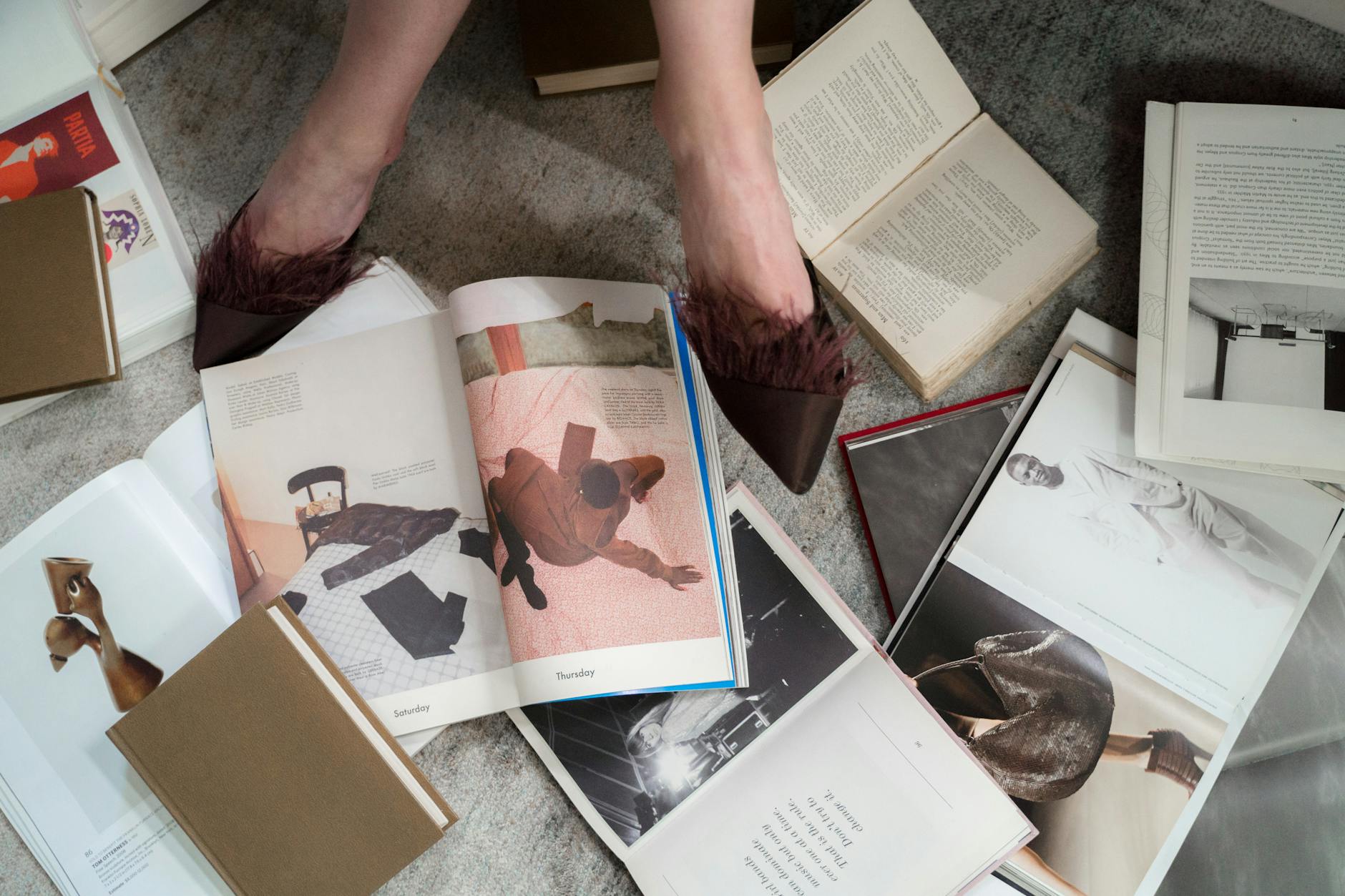
I have a theory about the heaviest books in the house. They are rarely just books. They are admissions. Leave a fashion monograph open on the coffee table and it starts telling on you: the colours you wish you wore more often, the era you keep circling, the kind of life you think a room should promise before anyone has even sat down with a drink.
Ralph Lauren Catwalk arriving now feels slightly larger than a publishing event. More than 1,300 runway photographs, decades of American fashion theatre — it is a serious object. But it also lands in a moment when archive culture has slipped out of specialist fashion circles and into ordinary taste. People are not only buying old clothes. They are buying the history that teaches them how to look at clothes in the first place.
Certain fashion ideas need weight before they need speed. You want to feel the page turn, the build of repetition, the stubbornness of a silhouette appearing again twenty pages later. Call that a print bias if you like. I have spent enough years on both sides of the screen to know which one trains the eye.
Still, the sceptic has a point. Fashion books can turn into expensive set dressing, all spine and no argument, a pile of aspiration beside the sofa. The better ones earn their place. As a Fashion Studies Journal review put it, scholarship changes the object. It gives the image sequence a point of view. It stops the whole thing from becoming décor with a dust jacket.
A book that behaves like a clue
A Ralph Lauren book does not begin with clothes alone. It begins with a world: brass lamps, old leather, horse bits, linen, silver, East Coast myth, western myth, all of it pressed into the same fantasy of inheritance. Before you even get to the hemline, you are being sold a room temperature, a timber finish, a kind of weekend.

British Vogue’s look at the book reads it as evidence of a wider “Ralph-aissance” rather than a neat anniversary exercise. The volume spans collections from 1972 to 2025, with commentary by Bridget Foley. Continuity of appetite comes through as strongly as continuity of style. Ralph Lauren says, “It was about a way of living.” That explains why a runway archive can end up on a coffee table without feeling misplaced. The archive was always about the life arranged around the body, never only the body itself.
Inside fashion, archives work as living reference libraries. Designers, stylists and editors do not keep returning to them out of politeness. They return to learn proportion, restraint, silhouette, what happens when a jacket is allowed to hang a little longer or a shirt collar sits slightly too wide for the decade. I keep thinking about this whenever I watch someone buy another monograph in the streaming age. A screen gives you speed. A big printed book gives you sequence. It trains the eye to notice what made the image worth saving.
Seen in sequence, a runway look can seem theatrical when it flashes past online, then almost practical when you understand what came before it and what came after. The book slows fashion down. It lets the line of an idea reveal itself. If you have ever wondered why someone starts hunting for an old barn jacket, a schoolboy loafer or a pleated cream trouser after an evening leafing through a monograph, that may be your answer. The wardrobe decision was made in the living room.
The look before the look
I keep coming back to the idea that archive culture is really a training method disguised as nostalgia. We talk about vintage as though the thrill is discovery. Often the thrill is recognition. You learn the codes. Then you start seeing them everywhere.

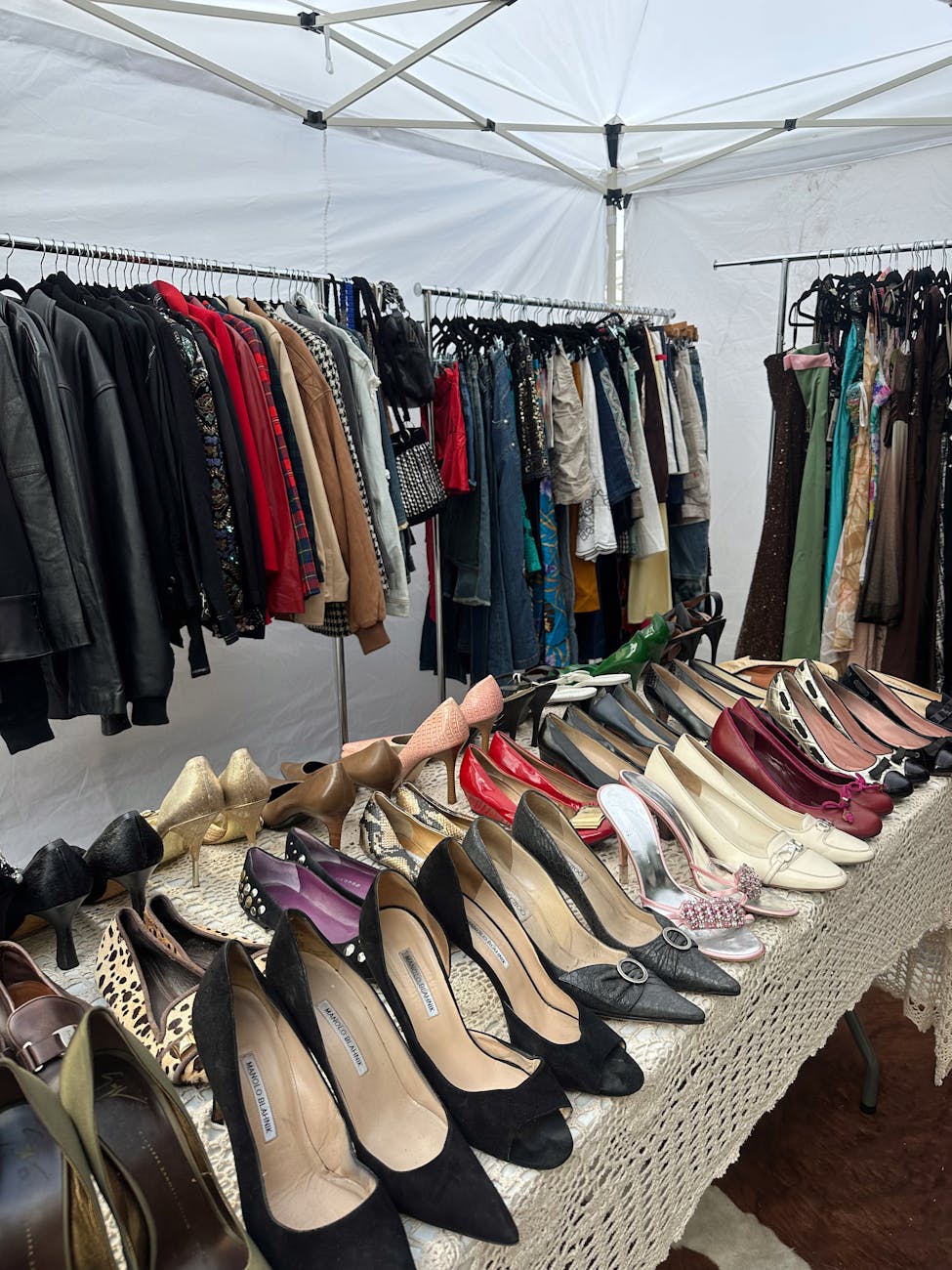
Sotheby’s guide to collecting archival fashion treats the archive not as a sentimental attic but as a field of connoisseurship, where context, provenance and design innovation shape value. You do not have to be spending auction money to feel the effect of that logic. A younger fashion audience absorbs it through resale platforms, runway books, image boards and the odd holy-grail clip shared in a group chat at midnight. Taste becomes less about keeping up than about tracing backwards.
Ralph Lauren puts it more plainly in Vogue: “I want my clothes to look better next year than this year.” That sentence lands because it pushes against the short, breathless lifecycle of trend content. The archive, at its best, asks a harder question: what is worth returning to? Not what is new this week. What has enough shape, confidence and memory in it to survive repetition.
Maybe the greater risk is that the archive becomes just another aesthetic costume — a polished fluency in references that never makes contact with a real wardrobe. I might be wrong. But that is usually where the book rescues the clothing. The book reminds you that style is cumulative. Someone had to build the language before you borrowed the accent. A monograph sitting stubbornly on the table makes that labour visible.
When vintage starts to feel rich
The analyst’s version of this story is colder, and maybe more useful for that. Archive fashion is no longer only about romance. It is also about status. Scarcity. The social charge of knowing what other people do not.

BBC Culture’s reporting on the rise of archival fashion makes the point sharply. Vestiaire Collective’s US chief executive Samina Virk says: “Vintage has become its own luxury status symbol.” Once you accept that, the coffee-table book looks a little different too. Still pleasurable, still educational. But also a signal. The owner understands lineage, knows the references, can distinguish between a trend and its source material.
An environmental case sits inside this shift as well, even if fashion rarely lets purity survive intact. BBC notes that buying secondhand can extend the life of a garment by an average of 2.2 years. That is not nothing. Yet the sustainable case and the status case sit uneasily together. Archive culture can encourage slower, more deliberate shopping. It can also turn rarity into sport. The same person who buys one old coat to wear for a decade can spend the next month refreshing resale apps for something increasingly obscure.
None of this ruins the phenomenon for me. If anything, it makes it more believable. Real taste is rarely morally clean. It is part ethics, part vanity, part scholarship, part performance. The best fashion writing admits this rather than pretending a beautifully produced book or a rare vintage jacket exists outside the usual human mess of wanting to look informed, particular and a little bit impossible to replicate.
The room learns your taste first
Before the purchase — that is the part I find myself watching most. The archive now enters the home long before it enters the wardrobe. It arrives as a book, a saved image, a stack of references on the dining table, a conversation about labels your friends once thought were too niche to matter.
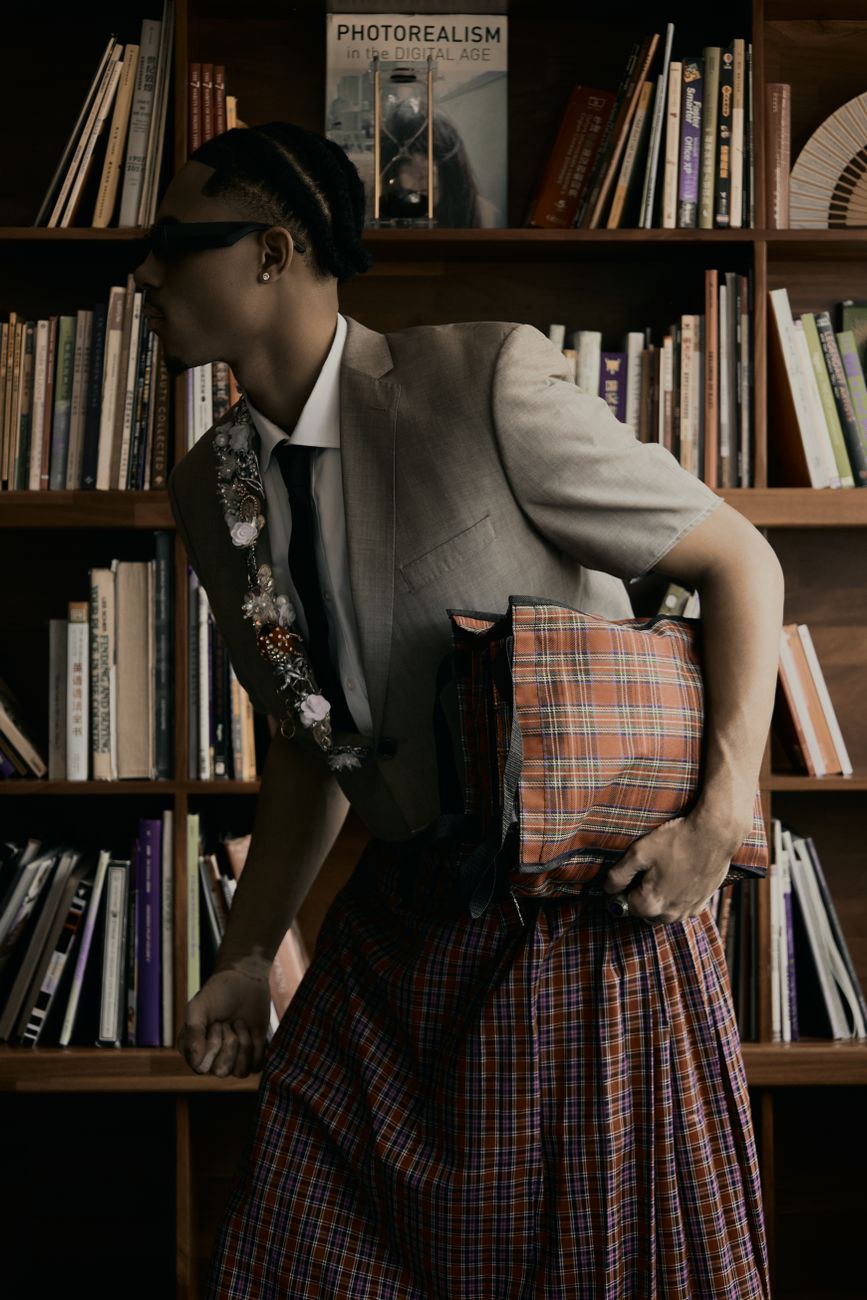
AnOther’s piece on obsessive fashion collectors makes collecting feel like a practice of attention as much as acquisition. That feels right to me. Most people do not build a museum-grade archive. They build a private visual vocabulary. A tear sheet in the mind. A sense that a camel coat should swing, that denim should not sit too cleanly on the hip, that a man in a tie might look better if the tie seems a fraction inherited.
Here in Australia, that appetite for fashion books makes perfect sense, even at a distance from the old capitals that produced many of the reference points. Style here has always involved a little translation. We read Europe and America, then cut it against heat, daylight, money, rental wardrobes, beach weather, smaller cities. The archive helps because it offers principles rather than commandments. It says: here is how a world was made. Now work out what survives the trip.
Perhaps that is why these books keep escaping the shelf. They are less like manuals than house guests, always nudging the eye back towards a cuff, a belt, a shade of tobacco brown you had not meant to care about. By the time you finally buy something, the room has already taught you how to want it.
So yes, Ralph Lauren Catwalk is a coffee-table book. It is meant to be looked at. It is meant to please. But the more interesting thing is what it is doing there in the first place. It sits in the room like a clue, then a prompt, then perhaps a low-grade challenge. Dress with a longer memory. Buy with a sharper eye. Let the life around the clothes become part of the outfit. That is the wearable archive as I see it. Not a shrine to the past. A method for getting dressed in the present.

The Lifestyle Desires brief
Style, food, travel and wellbeing — weekly in your inbox.
Subscribe