What a mortgage does to the men you date
Single women buying homes are outpacing solo men, and the dating fallout says more about old gender scripts than property prices.
The cruellest line in The Guardian’s recent feature is not cruel because it is unusual. It is cruel because it is so tidy. Tiffany Tate told the paper that when a date learned she was about to buy a house, he asked what a man was supposed to do for her then. I could feel the air go out of the room just reading it. A mortgage application is paperwork, fluorescent lighting, a lot of tabs left open on your laptop. And yet, in the wrong company, it can still land like an insult.
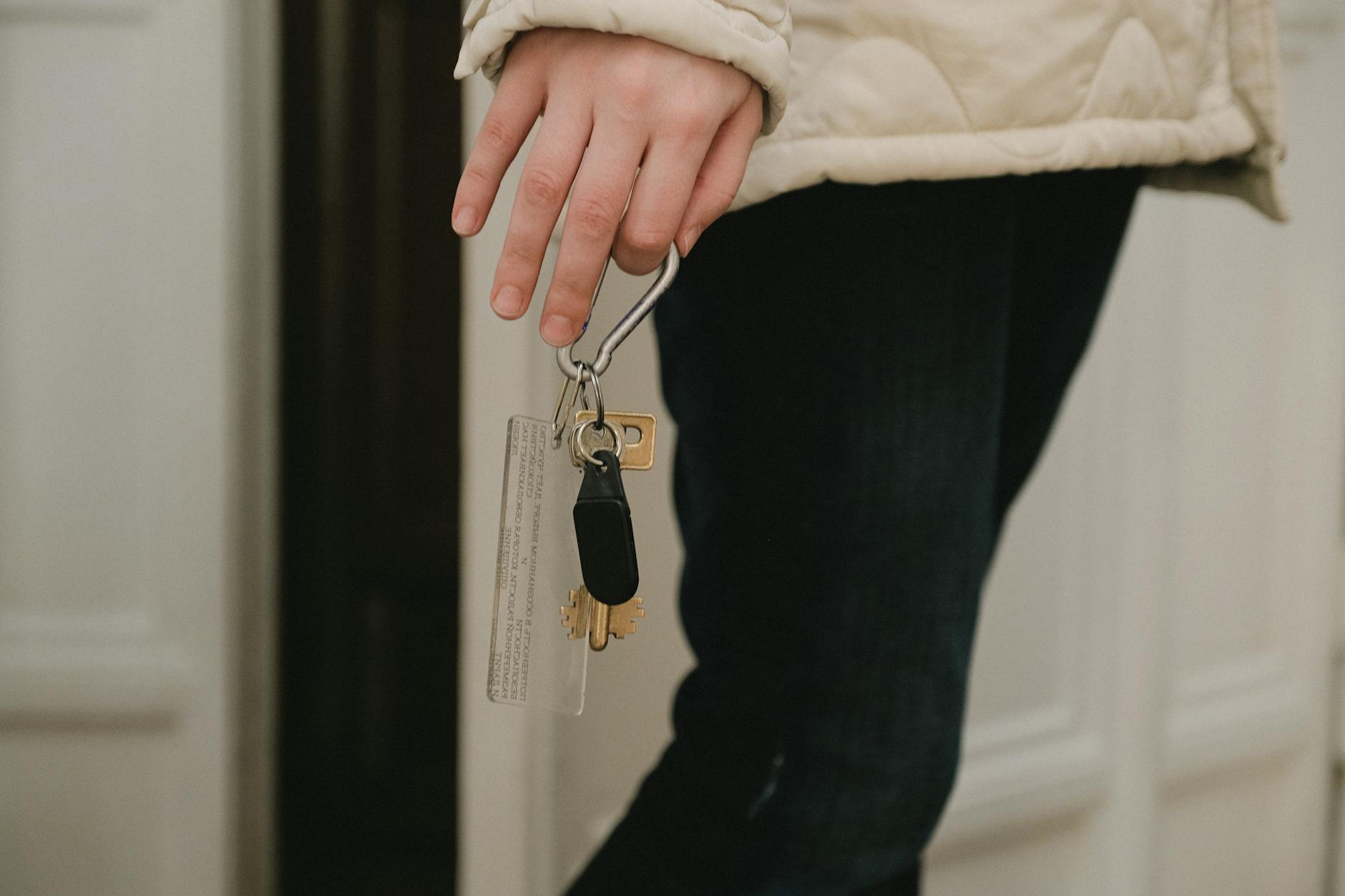
The story is American in its paperwork, but the emotional weather travels. Plenty of women know the odd little flinch that greets competence when it arrives in a feminine voice: the promotion, the emergency fund, the habit of not needing to be rescued. A house only makes the thing solid. Turns an abstract fear into a front door, a fixed rate, a set of keys on the bench.
But there is a colder reading too, and more useful. The National Association of Realtors says single women now make up 25% of first-time homebuyers in the US, while single men account for 10%. CNBC’s March reporting found 41% of single women buyers said they made financial sacrifices to save for a house, compared with 31% of single men, and put the median age of first-time single women buyers at 44. This is not a sugary trend piece about women having it all. It is a story about women deciding — sometimes later than they wanted, almost certainly with more effort than anyone applauds — that waiting for perfect romance is a rotten wealth strategy.
The question under the question
What I hear in that awkward question — what is a guy going to do for you — is panic dressed up as banter. Not panic about love, necessarily. Panic about role. If a woman has already secured the thing older heterosexual scripts told men they were meant to provide, then the performance has to change. Some men can adjust on the fly. Some already have. Others are still looking for the old marks on the stage.

“If you buy that house, what is a guy going to do for you?”
— a date quoted in The Guardian
Revealing, because it treats partnership like a vacancy notice. The assumption underneath is not especially romantic. It is transactional. Shelter, safety, solidity — these have been coded masculine for so long that when a woman secures them herself, some men do not read that as good news. They read it as a role reduction.
That, I think, is why the line lingers. Most straight women have heard versions of it long before real estate enters the chat. It surfaces when a woman earns more, travels alone, fixes her own administrative mess, or simply looks too unbothered by the threat of being single. A house is just harder to minimise. Sits there, brick and interest rate and council tax, refusing to play dumb.
The Guardian also spoke to Tonya, a single Black woman homeowner who described the same defensiveness once dates realised she owned property. What struck me was how quickly a practical achievement became an emotional test. The purchase itself is boring in the way grown-up milestones often are. The reaction to it is not. The reaction tells you who still thinks intimacy depends on a woman leaving a little strategic helplessness on the table.
The lonely arithmetic
None of this means home ownership is easy for women. If anything, the numbers say the opposite. Buying alone is not a glamorous flex. It is admin, compromise and a long season of saying no to yourself. The interesting thing is not that single women are somehow sailing through the market. It is that so many have decided the grind is still worth it.

“Home ownership right now is pretty unattainable, especially as a single person compared with dual income households.”
— Daryl Fairweather, quoted in The Guardian
Fairweather answers the obvious question: if the market is this brutal, why are single women still getting there ahead of single men? Part of the answer seems to be plain discipline. CNBC’s reporting found women were more likely than men to say they had made financial sacrifices to buy. Pair that with the context from the Pew Research Center, which says the gender pay gap in the US has narrowed only slightly over two decades. Translation: women are not winning because the terrain has become easy. They are winning on a harder setting.
I do not say winning lightly. A person buying alone still has one income, one emergency fund, one body to drag to Bunnings on a Saturday. She also has one less luxury than the culture likes to pretend is natural: time. The median age of 44 matters. It suggests these buyers are not floating into home ownership on youthful optimism. They are arriving through the side door, after years of rent, work and recalculation.
The home is not just a status object. It is a hedge against drift, protection against the cost of waiting for somebody else to join your life before you allow yourself to build one. That is the part of the story I wish more people would say plainly. Property can still be about aspiration, yes, but for many single women it also looks like a refusal to stay financially sentimental.
A deed rearranges the room
What Tiffany Tate says next is the part I keep replaying, because it is so sane it almost sounds radical.

“Why would me buying a house be a deterrent for a guy? Wouldn’t that be a positive?”
— Tiffany Tate in The Guardian
Of course it should be a positive. The only way it stops being one is if you are still treating heterosexual partnership as a rescue plot, with the man cast as provider and the woman cast as grateful recipient. Remove the dependency and some people lose the thread of the romance.
I am less convinced this is about male insecurity in the broad, dramatic sense that social media loves. Sometimes it is narrower than that, and somehow sadder. Some men have not updated their definition of usefulness. They know how to offer money, advice and logistical control. They are less sure what remains when a woman arrives with her own systems, her own mortgage broker, her own taste in taps. Intimacy asks more of them then. Attention. Humour. Emotional steadiness. A willingness to be chosen for company rather than necessity.
That is why the reaction can feel weirdly disproportionate. A woman has bought flooring and negotiated a rate, and a date behaves as though a centuries-old social contract has been shredded in front of him. Maybe it has. The old bargain said a man would bring structure and a woman would bring softness. But plenty of women now bring structure as well — and not in a bossy, cartoon way. They bring the ordinary adult competence that life requires. The men worth keeping tend to find that reassuring. The others hear a door closing.
Something else is going on here too. A home clarifies standards. Once a woman has built a place for herself, however modest, she has a material reminder that peace is real. It is not theoretical. It is the cup in the cupboard exactly where she left it, the rent no longer rising on somebody else’s whim, the deep exhale of not having to perform gratitude for basic stability. Dating from that position changes the questions. Not, can this person save me, but do I feel calmer with him than I do alone?
The old bargain looks shabby in daylight
I keep coming back to the same thought: the real subject here is not property. It is permission. Single women buying homes are, in the bluntest possible way, giving themselves permission not to wait. Not to wait for marriage, not to wait for a joint income, not to wait for a man who feels comfortable occupying the traditional provider slot.

That does not mean every woman should buy property, or that every man feels threatened when she does. Markets are local, wages are messy, and romance is not a referendum on interest rates. But the pattern is clarifying. When women build security on their own, they expose how much of dating still runs on antique assumptions about who is meant to need whom.
The story keeps travelling, I suspect, because it is not really about deeds and deposits. Not even when it seems to be. It is about the unnerving spectacle of a woman arriving already housed, already solvent enough to plan, already uninterested in pretending that dependency is charming. For the right partner, that is a relief. For the wrong one, a provocation.
And maybe that is useful information. Say a man hears that you bought a place and responds with delight, curiosity, even a respectful question about how brutal the process was — there is something modern in that. He understands that a relationship is not a job description. If he hears the same news and immediately starts mourning his function, well. Better to learn that before you hand him a key.
The better question was always Tiffany Tate’s. Why would this be a deterrent at all? A woman who has made room for herself in an expensive world is not harder to love. She is just harder to patronise.

The Lifestyle Desires brief
Style, food, travel and wellbeing — weekly in your inbox.
Subscribe