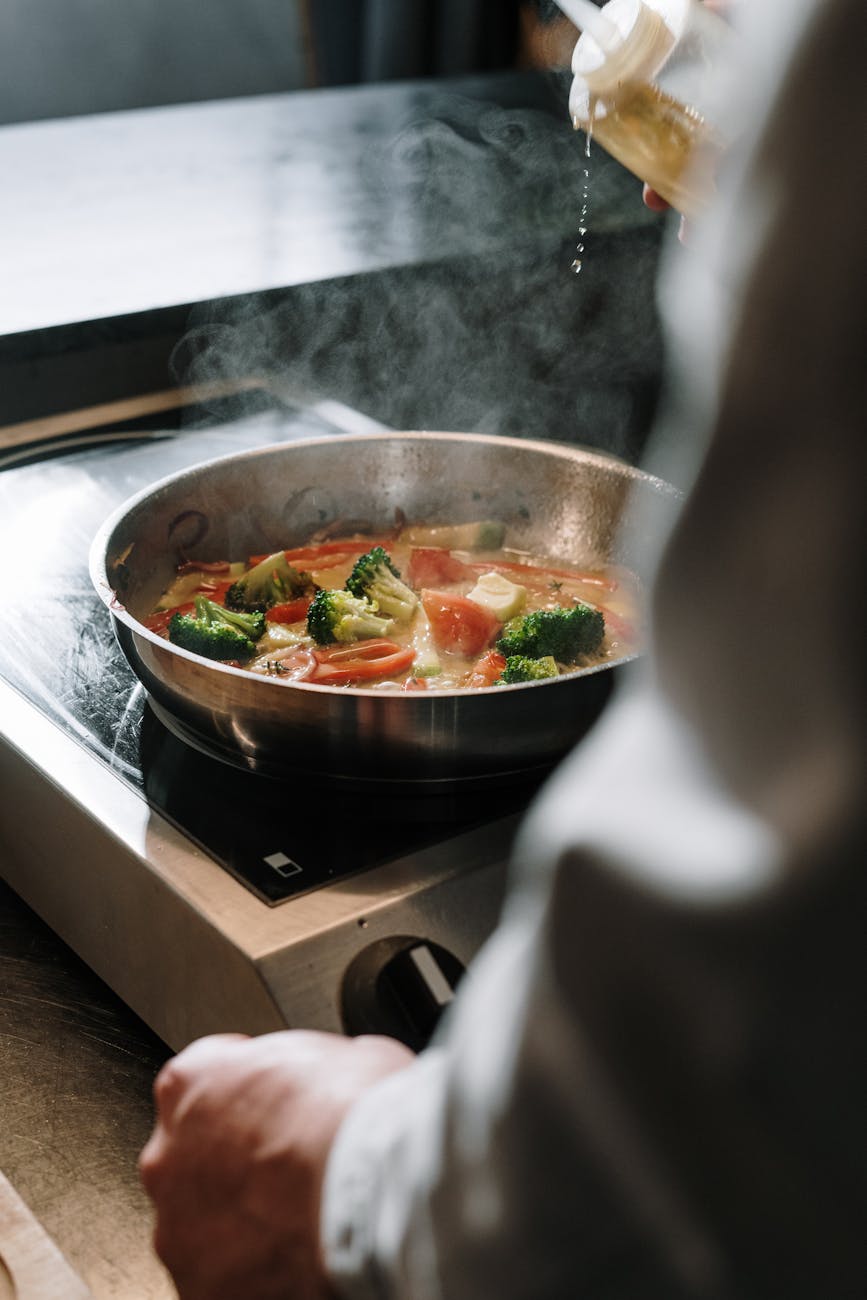
Steam isn't the problem. Our kitchen folklore is.
Steam cooking myths keep home cooks stuck on soggy-broccoli panic. Matt Stone says the real story is moisture, crust and better control.
Steam is one of those kitchen words that comes with baggage. Say it out loud and half the room pictures dim sum baskets or a fogged-up pot on the back burner. The other half goes straight to the sadder archive: pale broccoli, dietary penance, hospital trays. In Australian home cooking, steam has somehow been filed under worthy rather than delicious — the sort of thing you do because you should, not because you want to.
This is the superstition Matt Stone is pushing against in Homes To Love. Stone, a chef and four-time Australian Young Chef of the Year winner, isn’t making a wellness pitch. He’s making a texture argument: juicier fish, better reheating, more margin for error, and the small domestic relief of pulling dinner from the oven without having turned it into a dry cautionary tale.
But the home-cook sceptic deserves to be in the story early, because that sceptic is usually right about one thing: appliances and techniques are forever being sold to us as moral upgrades. I understand the recoil. The modern kitchen is full of objects that promise transformation and mostly deliver another manual. And the question isn’t whether steam sounds clever. It’s whether it earns its keep once the novelty wears off.
The old hospital-food problem
Stone’s first complaint is cultural rather than technical. We still talk about steam as if it were the ascetic cousin of real cooking — the punishment option when butter, fire and appetite have left the building. But the actual point of the method isn’t deprivation; it’s control. When you add moisture deliberately, you change the atmosphere around the food. Things stay supple longer. Proteins get a little grace. Vegetables can keep their snap rather than lurching from raw to spent.
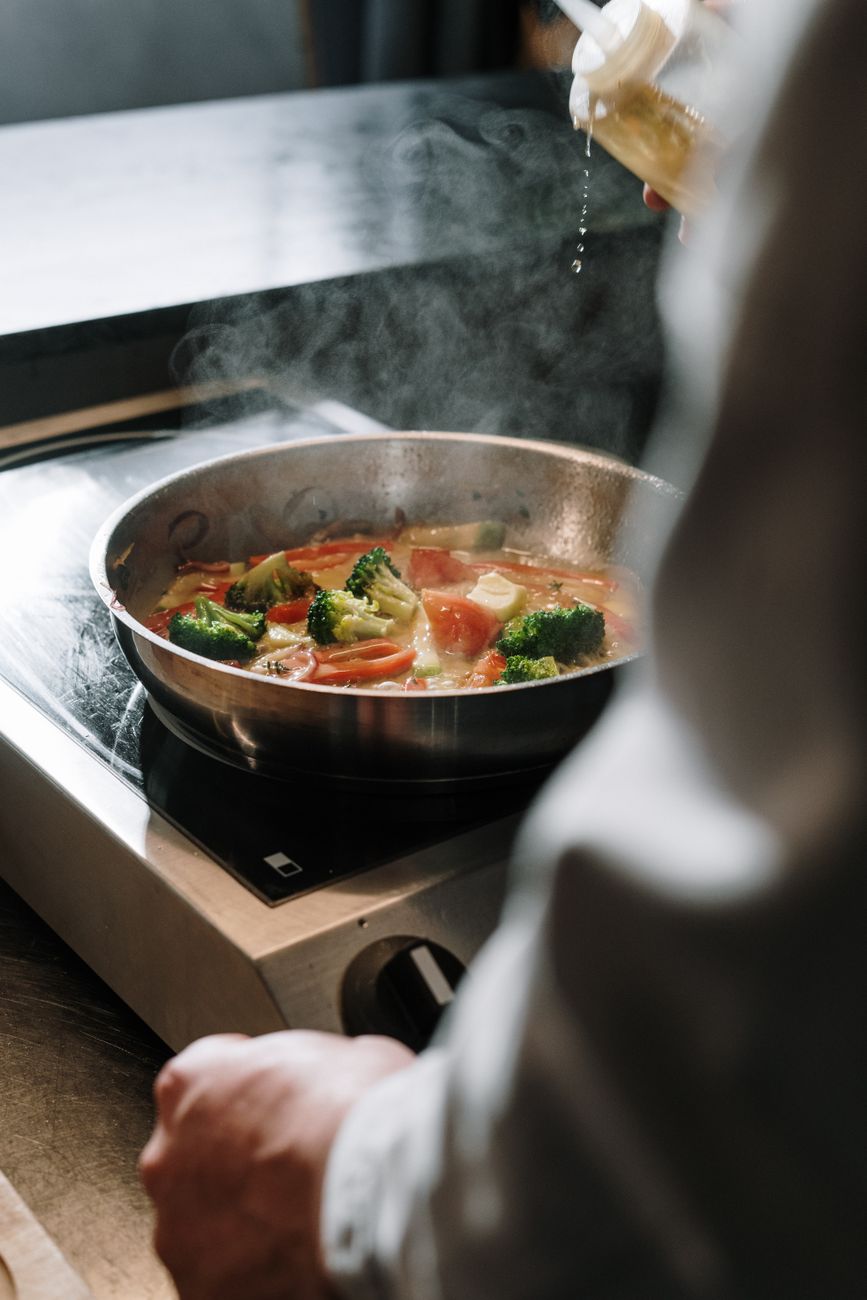
As Stone puts it in that Homes To Love interview:
“People have the idea that steam cooking is only for ‘healthy’ food or that it somehow limits flavour and texture.”
— Matt Stone, Homes To Love
Home cooks feel the line because it names the myth exactly as they experience it. Steam has been branded as behaviour, not technique. It belongs to the same family of kitchen clichés that flatten roasting into comfort food or salads into being good. Once a method gets moralised like that, it becomes harder to notice what it actually does on the plate.
Across the Atlantic, Epicurious’ guide to steaming at home lands on the same practical truth from a different angle: the method works because it protects moisture. Sounds almost too simple, that. But most kitchen wisdom worth keeping is simple at its core. Steam isn’t there to make dinner virtuous. It’s there to make overcooking less likely and texture more predictable — a different proposition entirely.
Crispness is a confidence trick
Ask most people what steam does to dinner and they’ll describe softness first. Home cooks hear the word and imagine flaccid greens, pale fish, skin that never had a chance. Stone’s rebuttal is more interesting than a straight debunk, because he isn’t asking anyone to surrender crispness. What he wants is for people to stop pretending moisture and crust are sworn enemies.
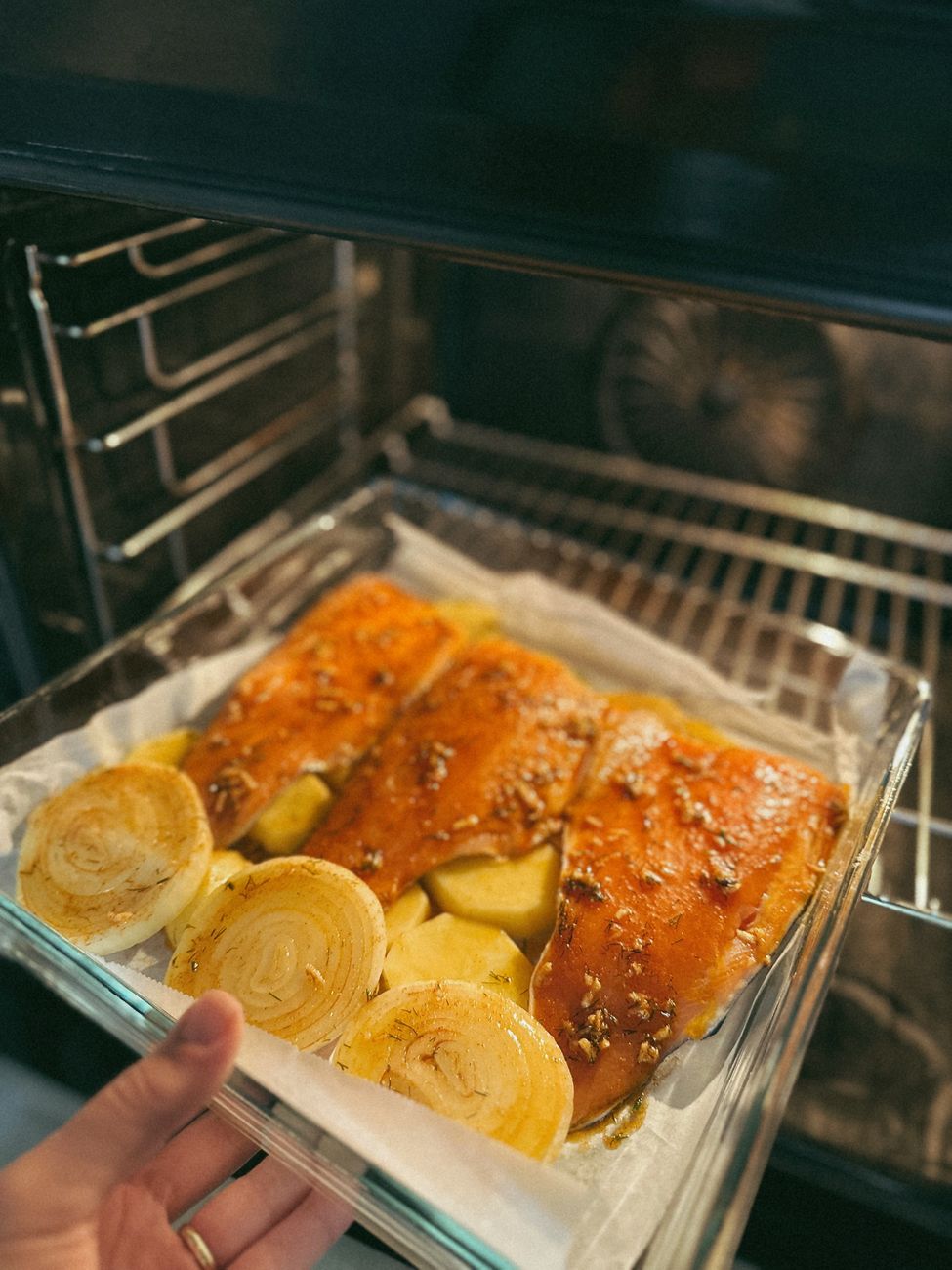
Here is Stone again:
“Steam is actually one of the best ways to enhance flavour because it helps ingredients retain moisture and keep their natural characteristics instead of drying them out.”
— Matt Stone, Homes To Love
Read that as the insider’s view of the kitchen, and it lands differently once you stop expecting a sermon. Moisture retention isn’t a nutrition talking point here. It’s the reason a piece of fish stays sweet in the centre, or a roast lands juicy enough that you don’t have to apologise for it at the table. Dryness, more often than not, isn’t rustic. It’s just a missed timing.
Plenty of the scepticism is earned. Yes, some steam-cooked food is bland. So is some grilled food. So is a lot of food people insist on calling hearty. Bad technique travels well. What Stone is really arguing is that steam gives you a gentler runway. It buys time, steadies the hand. And if you’re the sort of cook who gets distracted by the doorbell, the group chat or a child asking where the soy sauce lives, that steadiness isn’t trivial. It’s dinner.
Australian food coverage often loses its nerve here. We love the shortcut, the genius trick, the five-minute save. We’re less good at admitting that some kitchen improvements are simply about atmosphere and control. Not dramatic. Not sexy. Just useful. Steam belongs in that less glamorous category, and I mean that as praise.
The appliance nobody trusts at first
For everyday cooks, the real question is less ideological than domestic: is a steam oven intuitive enough to justify the space it takes up and the money it asks for? That user-affected perspective is the one appliance brands usually rush past. Stone doesn’t entirely dodge it, but he does answer part of it. The pitch isn’t that you need a second culinary identity. It’s that the better versions of these ovens collapse several habits into one place.

Strip away the showroom gloss and the question doesn’t change. If you’re looking at the Electrolux Steam Oven range, the point isn’t to become a steam obsessive. It’s to cook the things you already cook with a little more flexibility. In The Good Guys’ explainer on steam-oven myths, Stone makes the argument in plain appliance language rather than chefly mystique.
“You’re not choosing between steam or convection, you’re getting both in one appliance.”
— Matt Stone, The Good Guys
Most spec sheets never get that close to lived cooking. The sentence tells the home cook what changes on Tuesday night. Not your personality. Not your values. Just the odds that the chicken stays juicy while the skin still colours, or that leftovers come back tasting like food rather than memory foam. The best case for steam, in other words, isn’t innovation. It’s forgiveness.
Part of the resistance is emotional. Home kitchens are intimate places, and people don’t like being made to feel amateur in them. Steam ovens can arrive wrapped in showroom language that sounds faintly corrective, as if your old methods were quaint and slightly embarrassing. Stone’s better point is gentler than that. He isn’t saying you’ve been doing it wrong, more that there may be a more generous environment in which to do it.
Beyond the built-in oven, the larger correction still stands. Steam isn’t only a built-in-oven story. It’s a saucepan, a bamboo basket, a tray covered tightly enough to trap moisture, a dumpling night, a fish parcel, a bowl set over simmering water. The method is older and less glamorous than the retail language around it. That, if anything, is why it deserves rescuing from gimmick status.
Technique should sound like a person
For me, the part I like most about Stone’s argument is that it restores proportion. He isn’t promising a reinvention of dinner. He’s asking for a different tone. Less mythology, less gadget panic, less of the strange Australian habit of treating technique as either a cheat code or a pretension. Sometimes the useful thing is simply the useful thing.
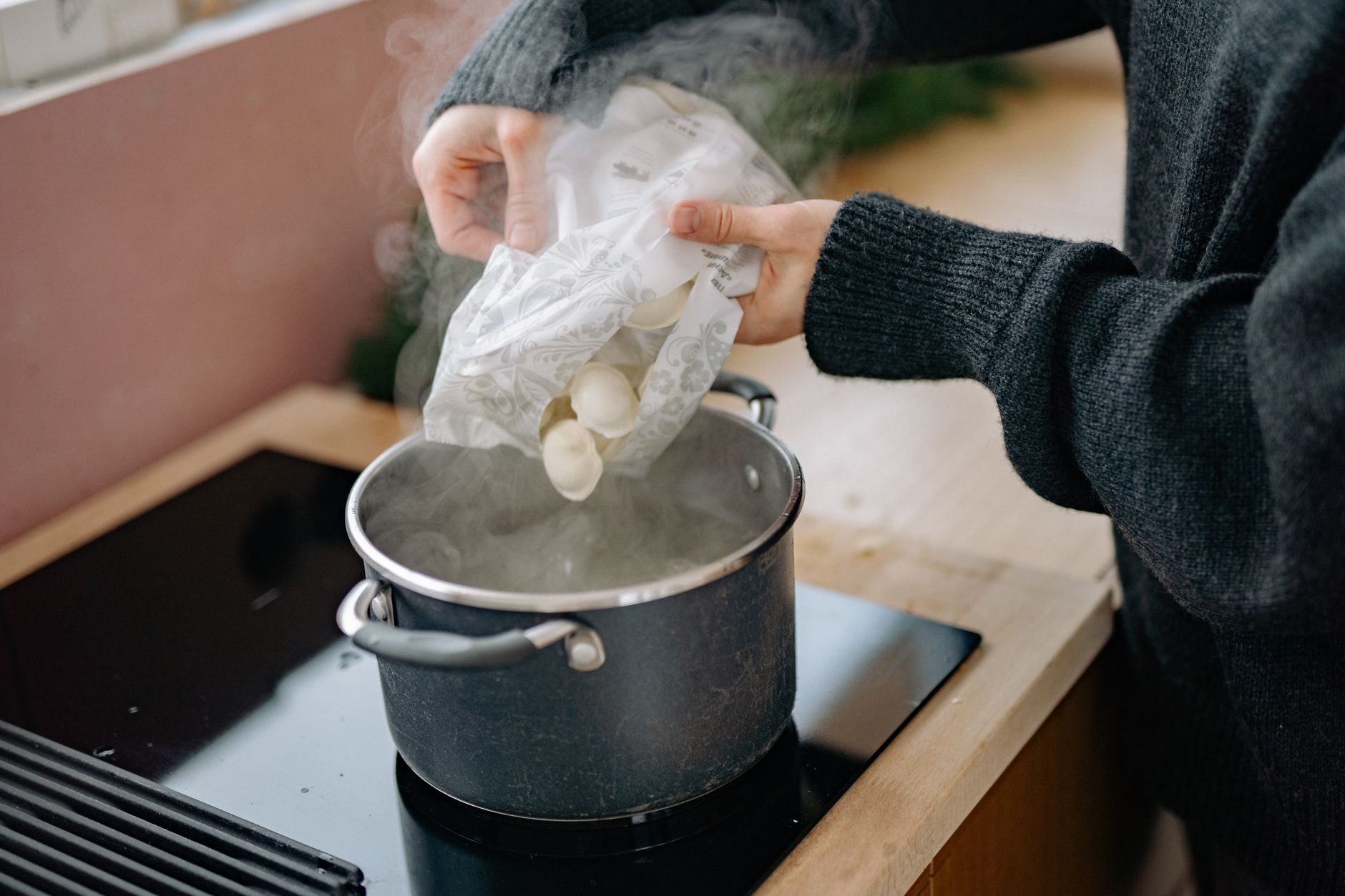
Behind all this sits a broader question about how home cooks learn. We’re constantly offered binary thinking: healthy or indulgent, fast or proper, easy or expert. Steam refuses that neat split. It can be light and rich, delicate and deeply savoury, old-fashioned and technologically assisted. A whole fish, glossy from the plate’s own juices, isn’t ascetic food. Neither are dumplings. Neither is a roast that comes out with better odds of staying tender.
More than anything, Stone seems to want permission for cooks to talk about technique without turning every choice into a worldview. Use the method because it suits the ingredient. Use it because you want less loss, more moisture, a softer margin of error. Use it because not every kitchen advance has to arrive with trumpets. Some arrive as vapour.
So by the end, the home-cook sceptic isn’t being asked to fall in love with steam. Only to retire the laziest myths about it. That feels fair. Keep your suspicion of miracle appliances, your healthy scepticism about kitchen marketing. But let go of the idea that steam is shorthand for blandness, or that crispness and moisture belong to separate moral universes. They don’t.
Good kitchens run on small corrections. A little more salt. A lower flame. An extra five minutes for the onions. Steam belongs to that family of quiet adjustments. It isn’t glamorous. It doesn’t need to be. The fog above the pan clears quickly enough. What stays is the dinner.

The Lifestyle Desires brief
Style, food, travel and wellbeing — weekly in your inbox.
Subscribe