When a runway feels like a room learning to exhale
Nicol & Ford AFW 2026 turned Elizabeth Bay House into a queer, intimate fashion show that felt less like trend forecasting and more like collective relief.
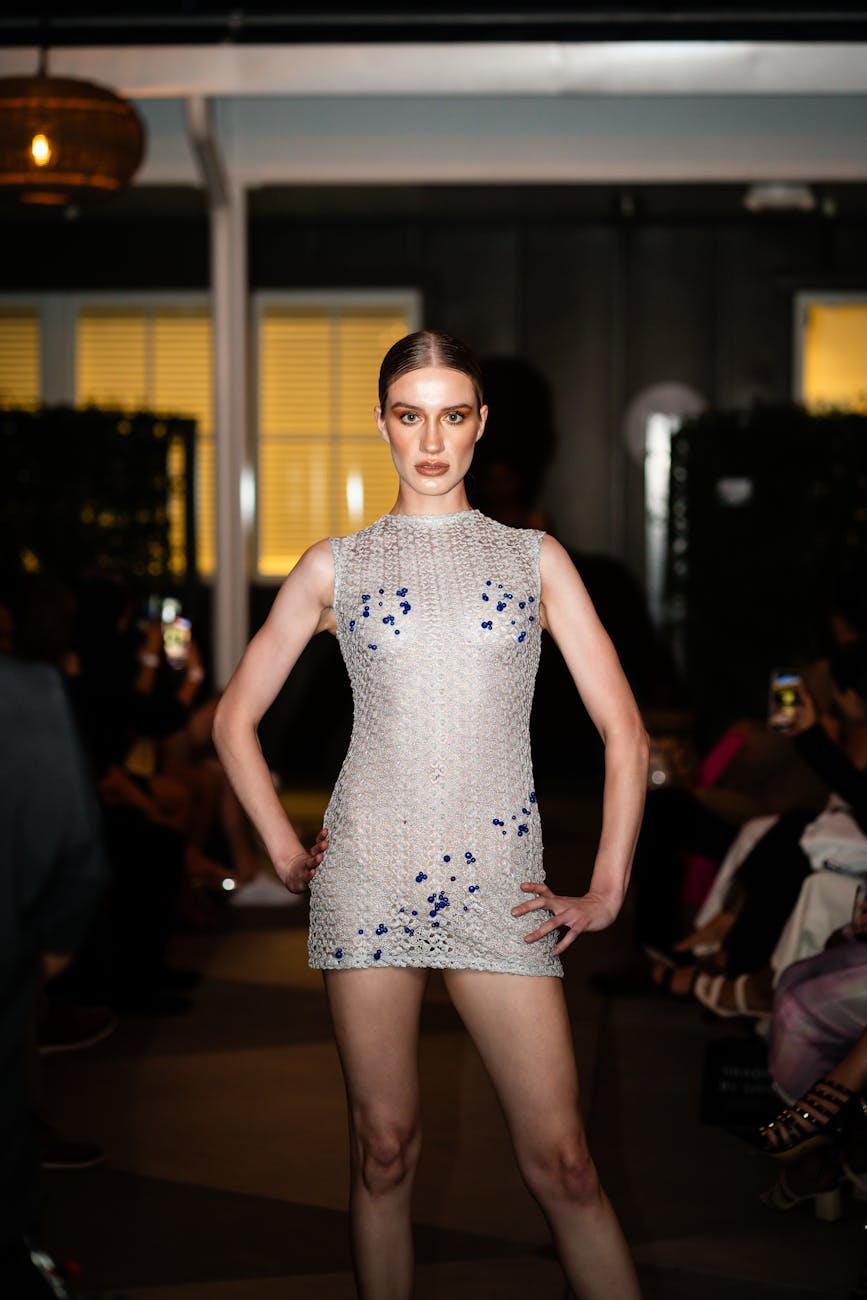
I keep coming back to the staircase at Elizabeth Bay House. Every report from Nicol & Ford’s Australian Fashion Week 2026 show seemed to begin there, in that fading light, with models moving through the house like they’d been in its walls for years rather than dropped in for the night. An AFW cycle like this one usually spits out best-dressed lists and brisk runway verdicts. This show felt like it was reaching for something quieter first. It wanted to change the air.
Nicol & Ford weren’t offering another luxury mood board. They were working inside a lineage: queer survival, private codes, Sydney art history, the slightly melancholy glamour of a heritage house at dusk. The collection, titled Feint, took its cue from Australian still-life painter Adrian Feint. On paper the idea could have tipped into costume or thesis. The designers seemed to want something else entirely: intimacy, something almost inhaled.
What I find more interesting is how the wider AFW machine has been rewarding exactly that register. RUSSH’s coverage of the week’s 30th anniversary cast the strongest shows as total environments rather than plain garment racks on a runway. The Guardian’s visual roundup made clear how much the room, the set, the emotional charge now matter to how a collection lands. Nicol & Ford answered a better question than whether the clothes were good. They answered whether a runway can still make a crowd feel newly present inside itself. I think this one did.
The room before the first look
A fashion show that demands applause is one thing. A show that earns a hush is something else. The reporting from Elizabeth Bay House keeps circling that hush: dusk outside, a staircase inside, bodies moving slowly enough for the audience to notice the architecture around them. Refinery29’s account from the room describes a scene that felt less like trend forecasting and more like a gathering organised around sensation. Mood is cheap when nothing’s under it. Here, the mood was the point.
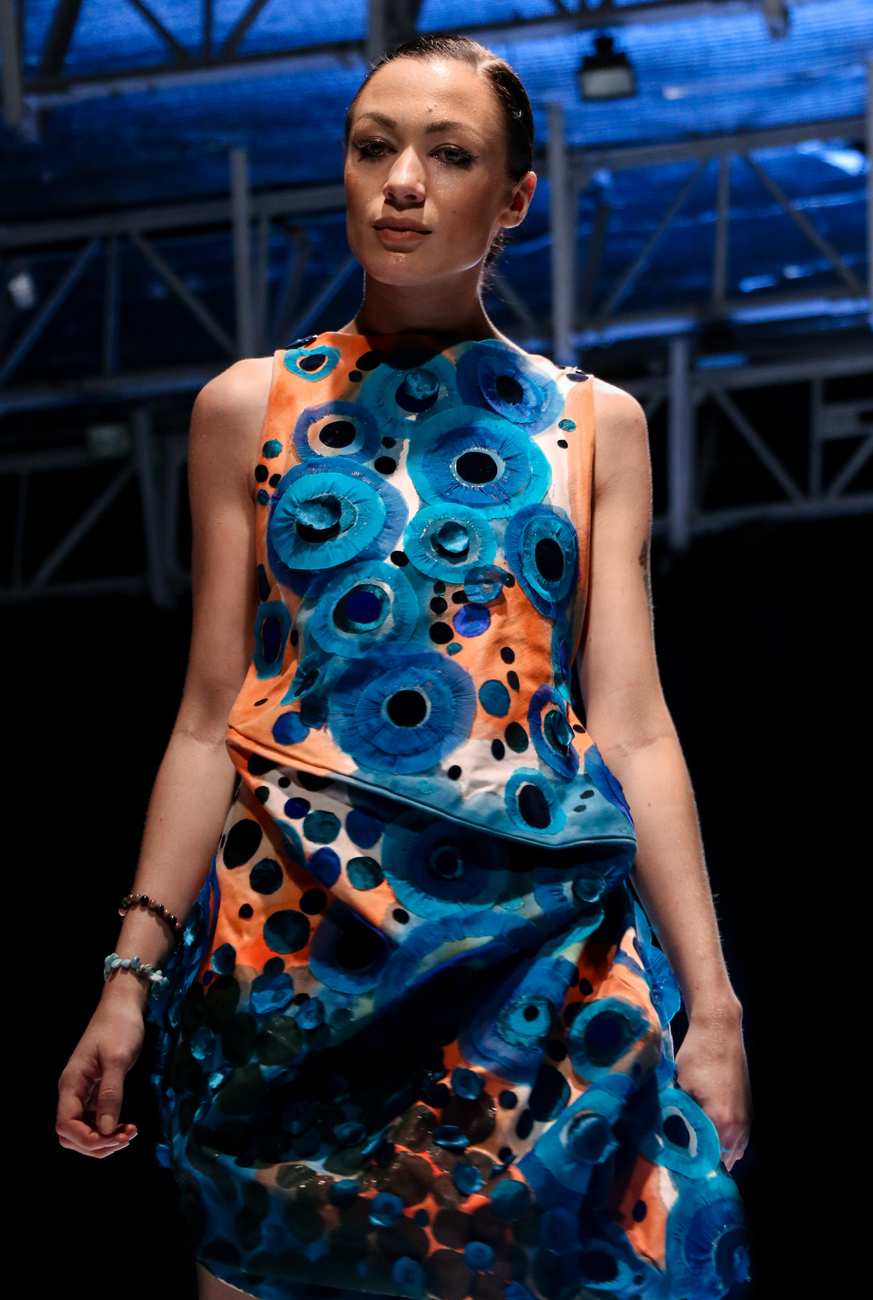
Lilian Nicol-Ford put it plainly in ELLE Australia’s feature on the show:
“we wanted it to feel like a breath of fresh air”
— Lilian Nicol-Ford, ELLE Australia
Almost modest as a line. But it explains why so much of the coverage keeps returning to relief. Relief from the industrial tempo that flattens fashion week into content production. Relief from the old demand that queer visibility arrive either as spectacle or as trauma. Relief from the idea that a runway must always shout to register.
There’s something else in the insider perspective worth sitting with. It doesn’t pretend joy arrives cleanly. The designers’ concern, the way the research brief frames it, was how to make queer joy feel like relief without sanding down the history beneath it. Harder than “make it beautiful”. A beautiful show can still feel airless. A show built around exhale has to leave room for the audience’s body in the story.
What the house was holding
Staging Feint at Elizabeth Bay House wasn’t decorative. It was the argument. A neutral venue would have flattened the tension between privacy and display that animates both Adrian Feint’s work and Nicol & Ford’s clothes. ELLE’s reporting treats Feint not as a loose aesthetic reference but as a serious art-historical presence: the Art Gallery of NSW holds 45 of his works, and exactly one had been publicly shown there in the past 25 years. That number does something. It means the collection wasn’t borrowing a painter’s palette. It was reopening a conversation that had been sitting in storage.
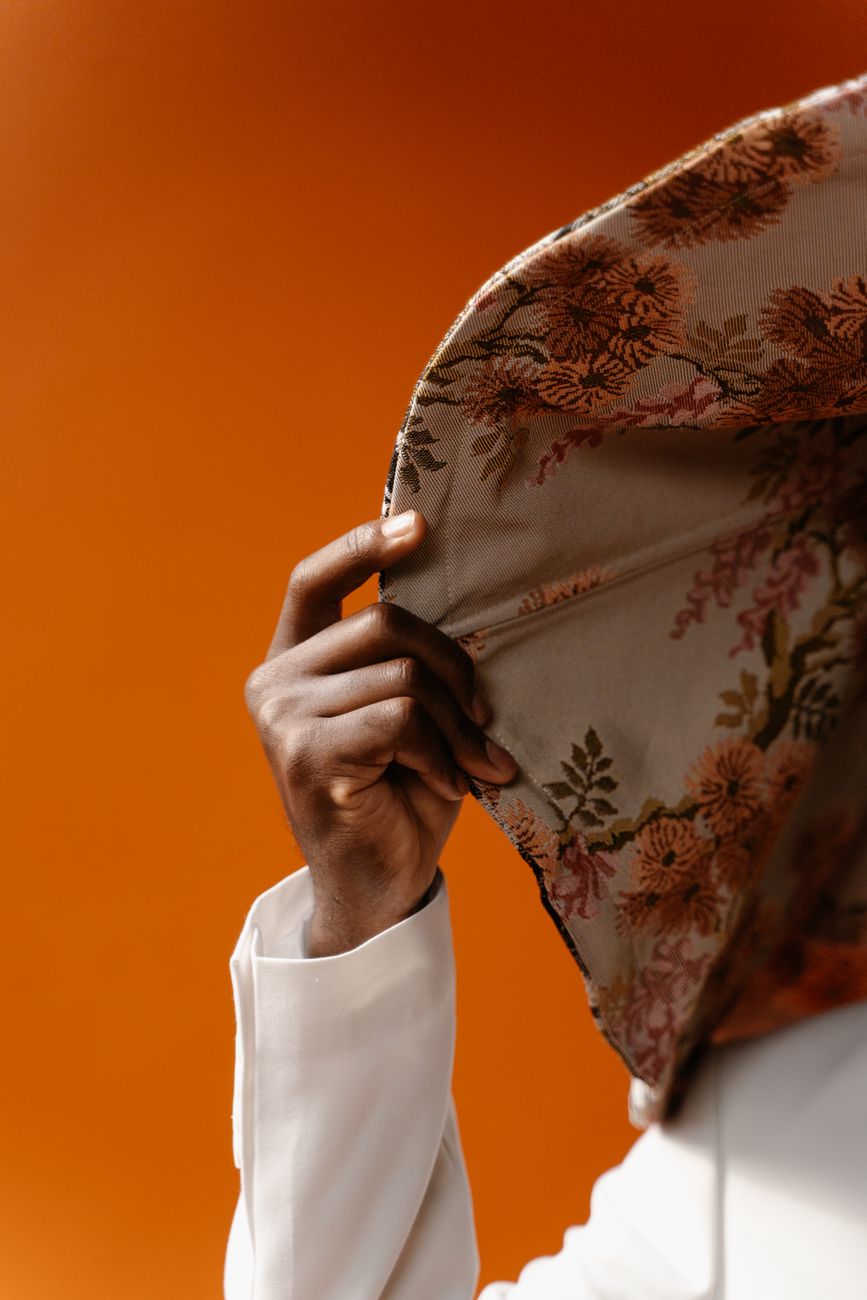
Why Elizabeth Bay House and not a blank room? The insider brief asked this directly. Blank rooms make everything behave. Heritage houses don’t. They carry their own shadows, class history, thresholds and odd corners. They force clothes into relation with place. They make desire look slightly riskier. For a label like Nicol & Ford, whose work has long been interested in ritual, romance and the private life of dressing, that matters immensely.
In their Fashion Journal photo diary, the designers were explicit about the refusal to flatten:
“We see this shift not as a retreat but as a form of poetic resistance.”
— Katie-Louise and Lilian Nicol-Ford, Fashion Journal
I don’t read that as preciousness. I read it as a defence of scale. Australian fashion can become oddly literal when it feels pressure to justify itself — more product than atmosphere, more market logic than mood. Nicol & Ford push in the other direction, insisting that atmosphere isn’t the fluff around the work. It’s part of the work.
Broadsheet reported that the related Treading Feintly exhibition at the house was planned to run for eight weeks. A runway night is exclusive by design. An exhibition that lingers lets the idea outlast the guest list, turning a one-night fashion event into something closer to public conversation.
The cast changed the temperature
Queer visibility in fashion becomes convincing the moment it stops behaving like a press release. The user-affected perspective is where this gets real. Decorative visibility leaves the emotional temperature untouched, and audiences feel that gap immediately. The room looks right, the casting notes say the correct things, and still — nothing shifts. Feint, from everything reported, avoided that dead zone. It treated community casting as structure, not garnish.
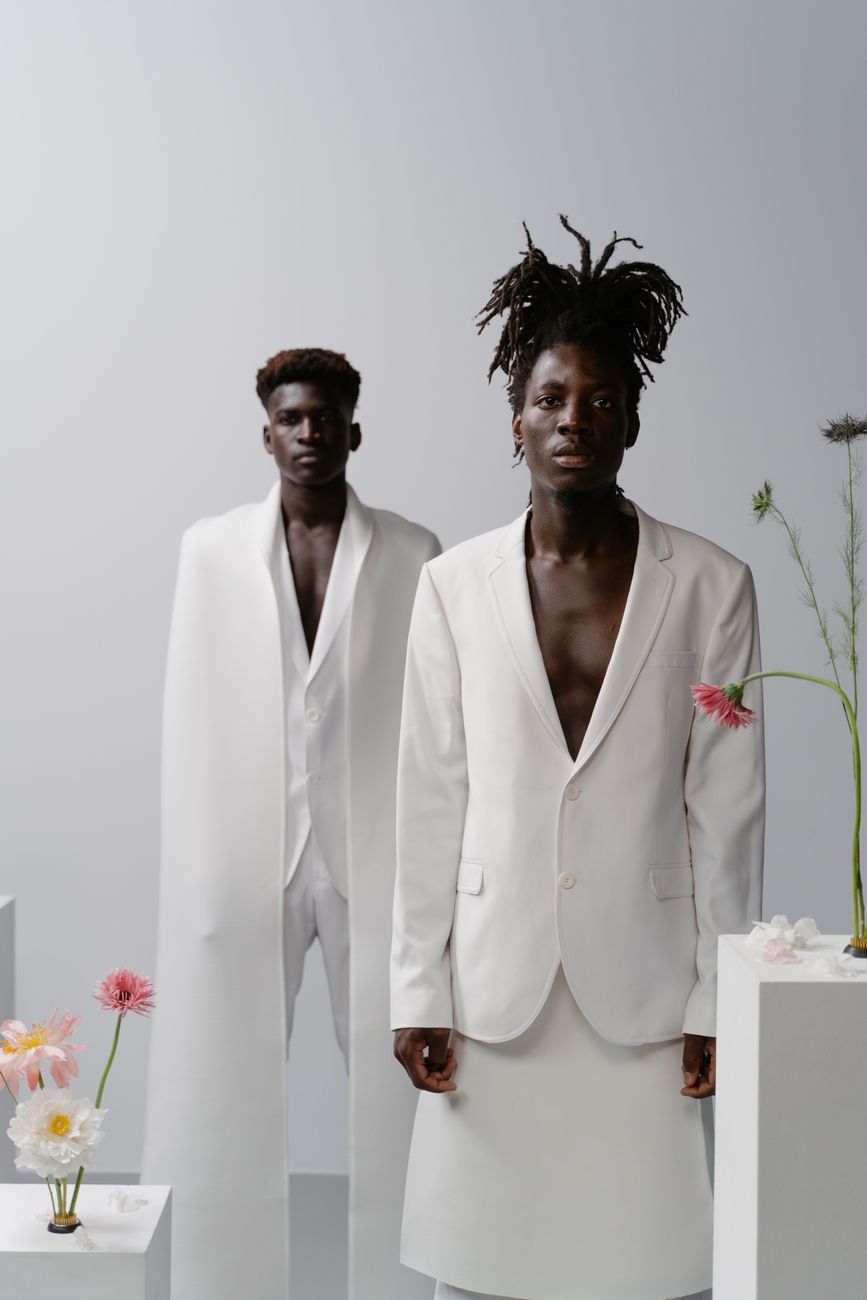
Broadsheet’s backstage piece and the designers’ own Fashion Journal diary both point the same way: the people inside the show were part of its meaning. Every cast member didn’t have to stand in for a political thesis. The bodies in the room were allowed to carry recognition. For queer audiences — for the friends, muses and community figures who orbit labels like this all the time without being centred — that shift isn’t symbolic. It changes how public the joy feels.
An analyst scanning AFW’s anniversary slate would say the week now rewards immersive storytelling, venue intelligence, emotional coherence. All true. But that language misses the more human question: did the show make the people it claimed to speak with feel inside it? Community casting kept surfacing in the coverage, which suggests yes, at least partly. Not accidental. Craft.
Here’s why this didn’t read like a generic inclusive runway. Those are easy to spot: they arrive pre-explained. Feint trusted atmosphere more than slogan. Riskier. Also: it lands harder when it works.
After the applause
Writing about Australian Fashion Week the old way is easy. The trend piece, the standout looks, the ranked winners — useful shorthand that collapses a show into three adjectives and a shopping forecast. Plenty of that coverage exists, and some of it is fun. Marie Claire’s week-in-review and the Guardian’s best looks gallery do the brisk visual work of the week well enough. That mode would have missed the actual force of Nicol & Ford, though.

What made this show feel essential wasn’t the loudest silhouette. It understood something about where the audience’s appetite has moved. At 30, AFW no longer looks most alive when it mimics the global luxury circuit with bigger lights and faster social clips. It looks most alive when a designer builds a room with an inner life, then lets the clothes move through it like evidence.
Katie-Louise and Lilian Nicol-Ford said as much in that same Fashion Journal photo diary, describing the space around Feint as more than backdrop:
“It’s also a space for provocation… a way to bring research, form, movement and place into dialogue.”
— Katie-Louise and Lilian Nicol-Ford, Fashion Journal
Academic, in the wrong hands. Here it reads like a working method. Research, form, movement, place — not separate departments in this show. They’re the mechanism that kept queer joy from being flattened into a theme.
I’m less interested, in the end, in deciding whether Feint was the best show of the week. Wrong scale for what it seems to have done. What stays with me is the feeling, reported from multiple angles, that the room itself had softened — that people inside it were being asked not simply to admire but to breathe. In a darkish cultural moment, that can sound small. It’s not small. Sometimes the most defiant thing a runway can do is refuse to mistake volume for life.

The Lifestyle Desires brief
Style, food, travel and wellbeing — weekly in your inbox.
Subscribe