Where Australian fashion still feels alive
AGWA's Pulse in Perth suggests the liveliest Australian fashion stories are happening outside the usual runway circuit, in clothes still rough with local feeling.
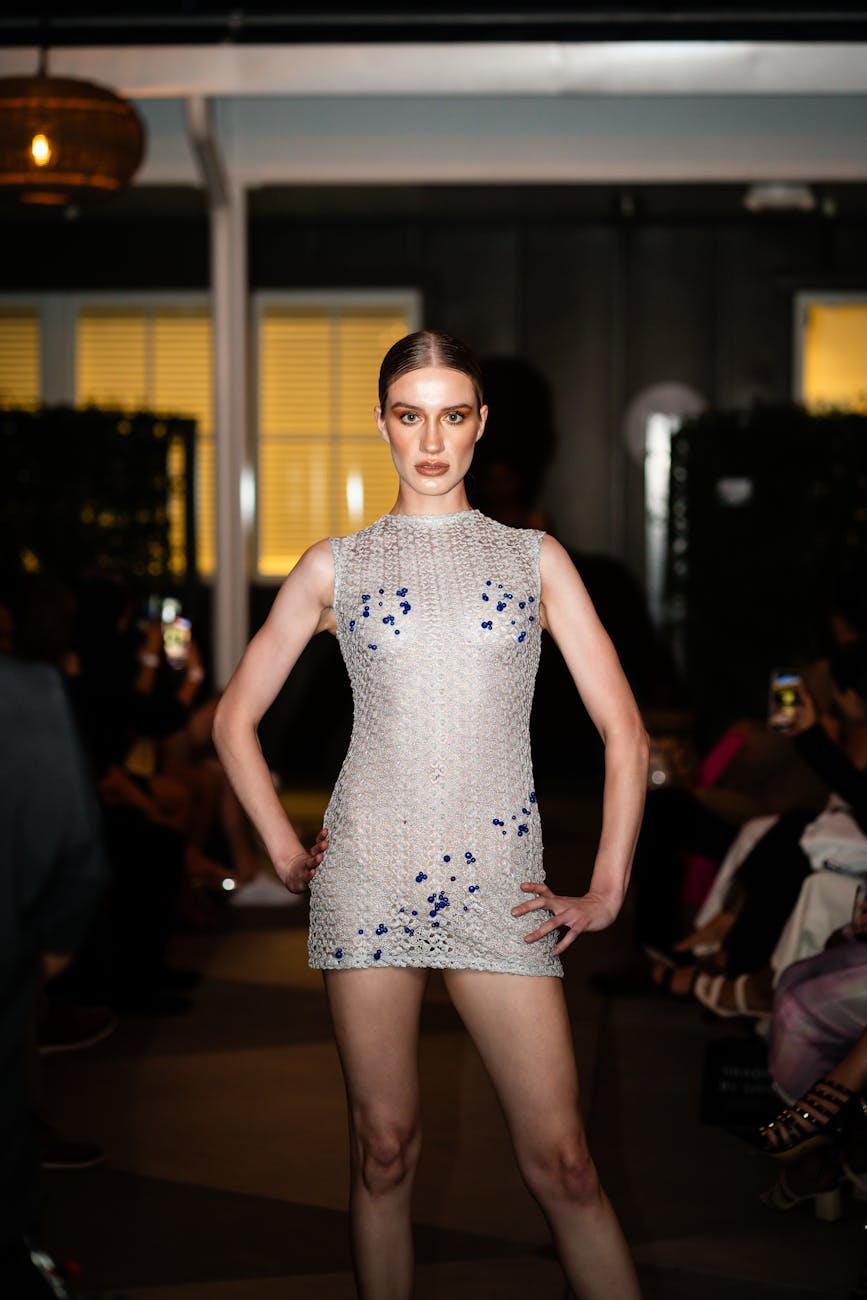
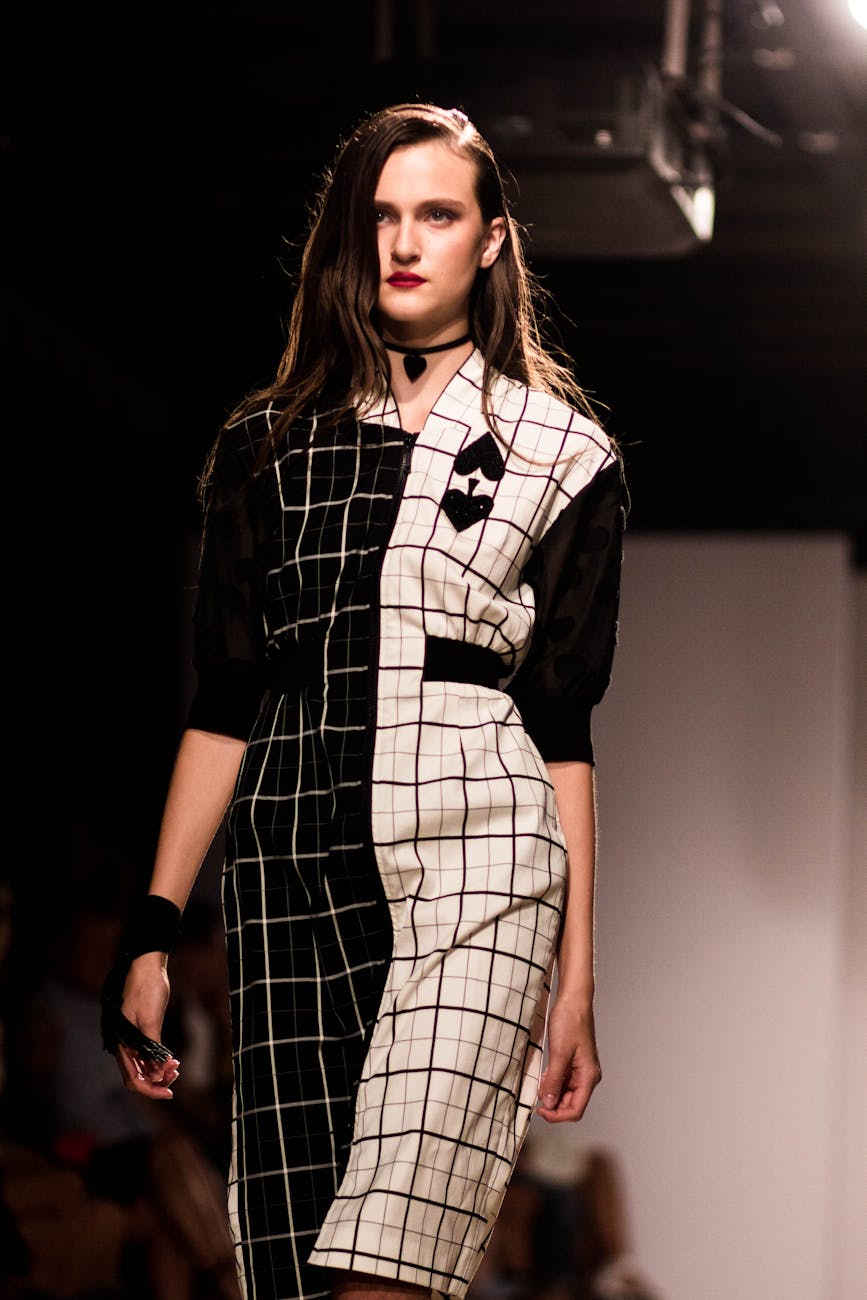
The mood around Art Gallery of Western Australia’s Pulse is the sort of fashion mood I trust almost on sight: not finished, not fully house-trained, still a little argumentative. Thirty graduates from three Perth institutions are showing this year, the gallery hosting the runway for a fourth consecutive season, and even those dry facts feel secondary to the texture underneath. The collections singled out ahead of the show don’t read like trend decks translated into clothes. They read like young designers pulling at the things that actually surround them: horses and club lighting, purity politics and online misinformation, Filipino heritage and the slow, expensive business of making garments worth keeping.
I spend a lot of time reading the east-coast conversation about Australian fashion, and I’m not especially immune to its glamour. Sydney still knows how to make a week feel like a verdict. The designers making their Australian Fashion Week debuts in 2026 matter. The event’s new home this year matters too, at least in the logistical, industry-facing sense. But a graduate showcase in Perth can show you something those big recaps often miss. It can reveal where fashion still feels porous enough for local experience, awkward politics and half-formed obsessions to get into the room before a brand becomes too polished to admit where it came from.
I keep circling back to Olivia Grace, a North Metropolitan TAFE graduate whose collection, Disc Jockey, pulls together equestrian references and rave culture.
On paper, that combination could collapse into gimmickry in about six seconds. In practice, the details feel oddly convincing. Grace described wanting to bring together “something structured and historical” with something “spontaneous and freeing”, and the image that lingers is gloriously tactile: more than 100 knitted bubbles clustered on one sleeve. You can almost see the labour in it. The refusal to sand the idea down into something universally legible — you can feel that too. Good young fashion very often arrives like that. A little stubborn. Slightly overcommitted. More interesting for it.
Sasha McDonnell, the Curtin graduate behind the Due Process collection, is working with an even touchier set of references: tradwife culture, misinformation and purity politics. Fashion writers can get lazy around clothes with a clear thesis. We start using the garments as caption cards for the concept — a fast way to flatten both. Still, McDonnell’s framing is sharp enough to stay sharp on the page: “Misinformation and purity culture are two of the biggest battles that women face today.” I like that this has made it into a student runway in Perth rather than being softened into the vague language of empowerment that so much commercial womenswear prefers. It suggests a scene still comfortable with friction. Not every reference needs to be pretty. Some of them should bite a little.
Edelcita Milan, from South Metropolitan TAFE, folds luxury ambition into Filipino cultural heritage and slow fashion. Her description of the collection is simple, which is perhaps why it lands: “My intention is to make luxury garments but bring in my Filipino cultural heritage to it.” That sentence carries more weight than the usual sustainability boilerplate because it joins identity, material value and pace in one breath. Slow fashion, emptied out by marketing departments, can feel like a tasteful synonym for expensive basics. In the hands of an emerging designer trying to locate herself culturally as well as aesthetically, it regains some urgency. It becomes a question of what deserves time, whose references deserve care, and what kind of finish is possible when you’re building clothes against speed rather than in service of it.
Perth is useful here precisely because it sits slightly outside the reflexive Sydney-Melbourne feedback loop. Distance can be brutal on a fashion career. It can also be clarifying. A Broadsheet piece on the Perth scene argued there’s “something in the water out west”, and while I’m usually suspicious of regional mythmaking, I understand the temptation. Scenes on the edge often develop better instincts because they can’t rely on proximity alone. The clothes have to carry more of the argument. The references tend to stay local for longer. The ambition looks less like smooth inevitability and more like a decision someone keeps making, sometimes against the grain, because they want to build a life in a place not everyone in fashion is trained to watch.
A similar logic runs through the way younger West Australian designers talk about fast fashion. Your Local Examiner recently profiled a Perth designer determined to push against the city’s infatuation with disposable clothes — not a small ambition in a market where speed and sameness are always the cheaper sell. That piece sat with me because it framed the work as civic as much as aesthetic. Clothes are not only about taste. They’re also about what a city rewards, what it funds, what it notices, and whether emerging makers are asked to imitate a broader market or to thicken the character of the place they already live.
The institutional setting matters too. AGWA is not an incidental venue. When an art gallery turns a graduate runway into a public cultural event, keeps backing it year after year and asks people to pay about $50 a ticket, it quietly changes the scale of the proposition. It tells young designers that their work belongs in the same civic conversation as art, design and public culture, not in the polite afterthought category reserved for student showcases. It also tells audiences to show up differently. Less as consumers hunting the next finished product. More as witnesses to process, experimentation and the occasionally messy business of figuring out what you actually want to say with clothes.
Public fashion events can go strangely flat when they’re over-sponsored and over-explained. Pulse seems to be avoiding that. Because it’s attached to a gallery and a graduate ecosystem, the appeal isn’t that the clothes are already solved. It’s that the audience gets to watch ideas in motion. In a national industry that often mistakes finish for seriousness, there’s something quietly corrective about being asked to look at experimentation without apologising for it. I don’t think this means Perth is some purer fashion utopia, or that the east coast has stopped producing anything vital. The national stage still matters. Designers want buyers, press, manufacturing relationships, and the dense social circuitry that Sydney can offer. Anyone pretending otherwise is performing a kind of anti-metropolitan romance I don’t buy. Still, scale and polish create their own deadening effect. Once every collection is pre-explained, media-trained and circulated through the same narrow set of references, you lose the strange small shocks that make fashion worth watching in the first place.
Fashion prefers a centre. It always has.
Pulse feels revealing right now. The work arriving out of Perth doesn’t yet sound overhandled. One collection rubs equestrian order against rave release. Another drags tradwife iconography into an argument about misinformation. Another treats heritage not as moodboard garnish but as the centre of the garment’s value system. None of these impulses are neat, and I wouldn’t want them to be. Young designers should still be allowed some excess. They should still have room to overstate a point, to make something strange, to leave a seam visible. If Australian fashion is going to stay alive beyond its own publicity cycle, it needs more of that rawness, not less.
There’s also something faintly corrective in seeing this happen in Western Australia, where the industry story has so often been written from elsewhere. Fashion in Australia can become absurdly east-coast in its imagination of itself. The interesting labels are in Sydney. The serious buyers are in Melbourne. The national conversation runs along a fairly familiar axis, and everyone outside it is expected to be grateful for occasional inclusion. A showcase like Pulse nudges against that map. Not by shouting. Simply by existing with enough confidence, enough specificity, enough live creative tension that the usual hierarchy starts to look provincial in its own way.
Maybe that’s the real appeal of emerging-fashion shows when they’re done well. They let you catch a scene before consensus arrives and tidies it up — before the line sheets are finalised, before the collection notes are shaved down into something PR-safe, before anyone agrees on which references count as sophisticated and which ones are too suburban, too regional, too ethnic, too earnest or too odd. I’d still take the messier version. Every time. In Perth, at least for the moment, Australian fashion looks less like a sealed national brand and more like what it actually is when it’s healthy: a cluster of local arguments, stitched into clothes, asking to be taken seriously.
The Lifestyle Desires brief
Style, food, travel and wellbeing — weekly in your inbox.
Subscribe