Why Ngali's Fashion Week return felt bigger than a runway slot
Ngali's return to Australian Fashion Week did not need spectacle to land. Denni Francisco's Wander with Wonder made a calmer, sharper case for what Australian style can hold.
By the third day of Australian Fashion Week, my eyes usually start to slide off the runway and on to the circus around it: the sunglasses indoors, the publicists moving at sprint pace, the outfits designed less for clothes than for the small rectangle of a phone screen. Then Ngali came on and the room did something unfashionable. It settled. People looked properly. Not just a quick scan for content, but the slower kind of looking you reserve for clothes that are asking for your attention rather than begging for it.
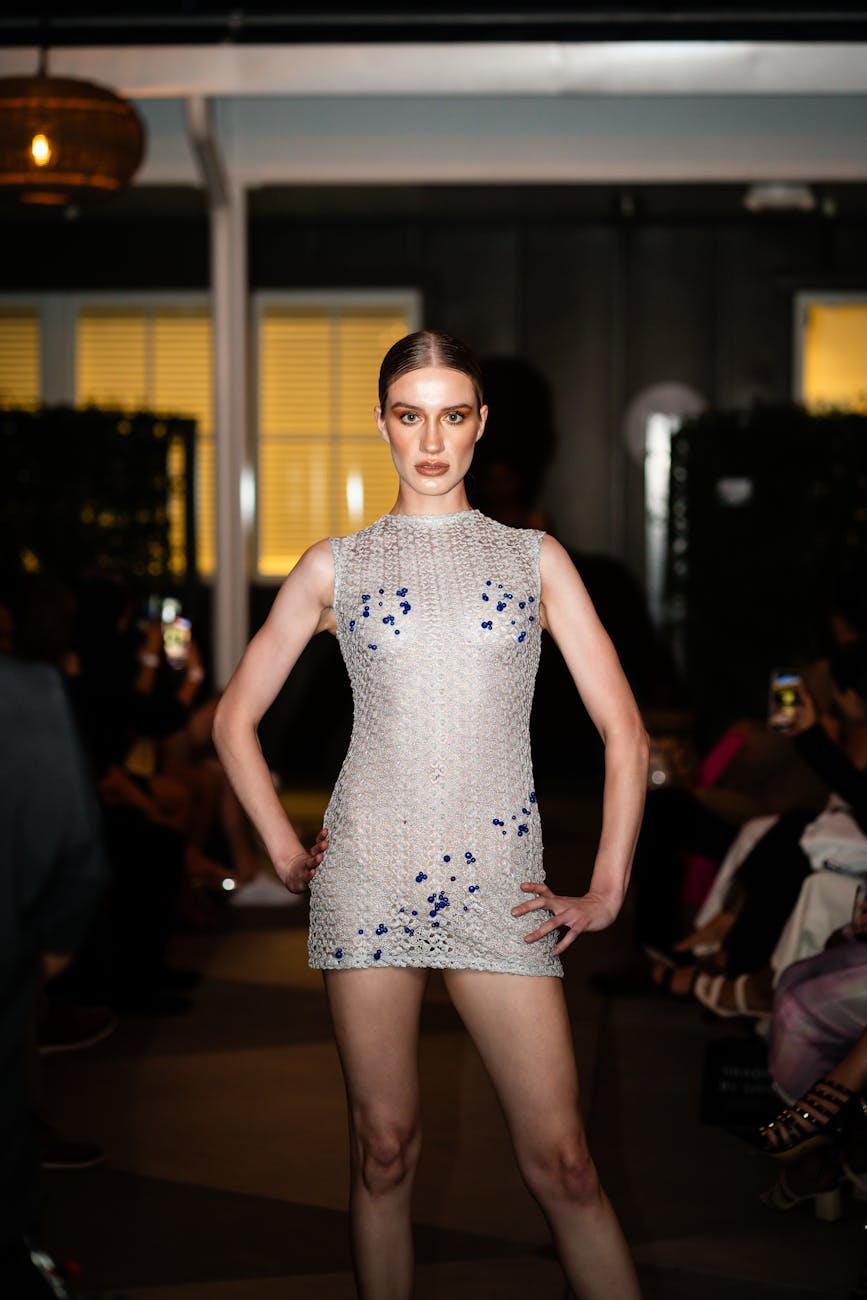
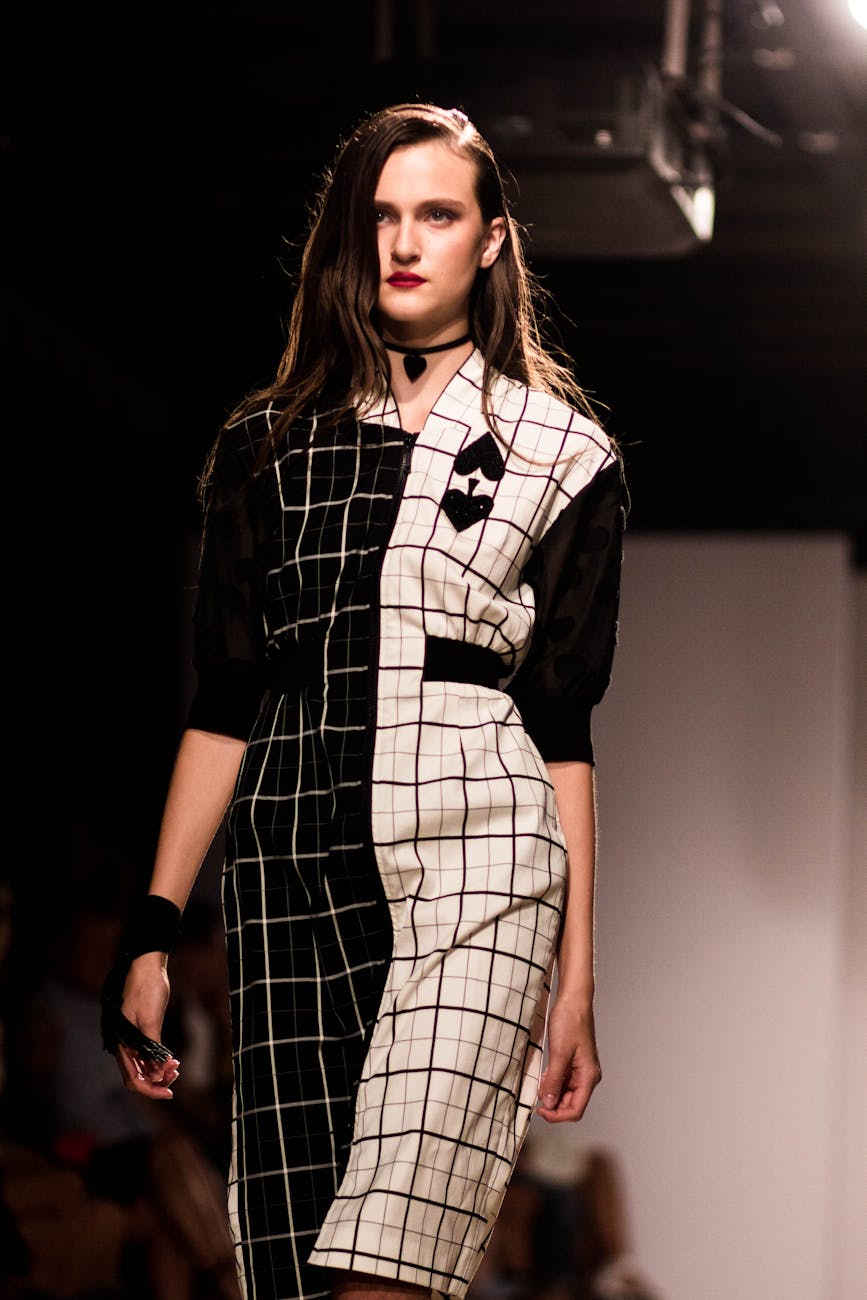
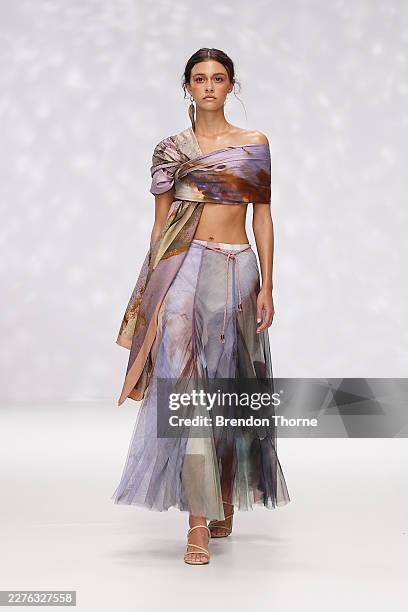
That change in tempo is part of why Ngali’s return to the schedule felt bigger than a single runway slot. Australian Fashion Week can reward volume: more noise, more personalities, more things to post before the next car door opens. Ngali’s collection, Wander with Wonder, moved in the opposite direction. The reporting around the show kept circling the same idea: restraint, cultural integrity, a clear sense of authorship, a majority First Nations model cast.
In a week that often mistakes chatter for conviction, quiet can read as confidence.
I keep coming back to authorship as a measure. Fashion weeks are crowded with borrowed moods and flattened references, and you can usually feel when a label is serving up an aesthetic that has already been pre-chewed for the internet. Ngali sounded nothing like that in the lead-up and, by all accounts, looked nothing like it on the runway. The show was scheduled for 1pm on 15 May, tucked into the official program, but it did not feel tucked away. It felt precise. There is a difference.
For Denni Francisco, the Wiradjuri designer behind the label, the return carried history’s weight without sounding trapped by it. In National Indigenous Times, Francisco said, “It feels incredibly special to be included in the Australian Fashion Week line-up again.” Again is doing a lot of work in that sentence. This was not a novelty booking, nor a one-season pat on the head. A second appearance asks a sharper question: was the first show a headline, or was it the beginning of a different standard?
The answer seems clearer when you remember what Ngali’s first breakthrough represented. As the Sydney Morning Herald noted in 2023, it took 27 years of Australian Fashion Week before Ngali staged the event’s first solo First Nations runway show.
Twenty-seven years is long enough for an industry to mistake its omissions for normality.
Francisco’s return this year reads differently. The point is no longer simply that Ngali can appear on the schedule. The label can return on its own terms and make the week adjust to it. She framed it less as a triumphant arrival than as a continuation. In RetailBiz, she said, “It feels like a continuation — an opening into what’s possible from here.”
I like that phrasing. So much contemporary style coverage is addicted to declaring every decent collection a turning point, and Australian fashion, at its best, has always been more interesting when it resists the international habit of shouting about itself.
Wander with Wonder is an especially pointed collection title in that context. Movement, sure, but not the kind that burns out by the after-party. Curiosity without conquest. The early coverage describes a runway built around restraint and connection, and that feels consistent with the larger Ngali project: clothes as carriers of meaning, but still clothes first. This distinction matters. When fashion writing gets lazy around First Nations design, it can slip into a register where culture is treated as pure symbol and garments become props for a civics lesson. Ngali seems to refuse that trade.
A hard balance to strike.
The show lands in a narrow, difficult place, and lands there beautifully. Read as design, read as authorship — it asks for both at once without letting either collapse into the other. Aesthetic pleasure, but the line back to where the work comes from stays intact. A fashion audience asked to look longer rather than agree quickly. I am wary of making any one runway do too much political labour, especially in a week built to move fast, but insisting the audience slow its pace to meet the clothes — rather than the other way around — is a particular kind of nerve.
Rarer than it should be.
Part of what made Ngali’s return feel so resonant is that Australian Fashion Week in 2026 is already awash in the usual side plots. Street style slideshows. Celebrity attendance. The endless low-stakes argument about whether the week feels “important” enough this year. Ngali offered a sharper answer than any of that commentary could. Importance is not always a matter of volume. Sometimes it is about whether a collection seems to know exactly why it is there. The label did not need to out-glamour the week to define a mood inside it. Clarity was enough.
Francisco put that clarity in simple terms when she said, again in RetailBiz, “Fashion is a soft entry point for people to know more about who we are and our culture.” I think that is one of the smartest things anyone has said about Australian fashion in a while, partly because it refuses two bad habits at once. It avoids the defensive cringe that still dogs local design conversation, and it avoids the opposite temptation to make clothes do the job of a museum wall label. Soft entry point is exactly right. It allows curiosity in. It keeps the encounter human-sized.
You can feel the effect of that approach in how people talk about Ngali when they are not reducing it to a diversity milestone. They talk about the care. The texture. The sense that nothing has been over-explained on the runway because nothing has been under-thought before it. For a label like this, restraint is something more specific than minimalism. Editorial discipline, plain and simple. Knowing that if the work is grounded enough, the audience does not need to be battered into paying attention.
I suspect that is why the collection lingered after the show. Not because it delivered the week’s loudest image. Because it pressed on a live question in Australian style: what do we mean when we say a brand feels local? Too often the answer is a mood board of sun, surf and export-friendly ease. Ngali proposes something more grounded. Place, in Francisco’s hands, does not arrive as stereotype. It arrives as authorship, collaboration and the refusal to let cultural specificity be smoothed into generic luxury.
Something bracing about seeing that proposition inside the formal machinery of Fashion Week itself. A schedule can be symbolic, but it is also practical. It decides who gets the room, the buyers, the editors, the photographs and the afterlife that comes from being recorded as part of the season rather than adjacent to it. When Ngali returns to that machinery and does not bend to its usual appetite for excess, it subtly changes what the platform can hold. That feels bigger than one slot. Bigger, too, than one headline about representation.
Still, I am less interested in congratulatory language than in what the show suggests for the Australian-designers beat from here. The useful question is not whether Ngali belongs. The answer to that is embarrassingly overdue. The better question is whether the rest of the fashion conversation can catch up to the terms Ngali is setting: slower looking, cleaner language, more respect for where a collection begins, and less hunger to turn every meaningful piece of work into content slurry by nightfall.
That may be asking a lot from a week that thrives on acceleration. Then again, fashion changes because certain designers make old pacing feel embarrassing. Ngali’s return sounds like one of those moments. Not a bombastic reset. A recalibration of attention, and maybe of taste. I walked away from the coverage feeling the show’s real accomplishment was not that it demanded the room’s awe. It convinced the room to be present enough for wonder.

The Lifestyle Desires brief
Style, food, travel and wellbeing — weekly in your inbox.
Subscribe