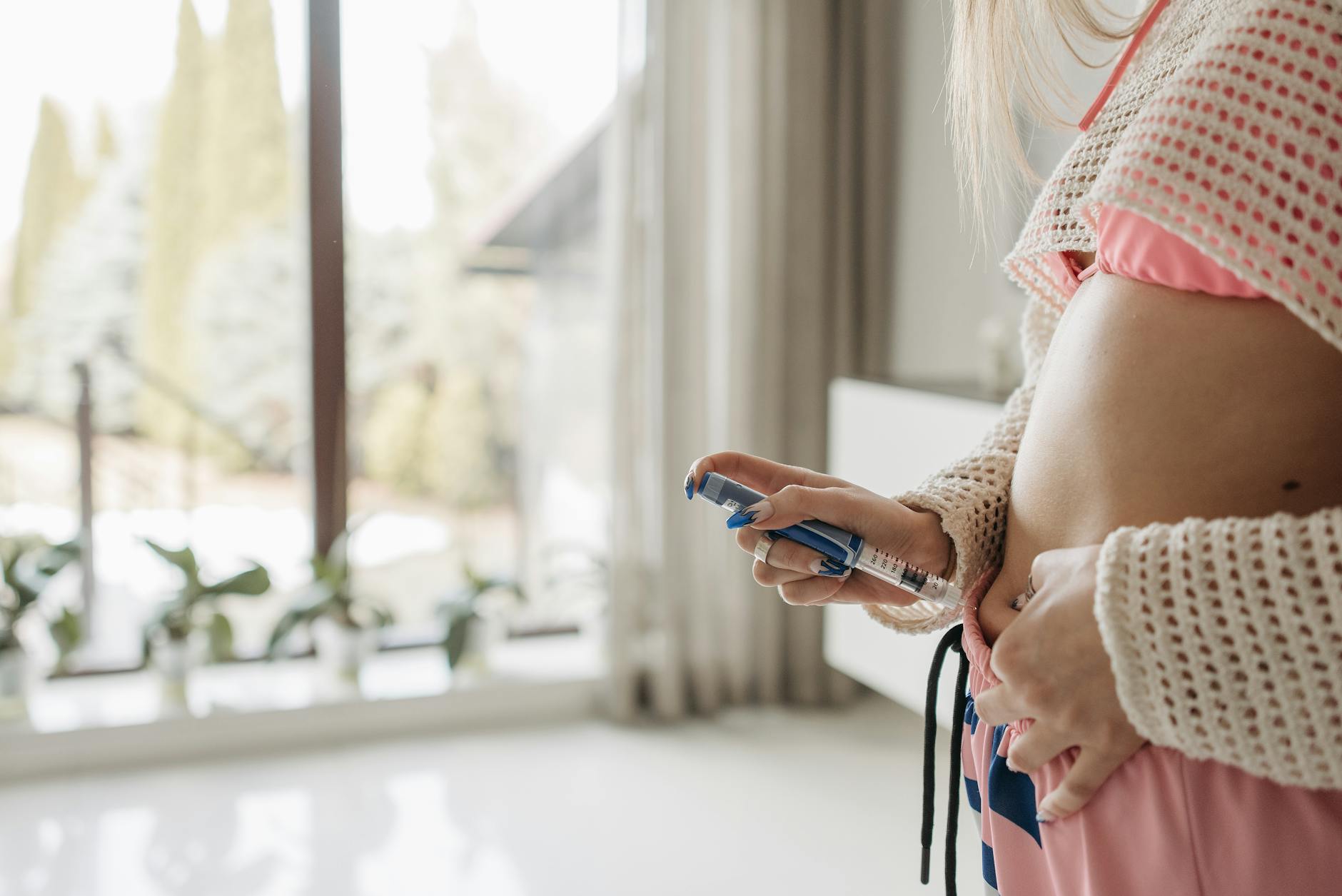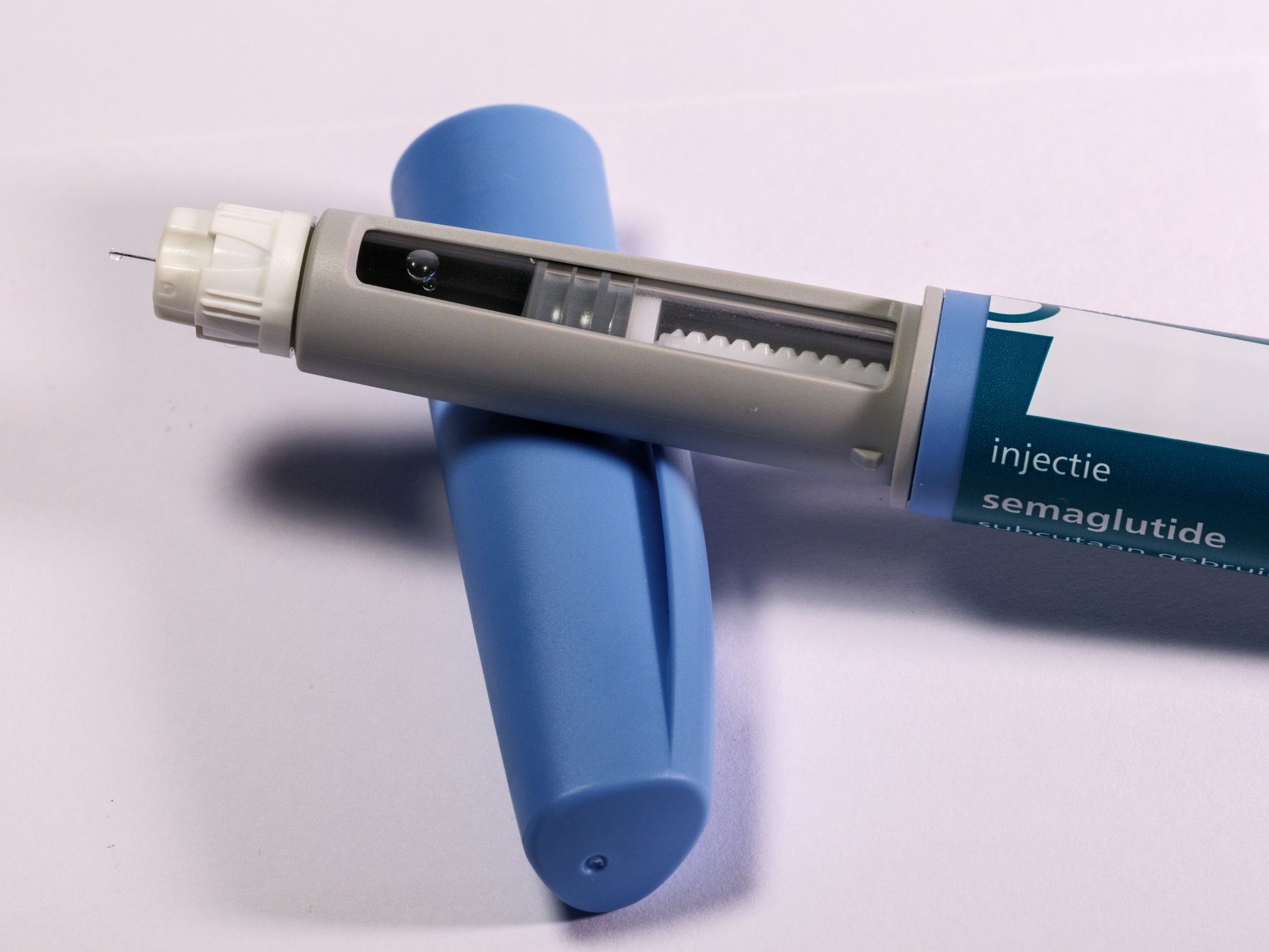
What happens when a needle stops feeling like medicine
The 12% of Americans now on GLP-1s have triggered a second-order beauty economy — from Ozempic face to microdosing, from peptide subscriptions to metabolic skincare.
A friend of mine — late thirties, works in publishing, the kind of person who once described Botox as ‘a line I’m not crossing’ — messaged me last week to ask whether I thought a peptide stack was a sensible birthday present to herself. She’d read the thread on Reddit. She’d priced the vials. The needle part, she said, barely registered anymore. That’s how you know a cultural shift has already happened: when the thing that used to mark the perimeter of normal just becomes another item on the to-do list between dry shampoo and a GP appointment.
America has entered what the Atlantic’s Daniel Engber calls the injection age, and the data makes it hard to argue. In 2025, 12 per cent of all American adults used a GLP-1 drug — the class that includes Ozempic, Wegovy and Mounjaro — and those prescriptions accounted for roughly seven per cent of every script written in the country. That is not a niche. That is a generation quietly reorganising its relationship to appetite, ageing and the line between medicine and maintenance. Meanwhile, 18 million rounds of Botox and filler were administered in 2024 alone, and the peptide grey market — unregulated, online, influencer-driven — is expanding faster than regulators can name it. The needle is no longer a hospital object. It sits beside the serum and the supplement, and nobody is flinching.
My generation — which is to say, the pillbox generation — came of age during the 1990s… In the 2020s, we’re living through a second such transition: the dawning of the needle age.
— Daniel Engber, The Atlantic
But the needle is not neutral. Sociologist Jennifer Reich, writing in the same Atlantic piece, draws a line that’s hard to un-see: the very people who refused a COVID vaccine are now happily injecting unregulated peptides for longevity and libido. One kind of needle is public health; the other is private optimisation. One is about collective safety; the other is about — what, exactly? Looking better at 45? Not being hungry between meals? Feeling your age less acutely? There’s a tension here, and I’m less convinced than the telehealth founders that it resolves cleanly. The injection age is not just a technology story. It is a story about what we’ve decided health is for.
Nowhere is that more visible than in the peculiar economy that has formed around the GLP-1 moment rather than inside it. Read Esquire’s anonymous first-person account of life after Ozempic and you’ll find a narrator quietly panicked — not by the drug, but by the idea of losing the drug, of returning to a body that felt less controllable. The response is a shopping list: collagen supplements, biotin, a men’s testosterone formula called Mars Men, a suite of products promising to fill the metabolic silence the injection leaves behind. This is the second-order market the injection age has birthed: not the GLP-1s themselves, but the anxiety of coming off them.
Plastic surgeons report a post-GLP-1 ‘boom’ in facelifts and skin tightening — the procedures that address what happens after the weight drops. Clinics now advertise ‘Ozempic face’ correction as a line item. And microdosing — taking sub-therapeutic doses of GLP-1s for cosmetic weight loss rather than clinical indication — has become common enough that Harvard endocrinologist Dr Jody Dushay felt compelled to call it out directly in Stat News this week:
Microdosing GLP-1s is not a thing. There are no legitimate long-term data to support it. In fact, there isn’t even a single definition of microdosing for weight loss or any other condition.
— Dr Jody Dushay, Harvard Medical School
Dushay’s frustration is palpable. The drugs exist because they were studied — rigorously, expensively, over years — for diabetes and obesity. The microdosing phenomenon reverses the logic: start with the aesthetic outcome, work backwards to a dose that feels right, hope the safety data follows. It probably won’t.
Meanwhile, the beauty industry itself is reorganising around the injection, and it’s not waiting for the clinical trials to settle. Mintel and Black Swan Data’s latest demand-signal report lists ‘GLP-1 aftereffects’ and ‘metabolic beauty’ as two of the five most significant forces shaping the sector through 2027. This is not fringe. R&D pipelines at major cosmetics houses are pivoting toward ingredients that claim to support skin through rapid weight change, toward supplements that promise to mimic what semaglutide does to inflammation, toward a category — ‘injectable beauty’ — that would have sounded like science fiction a decade ago.
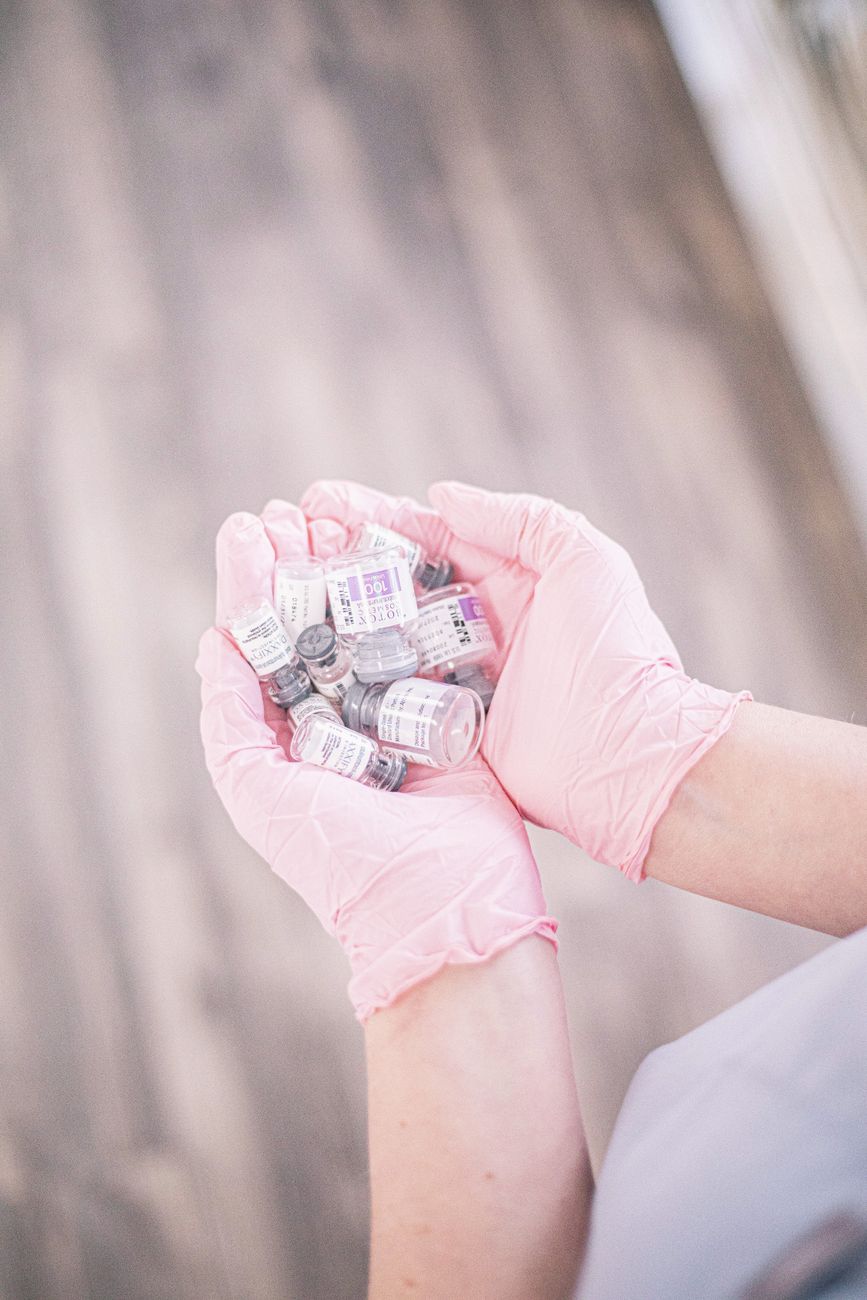
The business logic is blunt. Hims & Hers booked $2.35 billion in revenue last year, up 59 per cent, largely on the back of compounded GLP-1s. Now CEO Andrew Dudum is positioning the company for the next act — peptides, longevity, a Menlo Park factory ready to manufacture injectables the moment the FDA reclassifies them. The playbook is not subtle: capture the GLP-1 customer, keep them inside the subscription, then migrate them to whatever comes next. ‘Wellness’ becomes the container for everything the FDA hasn’t classified yet.
I think about this from an Australian vantage and the picture is smaller but no less telling. The ABC reported this month that unregulated peptide imports are surging, driven by influencers who film themselves mixing and injecting compounds with the breeziness of someone reviewing a moisturiser. Sport Integrity Australia is expanding its testing program to keep up. The TGA issues warnings. But the cultural signal has already been sent: needles are wellness now, and wellness is what you decide to put in your body. The global wellness industry is currently worth $6.8 trillion and climbing toward $9.8 trillion by the end of the decade. Most of that growth is not coming from hospitals.
The injection age didn’t arrive with a policy announcement. It arrived in the quiet accumulation of choices — a friend deciding on peptides, a TikTok review of a compounded semaglutide, a plastic surgeon’s waiting room filling with patients who’d never had surgery but had lost 18 kilos and didn’t recognise their own jawline. I’m not moralising here; I’m watching. The needle is ordinary now, and ordinariness is the most powerful normalisation there is. What we do with that fact — what products we build around it, what regulations we write, what we tell ourselves about who the injection is for — is the question the next five years are going to answer, whether we’re ready or not.

Brisbane-based GP turned health writer. Covers women's health, fertility and the gap between clinic and culture.
The Lifestyle Desires brief
Style, food, travel and wellbeing — weekly in your inbox.
Subscribe