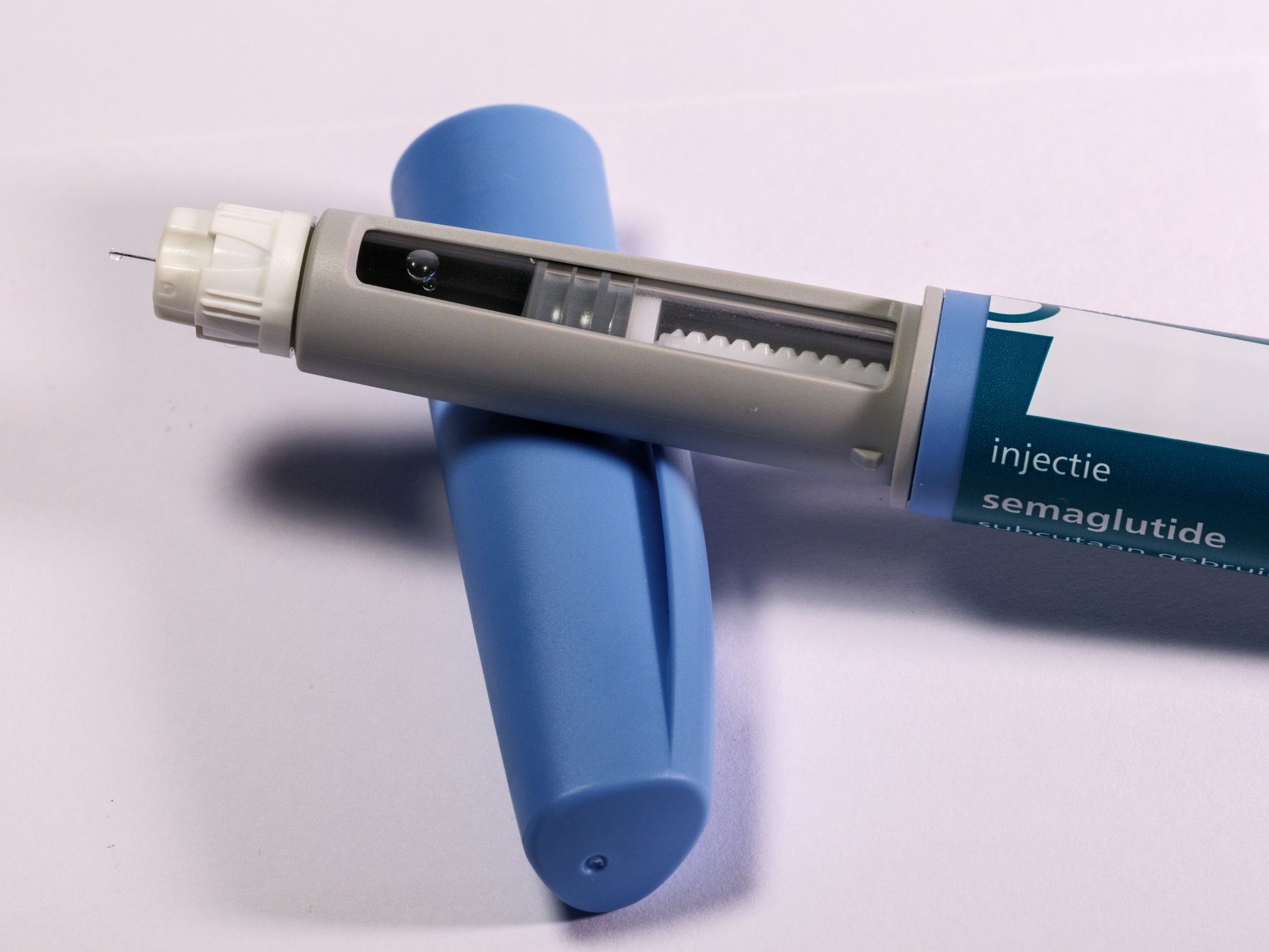
When GLP-1 stops feeling like a miracle
GLP-1 weight loss plateaus are less a personal failure than a messy biological slowdown, and new NIH research shows why certainty still outruns science.
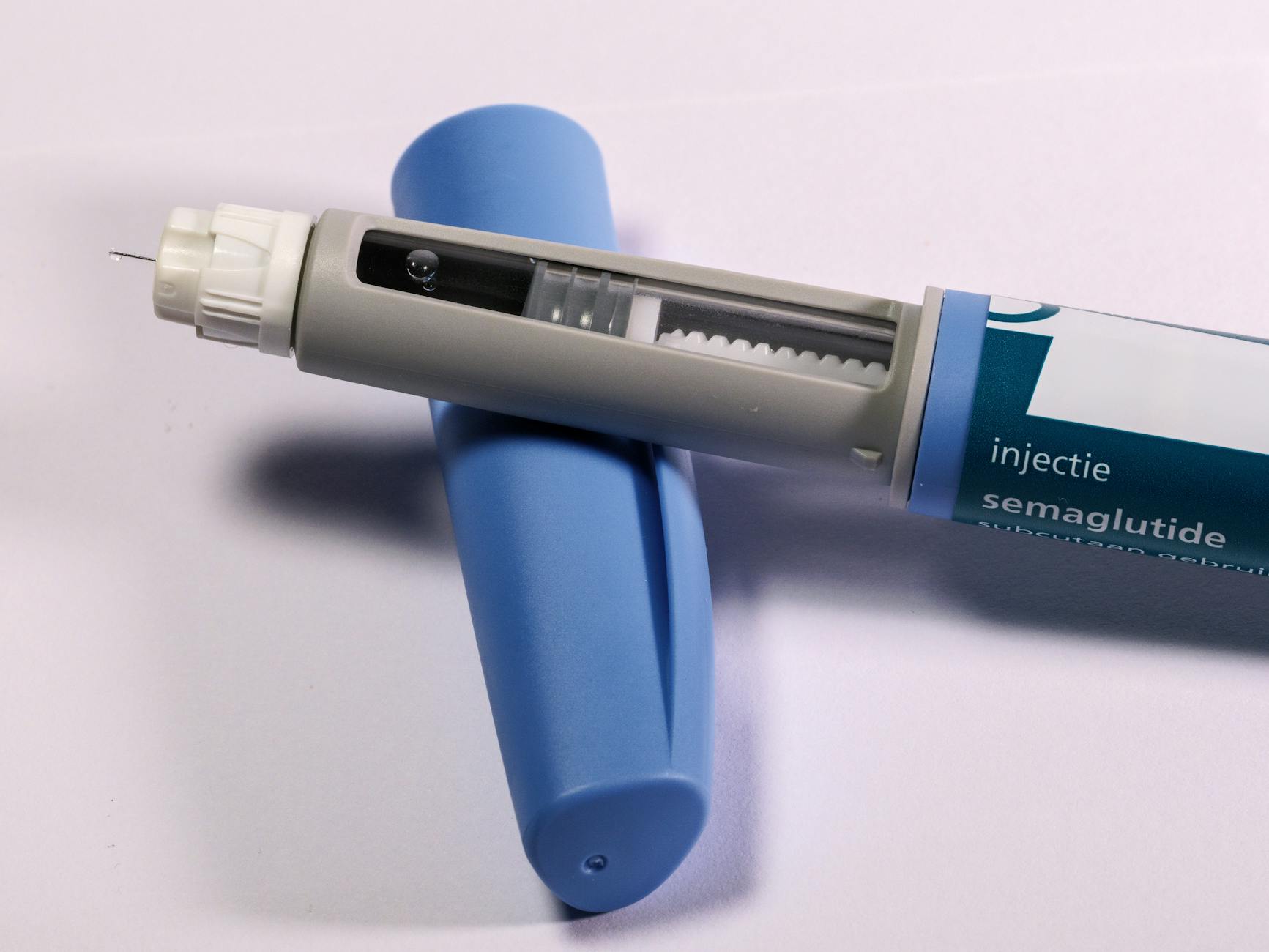
The bleakest part of GLP-1 culture is not the first jab. It is the week when the graph stops behaving. One month the numbers fall with that eerie, slightly illicit speed people still describe as magic; the next, the same breakfast, the same walk, the same pen, and the scale barely twitches. In Reddit plateau threads, the question arrives in a hundred variations: is this normal, or have I done something wrong?
For years, that emotional whiplash has powered the semaglutide era, even if wellness culture prefers a cleaner story. Wellness likes a straight line: the weight comes off, the appetite quiets, the food noise fades, then discipline and dose do the rest. The new NIH research on semaglutide’s plateau effect points somewhere messier, and more humane. The slowdown may belong to the biology, not a moral slip.
Once a drug turns into a lifestyle genre, every stall attracts interpretation. Protein gets blamed. Stress too. Bad sleep, weak dosing, poor habits, the wrong clinic, the wrong coach. Some of that may matter. Even so, the appetite for certainty outran the evidence years ago, which is why this plateau research feels less like a breakthrough than a correction.
Yes, the study is in mice, and that matters. It arrives just as the broader Nature analysis of semaglutide’s rise argues the field is leaving miracle-drug rhetoric for a harder conversation about maintenance, durability and awkward unanswered questions. From the lab bench, though, the evidence looks different from the view of a patient staring at a stalled graph. GLP-1s have not simply stopped working. We are only beginning to see how unevenly they work inside the brain, cell by cell, person by person.
Wellness culture mostly skipped that part. Plateaus are usually framed as a user problem, a willpower problem, a dosage problem. To me, the more interesting point is what the plateau exposes: just how much certainty got built on top of a drug class medicine is still reverse-engineering in public.
The graph was never going to be a staircase
The NIH team does not seem to have found a switch that flips off. More like a signal that fades unevenly. In the brain region called the area postrema, semaglutide activates appetite-regulating neurons through pathways that do not respond in exactly the same way across cells. If you have ever wondered why one person’s early GLP-1 run looks cinematic and another person’s becomes a slow grind, that seems a plausible place to start.
Andrew Lutas was blunt in the NIH release: the researchers are still mapping the basic mechanism.
“We know much less about the nuts and bolts of what goes on within the neurons that these medications target.”
— Andrew Lutas, NIH
The tone matters as much as the content. It resists the smooth before-and-after logic that sold so much GLP-1 commentary. Instead of a neat machine with one lever, the researchers describe a messy network whose internal chemistry changes over time.
Later, Michael Krashes put the variability more bluntly:
“It was not an all or nothing phenomenon. We observed that cAMP responses across cells varied on a continuum.”
— Michael Krashes, NIH
For patients hitting a plateau, that still leaves the practical question hanging. How do you tell a normal slowdown from total failure? Right now, not cleanly. A flatter curve does not necessarily mean the drug has run out. It may simply mean the response has shifted from the first dramatic phase into something lower, patchier and more maintenance-shaped. Patients were sold a story of uninterrupted descent, so any pause can feel like evidence of personal collapse.
The next race is less about drama
From an analyst’s angle, this is more interesting than the usual lifestyle chatter. The first chapter of GLP-1 culture was about how quickly weight could fall; the next will be about durability, side effects and how few injections or switches patients need to endure. That is why the recent retatrutide coverage in the Guardian matters even if you never plan to take another weekly shot.

The New York Times’ science report says Eli Lilly reported average losses of 28 per cent of body weight after 80 weeks on retatrutide. Strip away the share-price noise and the figure signals competitive pressure: not just bigger losses, but a fresh attempt to solve the flattening that makes current GLP-1 use emotionally exhausting. The market has already moved from does it work to how long can it keep working, and at what cost.
I am not convinced by any narrative that treats the NIH paper as an imminent fix. The skeptic’s point stands. A clever mouse result is not a clinic. In mice, blocking PDE4 with roflumilast seemed to extend semaglutide’s effect. Interesting, yes. Still not the same as a safe, elegant add-on for human obesity care. A drug can look crisp in a mechanistic study and turn clumsy once side effects, adherence and dosage enter the room.
Then there is access, which wellness coverage still treats as scenery. In the US, Maryland’s affordability board has moved to cap what can be paid for Ozempic, a reminder that the plateau story is also about money, not just molecules. The drugs are already altering treatment pathways more broadly. The Hill reported this week that rising GLP-1 use appears to be cutting into bariatric surgery volumes. That is how entrenched this class already is. No one is waiting for a perfect next-generation shot before reorganising care around the imperfect ones.
Culture has started reorganising itself around the medicine. The New York Times recently wrote about wardrobes changing in the era of weight-loss drugs, which sounds frivolous until you sit with what it means. Once a medicine starts reshaping closets, surgeries and dinner-table talk, a plateau stops being a private metabolic event. It becomes a cultural disappointment, then a commercial one.
For readers, the useful consequence is awkward. A plateau is not proof the drug was hype, and it is not proof the patient failed. More often, it is proof that biology hates straight lines. The Neuroscience News reporting on the study caught that point well: semaglutide seems to be working through multiple signalling routes rather than a single clean channel. Less glamorous, yes. Also more honest.
In a culture that has spent two years treating GLP-1s as a correction to appetite, wardrobe, discipline and desire, honesty is a harder sell than transformation. It may be the only useful one. If the field is moving into a maintenance era, patients need plainer language about stalls, switching, side effects and what working means after the first rush. They do not need another fantasy of frictionless shrinkage.
My reading of the NIH paper is modest, not triumphant. Science now has a better clue about why the line on the graph goes flat. It does not yet have a fix that deserves to be sold as certainty. Maybe that is the admission wellness culture has resisted all along: GLP-1s were never magic. They were always medicine, and medicine is messier than the story.

Brisbane-based GP turned health writer. Covers women's health, fertility and the gap between clinic and culture.
The Lifestyle Desires brief
Style, food, travel and wellbeing — weekly in your inbox.
Subscribe