What Forrest Beach learnt when the space balls arrived
Forrest Beach space balls turned a quiet north Queensland town into a global curiosity, and locals answered with jokes, caution and a sense of place.
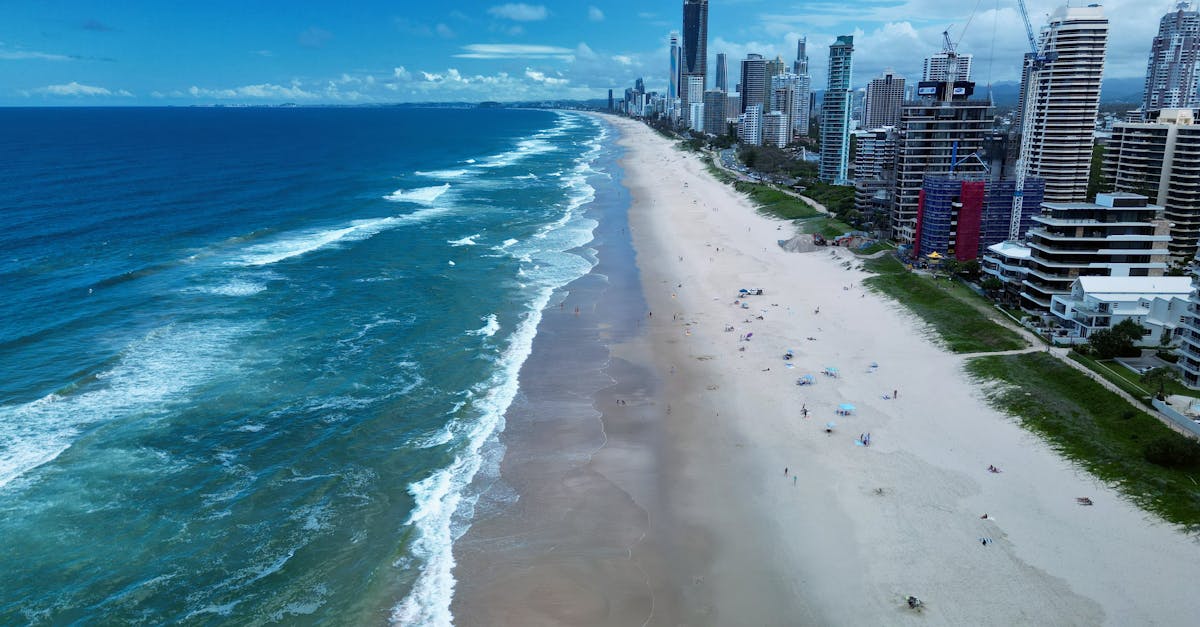
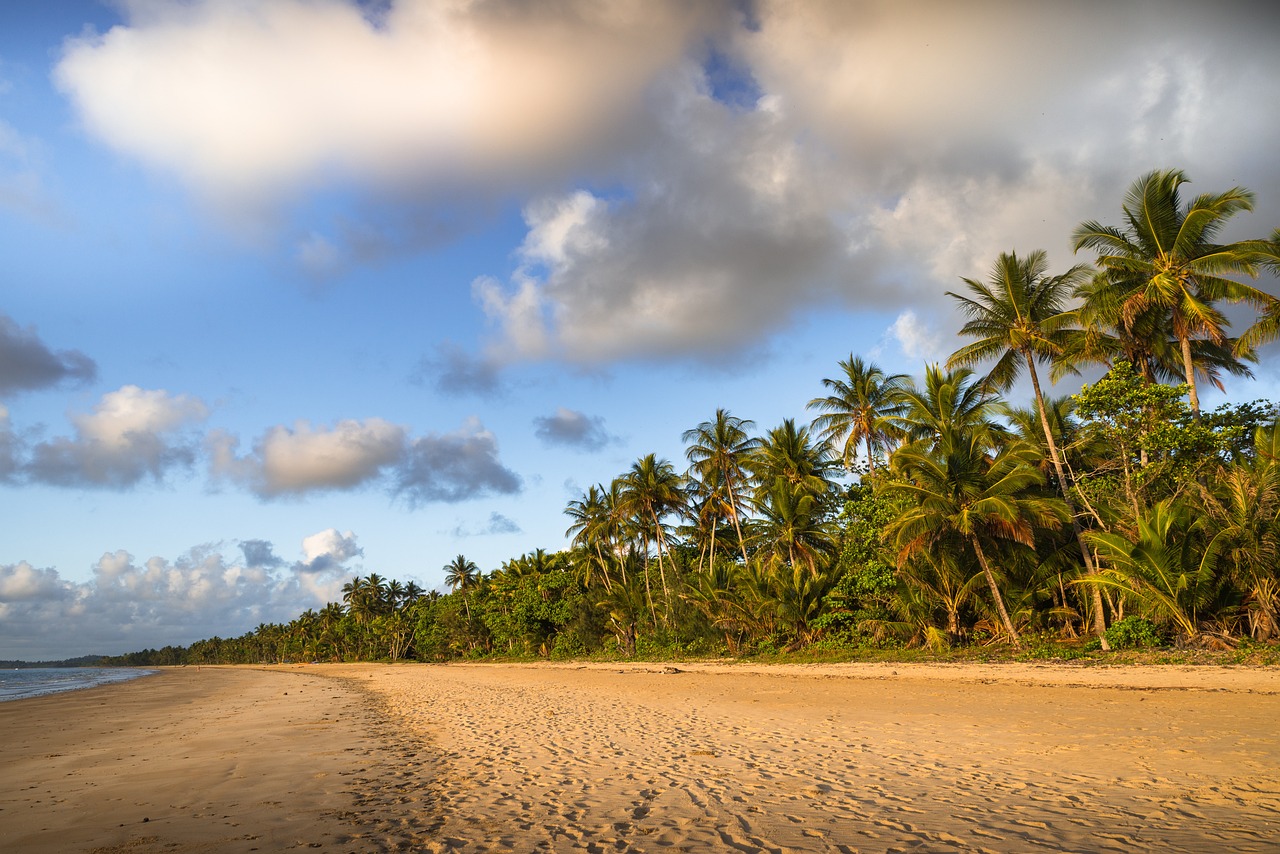
Forrest Beach sounds, from a distance, like the kind of place that keeps time by school runs, tides and who is open for chips. It is about 90 minutes north of Townsville, home to fewer than 1,500 people for much of the year and roughly 2,000 in winter. Lisa Scobie gave the neatest version of it: a place where your kids can go fishing before school.
Then six metal spheres washed up on the beach. Just like that, the town inherited the sort of myth small places almost never get to choose. Strangers who had never needed to know Forrest Beach were suddenly repeating its name because of “space balls”. Funny, yes. Also a bit exhausting, I imagine, when someone local still has to open the shop, answer the same question for the tenth time and work out whether the odd thing on the sand might hurt someone.
The more I sit with it, the less it feels like a science story. It is a story about scale. A town this size feels close even on a busy week. Put a 50-metre exclusion zone around six mysterious objects, add camera crews, group chats and overseas headlines, and ordinary coastal life starts to look cinematic to everyone else. From inside the town, I suspect it looked more like an interruption people were trying to meet with manners.
That is the part outsiders tend to skip. When a story becomes funny to the rest of us, someone on the ground still has to decide whether the beach is safe, whether the kids can go near it, whether the joke has already become an inconvenience. Forrest Beach met the spectacle with wit. Authorities met it with caution. Both responses made sense.
A place that usually keeps its own time
Forrest Beach does not sound built for virality, which is partly why the story travelled. The appeal in the reporting is the opposite of spectacle: routine, weather, a school small enough that people know one another, a beach that belongs to locals before it belongs to anyone else’s idea of Queensland. The contrast was almost too easy: a sleepy North Queensland town, six metallic spheres, and a world hungry for a pocket-sized weird thing to pass around.

The attention seems to have changed the town’s proportions more than its facts. The objects appeared over a few days. The population did not shift. The tide kept going out and coming back in. But the coverage moved quickly, from local reports to international curiosity pieces, and the fact that Engadget was suddenly writing about Forrest Beach tells you plenty. A place can be physically unchanged and still feel exposed once the outside world starts narrating it back to itself.
That is the local part of the story, and it matters more than the novelty. Residents and school families were not extras in a viral scene. They were waking up the next morning with the same errands, the same beach and the same kids, except now the backdrop had hazmat tape and a faintly ridiculous international subplot. When a town becomes famous for a week, the fame is almost never something locals ordered in.
Because Forrest Beach only swells to about 2,000 people in winter, even mild disruption lands differently there. A quirky aside in a city becomes, in a smaller place, repeated questions at the counter and unfamiliar cars slowing near the sand. I am wary of making that sound romantic. Sometimes small-town resilience is just unpaid labour with better manners.
The joke, before it hardens into branding
Small communities often understand the timing of a joke. Get there first and it can be a shield. In The Guardian’s reporting, Scobie turned the whole thing into commerce with a wink rather than a surrender: a takeaway special, an AI-made Facebook image, a way of treating the spectacle as something the town could partly stage-manage instead of simply absorb.

“We created a special menu item, the Space Junk Snackbox.”
Lisa Scobie, via The Guardian
That line lands twice. It is funny, obviously. It is also a tactic. If strangers are going to arrive with their own story about your town, better to answer with a joke that still sounds as if it came from behind the counter. Better the Snackbox than a week narrated only through official warnings and imported wonder.
Scobie said the truer thing elsewhere, and it is the one that stays with me.
“We’re a sleepy little place, somewhere where your kids can go fishing before school.”
Lisa Scobie, via The Guardian
There is a protective instinct in that sentence. She is not only describing Forrest Beach. She is drawing a border around what the town would like to remain when the attention moves on. The spectacle might be marketable for a weekend. The identity worth keeping is slower, less legible and more local. That, to me, is how a place resists becoming its own novelty merchandise. It laughs, but it keeps insisting on ordinary life.
The people paid to ruin the fun
The joke works because somebody else is doing the anxious part. While the internet got to enjoy the phrase “space balls”, authorities kept warning that the objects should be treated as hazardous. That is the regulator’s problem in miniature: how do you tell people not to touch the strange shiny thing on the beach without making the whole episode even bigger?

Early reporting from the beach showed hazmat-suited crews working the sand, which must have changed the mood in a hurry. Risk stops being abstract when the caution tape is on your local shoreline.
The practical answer was plain. Keep away. Assume the objects could be dangerous. Let professionals handle them. For residents, that is also the answer to the obvious next-day question: what happens if another one washes up tomorrow? Not curiosity first. Not souvenirs. Distance first. The 50-metre rule is not cinematic, but it is useful, and usefulness is what small towns need when outside attention turns them into a story.
The wider frame comes from space archaeologist Alice Gorman’s comments to ABC, which broaden the story without stealing it from the town.
“We are going to see more of this — more rockets means more space junk.”
Alice Gorman, via ABC News
Here Forrest Beach stops looking like a one-off oddity and starts looking like an early lesson. Pressure vessels survive. Launch traffic rises. Debris does not vanish into abstraction just because it began in orbit. Still, Gorman’s point keeps the human scale intact. More space junk does not mean headlines in some vague global sense. It means more beaches, more councils, more communities absorbing a global industry at the edge of ordinary life.
What the town keeps after the cameras leave
By the time a story like this reaches overseas outlets, it tends to harden into fable. A mysterious sphere appears. A charming beach town responds. The internet nods along. That version is not false, exactly. It is just thinner than the lived one. It misses the awkward timing, the repetition, the mild intrusion, the fact that local routine does not pause because the rest of us have found a photogenic absurdity.

What Forrest Beach seems to have understood quickly is that there are worse ways to be seen than through comedy, but comedy is only tolerable when it leaves texture alone. The town became globally legible through the weirdest possible object, yet the details that make the story stay in the mind are domestic: a takeaway owner at the till, kids fishing before school, a beach that is still mostly a beach when the cameras go home.
I do not think the lesson is that small towns should turn every bizarre moment into free publicity. I think it is closer to the opposite. Sudden visibility works best when the place underneath refuses to perform too hard. Forrest Beach answered spectacle with a grin, sold the Snackbox, respected the warnings and kept talking about itself in the language of local routine.
That seems wiser than it first appears. Plenty of places are seen before they are understood. Forrest Beach, in this odd little week, managed to keep some authorship over the gap between the two.

The Lifestyle Desires brief
Style, food, travel and wellbeing — weekly in your inbox.
Subscribe