What MIFF 2026 is programming for the mood we're in
MIFF 2026 program leans on prestige, music docs, local premieres and live events, all aimed at audiences craving a proper night out.
Every July, Melbourne briefly turns into a city of heroic self-deception. People who have not willingly stayed upright past 10pm since Easter start talking, with a straight face, about doing three films in a day. Maybe four, if the tram gods behave and the coffee line at ACMI shows mercy. I say this with affection because I do it too. A festival pass in winter is part fantasy novel, part social plan, part private dare.
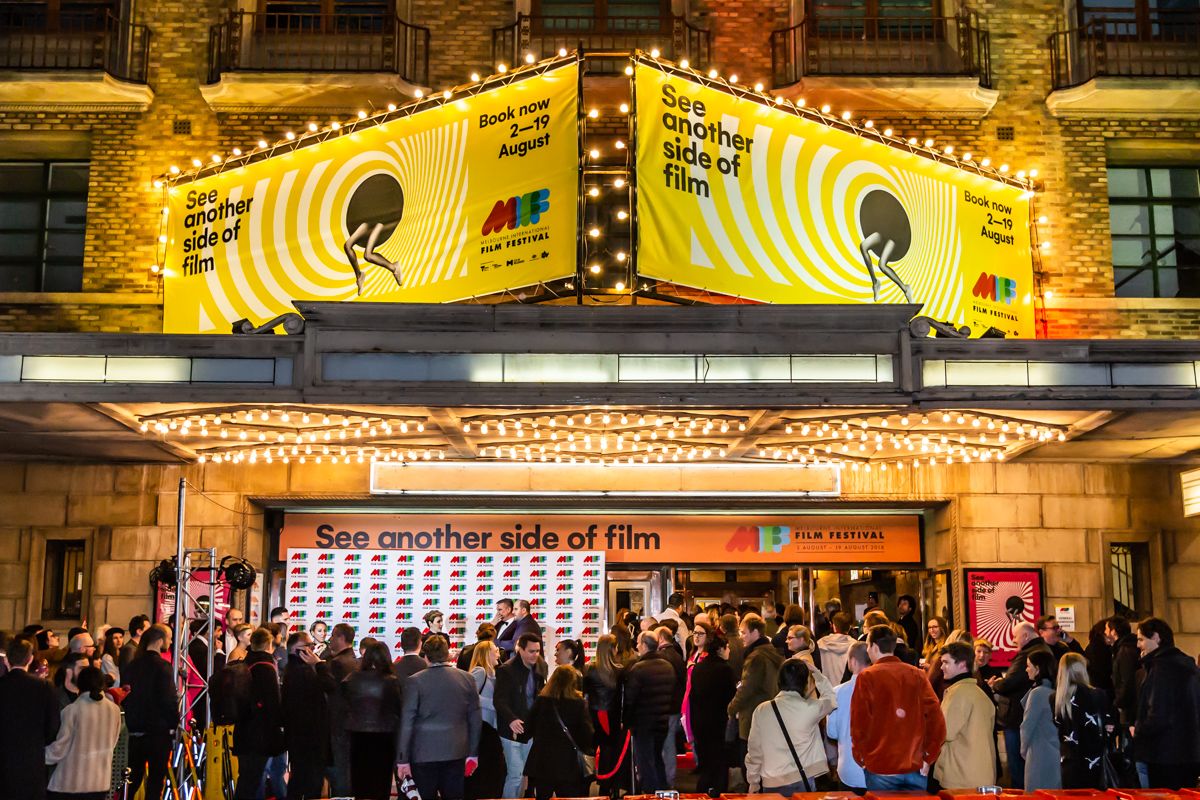
So the MIFF 2026 program matters beyond the usual who-got-in chatter. The 74th edition runs from 6 to 23 August, stretches to more than 300 works, and then keeps going online from 14 to 30 August. On paper, that is abundance. In practice, it reads like a mood board for a city, maybe a country, that wants culture to feel communal again: prestige cinema, local stories, music documentaries, VR, one-off events, a little grief, a little nostalgia, a little beautiful weirdness.
The sceptic’s question arrives early. Is this a read on the culture, or the usual prestige packaging with better lighting and a few local badges pinned to the lapel? I am less convinced by the packaging charge than I expected to be. MIFF seems alert to the awkward fact that a night at the cinema now has to justify itself. The film gets you in. The rest is the feeling that leaving the house, finding your seat and giving yourself over to a roomful of strangers might still amount to something.
The yearly performance
In ScreenHub’s report on the 2026 line-up, artistic director Al Cossar describes the festival as maximalist, which is a risky word in a culture where most of us are overscheduled and mildly annoyed by our own inboxes. Still, I can see what he means. Here, maximalism is about persuading a time-poor audience that a festival can feel coherent rather than crowded.
“MIFF is the maximalist way to enjoy all of what cinema can offer in the midst of Melbourne winter.”
Al Cossar, via ScreenHub
From there, the insider view matters because festivals can so easily confuse density with personality. A grid full of acclaimed titles is not, by itself, a point of view. The persuasive parts of this year’s slate, at least from the early reporting, are the sections that sound like invitations rather than obligations. The Guardian’s highlights guide leans into that feeling by pulling out an eclectic mix instead of pretending one tidy canon will do the job. Eleanor Wilson’s Wicker gets the opening-night gloss, but the wider proposition is more revealing: come for the big-ticket premieres if you like, then wander somewhere stranger.
For me, that is the first clue to the mood MIFF thinks it is serving. The programme feels built around appetite, the kind that is a little messy and contradictory. You can want serious cinema and still want spectacle. You can want to be moved and still want a reason to text a friend afterwards saying, you should have come.
A crowd that wants to leave the house
The programme’s strongest argument is the effort to make certain screenings feel unflattenable. If you are the festivalgoer wondering whether a ticket scramble and a wet tram ride are worth it, the real question is simple: which parts of this line-up could not be replicated by staying home? Quite a lot, from the look of it. The MIFF schedule folds in VR and special-event logic, while The Music’s rundown of the Music on Film strand makes plain that pop-culture entry points are doing serious access work here.

The analyst’s question, then, is whether this is a response to streaming fatigue. I suspect it is, at least partly. After years of being told convenience was the highest good, festivals are quietly making the opposite case: inconvenience can be part of the pleasure. A film you have to book, travel to and discuss afterwards has a social life that the algorithmic shortlist does not. Even The Guardian’s guide to the programme frames the memorable picks as experiences rather than content.
“This is a chance to overdose on Australian films.”
Gregory Dolgopolov, in ABC’s report from the Vision Splendid Outback Film Festival
Dolgopolov was talking about another festival altogether, but the line travels well because it catches something broader in Australian screen culture right now. Audiences want curation, sure. They also want permission to immerse. Music documentaries help because they lower the intimidation factor. You do not need to be the hardest-core cinephile in the queue to understand why a music story, a cult object or a live event might make the whole trip feel less like homework and more like a proper night out.
The online tail matters too. MIFF Online, which runs the week after the in-person festival begins, reads as an admission about modern attention. People are time-poor, regional, exhausted, priced out, or some unglamorous combination of the lot. The smarter play is not to scold them for that. Let the physical programme create the weather. Then let the online extension catch the people who still want in once the city chatter has made the choice feel urgent.
The local thread still matters
For all the imported prestige that gives a festival its flash, the part of MIFF 2026 I find most persuasive is its insistence on local texture. ScreenHub notes that the Bright Horizons strand alone brings 10 Australian-premiering works into view. Pair that with the Sarah Watt focus called out in The Guardian’s coverage, and the programme starts making an argument about lineage: where Australian screen culture has been, what it still owes, and who gets folded into the story now.
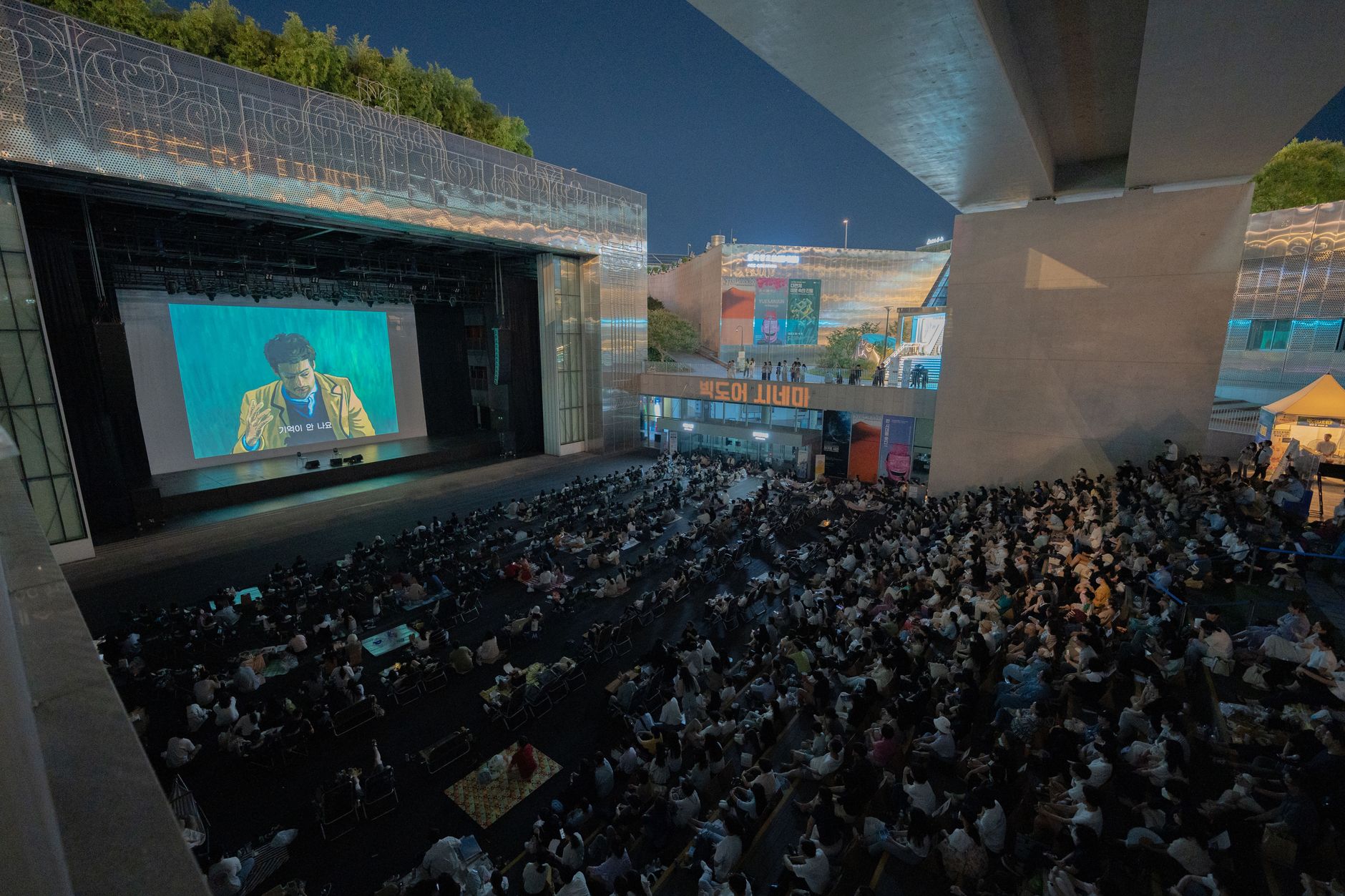
Local identity in film does not live on policy PDFs alone. It lives in taste, in memory, in the stubborn afterlife of the films people keep quoting back to one another. When Peter Weir received the inaugural AFTRS lifetime achievement award, the director Rachel Perkins described what his work had meant to audiences who rarely saw themselves reflected with dignity.
“As Aboriginal people, we felt seen in your films.”
Rachel Perkins, via The Guardian
It is a quote from outside the MIFF announcement, which is why it lingers. Festivals are always programming into an emotional archive as much as a market. The local strand is there because international buzz, left on its own, can make a festival feel placeless. A city audience, especially an Australian one, tends to know the difference.
A social plan, not homework
This is where the sceptic gets at least a partial answer. MIFF 2026 is still a festival, so of course it traffics in prestige. That is part of the machinery. But the programme looks sharper than a generic round-up because it seems to understand that accessibility is not a dirty word. The music-doc strand, the TV and pop-culture hooks highlighted in The Guardian’s early picks, the event logic threaded through the schedule, all of it widens the front door without pretending everyone arrives with the same map.
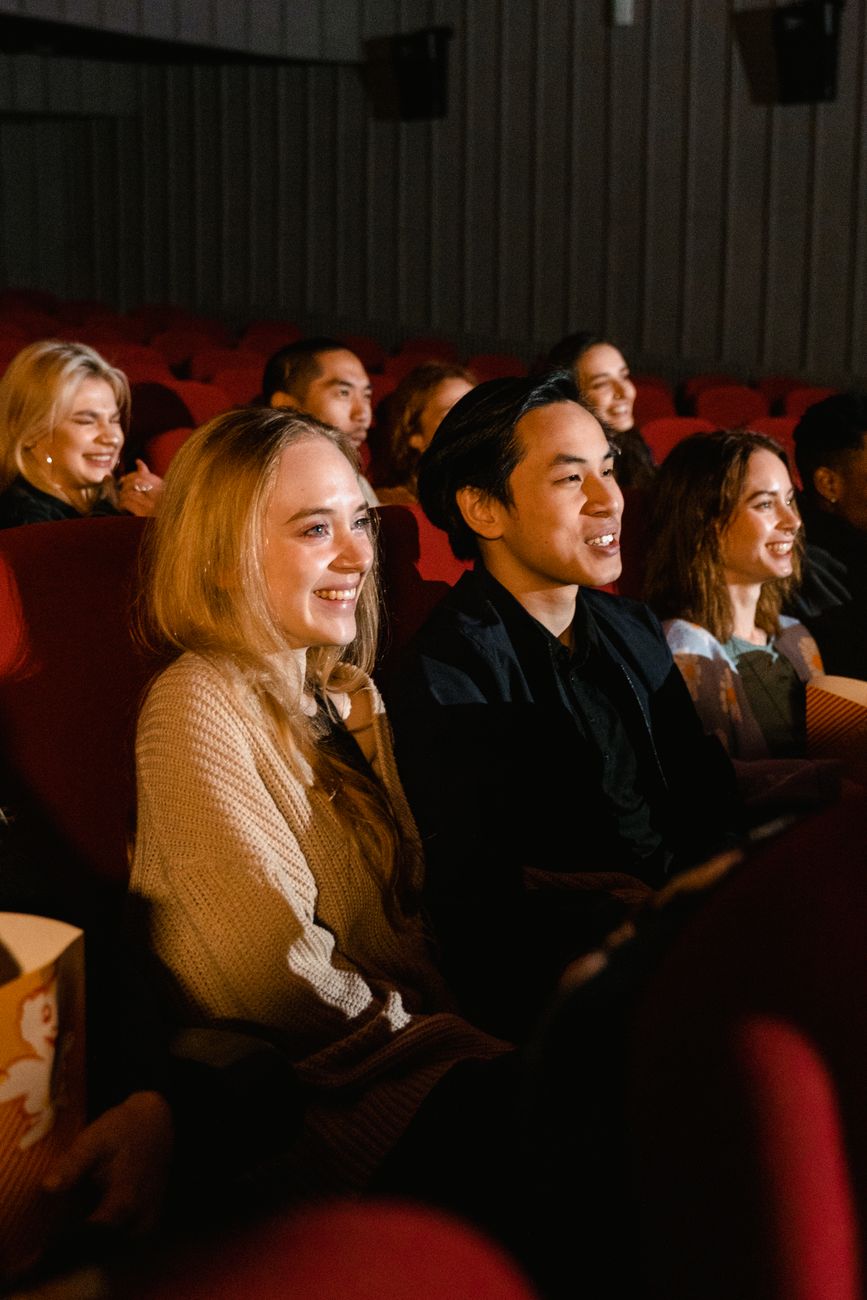
What keeps drawing me back is how calibrated this feels for the person who loves cinema, yes, and also for the person who wants culture to break the week open a little. The one who wants to sit in the dark and feel part of a crowd without having to sign up to priesthood. If the old festival fantasy was omnivorous seriousness, this year’s version seems closer to selective devotion: pick your lane, trust your mood, make a night of it.
Maybe that is the emotional weather MIFF is reading correctly. We are tired of being addressed as infinitely available consumers. We want occasions again. We want a recommendation that comes with a location, a start time and the low-grade thrill of seeing whether the room will laugh, gasp or sit in stunned silence with us. A good festival cannot fix the larger anxieties of screen culture, and MIFF is not pretending it can. It can offer a temporary architecture for attention, which might be the scarcest luxury of the lot.
By August, plenty of us will still overbook ourselves, miss a tram, eat an overpriced sandwich between sessions and swear we are cutting back next year. We will mean it for about twelve minutes. Then the lights will go down, someone else’s image will flicker to life, and the old collective delusion will feel less like delusion than a workable civic ritual. That, more than any individual title, is what MIFF 2026 appears to be programming for.

The Lifestyle Desires brief
Style, food, travel and wellbeing — weekly in your inbox.
Subscribe