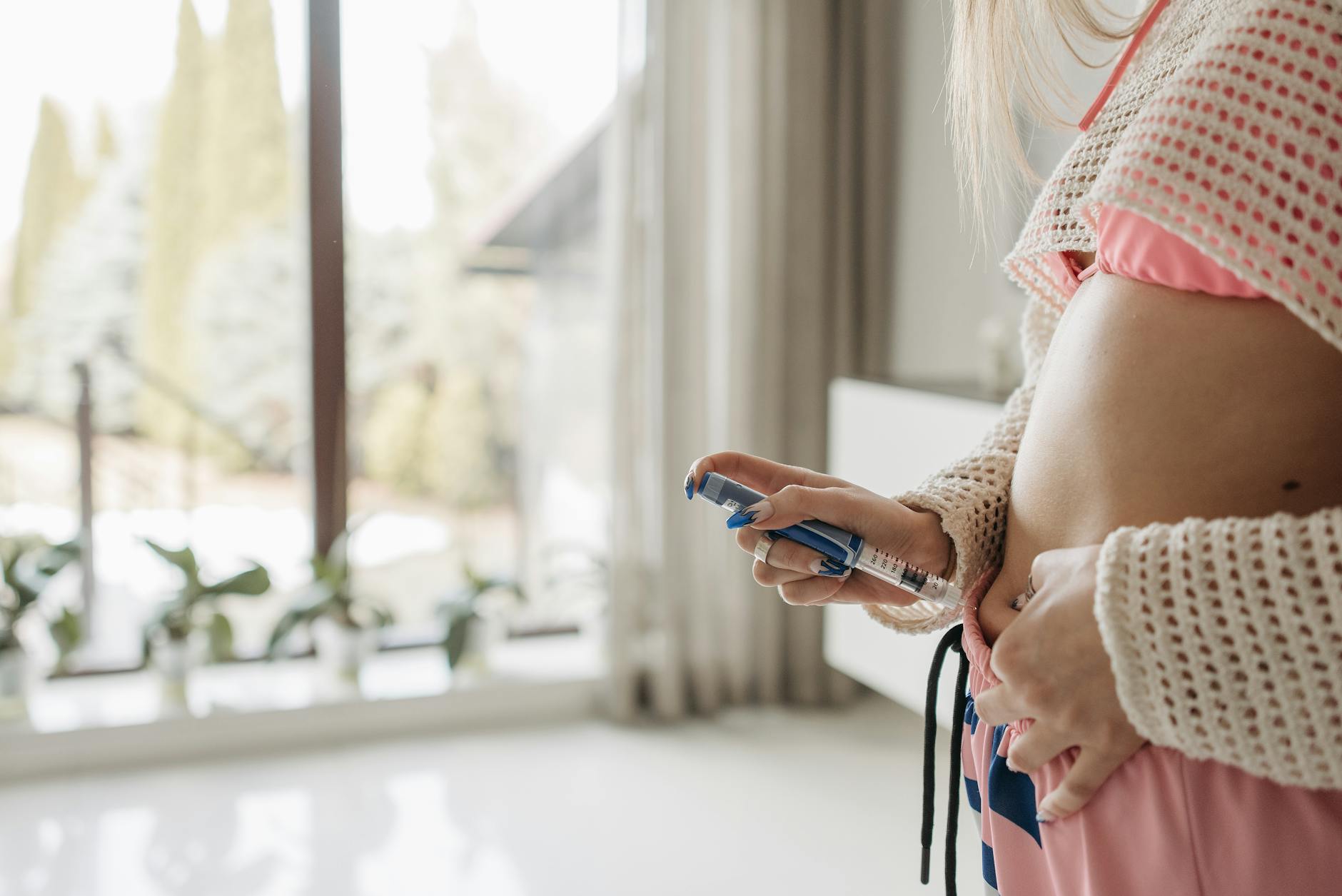
What Wegovy is doing to beauty standards
GLP-1 beauty standards are remaking the face women are meant to want, turning rapid weight loss into a polished new aesthetic ideal.
The first time I heard “GLP-1 face” used like a compliment rather than a caution, my shoulders went up. Beauty language does that. Sometimes a term starts in a clinic or a comments thread, picks up speed in magazines and group chats, and then lands sounding normal, as if we have always known what the right woman should look like. For now, that look is leaner, sharper, a touch hollower through the cheeks, all wrapped in the polite language of wellness instead of the old hard talk of dieting.
Read the current Guardian reporting on the “GLP-1 look” and it feels bigger than a tidy trend piece. Yafi, a paediatric endocrinologist at the University of Texas Houston, told the paper that as more people use these drugs, the aesthetic fallout will not stay in the exam room. Soon enough it moves into culture. In beauty, a side effect rarely remains a side effect if it can be re-read as aspiration.
Prof Rosalind Gill’s reading in the same piece stays with me for a different reason. No new beauty philosophy here. What we are looking at is the old thin ideal with better branding, better medical cover and a higher price point. Underneath it, the standard has not softened. It has been refurbished so it can pass as self-care.
Part of why I keep circling this is that GLP-1s have plainly changed plenty of people’s lives. The question is not whether drugs such as Wegovy or Ozempic can alter appetite, weight and the mental static around food. What matters is what happens when those changes stop being discussed as treatment and start being sold, socially, as elegance. Once that line blurs, the beauty industry does what it always does. It turns a clinical shift into mood-board material.
The face arrives before the ethics
Ethics lag. The face turns up first. Cheekbones first. Then the jaw. Then the sudden fascination with whether someone looks “well” or just expensive.

Yafi’s question matters for exactly that reason. Once a treatment result becomes a style reference, clinicians are no longer talking only about outcomes. They are dealing with desire. In The Guardian’s reporting, he said the culture is already learning to read the GLP-1 face as a sign of something worth having.
“I think that as more people use these drugs, GLP-1 face will be depicted in art.”
Dr Michael Yafi, via The Guardian
Something bleak sits inside that forecast. Beauty has always loved a look that seems to cost something. Back in the 1990s it was effortlessness with a cigarette haze around it. By the 2000s it was the punitive gym body sold as discipline. Now the aesthetic cue is pharmaceutical access: the thinner frame, the smaller appetite, the faintly gaunt face that implies a private intervention rather than a public struggle. Gill put the appeal of that face plainly in her remarks to The Guardian:
“features of this hollowed-out look are definitely becoming desirable”
Prof Rosalind Gill, via The Guardian
For actual users, it is messier than the beauty market would like. Healthline’s explainer on GLP-1s and “food noise” points to a study of 417 adults using a 20-point Food Noise Questionnaire. That detail matters because it answers, at least in part, one of the central questions hanging over GLP-1 culture: is the relief people describe physical, social or both? Physically, some of that relief looks real enough. Socially, culture does not leave it alone. It translates relief into moral value, then desirability, then pressure for the next woman in line.
First-person essays around the drugs catch that pressure well. In The Nation’s essay on the limits of “knowing better” about GLP-1s, the point is not that women are silly for wanting thinness. It is that the culture remains punishingly good at making thinness look like the sensible, respectable choice. Esquire’s “Life After Ozempic” makes the afterlife of that promise sound stranger still: cravings return, but so does the emotional charge around what the thinner self seemed to mean. Relief is one thing. Freedom is something else.
Gill’s broader question lands here too. Why does thinness come back so quickly whenever the delivery system changes? Because body positivity never fully displaced the premium on disappearance. Plenty of women got new language for resisting the standard, but not much protection from it. Pedestrian.tv’s piece on what the writer called the “Ozempic effect” catches the mood in blunt terms: ultra-skinny is again readable as the aspirational shape. A recent Slate essay on a cosmetic problem women feel they have to fix is about hair rather than weight, yet it lands in the same psychic neighbourhood. Again, the beauty economy finds a new surface on which to stage compliance.
Thinness, with a cleaner label
Strip away the novelty and the so-called GLP-1 look feels less like a revolution than a house-style update. We are still talking about slimness as status, youth as virtue and bodily restraint as evidence of character. Only the label has changed. Cleaner. More clinical.
Grosvenor is useful here. In the Guardian piece he warned against reading too much medical certainty into portraiture or aesthetics, and The Times made a similar art-history argument from the other direction, using old paintings to remind readers that fuller figures have been admired before. The cultural record is messy. Beauty standards lurch. They contradict themselves. They recycle.
“Art is art, and a portrait – even one by Leonardo – is usually about so much more than likeness, let alone health.”
Bendor Grosvenor, via The Guardian
History helps. The Guardian piece reaches all the way back to the Venus of Willendorf, estimated at 24,000 to 32,000 years old, as a reminder that fuller bodies have carried symbolic power too. That should calm anyone tempted to declare the GLP-1 look timeless. It is not timeless. It is contemporary, commercial and a bit fragile, which may be why the culture is hurrying to canonise it before the medicine has even settled.
Even so, I think this moment differs in one way. Older thinness manias were sold as taste, self-control or class aspiration. This one borrows the authority of medicine while slipping into the language of beauty. Anyone who flinches can be cast as unserious about health. A beauty standard does not stop being a beauty standard because it turns up in a white coat.
You can watch the market build a story around that confusion. Business of Fashion has argued that GLP-1s are reshaping both beauty and fashion, which sounds obvious once you say it aloud. Bodies change, shopping changes, the silhouette returns, the face becomes a new site of correction. The New York Times recently asked what happens to shopping in the era of weight-loss drugs because wardrobes, like beauty counters, register body politics before essays do. A skirt stops fitting. A filler consultation starts to sound practical. “Wellness” becomes the decent word for an aesthetic arms race.
Beneath that commerce sits an uglier rhythm. In a Guardian culture essay on feral female pop and respectability, one line stayed with me because it named the pressure so cleanly: women are expected to be thin, beautiful and perpetually 25, with that perfection now newly available for purchase thanks to weight-loss drugs. That is the part beauty people should not look away from. GLP-1 culture is not only about size. It is also about age, money, access and the fantasy that a body can be edited into social legibility if the consumer is disciplined enough, or rich enough, or game enough to submit.
Maybe I am over-reading some of the symbolism. Beauty people, myself included, can over-read a face when a market is moving fast. Still, I do not think we are wrong to notice that the beauty language is outrunning the medical caution. The drugs are still being argued over in clinical terms, newer shots are still entering the market, and the long social trade-offs are nowhere near settled. Even so, the aesthetic standard gets there first. It usually does.
From where I sit, that is what Wegovy is doing to beauty standards. It is not inventing a hunger for thinness. It is laundering that hunger through the polished vocabulary of treatment, self-optimisation and care. The demand returns looking almost innocent. Smaller, sharper, easier to say out loud.

Melbourne beauty editor and ingredient nerd. Five years on the brand side before turning to writing about what's actually in the bottle.
The Lifestyle Desires brief
Style, food, travel and wellbeing — weekly in your inbox.
Subscribe