What the no-poo method is actually changing about hair
The no-poo method promises softer, more natural hair, but the real shift is cultural: away from blanket rules and towards scalp-specific routines.
There is a particular social risk in looking as if you have stopped washing your hair on purpose. It is one thing to buy a small, expensive conditioner and call it self-respect. It is another to walk into a cafe with roots that look a bit feral and hope everyone reads them as choice. In George Francis Lee’s Guardian experiment, the awkwardness does most of the work. The no-poo method reads to me less like a theory of dirt than a question about whether hair can be coaxed back into looking like yours, instead of something ironed flat for public approval.
That is why the idea keeps bobbing up under new labels. Last week it was no-poo. This week it is reverse hair washing. A month ago it was clarifying, scalp detox, microbiome care. The sales pitch changes clothes; the wish underneath stays familiar. Less weight. Less grease. Less product theatre. Maybe a little more say over the strange public object sitting on your head.
Stand in a different corner and the story shifts. Inside Lee’s essay, the experiment reads like a small adulthood crisis staged at the bathroom mirror. A dermatologist hears a narrower claim about texture, residue and scalp behaviour. The sceptic in the room keeps looking for evidence, because a first-person beauty anecdote is still only an anecdote. Useful, sometimes. Doctrine, no.
The shame line
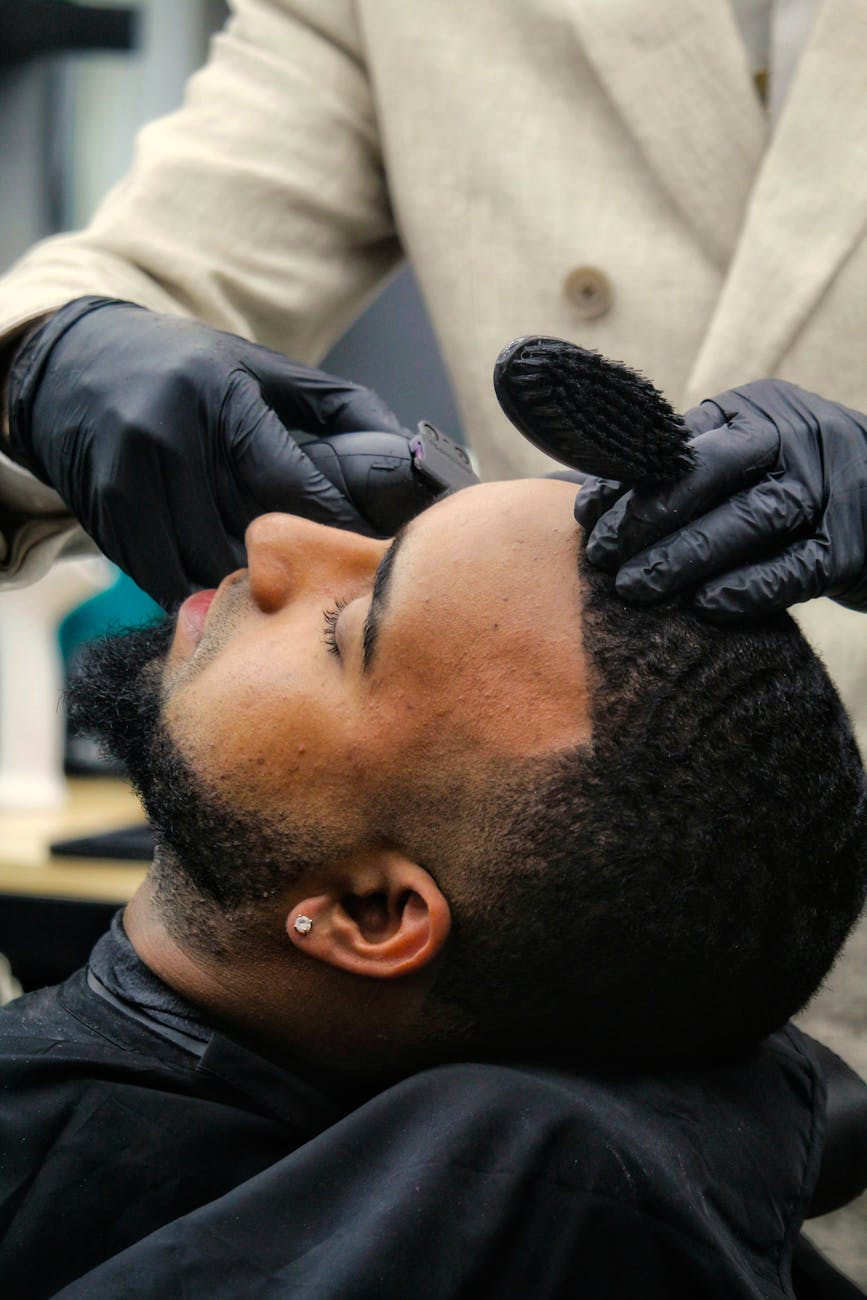
In the Guardian piece, the saga begins with a barber saying the quiet part out loud: Lee’s hair does not need more management, it needs less. Liberating, yes. Also faintly humiliating. Most of us learnt to treat shampoo as basic decency, not a setting we could adjust.
“You need to stop washing your hair,” my barber told me bluntly.
Barber, The Guardian
I suspect the line lands because it turns a beauty trend into something more exposed: how much grooming has come to stand in for discipline, class and competence. Lee had already connected his unkempt hair with feeling underdone, undergrown, slightly embarrassed. After he stopped shampooing, the change was textural, yes. His hair curled more. It also became a small negotiation between the version of himself he thought he should present and the one he could actually maintain.
That insider perspective matters. No-poo has always had an emotional charge. People are not only trying to solve oil or frizz. They are trying to get away from the weary feeling that every square centimetre of the body now needs a product stack, a timetable and a minor philosophy. Hair just happens to be where the rebellion shows first.
The compromise people actually want
Most readers, I think, are not chasing pure rebellion. They want the roots to lift without the lengths feeling punished. That is why Vogue’s recent piece on reverse hair washing is useful: it moves the conversation away from absolutes and towards hair type.
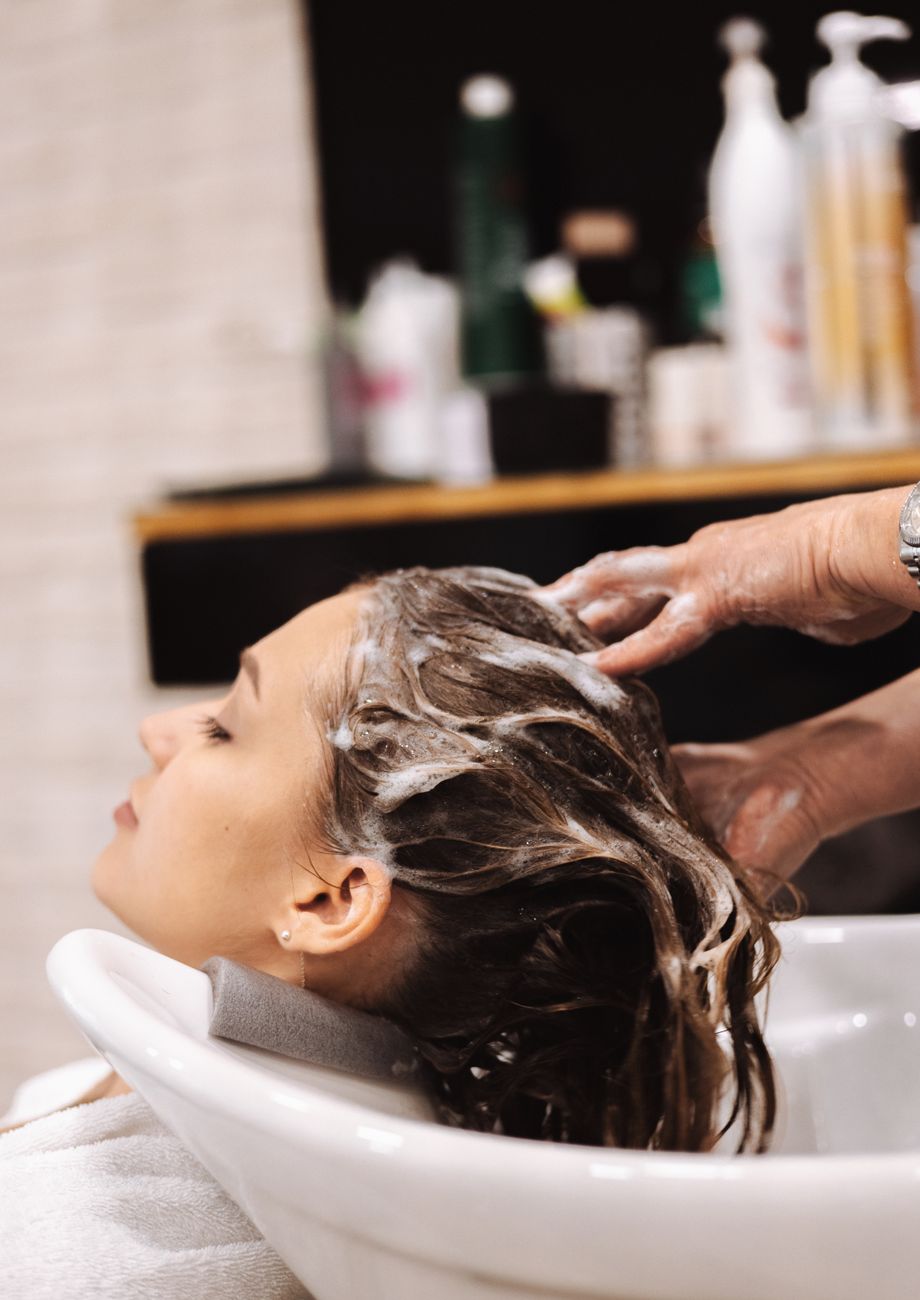
Sandra Oska’s explanation is pleasingly unromantic. Conditioner first, shampoo second, is a practical tweak for fine or easily weighed-down hair, the sort that goes flat at the crown and dry at the ends before lunch. For curlier or drier hair, the old order can still make better sense. Moisture loss is the bigger problem there.
“The primary benefit of reverse hair washing is keeping the hair looking hydrated and smooth while maintaining volume at the root.”
Sandra Oska, Vogue
That gets closer to the question sitting under so many of these routines: can a lighter wash fix the flat-roots, dry-ends problem without the theatre of quitting shampoo altogether? Sometimes, yes. Vogue reports that conditioner should sit for two to five minutes before shampooing, and Consumer Reports argues that wash frequency works best when it responds to scalp behaviour, exercise and texture rather than internet dogma. Less satisfying than declaring shampoo the villain. More believable.
Anyone with fine or oily hair will recognise the bargain. Purity is rarely the goal. You want a routine that survives a commute, a humid afternoon and the small indignity of watching your fringe separate by mid-morning.
The surrounding grooming coverage has been inching the same way. GQ’s guide to washing your hair framed shampoo as scalp care rather than strand punishment, while Wirecutter’s shampoo reporting leaned on the idea that sensitive scalps and different textures need different cleansers. Haircare no longer sounds quite so much like a morality play. It sounds like calibration.
What the scalp remembers
The sceptical case deserves room, because trend pieces about washing less can drift into magical thinking fast. In a Cutis review carried by MDedge, dermatologist Abigail Cline is blunt about the evidence problem: anecdotes are not proof, and alkaline DIY workarounds can cause their own damage.
“There are no known studies in the literature that assess or support the hypotheses of the no-poo method.”
Abigail Cline, MDedge / Cutis
The shampoo-frequency study published via PMC found that the happiest participants were not abstainers but people washing five to six times a week. It also recorded itch getting worse around the 72-hour mark after shampooing, which is a useful corrective to the romantic idea that the scalp will simply settle into perfect self-regulation if left alone. Another 2025 microbiome paper, cited by the researcher, found a 32.35% increase in scalp moisture after 28 days of shampoo use. More washing is not automatically better. Cleansing, though, is not the enemy some beauty rhetoric needs it to be.
Microbiome language can make the debate sound grander than it is. Your scalp is not asking you to join a movement. It wants less buildup, less irritation and a routine you will repeat when you are tired.
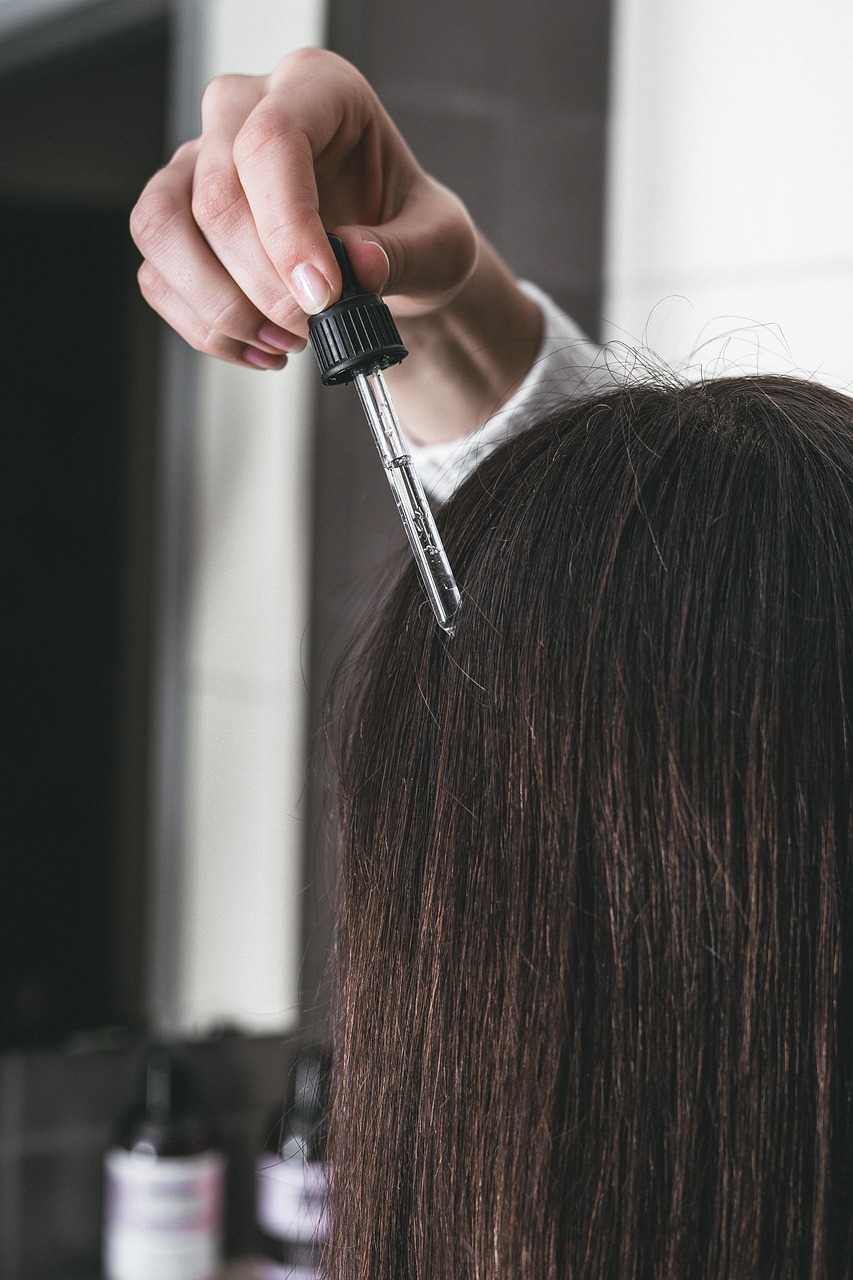
I keep coming back to Cline’s warning about pH. DIY no-poo culture often sounds homespun and therefore harmless, but hair fibre is not sentimental. Baking soda can lift the cuticle. Acid rinses can overcorrect. A scalp that already runs oily, itchy or inflamed may not read less intervention as kindness. It may read it as neglect wearing a linen shirt.
The smaller rebellion
The more convincing version of this story is the smaller one. Total abstinence has a lovely purist ring to it, but most bathrooms are not built for purity. The better shift is boring and specific: shampoo where the scalp needs it, conditioner where the hair does, and stop expecting a single beauty trend to solve a texture problem, a budgeting problem and an identity problem at the same time.

You can see that moderation across adjacent coverage. Sali Hughes’ recent Guardian column on clarifying shampoos is really about buildup and restraint, not detox fantasy. SmartCompany’s report on scalp-care brand Straand landing in 500 Priceline stores makes the commercial version of the same point: scalp care is entering the mainstream beauty aisle because people want more precise language for what their roots are doing. Not cleaner. More precise.
As a beauty editor, I have watched anti-product language become one of the easiest ways to sell more product. The minute a routine declares itself low-intervention, it tends to sprout accessories: scrubbers, serums, clarifiers, scalp tonics, silk towels, rules. That does not make every scalp-care idea cynical. It does make me wary of any trend that sounds virtuous before it sounds useful.
Lee’s perspective still matters here, maybe most of all, because he is describing the reason beauty trends keep escaping the bathroom and becoming cultural stories. Hair can make you feel very seen and oddly misread at the same time. Too polished and you look as if you are trying too hard. Too limp and people assume you have stopped trying. No-poo, reverse washing, clarifying, co-washing, scalp serums: all of it circles the same fear, that our hair is broadcasting something about us before we have opened our mouths.
So what is the no-poo method changing about hair? Some people’s texture, for a while. A few people’s routines, usefully. The larger change is in how we talk about care itself. The old beauty promise was mastery; the newer one is truce. I think that is why these stories keep finding readers, even when the science refuses to bless them as cleanly as the culture wants. We are not really shopping for dirtier hair. We are shopping for a routine that feels less punitive, less overmanaged, a little closer to being our own.

The Lifestyle Desires brief
Style, food, travel and wellbeing — weekly in your inbox.
Subscribe