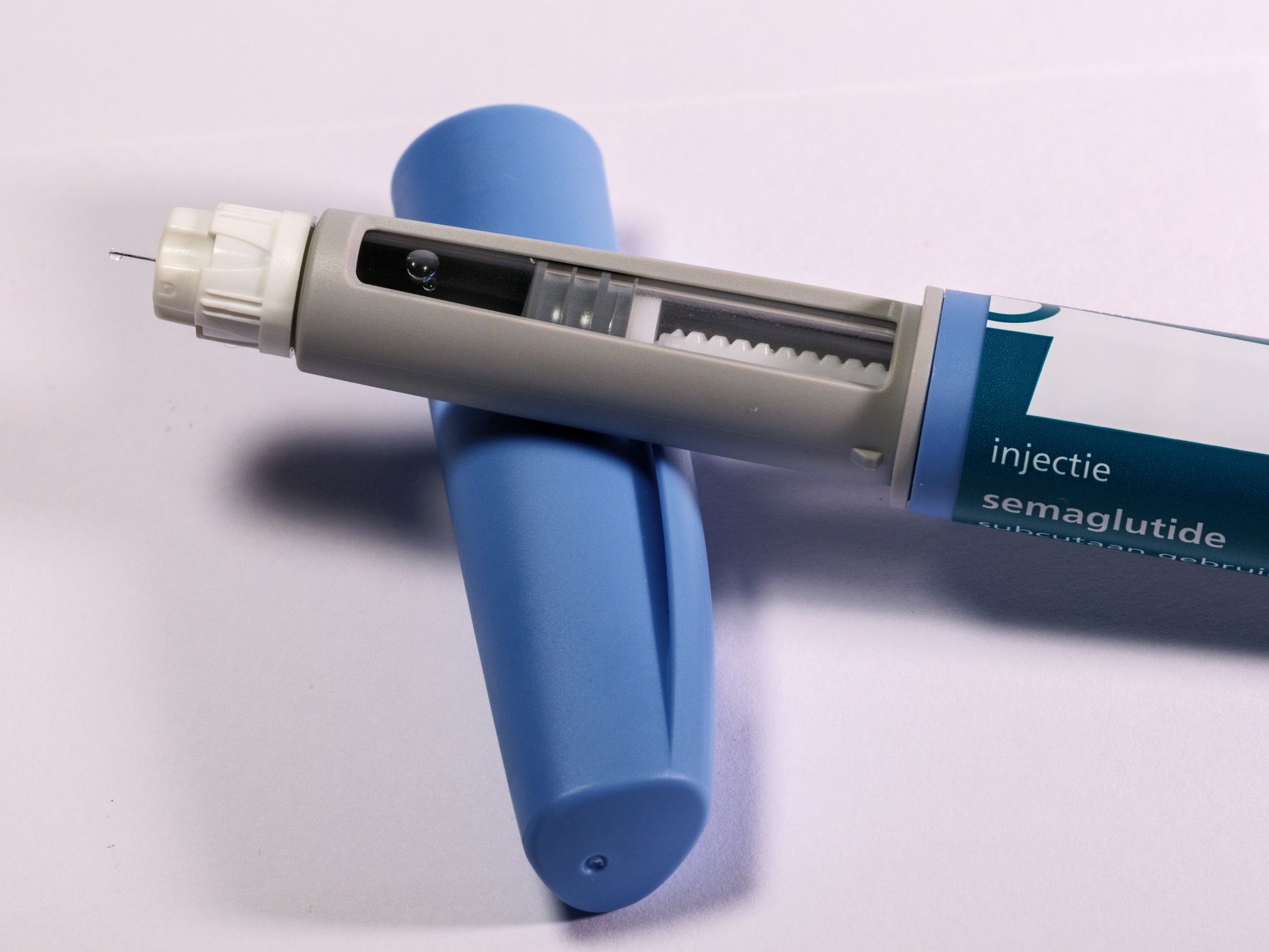
The one-shot heart fix wellness has been waiting for
Cholesterol gene editing makes one-shot prevention feel seductively simple, but the early VERVE-102 data are still far from a universal fix.
There is a particular kind of optimism that arrives with a routine cholesterol test. It usually sounds practical. Walk more. Cook differently. Finally take the statin your GP mentioned two winters ago. But the fantasy sitting just underneath it is much cleaner than that. What if prevention asked nothing daily of you at all? No blister pack in the bathroom drawer, no injection reminder on your phone, no quiet little bargain with your future self every morning.
So the early data around Eli Lilly and Verve Therapeutics’ VERVE-102 landed with such force this week. In an interim 35-person readout, the one-time, liver-targeted base editor cut LDL cholesterol by up to 62 per cent and reduced PCSK9 by up to 88 per cent, with effects lasting as long as 18 months so far. The numbers matter, obviously. But I suspect the emotional charge sits elsewhere. This is not just another cholesterol story. It is a story about relief.
Still, there is a catch, and it is easy to miss if you read only the most breathless headlines. The New York Times’ reporting and STAT’s coverage both make clear that this is still a small, early study measuring biomarker change, not proof that a one-off infusion will prevent heart attacks in the real world. The treatment is also designed to make a permanent genetic edit. That makes the promise feel futuristic. It also makes the unanswered questions feel heavier.
Read the story from one angle and the appeal is almost painfully obvious. For a younger person with inherited high cholesterol or early coronary artery disease, the attraction is plain. From another angle, especially a clinical one, the unease comes rushing in. Anyone who has watched patients cycle through tablets, scripts, side effects and follow-up appointments knows the lure here is not just lower numbers. It is the possibility of stepping outside the churn of maintenance.
The dream is the point
Seen through that lens, VERVE-102 feels less like a biotech curiosity and more like a wellness object. We live in a culture that adores the once-and-done version of self-improvement. The long programme and the nightly tablet never get the glamour. One intervention does. You can hear that seduction in the way NYT Well framed the experiment: one infusion, perhaps permanent, maybe a new kind of prevention for people who have spent years being told to manage risk patiently.

It also answers, at least partly, the user-affected question hanging over the story: who is this actually for right now? Not everyone with a mildly grumpy lipid panel after age 45. The existing coverage points much more squarely to patients with familial hypercholesterolaemia or people at unusually high risk who may struggle to stay on daily or regular treatment. In other words, the best current case for a permanent edit is the patient whose odds have been unfair from the start, not the well person chasing a cleaner life aesthetic.
Analysts read it more coldly, which is probably healthy. Fierce Biotech reported that William Blair’s Myles Minter sees anything above 50 per cent LDL lowering, maintained with a good safety profile, as roughly the bar this drug needs to clear. That detail matters because it nudges the conversation away from miracle language and back towards comparison. The question is not whether 62 per cent sounds dramatic on Instagram. The question is whether the effect, the convenience and the safety together beat the messy reality of current PCSK9 drugs and statins for the people who most need help.
“Anything above 50% LDL-C lowering that was maintained with a good safety profile is kind of the bar you want to be at.”
Myles Minter, William Blair, via Fierce Biotech
I can see why that matters. A treatment can be merely comparable on paper and still feel radically different in a life. A twice-yearly injection is not the same thing as a daily pill. A one-time infusion is not the same thing as either. When we talk about adherence in medicine, we often use the language of patient responsibility. Much of the time, what we mean is simpler: ordinary life is crowded, and some treatments ask too much of it.
The body keeps asking harder questions
Bodies, inconveniently, refuse our neatest storylines. What VERVE-102 has shown so far is that it can push LDL down, hard, in a small group, over 18 months. What it has not shown is whether that biochemical success translates into fewer heart attacks, fewer procedures or longer lives. Those are not picky academic objections. They are the whole point of prevention.

So the skeptic’s question is the right one: how much follow-up is enough before an irreversible edit stops feeling experimental? The preclinical paper in the Journal of Clinical Lipidology describes VERVE-102 as a precise PCSK9 inactivation approach, which is reassuring as far as mechanism goes. But preclinical neatness is not the same thing as years of human follow-up, and STAT’s reporting on the interim data makes plain that phase 2 is only just ahead. The distance between exciting mechanism and settled everyday medicine is where a lot of hope gets into trouble.
None of that means the people working on this are pretending. Speaking to BBC Science Focus, cardiologist Riyaz S. Patel put it bluntly: this is real, not science fiction. He is right, and that is precisely why the conversation needs to slow down a touch.
“This is reality; it’s not science fiction. We’re actually doing it.”
Riyaz S. Patel, via BBC Science Focus Magazine
A real technology can be right for a narrow group long before it suits the rest of us. That is especially true in wellbeing culture, which has spent the past few years flattening very different kinds of prevention into the same glossy mood board. GLP-1 drugs have been debated as both public-health tool and personal optimisation device. Newer obesity shots are reported not just in terms of kilos lost but in the cardiovascular markers they improve along the way. Even the politics of basic preventive care, from screenings to statins, have been pulled into a wider argument about who gets proactive medicine and on what terms. Against that backdrop, a one-shot cholesterol edit was always going to be read as more than a clinical result. It reads like the next frontier in outsourcing self-discipline.
No wonder the idea lands so hard. Preventive wellness has become emotionally crowded. We are asked to monitor sleep, protein, steps, fibre, hormones, stress, resting heart rate, skin barrier, gut health, cortisol, and whatever else the algorithm serves up before breakfast. A one-and-done heart intervention glows inside that noise because it seems to promise not better habits, but fewer habits. Less management. Less of that self-surveillance masquerading as virtue.
And yet the honest read, at least for now, is narrower and more humane than the fantasy. If a permanent PCSK9 edit eventually proves safe and durable, I would expect it to matter most for people whose risk is already uncomfortably high, not for the wellness maximalist treating every lab number as a personal project. As the Times quoted Duke cardiologist John H. P. Alexander saying, “a curative therapy would change the game.” It would. But only once we know which game we are actually talking about.
“A curative therapy would change the game.”
John H. P. Alexander, via NYT Well
For now, VERVE-102 says something slightly awkward and very 2026 about the culture around health. We still want prevention, but we want it stripped of maintenance, inconvenience and ambiguity. We want the benefits without the ritual. Medicine may eventually give a small number of patients exactly that. Wellness culture will try to sell the fantasy to everyone else much sooner.

Brisbane-based GP turned health writer. Covers women's health, fertility and the gap between clinic and culture.
The Lifestyle Desires brief
Style, food, travel and wellbeing — weekly in your inbox.
Subscribe