What a bicycle tyre knows about a better room
Melbourne Design Week women are turning tyre tubes and timber offcuts into tactile furniture, and quietly redrawing Australian interiors.
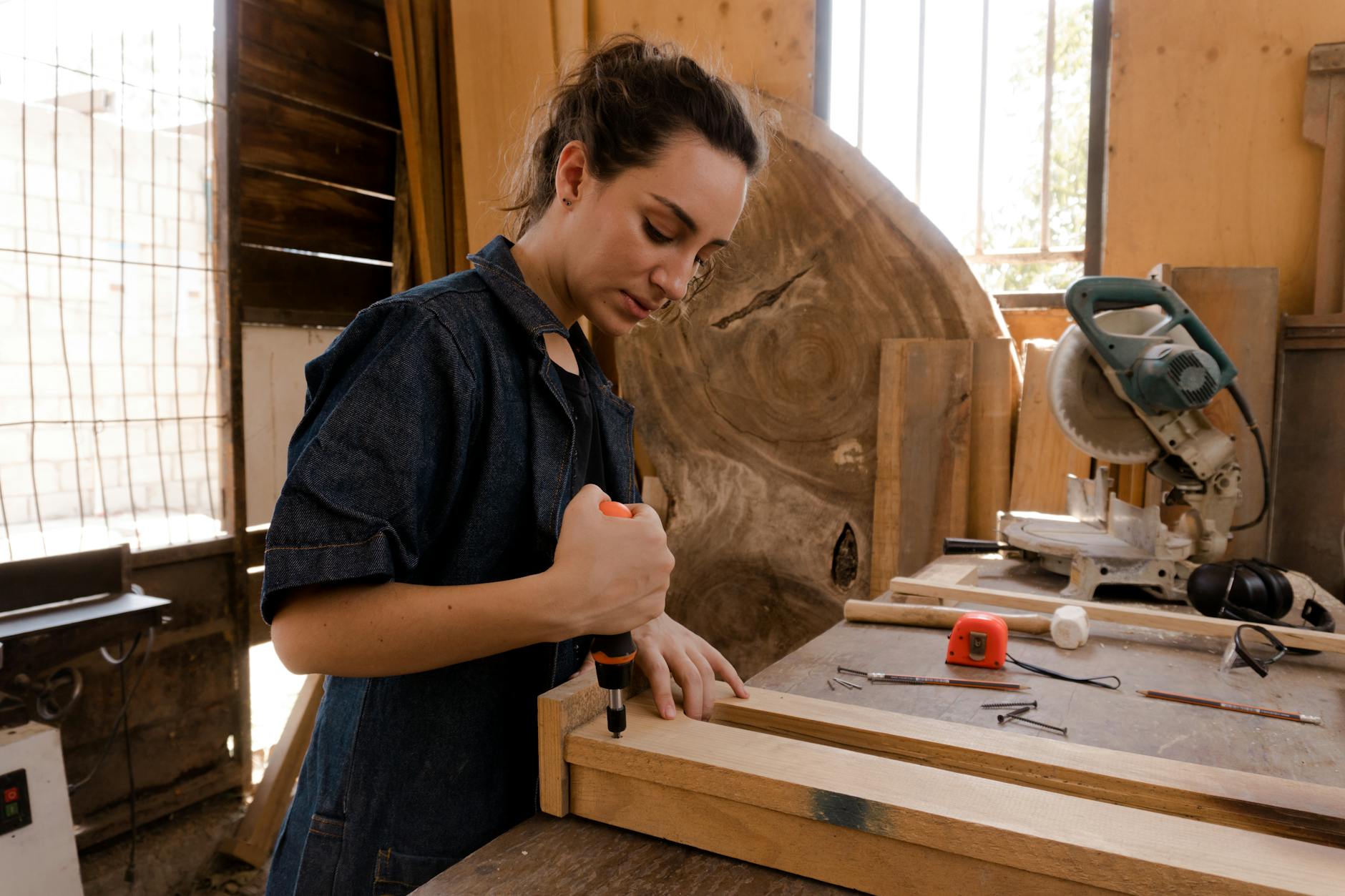
At bench height, the romance drains out of “sustainable design” pretty fast. What’s left is friction: rough timber, a black strip of rubber pulled until it behaves like cord, the dry smell of sawdust, the fiddly problem of making scraps hold together. That is why the women ABC profiled during Melbourne Design Week feel more interesting to me than the usual green-design sermon. They are not asking for applause because they recycled something. They are making furniture that still has a bit of fight in it.
In Isabel Avendaño-Hazbún’s practice, discarded bicycle inner tubes turn into upholstery with tension and shine rather than the usual worthy beige mood. Jess Humpston’s work brings timber offcuts from fashion and interiors back into the room. Georgie Szymanski, working with Australian timbers and leftover material, keeps circling back to touch. I do too. Not waste. Touch.
Read only as workshop romance, though, and you miss the other thing Melbourne Design Week’s 2026 program is doing. The festival ran from 14 to 24 May and stretched across more than 400 events, enough to turn a studio conversation into a public one. Homes to Love’s guide to the week quite reasonably leaned into spectacle, including the 100-chair installation at Abbotsford Convent. The quieter shift, to my eye, is that a trade long treated as male, niche and a bit forbidding is being made visible to everyone else.
The change is not tidy, which may be why it feels alive. These makers are not sanding away the object’s former life. The rubber still feels like rubber. The offcut still remembers the saw. The timber still shows its grain. In a design culture that can drift towards expensive blandness, furniture that refuses to pretend it arrived untouched is a relief.
The material goes first
The insider question is simpler than it sounds: what do these materials allow, and what do they flatly refuse? Offcuts and inner tubes are not obedient. They force choices. A chair woven from tyre rope will never live easily inside the same polite visual world as anonymous boucle; a seat made from reclaimed scraps carries its own argument about where beauty is allowed to begin.
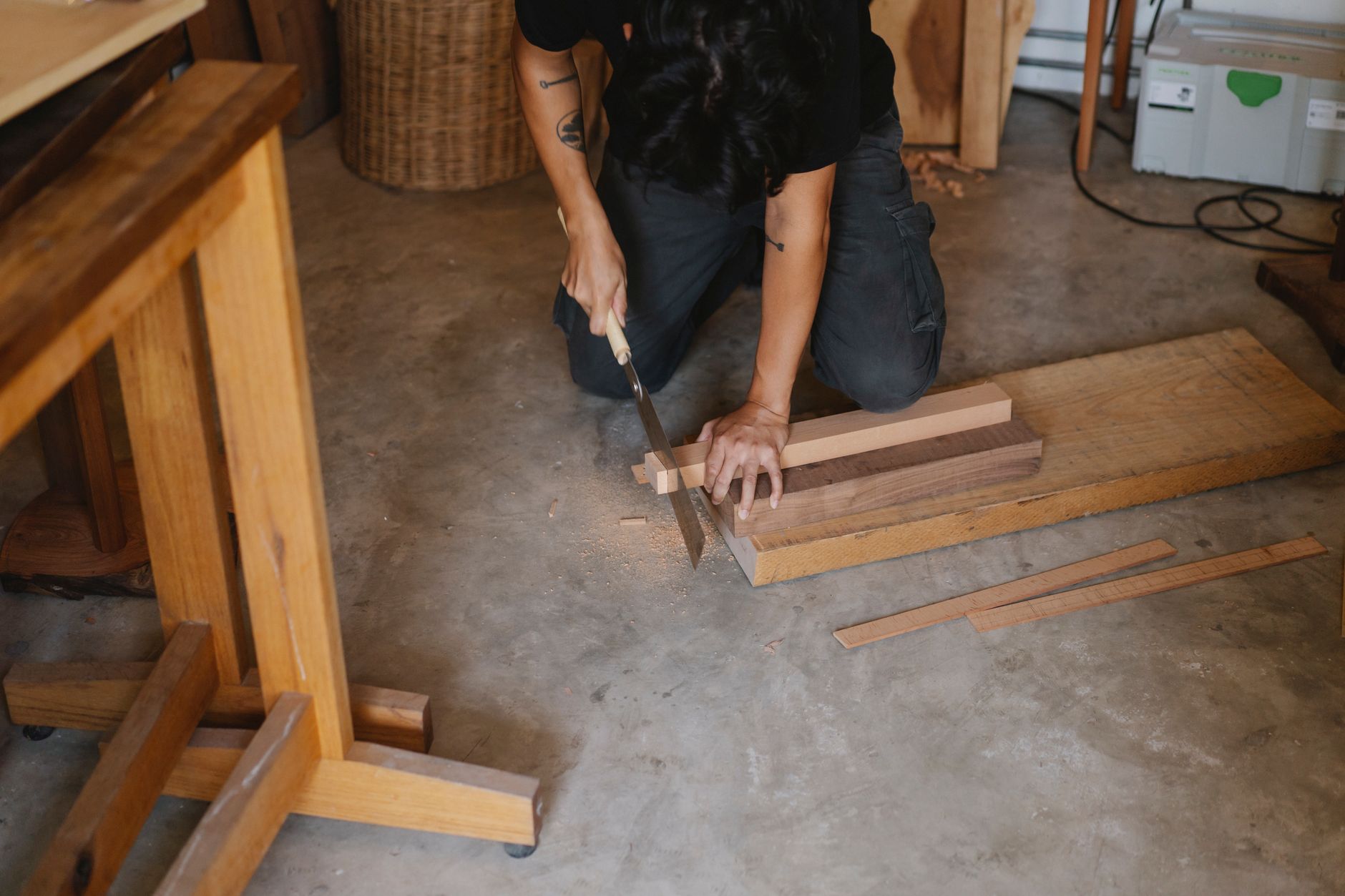
In the Craft Victoria interview with Avendaño-Hazbún and a later Australian Wood Review profile, the attraction of her work is not just that she uses discarded material. It is that she lets those limits shape the form instead of treating them as an inconvenience. The rubber does not pretend to be fabric. It reads as rubber: taut, a little industrial, slightly glossy. That honesty is the point.
“Using rubber, and applying a weave technique allows me to create a timber chair where there’s a sense of friction, elasticity and yet it holds the timber element of the furniture together.”
Isabel Avendaño-Hazbún, ABC News
I like that she says friction. Sustainability writing so often drifts into soft-focus language about intention and goodness. Friction is better. It admits the material pushes back. Humpston’s offcut pieces seem to work in that register too. They do not ask us to forget where the leftovers came from; they arrange them into something sculptural, local and entirely believable in a room that values texture over polish. To my eye, that is what Australian interiors has been missing: not another moral lecture about consumption, but permission to like a chair because it has nerve.
A festival can change the room
The broader question is what a festival this large actually does for studios that would otherwise stay inside design-school conversations and specialist fairs. Quite a lot, I think. Scale gives a maker context. Someone working alone in a workshop can look marginal; place that same person inside a week-long city program and the work starts to read as part of a shared shift.

The Industry exhibition page frames the work by Avendaño-Hazbún and Raven Mahon through circular design, industrial process and the ecological afterlife of making. On paper, it could sound dutiful. What comes through instead, especially in Australian Design Review’s feature on waste at Melbourne Design Week, is that these pieces are being discussed as design futures rather than pity projects. They are not the dutiful corner of the week. They are in the main aesthetic conversation.
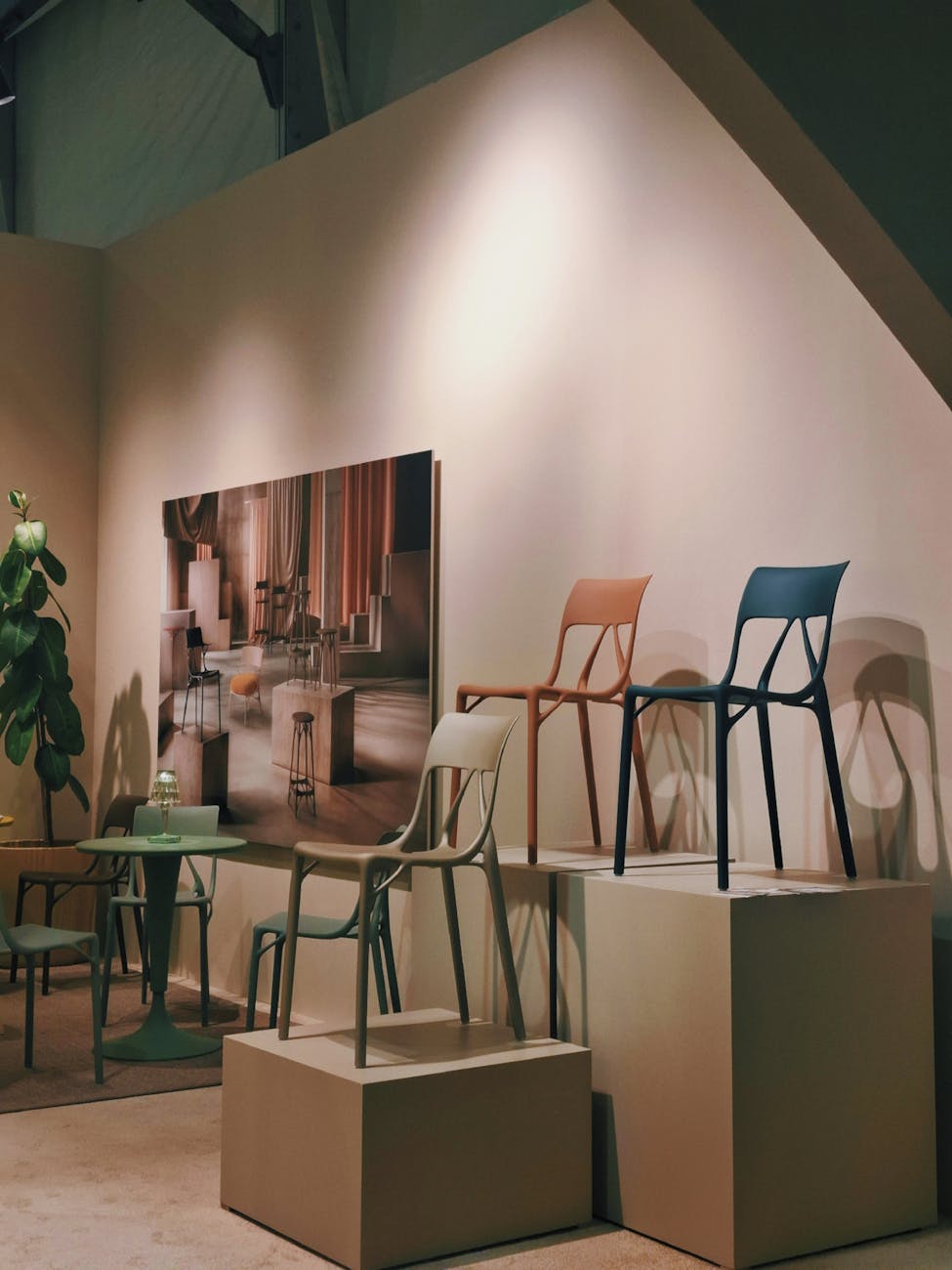
The numbers help. More than 400 events is enough to pull press, casual visitors and interiors people into the same orbit. So does the imagery. Homes to Love’s week roundup lingered on the theatre of 100 chairs gathered in one place because spectacle travels. Fine. Spectacle can still do serious work. It gives smaller studios a louder room to speak in.
And it changes who looks legible inside the trade. Humpston put that plainly in ABC’s reporting.
“The industry is definitely changing; there’s more women making furniture, and diversity in terms of queer representation too.”
Jess Humpston, ABC News
I read that line less as a slogan than as a kind of measuring mark. Furniture making has long been sold through a familiar type: the solitary male master, half artisan, half myth. What Melbourne Design Week seems to make visible instead is a looser studio culture, more collaborative and less precious. Not softer. Just less invested in old hierarchies.
Touch still counts
This is the part I find hardest to shake, maybe because it reaches past design-week novelty and into the way many of us actually live. Screens flatten taste quickly. A room becomes an image before it becomes a place. In that kind of culture, tactile furniture can feel faintly radical, not because it is handmade in some sentimental way, but because it insists on being met in person.
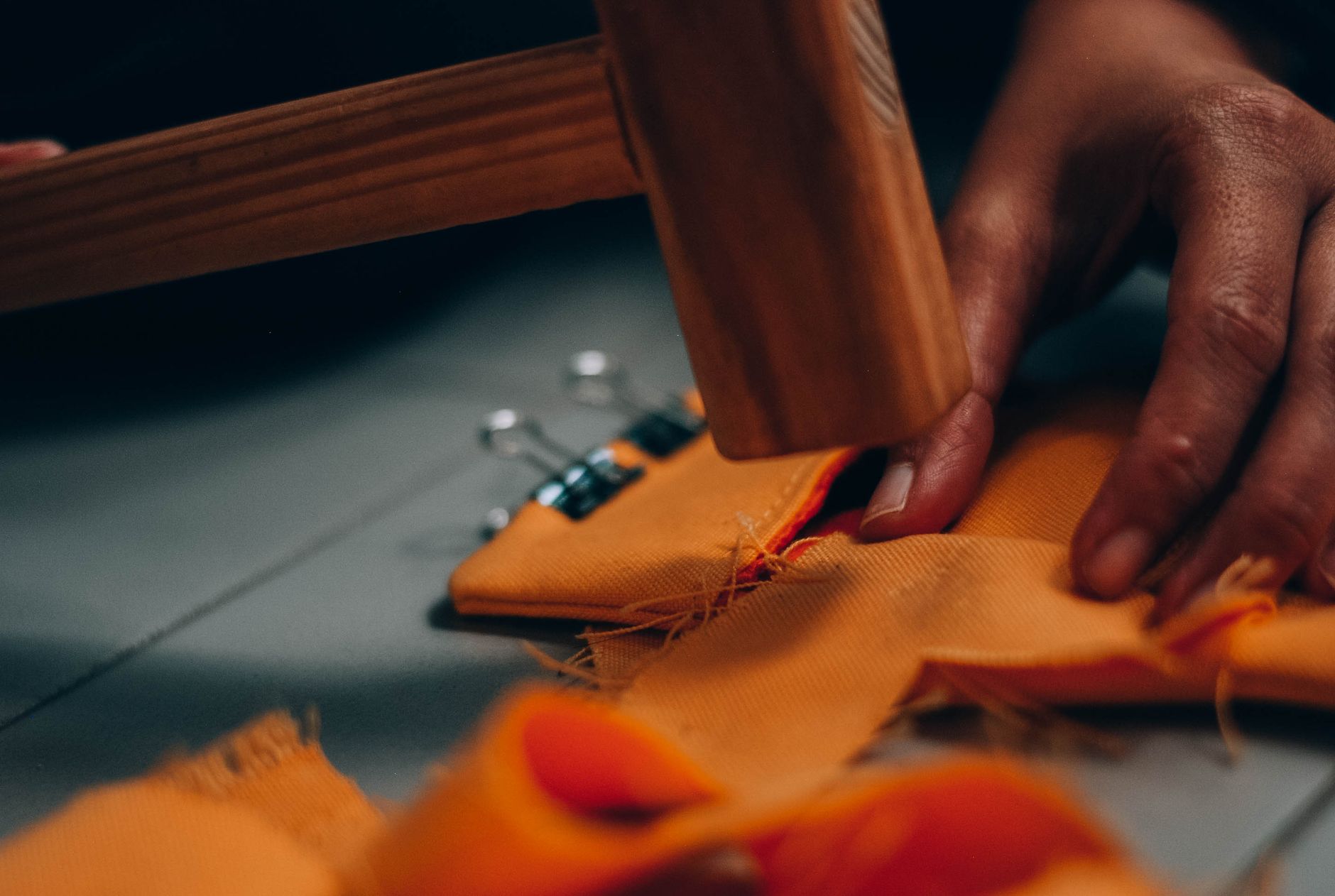
Szymanski’s quote lands here with more force than the usual craft-world reverence for skill. She is not only talking about technique. She is talking about what bodies forget when work becomes abstract and screen-deep.
“I love the tactile part of furniture making — it’s so important for people to be able to do this especially now at this point in history where our lives revolve around computers.”
Georgie Szymanski, ABC News
I do not hear nostalgia in that so much as a practical argument. Or not only nostalgia. In Guardian Life’s recent piece on tiny homes and small-space living, the designers kept returning to furniture that earns its footprint, pieces with presence but also purpose. That is part of what these Melbourne makers are offering. Longevity, yes. Lower waste, yes. But also furniture that remembers use. Furniture that wants to be touched, leaned on, repaired and kept.
This is where the story opens out for me. Reuse can be an aesthetic language, not just ethical paperwork. A woven tyre surface holds a different emotional temperature from a factory-perfect one. Timber offcuts interrupt the fantasy of everything matching too neatly. You notice joins. Grain changes. Slight awkwardness. Variation. After a decade of interiors that often looked gorgeous on a phone and strangely dead in real life, that feels timely.
A less precious Australian room
What these women seem to be making, quietly, is a less precious idea of the Australian home. Not rough for rough’s sake, and not the old coastal shorthand of pale oak plus linen plus a ceramic bowl the size of a toddler. Something more grounded. Local timber. Reused material. Visible process. Beauty that can survive an actual life.

That is why I keep resisting the pious version of the story. Sustainability is in the frame, obviously. It would be silly to pretend otherwise. But the more interesting read is that these makers are widening the visual vocabulary of Australian design. They are giving us rooms that can hold contradiction: industrial rubber and warm timber, care and abrasion, usefulness and beauty. A bicycle tyre does not stop being a bicycle tyre just because it enters a gallery or a living room. It brings its past with it. Good. Rooms need a bit of memory.
There is something relieving, too, about women leading that shift in a field that has so often romanticised weight, mastery and permanence in very masculine terms. The work described in ABC’s feature is sturdy, but it does not swagger. It feels observant. It pays attention to leftovers, to surfaces, to the sort of material intelligence that gets waved off as secondary right up until it changes the mood of a room.
Maybe that is the broader Melbourne Design Week lesson. Big festivals are very good at selling spectacle, and this one clearly can. But sometimes the idea that stays with you is smaller and better: a chair that keeps the tension of its former life, a studio practice that treats waste as design intelligence, a generation of women making the trade look different simply by building the things they want to live with. I would take that over another sterile luxury fantasy any day.

The Lifestyle Desires brief
Style, food, travel and wellbeing — weekly in your inbox.
Subscribe