The soft-focus language that nearly swallowed Hannah Murray
Hannah Murray’s wellness cult memoir traces how healing language, shame and certainty can blur into control long before anyone calls it danger.
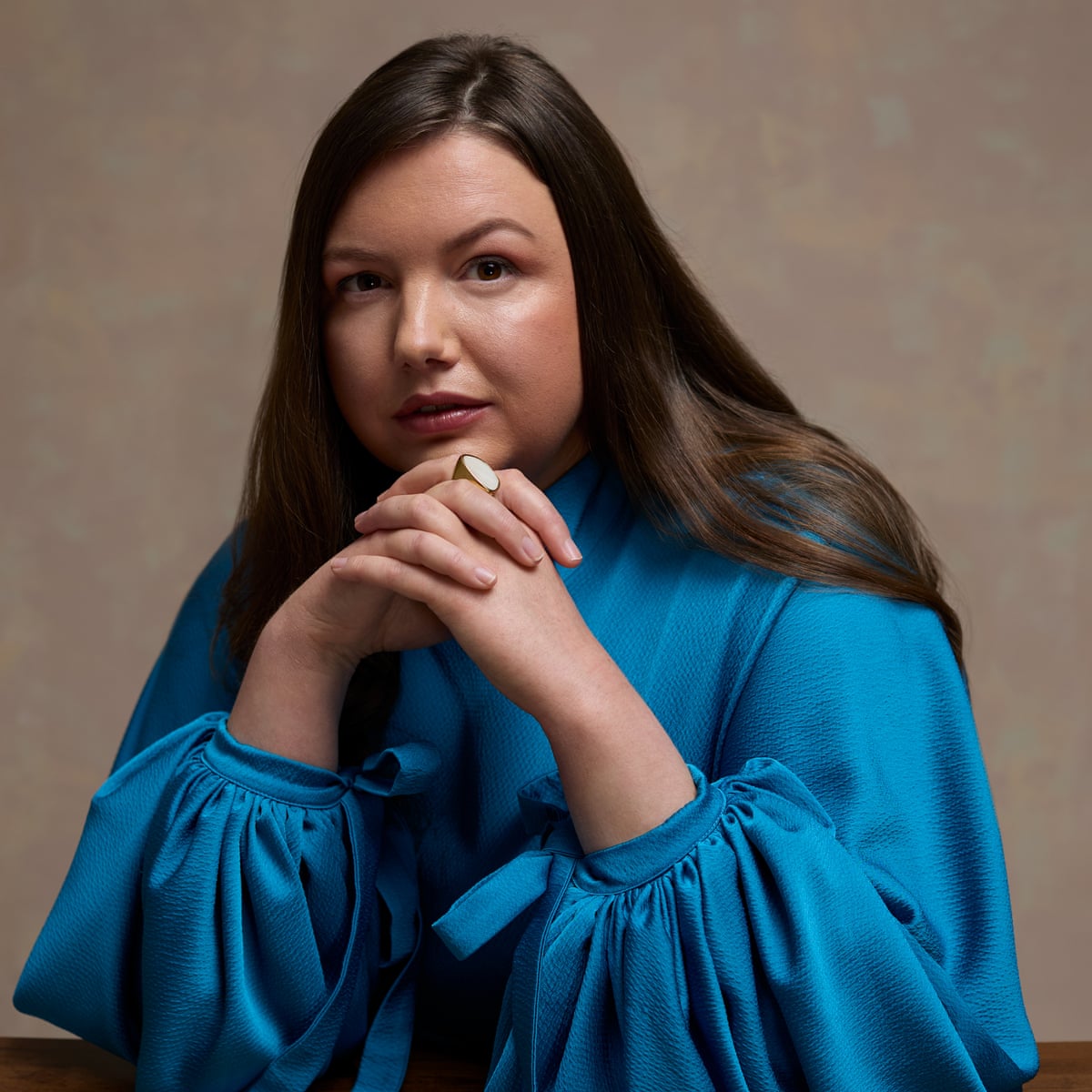
Rarely do wellness movements introduce themselves with the language they may later earn. They come dressed as healing. Alignment. Community. Your best self. In a Guardian interview, Hannah Murray describes the moment that language stopped sounding aspirational and started sounding like law. The former Skins and Game of Thrones actor, now 36, says she was drawn into a wellness cult at 27, suffered a psychotic break, spent 28 days detained under the Mental Health Act and was later diagnosed with bipolar disorder.
What keeps snagging at me is how little of Murray’s story reads like lurid true crime. Instead, it reads like a dispatch from the nicer end of self-help culture, the part that speaks softly, makes eye contact and still manages to tighten around a person until uncertainty starts to feel like personal failure. Her coming memoir, The Make-Believe, matters because it blurs a distinction the wellness industry prefers to keep tidy: glamorous self-work over here, coercive belief over there. Sometimes the two use exactly the same voice.
Celebrity is beside the point here. Our culture still likes advice polished, intimate and absolute, all at once. Only a few days ago, Arwa Mahdawi argued that the latest wellness fringe can fold food, virtue and identity into the same sermon. In that atmosphere, Murray’s story makes more sense. Fame is not the point. The market for certainty is still huge, especially when it arrives dressed as care.
Celebrity is really just the sugar on top. The older product underneath is the fantasy that somebody else can name your confusion, smooth out your contradictions and invoice you for the relief.
The promise in the room
More than anything, a story like this reminds you that people rarely walk towards control because they are gullible. They walk towards it because the offer sounds humane. A spiritual community can look like refuge, structure, even a reprieve from the blur of ordinary life. I keep circling that point because Murray’s account seems to demand it. The danger was not only what the group believed. It was the seduction of being told that every fear, every doubt, every private wobble already had an approved explanation.

So the biography matters only up to a point. Yes, Murray is recognisable. Yes, fame comes with its own distortions. More important is that she was young and, by her own account, hungry for meaning. At 27, the promise of a system that could explain the world, and maybe explain you back to yourself, might have felt less like extremism than relief. The self-help economy runs on that appetite. It does not only sell improvement. It sells interpretation.
In a cover reveal for People, Murray described the experience in language far calmer than the events themselves:
The events of The Make-Believe were intensely challenging to live through, but the journey of writing about them has been the most powerfully rewarding thing I’ve ever known.
— Hannah Murray, People
What I like in that quote is the restraint. No revenge arc. No big flourish. No synthetic wisdom sanded smooth for the publicity cycle. From the material now in public, Murray seems less interested in selling catharsis than in describing the slow, unlovely work of getting her own mind back.
Usually, the memoir market asks women for a cleaner ending than life will give them. Murray’s material seems pricklier than that. It leaves the mess on the page. Good.
When doubt becomes disloyalty
Coercive cultures share a favourite trick: teach people to distrust their own hesitation. Once doubt gets recast as resistance, immaturity or spiritual failure, obedience can start masquerading as growth. Murray’s story, at least as it has been reported so far, lives in that awful turn, the point where language designed to sound healing becomes a way of disciplining the self.

Here, the piece stops being only memoir and starts working as culture writing. Across the modern wellness economy, borrowed therapy language often arrives stripped of the safeguards. Boundaries turn into branding. Intuition hardens into instruction. Belonging arrives with a script. Maybe that sounds severe. I think the softer version has already had plenty of airtime. For years, we have been told that healing should look beautiful, coherent and marketable. Murray’s account suggests how frightening that coherence can become when it demands surrender instead of reflection.
Those 28 days she spent sectioned are the bluntest fact here, and the one that needs the least spectacle. Psychiatric collapse is not narrative garnish. If the book works, I suspect it will be because it resists becoming one more lurid story about a woman unravelling in public. Murray is more useful to read as a witness to a culture that keeps mistaking certainty for wisdom. The cult detail matters, obviously. The softer, more familiar forms of coercion matter just as much, because they are what make the harder version legible.
Time exposes the gap between wellness language and reality. Wellness branding loves immediacy: reset, cleanse, optimise, transform. Actual recovery is slower, less photogenic and much less sure of itself. Murray told the Guardian she has not had a drink for three years. I read that less as a lifestyle tidbit than as a reminder that ordinary, repetitive discipline is often what survives after grand systems burn out.
After the spell
A cult promises total explanation. This memoir seems to do the reverse. It gives the mess back. It lets contradiction stay visible. Seven years is a long time to write any book, and The Make-Believe reportedly took Murray exactly that long. I find that oddly reassuring. A story about certainty probably should be written slowly, with enough room for embarrassment, grief, self-protection and clarity to stop shouting over one another.
Then there’s Murray’s humour about what comes next. In the same Guardian piece, Murray says:
Thank God I don’t act any more.
— Hannah Murray, The Guardian
Read one way, it’s a line about career exhaustion. Read another, it sounds like relief from the machinery of being watched. The remark lands because so much of this story is about performance in disguise: the performed serenity of wellness, the performed certainty of guru culture, even the performed resilience the public often asks of women who disclose pain in public.
Reaction to the book tells its own story too. On Penguin’s page, Dolly Alderton calls it this:
An extraordinary memoir - propulsive, immersive; like nothing I have ever read before. I read it in one day and thought about it for weeks afterwards.
— Dolly Alderton, via Penguin
Usually endorsements are disposable copy. This one still tells you something. Murray’s story does not seem to be landing as a tidy recovery narrative. It is landing as an account of how belief can reorganise a life from the inside.
For me, that is why the memoir feels larger than one actor’s bad years. Murray is moving not back into the old machinery of promotion, but into authorship, and the shift suits the material. A performer is asked to hold the room. A memoirist gets to tell the truth about how the room worked on her. In a self-help economy still addicted to smooth answers, that kind of ragged specificity feels almost radical.

Melbourne film and television critic. Streams the lot so you don't have to. Writes about the Australian screen industry and what's worth a night in.
The Lifestyle Desires brief
Style, food, travel and wellbeing — weekly in your inbox.
Subscribe