Magnesium-rich foods: what to eat before supplements
The magnesium boom keeps sending people to the supplement aisle first. A steadier move is to build it into breakfast, lunch and dinner, then decide if a capsule still belongs.
The magnesium conversation usually reaches me in the least useful place possible: under chemist strip lighting, somewhere between sleep gummies and collagen sachets, when I am tired enough to believe a capsule might sort out my whole week. By then the interesting question has been flattened into a shopping one. Which bottle. Which dose. Which time of day. I am less interested in that, at least at first, than I am in dinner.
For most people, the best first move is not to panic-buy a supplement. It is to spend 10 quiet minutes looking at what you already eat, then build one more magnesium-rich meal into the shape of a normal day. According to healthdirect, magnesium helps with muscle and nerve function and with keeping bones strong. Adult needs generally sit around 310 to 420 mg a day, and healthdirect puts women aged 19 to 30 at 310 mg a day. That is useful orientation. It is not a reason to turn every snack into homework.
The food-first version of the story is still the sensible one. If your intake stays low, if medicines complicate things, or if symptoms are part of the picture, that is when a GP or dietitian should come in. Until then, the pantry is doing more work than the supplement aisle gets credit for.
1. Start with the foods that already know how to do this
On an ordinary week, the easiest magnesium habit is the one that does not feel like a health kick at all. Most of the foods that help are ordinary: leafy greens, legumes, nuts, seeds and wholegrains, all named in healthdirect’s explainer. The trick is not to memorise a worthy list. It is to notice which of those foods already drift through your week, then make them show up a bit more often.
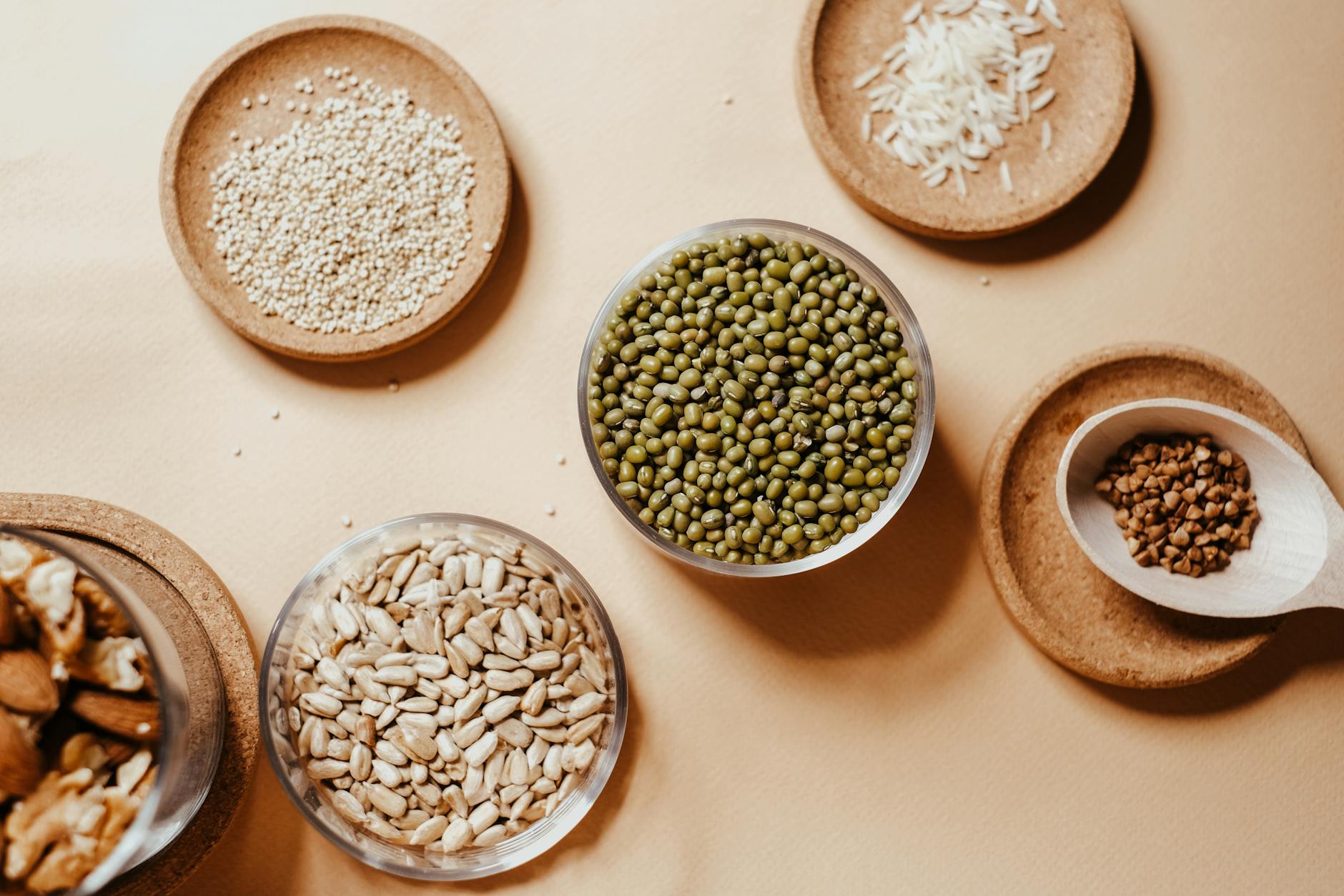
Maybe oats are already breakfast. If so, scatter pumpkin seeds or almonds across them. Maybe lunch is usually toast. Then make it grainier and put something with a bit of heft on top, not just avocado but a handful of seeds or a side of beans later in the day. When dinner is the one meal where you still have a little patience, that is where I would spend it: lentils folded through soup, chickpeas warmed with olive oil and greens, brown rice under a tray of roasted vegetables. None of this is glamorous. That is partly why it works.
I would skip the idea that one heroic magnesium food can rescue the rest of the week. Spinach on Monday does not cancel takeaway on Tuesday, and a spoonful of pumpkin seeds is not a moral achievement. Think pattern, not performance.
2. Build one magnesium-rich plate before you build a supplement routine
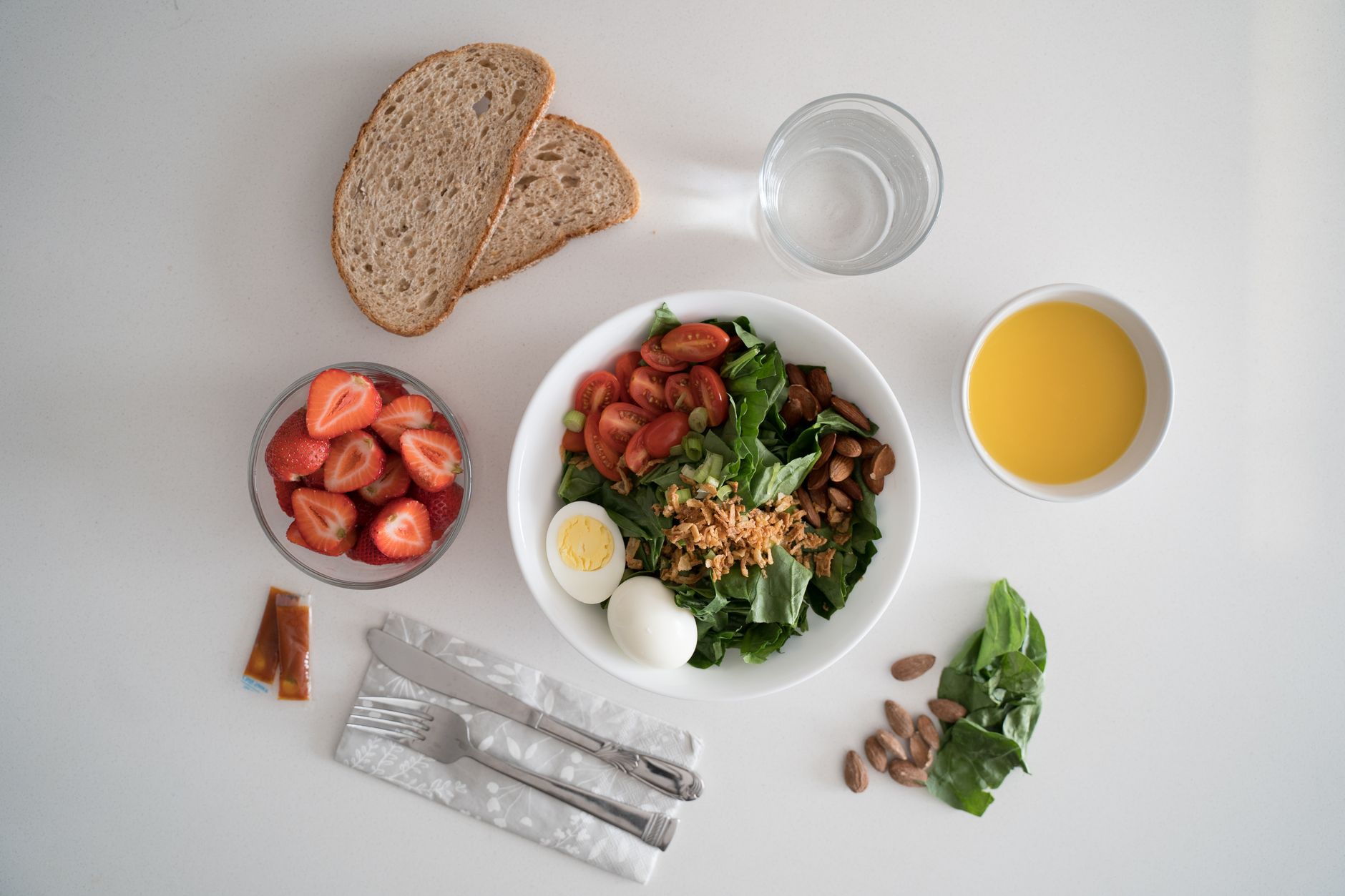
Once you stop treating magnesium as a single ingredient, the day gets easier to plan. A helpful plate only has to do a couple of things: keep you full, bring in one food that actually carries magnesium, and make room for something green if you can. In practice that can look like oats plus seeds in the morning, a bean-heavy grain bowl at lunch, or a grain and lentil dinner with greens on the side.

For me, this is more useful than reading another piece about wellness powders because it turns an abstract deficiency conversation into something you can actually eat. Breakfast might be porridge with pepitas and fruit. Lunch could be leftover brown rice with black beans, cucumber and a tahini dressing. Dinner might be dal, or a tray of roast vegetables with chickpeas and a thick scoop of yoghurt on the side. The point is not culinary purity. It is repetition.
Run that experiment for three or four days before you touch a supplement. Write down where nuts, seeds, legumes, greens and wholegrains appear. Most people can spot the gap almost immediately. More often than not, magnesium is not impossible to find. The week has simply gone beige and hurried.
3. Work out whether food-first is enough for you
Food-first is a sensible starting point, not a purity test. Sometimes it is enough. Sometimes it is not. If your appetite is erratic, your diet has narrowed, you are dealing with gut issues, or you are taking medicines that can affect the picture, the answer may be more complicated than adding almonds to breakfast.
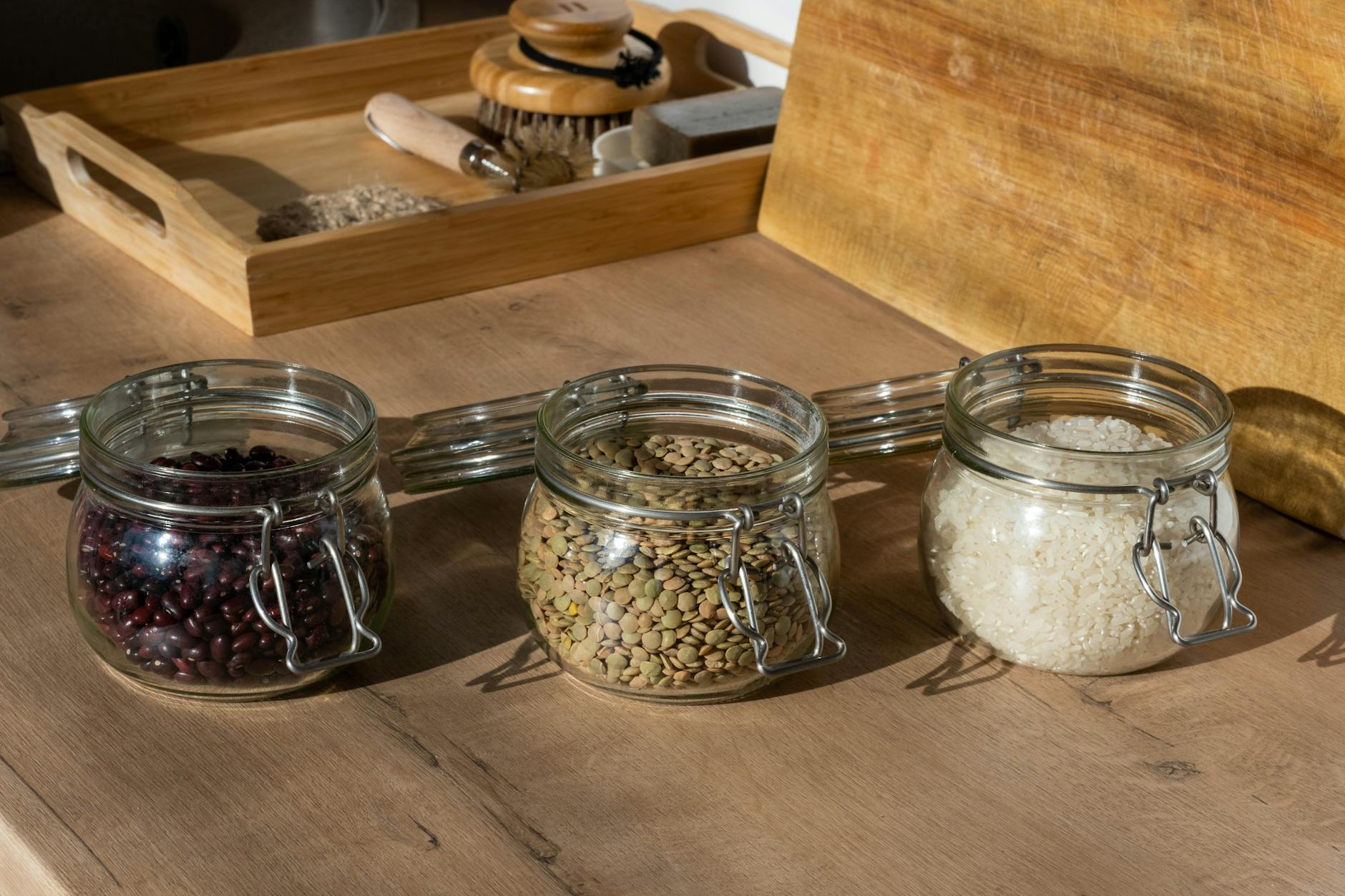
Honesty helps here. Are you regularly eating the kinds of foods healthdirect lists, or are you mostly hoping one well-intentioned meal a week will do the job? Are you skipping meals? Are you training hard and recovering badly? Are symptoms or a long stretch of stress making everything feel blurry? Those questions are less glamorous than supplement folklore, but they are also closer to the truth.
Certain medicines can change the best schedule or muddy the discussion, including antibiotics, bisphosphonates, diuretics and proton pump inhibitors. That does not mean those medicines are wrong for you. It means magnesium has stopped being just a pantry story and started being a clinical one. If that sounds like your situation, stop guessing and ask your doctor how food, supplements and medicines should sit together.
4. If you try a supplement, pick timing for comfort, not folklore
This is the part wellness culture tends to overcomplicate. Morning, night, empty stomach, after dinner, before bed: the internet talks about magnesium as if there is a secret slot in the day when it suddenly becomes a different mineral. The calmer read, drawn from GQ’s reporting and Healthline’s guide, is that timing matters less than tolerance and consistency.
“Most people can get enough magnesium through food without making drastic or expensive changes to their diet, and we should be encouraging this before telling everyone to supplement.”
— Maddie Pasquariello, GQ
If a supplement makes you nauseous, or your gut objects, taking it with food or earlier in the day may suit better. If you only remember tablets at night, bedtime can be fine too. What matters is that you are not expecting theatre from it. You are trying to make it tolerable enough to use properly.
“The most important thing is to remain consistent in taking your supplement.”
— Healthline guide
Advice like that is almost disappointingly useful, which is why I trust it. Routine beats mythology. If you do not need a supplement, skip it. If you do, choose the time your stomach and your life can live with.
5. The myths that make this harder than it is
One problem is the way magnesium gets sold as a magic sleep button. It may be part of a broader routine, but the sourcing for this piece does not support selling it as a guaranteed fix for insomnia, anxiety or a vague sense that your body has fallen out of alignment. Be careful of any advice that promises a transformation too quickly, especially if it arrives wrapped around a product code.
The timing myth is stubborn too. Pasquariello makes that point neatly in GQ: the evidence for obsessing over an exact hour is thin for most people. If your meals are irregular, your intake is low, or your routine changes every second day, the bigger win is steadiness, not precision.
Then there is the idea that food and supplements are interchangeable. They are not. Food brings magnesium in a broader context, alongside fibre, protein and other nutrients, and it is often the gentler place to begin. Supplements can be useful, but they belong in the plan for a reason. If medicines are involved, or if you suspect you are genuinely not meeting your needs, that is when personalised advice matters.
6. Decide what to do next this week
My own version of this guide is simple. Tonight, look at tomorrow’s meals and choose one definite magnesium food for each half of the day: oats or seeds at breakfast, legumes or wholegrains at lunch, greens or beans at dinner. Buy the food before you buy the promise. Do that for a few days and see whether the pattern starts to feel natural.
Still convinced a supplement belongs in the picture? Pair it with a meal or a time of day you already remember. Keep it simple. If it causes stomach upset, adjust the timing or speak to a pharmacist or GP. If you are also taking antibiotics, bisphosphonates, diuretics or proton pump inhibitors, ask about the safest schedule rather than improvising one.
For magnesium, the less dramatic storyline is usually the more useful one. Most of the time, it needs a better lunch, a less frantic chemist visit, and a slightly more grown-up kind of patience. That is less exciting than supplement hype. I know. It is also, I suspect, the part that helps.

The Lifestyle Desires brief
Style, food, travel and wellbeing — weekly in your inbox.
Subscribe