Horchata slips into the café script
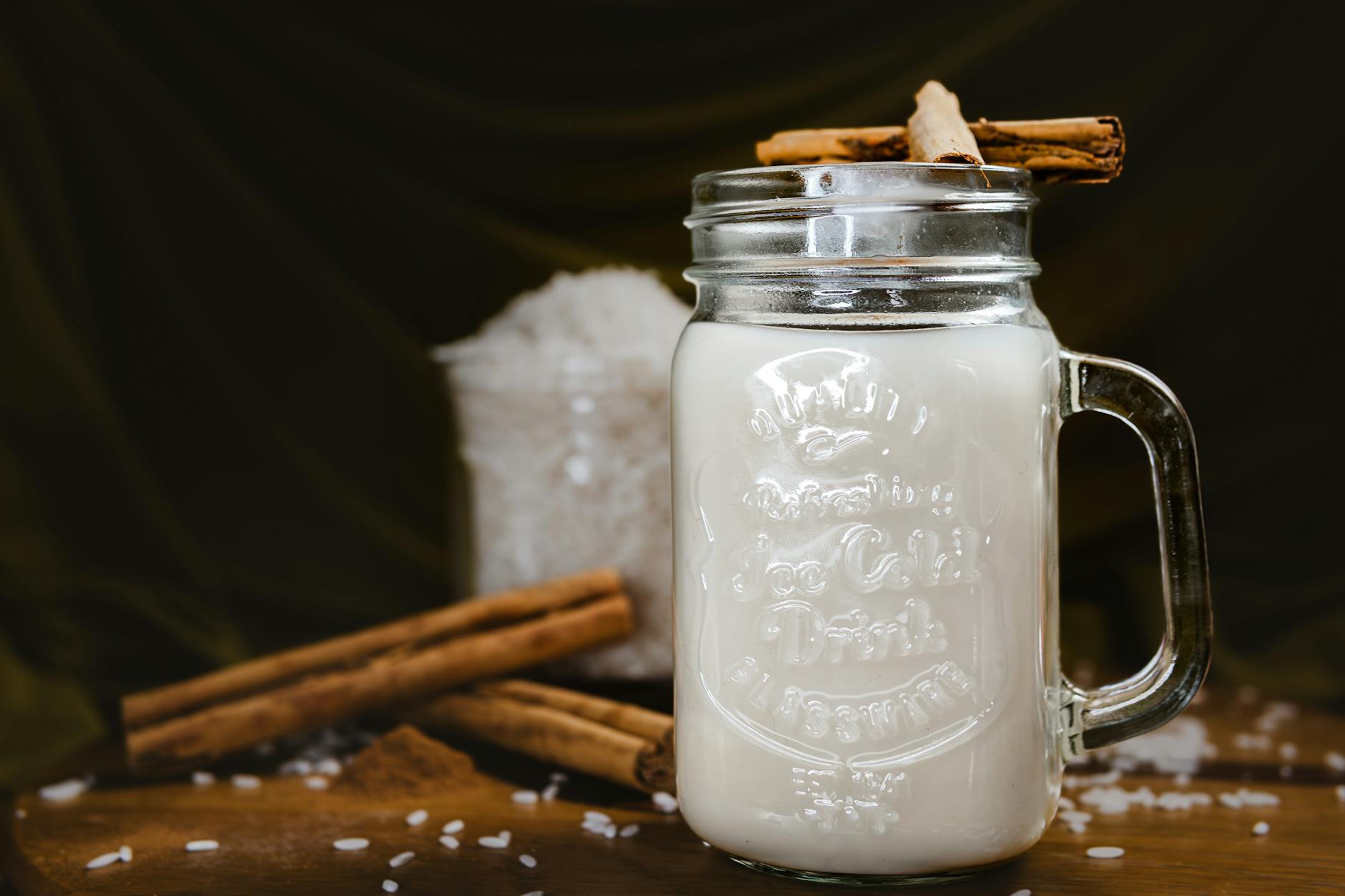
Horchata is slipping from regional staple to café lifestyle signal, and Australian counters already look ready for the cold, creamy version.
In Melbourne, I’ve watched café queues pick up little habits. Not full revolutions. Tics. A year or two ago it was extra-hot flat whites and apologetic oat swaps. Then matcha took over: the small pause before the order, the careful pronunciation, the faint suggestion that the drink itself was proof you meant to move through the morning gently. Now the next object of desire looks different. Beige rather than green. Colder. Sweeter. Less earnest on the tongue.
Horchata feels almost suspiciously well-timed. It is colder than the drinks we still treat as café defaults, creamier than the fruit-bright things that blow through every summer, and kinder than matcha, which can still turn swampy when the barista is having an off day. I can see the appeal without much effort. After a few years of drinks that seemed determined to improve me, horchata arrives with lower ambitions. It mostly wants to be pleasant.
That ease is also the risk. In Sprudge’s conversation about horchata and coffee, Mayra Aceves warns against the lazy kind of cultural borrowing, where a drink’s history gets reduced to cinnamon and vibes. That argument sits underneath the current horchata rush. Operators see something cold, adaptable and easy to sell. Sceptics see another regional drink edging towards the lifestyle blender.
Which is why this interests me more than the usual next-big-thing chatter. The horchata cafe trend is not really about whether Australians will start ordering rice-milk drinks by name. It is about the way the modern café turns flavour into format, taking something with memory, heat and geography and remaking it as an iced latte, a shaken espresso, a dessert special, something that can sit under flattering lights beside the pastries and seem as though it had always belonged there.
The cold sweet spot
If you listen to operators, the appeal is almost blunt. Horchata is cold. Horchata is sweet. It takes spice beautifully and does not quarrel with dairy or coffee when a kitchen wants to push it into new company. In The Guardian’s reporting on London’s horchata moment, that practical, hospitable logic keeps surfacing.

The sharpest line in that piece comes from Thomasina Miers of Wahaca, who gets both flavour and context:
“It is incredibly refreshing, particularly in hot weather, and goes beautifully with spicy food.”
— Thomasina Miers, Wahaca
There is plenty tucked inside that observation. Refreshing means it works in a heatwave. Spicy food means it belongs on a broader menu, not just in the drinks fridge. Horchata makes sense as a latte, a shaker or a dessert for roughly the same reason salted caramel once did: a customer understands it in a second. No seminar required. Texture first.
The operators in the piece are persuasive partly because they are so unceremonious about it. Nicholas Fitzgerald of Tacos Padre puts it more plainly:
“People really love it, big time.”
— Nicholas Fitzgerald, Tacos Padre
That may be the whole case. Café trends usually arrive trailing too much explanation, but customers make a quicker calculation than that. Does it look good cold? Will it feel faintly indulgent at 11am? Can I order it twice without becoming the sort of person who says terroir before lunch? Horchata, in its softened café forms, answers yes on every count.
The chain version of comfort
The analyst’s read is less romantic. Starbucks said its Iced Horchata Oatmilk Shaken Espresso outperformed previous seasonal iced shaken espresso launches by 44 per cent, and the company’s 2026 summer menu preview suggests horchata now looks less like a one-off novelty than a reusable flavour platform.

That does not prove a mass audience is craving traditional horchata in all its regional particularity. It proves something narrower and, commercially, probably more useful. Customers will happily order a drink that borrows horchata’s cues once those cues have been organised into a format the chain café has already trained them to trust. Espresso. Oat milk. Ice. Cinnamon. Cold foam too, if you really want to sand off the corners.
This is why the matcha comparison keeps clinging to the story. Matcha became café language before it remained tea language. Horchata is edging into the same machinery. The Guardian notes UK search lifts of 30 per cent for “what is horchata” and 20 per cent for “mexican horchata” across three months, plus a truly deranged breakout term around horchata BuzzBallz that rose by more than 5,000 per cent. Internet numbers are messy things, but these ones still tell you something. Curiosity is there. So is the appetite for novelty with training wheels.
I am less convinced this automatically makes horchata a lasting staple. Search spikes are summer creatures. Seasonal menus flatter weak ideas all the time. But a drink does not need a decade-long reign to shape the mood of a café year. Sometimes it only needs to catch a few things people want to feel at once: open-minded, a little worldly, not trying too hard.
Melbourne is already practising
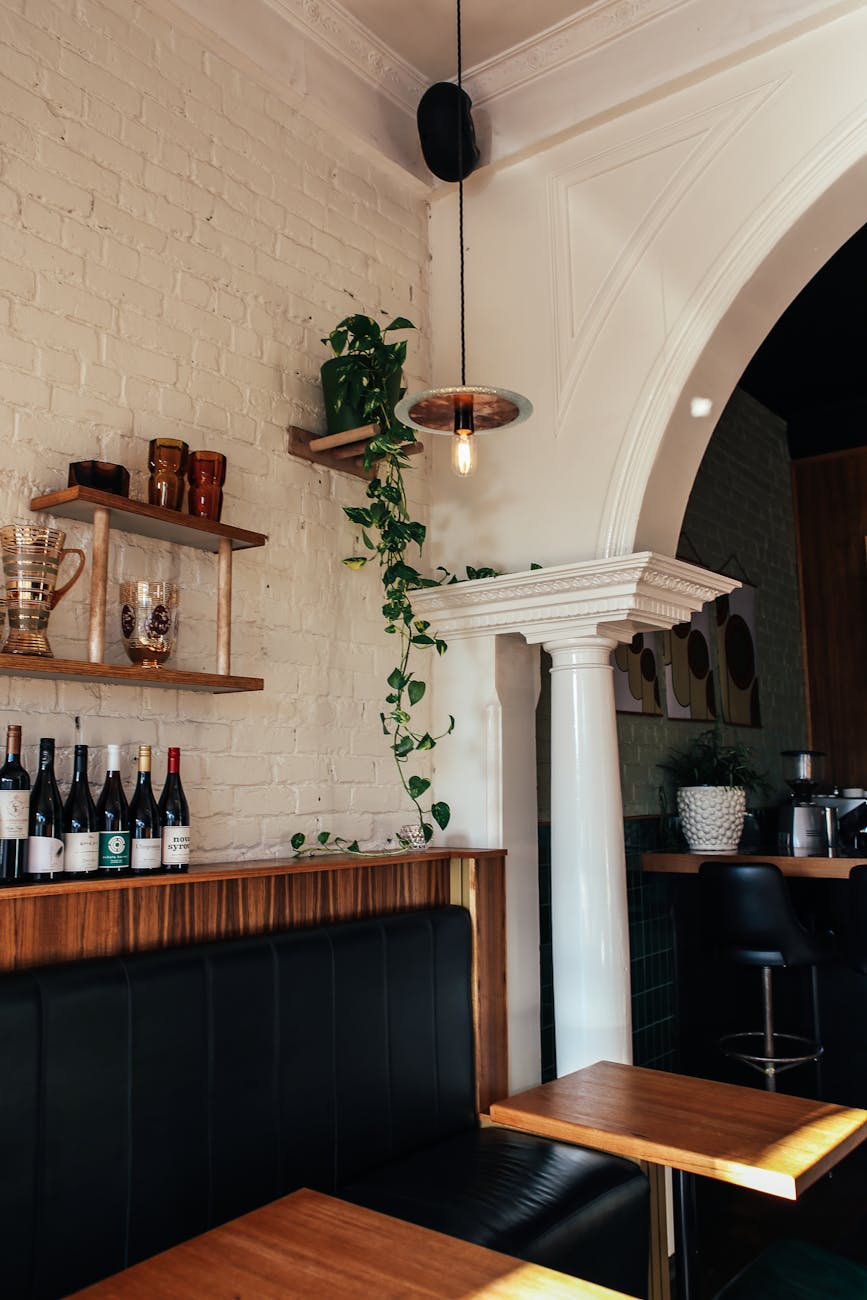
The Australian angle matters because our café culture is unusually good at domesticating imported pleasures. We are quick studies when a drink can be made to look at home beside the grinder. We do not need much persuading if the glass arrives cold, the spice reads clearly, and the whole thing suits a late breakfast or a walk back to the tram.
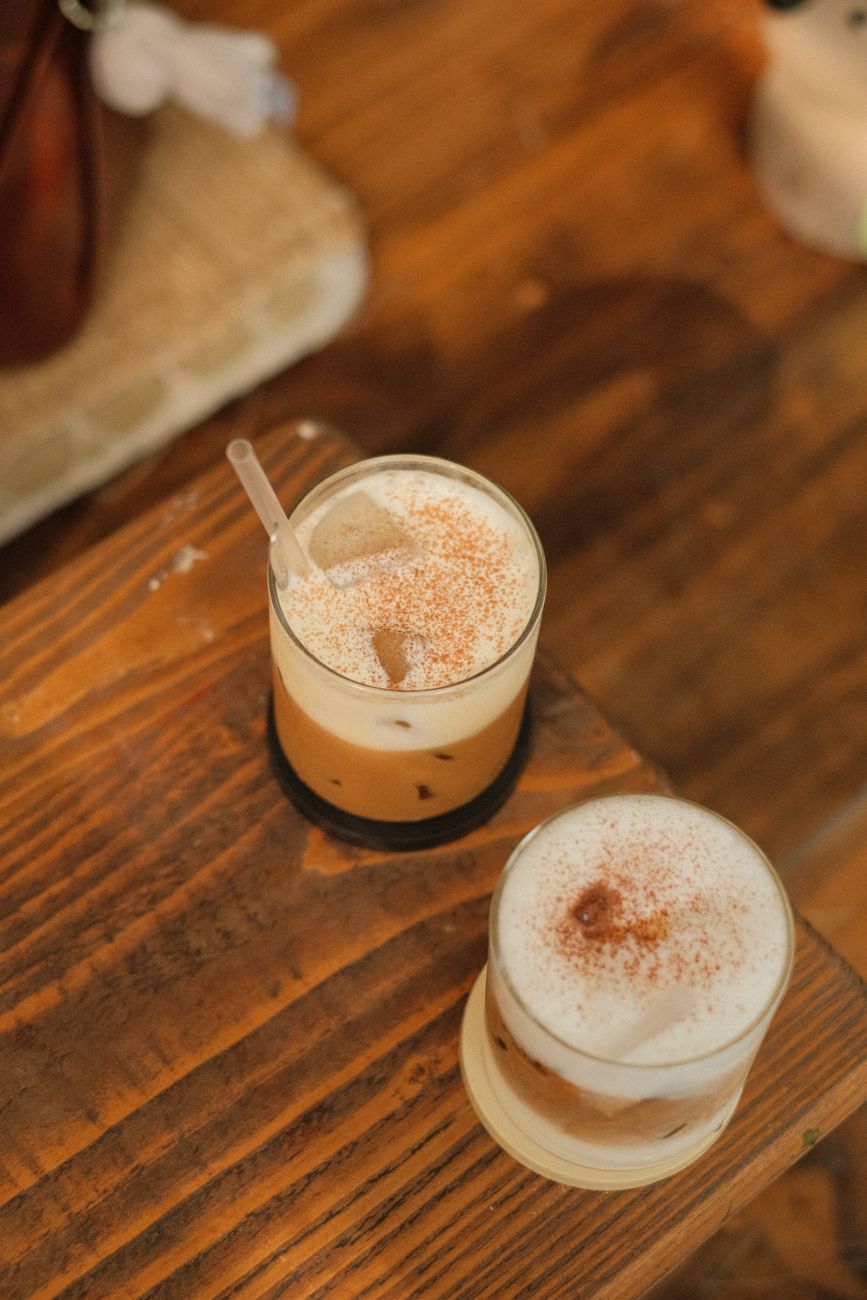
That is why Broadsheet’s write-up of Cumbé in Brunswick is more revealing than any trend forecast. The publication notes a coffeechata there, espresso mixed with house-made horchata, which is exactly the sort of hybrid drink that tells you a flavour has crossed from curiosity into local vernacular. It is not being kept behind glass as a lesson. It is being folded into the coffee order.
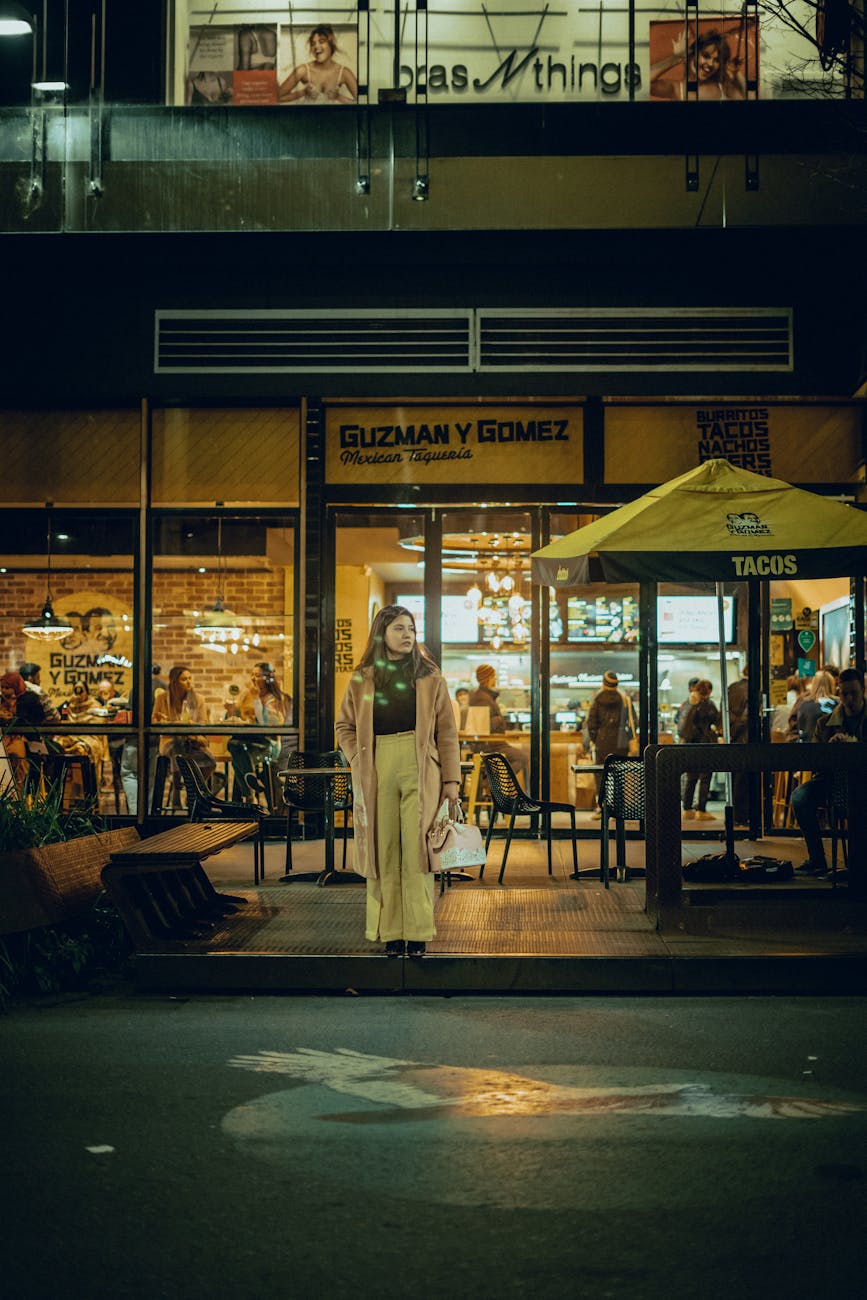
Broadsheet’s coverage of Santito in Collingwood points the same way. Once a city has enough venues treating Mexican food culture as everyday pleasure rather than themed occasion, horchata stops sounding like a daring import and starts sounding like something that might simply belong on the menu. Not everywhere. Not forever. But long enough, perhaps, for the right café to make it stick through a season.
More than the chain numbers, that is why I think horchata has an Australian runway. We have spent the last decade turning our cafés into soft-focus all-day rooms, places that sell not just caffeine but small mood adjustments. Horchata suits that environment beautifully. It is nostalgic even when the nostalgia is borrowed. It tastes dessert-adjacent without requiring a spoon. It can sit next to chilli eggs, a laminated pastry or a puffy fish taco and look perfectly at ease.
The part that resists translation
Still, the sceptic’s question is the one I would keep close. When does a horchata latte stop being horchata and become, basically, a flavoured milk drink with better branding? Aceves gets at the problem directly in Sprudge’s essay on horchata and coffee, where the concern is not experimentation itself but the flattening that often follows.

“You can’t just add cinnamon to [coffee] and say it’s ‘Mexican Style.’”
— Mayra Aceves, Sprudge Special Projects
That line should probably be taped above a few menu-development meetings. It names the risk underneath every global café fad: the moment a flavour gets abstracted from the people who carried it, then sold back as atmosphere. In the rush to make a drink legible, you can strip away the particularity that made it worth noticing in the first place.
I do not think the answer is purity tests for every café menu. Food moves. Drinks migrate. Hybrids can be delicious, and sometimes the gateway version sends people back towards the original with more curiosity than they started with. But the least interesting version of this trend will be the one that treats horchata as a mood board: beige, icy, vaguely cinnamon, culturally frictionless.
The version I would like to see stick is the one where cafés let the drink keep some of its own shape. Let it stay recognisable as horchata rather than an anonymous sweetener system. Let the name point somewhere real. Let the menu do a little more than borrow the feeling of elsewhere.
Maybe that sounds like a lot to ask from a cold drink in a clear cup. Maybe it is. But café culture has always been about more than thirst. We order identities there. We rehearse our tastes in public. After matcha, horchata makes a strange kind of sense because it offers comfort without earnestness, novelty without too much homework, and sweetness that can still be narrated as discernment.
I might be wrong, and by spring we may all be onto something pandan-green or tamarind-sharp instead. Trends are treacherous like that. Still, I would not bet against seeing more horchata on Australian menus soon, especially in places that understand the difference between translation and costume. The drink is cold, creamy and easy to sell, yes. The better question is whether cafés can resist sanding it down into pure aesthetic. That is the part of the story I will keep tasting for.

The Lifestyle Desires brief
Style, food, travel and wellbeing — weekly in your inbox.
Subscribe