What Pizza Studio Tamaki says about Sydney
Pizza Studio Tamaki's Sydney debut is less about the line than a city chasing specific, high-low dining with an actual point of view.
I have become suspicious of restaurant openings that arrive with their own mythology already attached. The line is usually doing half the work. The imported hype is doing the rest. Sydney, in that mood, can start to read like a city auditioning for itself. That is why Pizza Studio Tamaki caught my attention for reasons that have less to do with whether you can get a table this week and more to do with what kind of appetite the place is feeding.
Not another queue story.
The easy version is sitting there, piping hot. Tsubasa Tamaki has built a cult name in Tokyo. His Sydney outpost is the brand’s biggest anywhere at 78 seats, according to the Sydney Morning Herald’s report on the opening, and more than 1000 reservations were reportedly booked before the doors had properly opened. Broadsheet also notes the pizzeria has landed at number 10 in the Best Pizza Awards. Those details are useful. They are also the sort of details that can flatten a piece if you let them. Numbers have a way of sounding like proof when they are often just atmosphere with better tailoring. What interests me more is the choice Sydney is making when it turns a Tokyo cult pizzeria into local news.
In Time Out Sydney’s recent look at dining trends for 2026, editor in chief Alice Ellis says “specific authenticity is on the rise”. That phrase could have been written for Pizza Studio Tamaki, and I mean that as description rather than applause. Sydney diners are not only paying for dinner at the moment. They are paying for a tighter narrative, a clearer set of choices, a sense that someone has obsessed over one idea long enough to make it feel transportive. We have had years of venues trying to be breakfast spot, natural wine bar, date place and neighbourhood canteen in a single breath. The mood now looks narrower. Sharper, too.
That is different from authenticity as theatre.
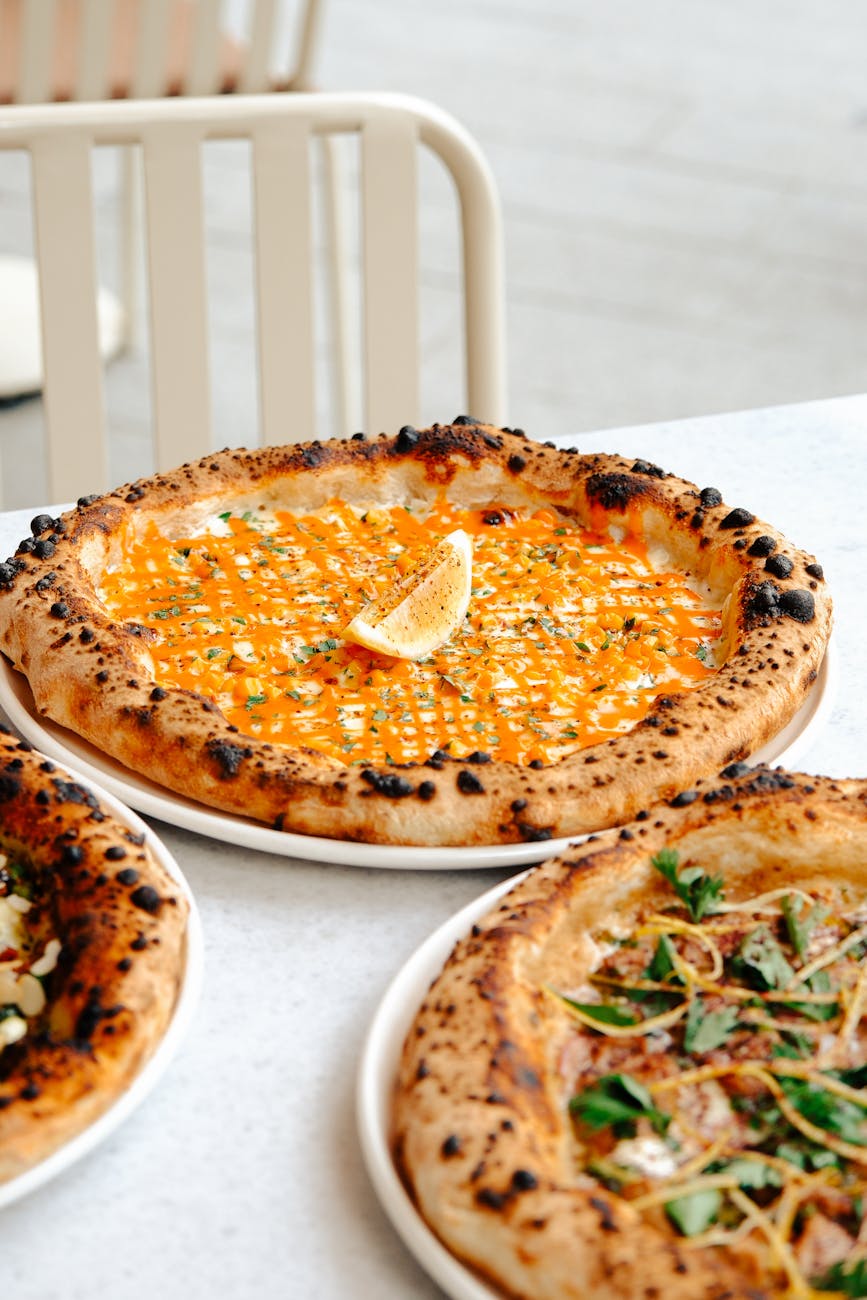
Broadsheet’s earlier report on the launch noted a 30-hour fermentation for the dough and the use of Japanese flour and Okinawan salt. Tamaki himself put it neatly: “Using Japanese ingredients on pizzas was my attempt to create a unique style of pizza.” What I like about the quote is how it sidesteps the stale restaurant-writing binary in which a venue must either bow to tradition or perform fusion for applause. This is neither, not exactly. A chef building a vocabulary out of ingredients and technique that do not need to pass anyone else’s purity test to feel coherent. And coherence, more than luxury, is one of the things Sydney keeps rewarding. Pizza remains one of the few categories that can sustain a fanatic without immediately looking silly. It feels democratic enough to stay casual, yet fetishised enough to carry status.
That contradiction matters.
As the same Time Out survey found, 35 per cent of diners are still prioritising affordability. People want value. They also want a story worth leaving the house for. Pizza Studio Tamaki sits right on that fault line. Premium casual with cult energy, which may be the most Sydney sentence of the year. A lot of openings still sell themselves with breadth. A little this, a little that. Something for the office crowd, something for birthdays, something for the friend who says she is off gluten until Friday. This one is selling concentration instead. That reads more current than the reservation tally.
And pizza is the right vehicle for that ambition because nobody has to be taught how to want it. A tasting menu asks for a kind of surrender. A pizza asks for appetite, then sneaks the craftsmanship in after the fact. That may be why this debut feels more revealing than, say, another polished grill room or imported luxury concept. Sydney diners can tell themselves they are choosing something relaxed even while chasing the same status cues they might once have looked for in linen tablecloths and impossible bookings. High-low dining has become a cliché in restaurant talk, but it still lands because most people want both things at once: ease and exactitude, familiarity and bragging rights.
I do not think the real signal here is the booking rush, tempting though that is for every editor and publicist involved. Queue porn is a lazy way to describe desire. Scarcity can be manufactured. Restaurant lines often tell you more about timing, social proof and how bored we are on our phones than they do about the thing being eaten. The more telling particular is that an operator such as Nixon Alex, chief executive of Kaizen Food Group, reportedly visited the Tokyo original three times before bringing the concept here, saying each experience had been exceptional. That is not the vocabulary of trend-chasing. It is the vocabulary of careful importation. You can hear the thesis in it: Sydney will turn up for a restaurant with a point of view if the point of view is legible enough. George Street matters for the same reason. It is such an unsentimental stretch of the city — no laneway romance doing the work for you there. If a venue succeeds on that patch, it has to generate its own weather.
Nothing about that feels accidental.
There is also something timely about the way Tamaki’s cooking resists category panic. Australian restaurant culture has spent the past decade arguing in circles about what counts as serious food and what counts as comfort food, as if the two are natural enemies. Pizza Studio Tamaki cuts through that with almost irritating elegance. A pizza can be built with the discipline of a tasting-menu dish and still arrive with the social ease of dinner you split with friends. I suspect that is a large part of the draw. Sydney has grown more comfortable with high-low dining in theory than it often is in practice. We still like our status cues to be obvious. A cult pizzeria ranked in the global top 10, using Japanese ingredients and tightly controlled technique, gives people a way to buy into craft without submitting to a night of hushed ceremony.
Still, hype travels badly.
Awards travel poorly. So do internet reputations. A city can inherit another city’s obsession and then discover that obsession made more sense in its original habitat. I am less convinced by the breathless idea that every international opening is a referendum on Sydney’s arrival as a world dining capital. That sort of civic chest-thumping nearly always produces dull copy and bad meals. What interests me more is the smaller proposition. Sydney diners seem hungry for places with narrower identities and firmer edges. They want to feel that somebody has decided what the restaurant is, and what it is not, before the public arrives and starts asking for substitutions. Urban List’s directory entry for Pizza Studio Tamaki runs through the menu markers and venue basics, which is useful up to a point. But the reason people will keep talking about the place, if they do, is not because Sydney needed another explanation of blistered crust. It is because the restaurant gives the city a fresh way to perform discernment without pretending it has outgrown pleasure.
That is the deeper charge.
It also helps explain why this opening feels more useful than the usual best-pizza chatter. List culture turns restaurants into interchangeable trophies. This story works in the other direction. It asks what happens when a city that says it wants casual dining also wants certainty, authorship and a little imported glamour with its supper. Pizza Studio Tamaki only matters if it can hold all of those things at once.
Maybe I am overreading a new pizzeria on George Street. Restaurant writers are prone to that occupational hazard. Still, I do not think this opening matters because it proves Sydney can attract a famous name. Plenty of cities can do that if the numbers line up. It matters because of what kind of famous name it is. Not a steakhouse empire. Not a maximalist hospitality group promising all things to all moods. A tightly authored pizza restaurant with a cult reputation, a precise ingredient story and enough global sheen to make locals book a table, then tell themselves they booked it for the food alone.
That feels revealing. Sydney, at least for now, wants its pleasures casual in form, exacting in execution and very easy to narrate the next day. I might be wrong about the durability of the craze. Sydney can move on fast when the next imported obsession lands. But right now Pizza Studio Tamaki looks less like a passing queue and more like a clue. The city wants restaurants that know exactly what they are doing, and can make that certainty feel relaxed.

The Lifestyle Desires brief
Style, food, travel and wellbeing — weekly in your inbox.
Subscribe