Matt Stone takes the fear out of steam
Steam cooking myths keep home cooks wary of soggy veg and bland fish. Matt Stone says the real mistake is fearing moisture instead of learning control.
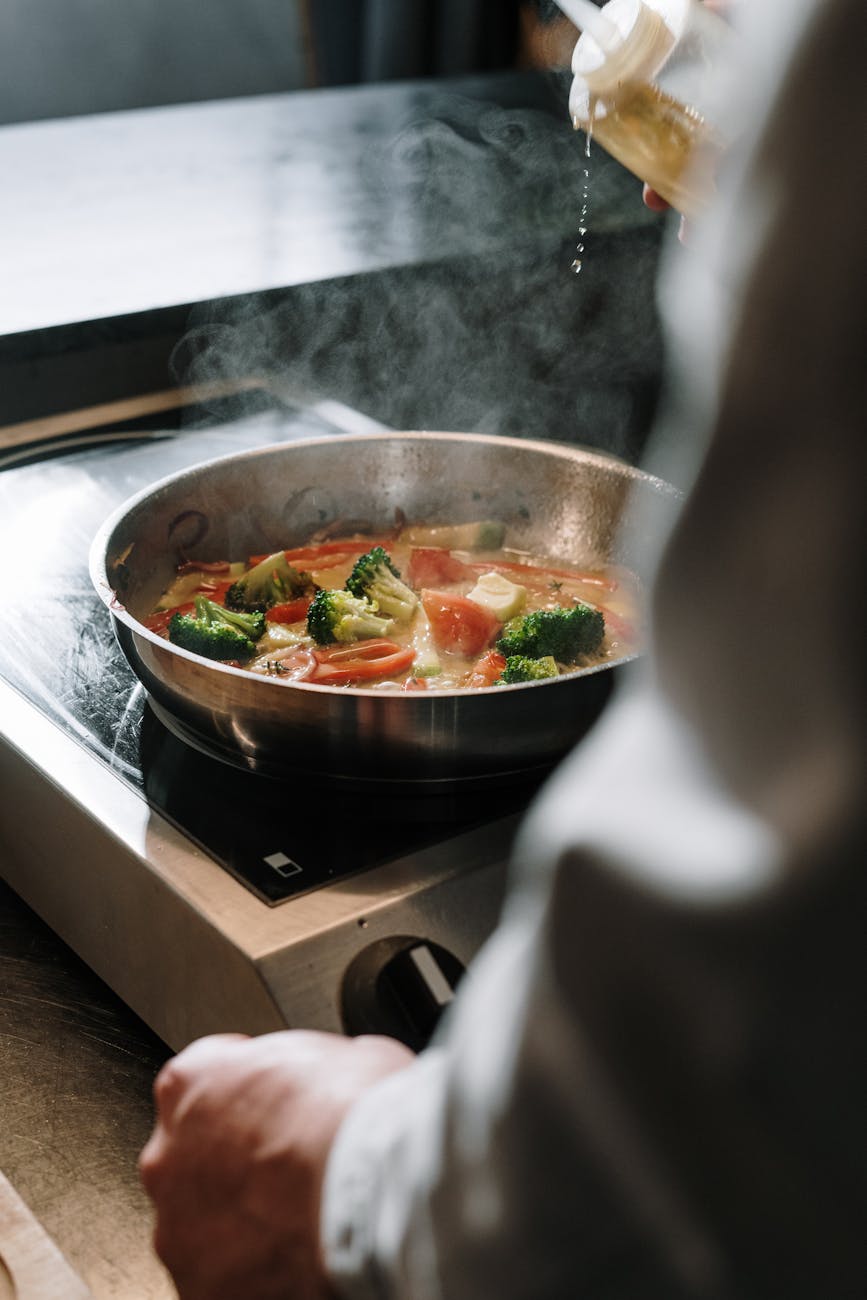
In most home kitchens, steam arrives like an accusation. It fogs the lid, slicks the tiles, softens whatever is in the basket, and somewhere in the back of your mind it still whispers hospital food. I know the feeling. For years I treated steam as the dutiful cousin of real cooking — useful when someone was unwell, less useful when dinner needed swagger. Then Matt Stone told Homes To Love that the whole mental picture is wrong, and the remark lands because he is not speaking like a wellness influencer or a salesman. He is speaking like a chef who has spent too long around heat to romanticise the wrong sort of drama.
People have the idea that steam cooking is only for ‘healthy’ food or that it somehow limits flavour and texture.
— Matt Stone, Homes To Love
Appliances are not really what Stone is talking about. The stories home cooks tell themselves when dinner goes quiet — that is the subject. We trust noise. We trust char. The sort of heat that leaves evidence on the pan. Steam, by contrast, feels polite, nearly invisible, a method that seems to ask for gratitude rather than appetite. Down in Australian kitchens, where we still worship the roast potato, the hard sear and the traybake that leaves the extractor fan working overtime, that politeness gets misread as weakness. More than any single recipe, what Stone is pushing back against is that reflex.
But by the third beat of the story, another perspective barges in. Appliance makers have spent the past few years pitching steam-and-convection ovens as the cure for dry roasts, anxious bakers and fish that gives up just before the plate. Electrolux frames its full-steam oven as a control machine; The Good Guys sells the same promise in friendlier retail language. An analyst or appliance buyer could read steam’s comeback as a story about better kit entering ordinary kitchens. Stone reads the same trend differently. The machine matters less than the superstition standing in front of it.
The dampness people think they taste
I get the sceptic. Steam does have trade-offs. Wet heat will not give you the same caramelised edges as a dry pan or the same brutal crackle as a ripping oven. Serious Eats has spent years knocking down kitchen mythology by insisting on mechanism over romance, and ada’s guide to wet-heat cooking makes the same plain point in calmer language: moisture changes texture, timing and heat transfer. Which is exactly why the old line about steam being bland survives. People taste the absence of browning and call it absence full stop.
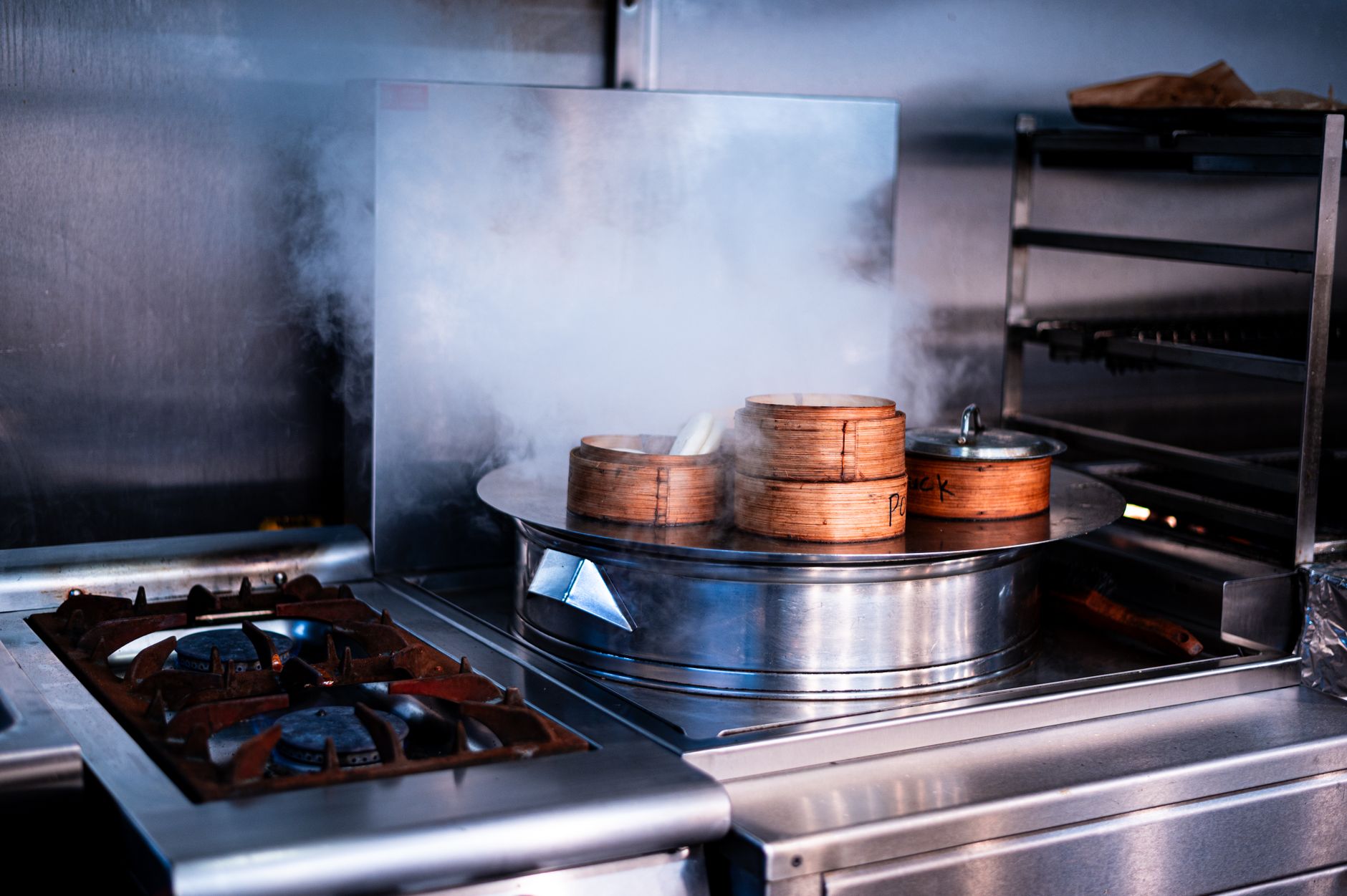
I have done this myself with fish. Take a handsome fillet, worry that it will seem pallid, push it harder than it needs, then wonder why the thing tastes of nerves. Steam does not flatter panic. It exposes it. A fillet cooked gently keeps its own liquor instead of surrendering it to a hot tray; greens can stay bright and snappy; dumplings can remain tender instead of tightening at the edges. Delicacy is not blankness. Different ambition, that — asks you to stop treating aggression as the only proof that cooking has happened.
For the food-science-minded home cook, the real question is whether steam genuinely improves dinner or merely swaps one compromise for another. The honest answer is both. Moisture retention and evenness improve. Browning disappears unless another heat source joins the party. That is not a flaw but the method itself. Use steam for what steam is good at, then finish, glaze, grill or sear where necessary. Once you admit that, the whole healthy-versus-tasty argument starts to look childish.
The machine in the middle
The appliance boom is revealing, and not in the way the brochures intend. Less a specialist toy than emotional insurance — that is how the modern steam oven is being sold. The brochures promise precision, the retailer explainers promise forgiveness, and the subtext is always the same: you are allowed to stop hovering. If you have ever overcooked salmon because you feared undercooking it, that message has real pull. Still, I am less convinced by the idea that confidence can be bought whole. A machine can widen the margin for error. It cannot correct a cook’s private belief that moisture is a sign something has gone wrong.
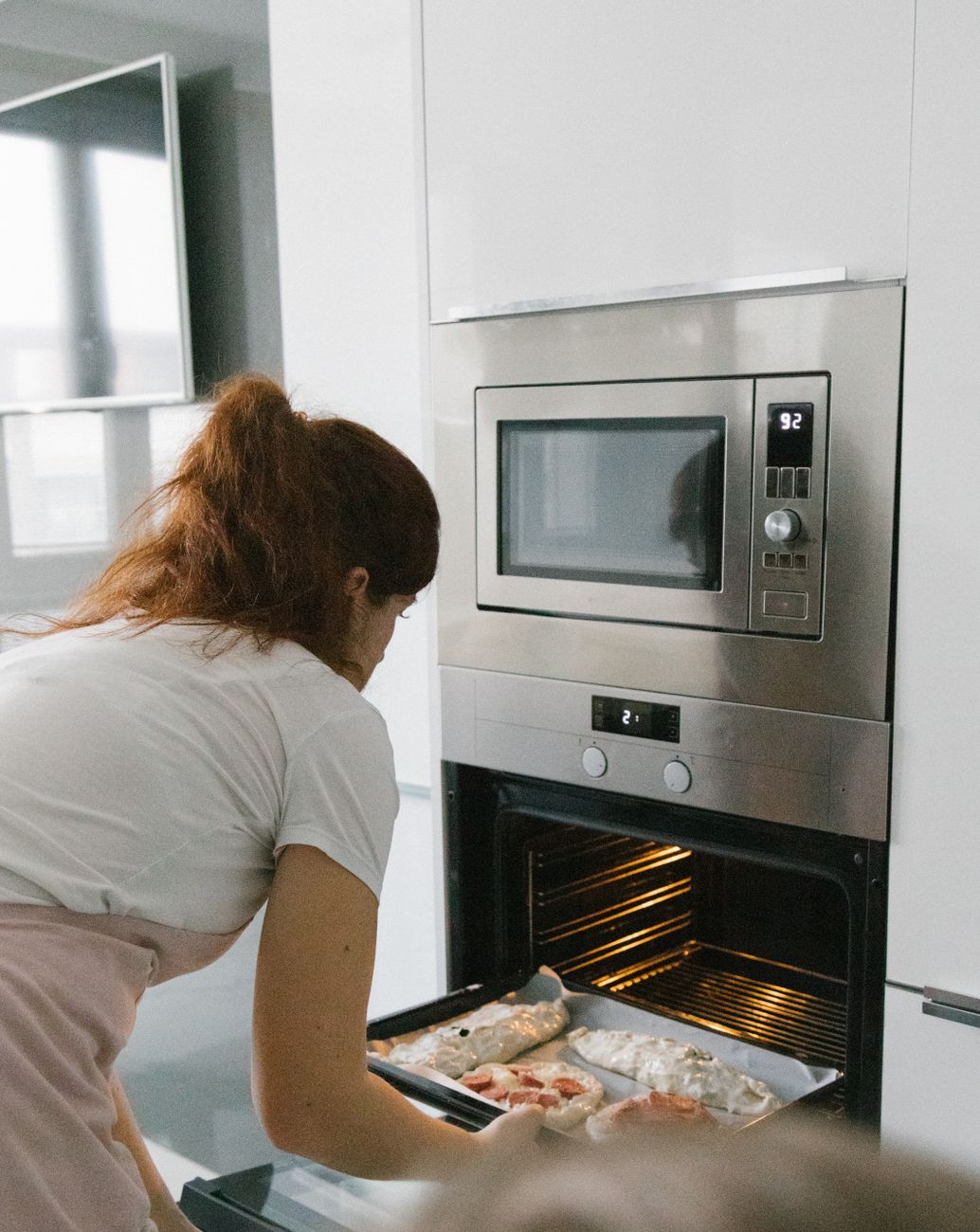
The Electrolux 60cm Oven with Full Steam and Food Probe, 24 Function, Black is pitched as a do-everything compromise breaker, the sort of machine meant to collapse several anxieties at once. Fine. But even the best oven cannot rescue a home cook who believes steam exists only to produce pallid vegetables and worthy dinners. Retail language around steam often confuses access with understanding. Better equipment can make tenderness easier to repeat. Taste, restraint and timing — those are not things a machine can teach, and they are what Stone is actually talking about.
The analyst’s perspective matters here because it explains why steam is reappearing in aspirational kitchens at all. Reliability sells. So does the fantasy of restaurant-level control on a Wednesday night. Yet Stone’s intervention is cultural rather than consumerist. Australian home cooking still reveres visible force: the hiss in the pan, the bark on the chop, the tray of potatoes shoved high and hard until the kitchen smells faintly feral. Steam is quieter. Trusting what you cannot yet see — that is what it asks. No wonder it gets mistaken for compromise.
What chefs hear in the word steam
Stone has the biography to make that case without sounding dreamy. Everyday Gourmet’s profile of him traces a career that began in Margaret River in 2002, moved through an apprenticeship at Leeuwin Estate in 2003, and accelerated indecently fast: sous chef at 20, approached to run Greenhouse Perth at 22, later a four-time Australian Young Chef of the Year. Those details matter less as trophies than as evidence of a cook formed in serious kitchens, the kind where sentiment gets burned off quickly and technique has to survive contact with service.

That background also helps explain why steam suits Stone’s larger reputation as a sustainable-cooking advocate. There is a respectfulness to the method. It wastes less drama on the plate and asks more from the cook’s judgement. You do not bully an ingredient into submission; you pay attention to how much water, time and finishing heat it can carry before it tips from supple to sad. Not a fashionable way of speaking about dinner, perhaps, because fashion prefers extremes. But chefs tend to understand that control is often quieter than theatre.
When Homes To Love reported his view, Stone put the bias plainly:
People hear the word steam and immediately picture bland vegetables or soft food, but that really couldn’t be further from the truth.
— Matt Stone, Homes To Love
What I like about that line is its impatience. He is not trying to flatter the home cook. He is saying, politely, that we have let a cartoon stand in for technique. The insider’s vantage here is practical rather than mystical: steam is a precision tool. Moisture, yes, it protects. But it also buys time, steadiness and a different sort of attentiveness. In a good kitchen, that matters as much as spectacle.
Dinner after the performance
Once you strip away the health halo and the showroom copy, the appeal of steam at home is almost embarrassingly ordinary. It lets dinner be gentler without being dull. Fish, grains, custards, dumplings, certain vegetables — all of them get a margin of tenderness that dry heat can bully out. More to the point, it can calm the cook down. The best part of steam is not virtue. It is composure, the sense that dinner does not need to roar to prove it was properly cooked.

To the analyst and the sceptic both, that is probably the clearest answer. Yes, the machines are getting smarter. Yes, steam asks you to accept a different finish on the plate. But combine wet heat with the right follow-up — a hot finish here, a dressing there, a grill at the end — and you stop measuring success by whether everything came out bronzed. You start measuring it by whether the food tastes more like itself. A chef’s instinct, sure. But also a home cook’s relief.
I suspect Stone’s myth-busting feels larger than a single appliance trend for exactly that reason. Not defending steam, really. Defending a less performative idea of competence in the kitchen. Some nights the lid lifts, the room fogs for a second, and what lands on the table is still juicy, properly seasoned and oddly elegant. Every dinner does not need to swagger. Enough. More than enough.

The Lifestyle Desires brief
Style, food, travel and wellbeing — weekly in your inbox.
Subscribe