Why Kylie is finally letting the family in
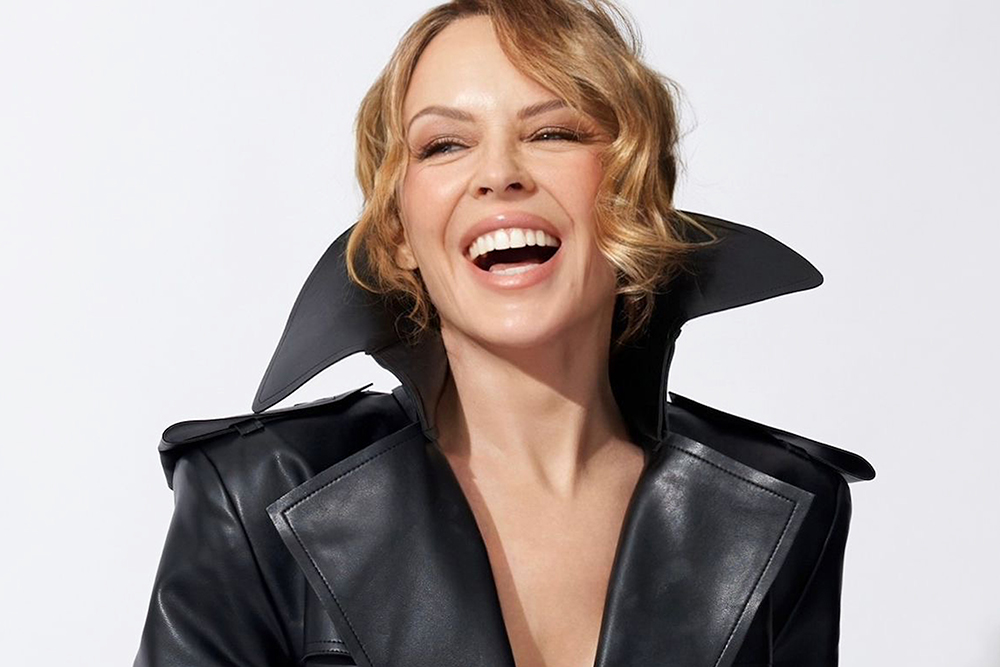
Kylie Minogue documentary KYLIE turns family, archive and old hurt into public record at last, softening an icon who has always stayed just out of reach.
For most of my life, Kylie Minogue has been one of those Australian presences so permanent she can feel like weather. She is there in the national background hum, in gay clubs, in supermarket weeklies, in the tidy shorthand of calling a global star by her first name and trusting everyone to know who you mean. Even so, she has remained oddly withheld. Not aloof. Controlled. You could watch the costumes change, the eras turn over, the public heartbreaks harden into lore, and still come away feeling that the inner rooms stayed closed.
That is why the Netflix docuseries KYLIE lands with more force than the usual celebrity archive project. Talking in public has never been Minogue’s problem — she has always known how to do that. What’s new is family, backstage life and the mechanics of old hurt being invited into the frame as part of the official record. For Australian viewers, especially the ones who have grown up with her career humming in the periphery, that shift feels personal. A national icon is relaxing the perimeter.
The sceptical reading arrives quickly, and honestly, it should. Streaming documentaries are now part confession, part brand architecture. They soften a legacy, reorganise the narrative and, if the timing is right, create a fresh corridor into the next tour, anniversary or chart moment. Minogue’s series comes as her career edges towards its 40th year in 2027, a fact The Music treated as live context rather than distant trivia. So the question is not whether KYLIE is managed. Of course it is managed. The sharper question is what sort of truth can still surface inside that management.
My read is that this is where the series gets its charge. Minogue is not breaking character so much as widening it. Watching the doc, you get the sense the person who built one of pop’s most durable careers can also stand inside her own archive without treating it like a museum. Different from tabloid disclosure. Closer to authorship.
The temperature changes
Speaking to ABC News, Minogue described the process in language that sounded plainer than celebrity promo usually does. She did not over-intellectualise it. She made it sound exposed. That matters, because stars with her level of polish do not tend to reach for plain words unless they mean them.

“It involved a little bit of bravery. I’m not going to lie.”
— Kylie Minogue, ABC News
I keep coming back to that line. She did not dress it up. The fan in me hears bravery and understands that the draw is not gossip. It is access to proportion. We know the sequins, the hits, the perfect camera angles. What we do not often get is the artist deciding which softer materials belong beside them.
Through an industry lens the series looks different. In that frame, the documentary is smart legacy management, the sort streaming does especially well now. Netflix Tudum presents KYLIE as a three-part event arriving on 20 May, after more than 80 million records sold worldwide. Variety Australia cast the series as Minogue finally telling the story on her own terms. That phrasing is doing double duty. “On her own terms” is emotional language. It is also industrial language. Control over the edit, the archive, the meaning of a back catalogue that could easily be frozen into nostalgia — all of that lives inside those four words.
I do not think that makes the intimacy false. It makes the intimacy contemporary. How public selfhood works now, especially for women who have survived several versions of fame. You reveal selectively. You choose the camera. You give the audience feeling, but you keep authorship too.
The family enters the frame
The family angle is where the temperature really changes. Archives are expected now. Every long career accumulates tapes, photographs, costumes, backstage fragments and the pleasant shock of seeing younger faces look almost fictional. Family is harder. Family changes the register. Family means the story is no longer only about fame but about who had to live beside it.

Minogue told The West Australian that viewers would see “some of our real family moments”, which is a small sentence carrying a fair bit of weight for someone whose private life has so often been discussed from the outside in.
“But in this documentary, you do see some of our real family moments.”
— Kylie Minogue, The West Australian
The insider view is less sentimental about this. How much family and archive can you admit without flattening the hyper-managed pop image that made the career possible in the first place? You can see that tension in the best kind of star documentary. Show too little and you look sealed shut. Show too much and the mystique turns into content. The art is in the calibration.
What seems newly Australian about this particular rollout is that the family material does not read as a stunt. It reads as context. Kylie and Dannii Minogue have always occupied a strange place in the local imagination, famous enough to feel mythic, familiar enough to feel suburban. Letting that familial texture appear on screen nudges Kylie out of the pure icon lane and back towards something more textured: a working life, a set of loyalties, a history that was not lived alone.
The danger of a neat story
The harder material is the older material, the parts of a life that tabloids once consumed as plot. KYLIE touches Michael Hutchence, and that choice could have gone badly. There is always a risk, with documentaries about women who became famous young, that pain gets reintroduced as atmosphere. The dead man, the illness, the breakup, the survival — you can feel the packaging before you even press play.
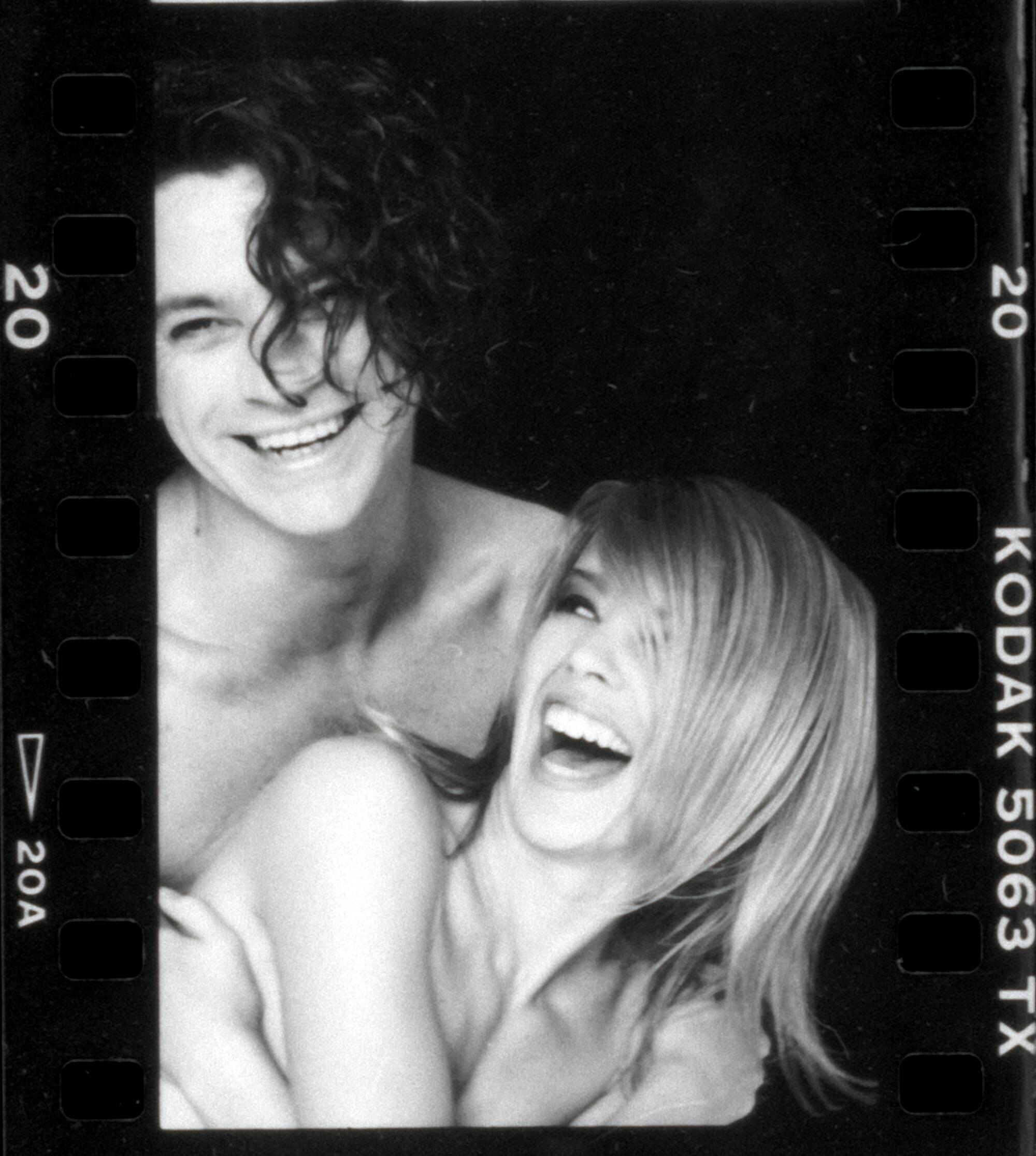
The sceptic has a point here. Dragging old trauma back into the frame deserves more than soft lighting and a trailer beat. It needs adulthood. It needs the subject to sound like she owns the memory rather than being made to serve it.
The West Australian quoted Minogue on the Hutchence years in a way that cut through the mythologising because the line is so unadorned.
“I was 21 when we met — and I was really impressionable.”
— Kylie Minogue, The West Australian
At 21, of course you are. That sentence refuses glamour. It also answers part of the insider question about how much to show. The documentary does not need to solve the past. It only needs to let Minogue describe it in a vocabulary that belongs to the older woman rather than the tabloids that once circled her. If the series works, that will be why.
Broader still, there is a cultural shift happening. The pop women who lasted are now old enough to re-narrate the decades that once narrated them. They do not have to present themselves as victims to do it. They can present themselves as editors. That is a subtler power, and for viewers it is usually more moving.
The door ajar
The industrial timing is not hard to see. A Music Network feature frames Minogue as an artist who has adapted across decades of industry change, and The Music points towards 2027 as her 40th year in music, with tour speculation already in the air. Read that alongside the Netflix Tudum rollout and the industry case becomes straightforward: this documentary is not an epilogue. It is bridge-building.
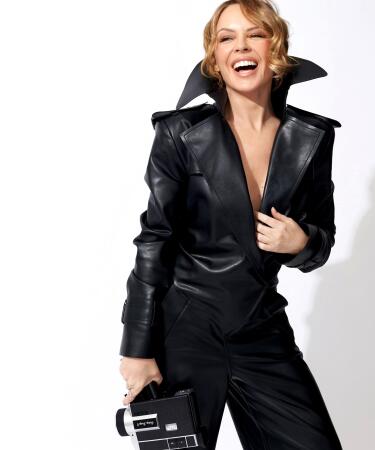
That does not cheapen it. If anything, it clarifies what Minogue has decided to do. She is not pretending that legacy arrives after the career is over. She is making the case, in public, that legacy can be actively shaped while the career is still alive, still singing, still capable of surprising people who think they already know the silhouette.
And perhaps that is the part I keep circling back to. Kylie Minogue has been famous for so long that familiarity can masquerade as knowledge. We think we know her because we know the songs, the tabs, the iconography, the shorthand. KYLIE appears to argue something more modest and more compelling. You can be widely seen and still not yet fully read.
For Australian audiences, that lands with a particular charge. We do not get many stars who move through the world at this scale and remain culturally ours in any usable sense. When one of them decides to let family history, vulnerability and older pain into the official frame, it is not merely a content beat. It is a recalibration of distance.
Maybe that is why the series feels timely even before anyone has watched all three parts. It is arriving at the point where Minogue no longer needs to prove durability. She has that already. What she can offer now is shape, context, the private edges around the public shine. The door is not flung open. That would be un-Kylie. It is left ajar. For her, that may be the more revealing gesture.

The Lifestyle Desires brief
Style, food, travel and wellbeing — weekly in your inbox.
Subscribe