Twelve million Australians are streaming music. The old monoculture is gone
A Roy Morgan-backed report says 12.7 million Australians now stream music. The bigger story is cultural: our listening has become private, mood-led and less local, and the shared soundtrack feels thinner for it.
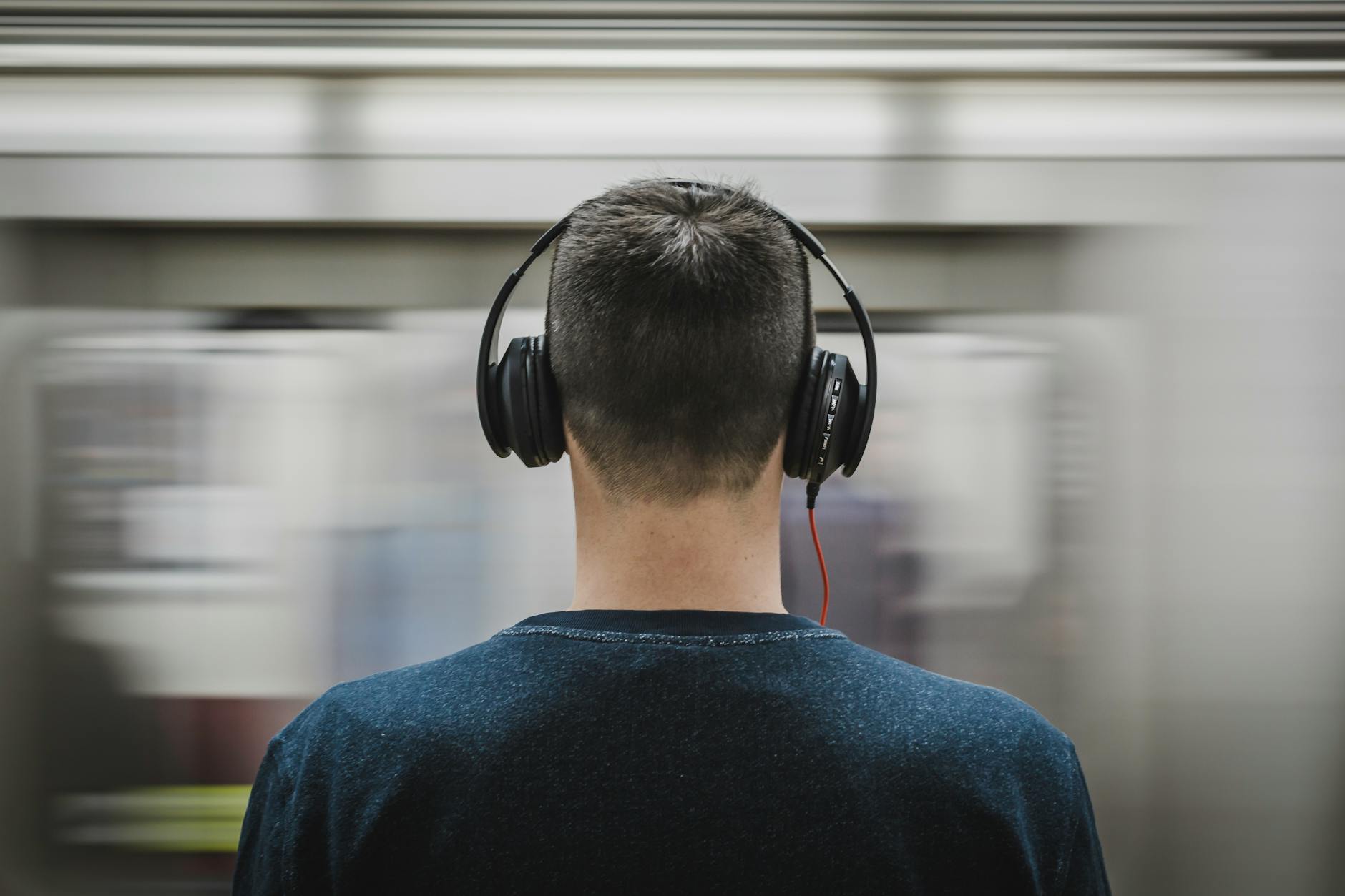
On a Sydney train this week I could hear five different songs escaping five different pairs of headphones. Not loudly. Just enough to register as separate little climates. A flash of bass near the doors, one sugary pop chorus from the seat behind me, something guitar-heavy and wounded from the carriage bend, then a muffled throb again as somebody adjusted an ear cup and looked back at their phone. Nobody was sharing. Nobody was even performing the old public ritual of pretending not to care what was on. Each person seemed sealed inside a very specific emotional room. It struck me that this is what listening looks like now. Not a room gathered around one song, not a countdown, not even the loose civic agreement of everybody knowing the same hook at the same time. Just a carriage full of private weather.
That felt like the whole argument in miniature, before I had even read the numbers.
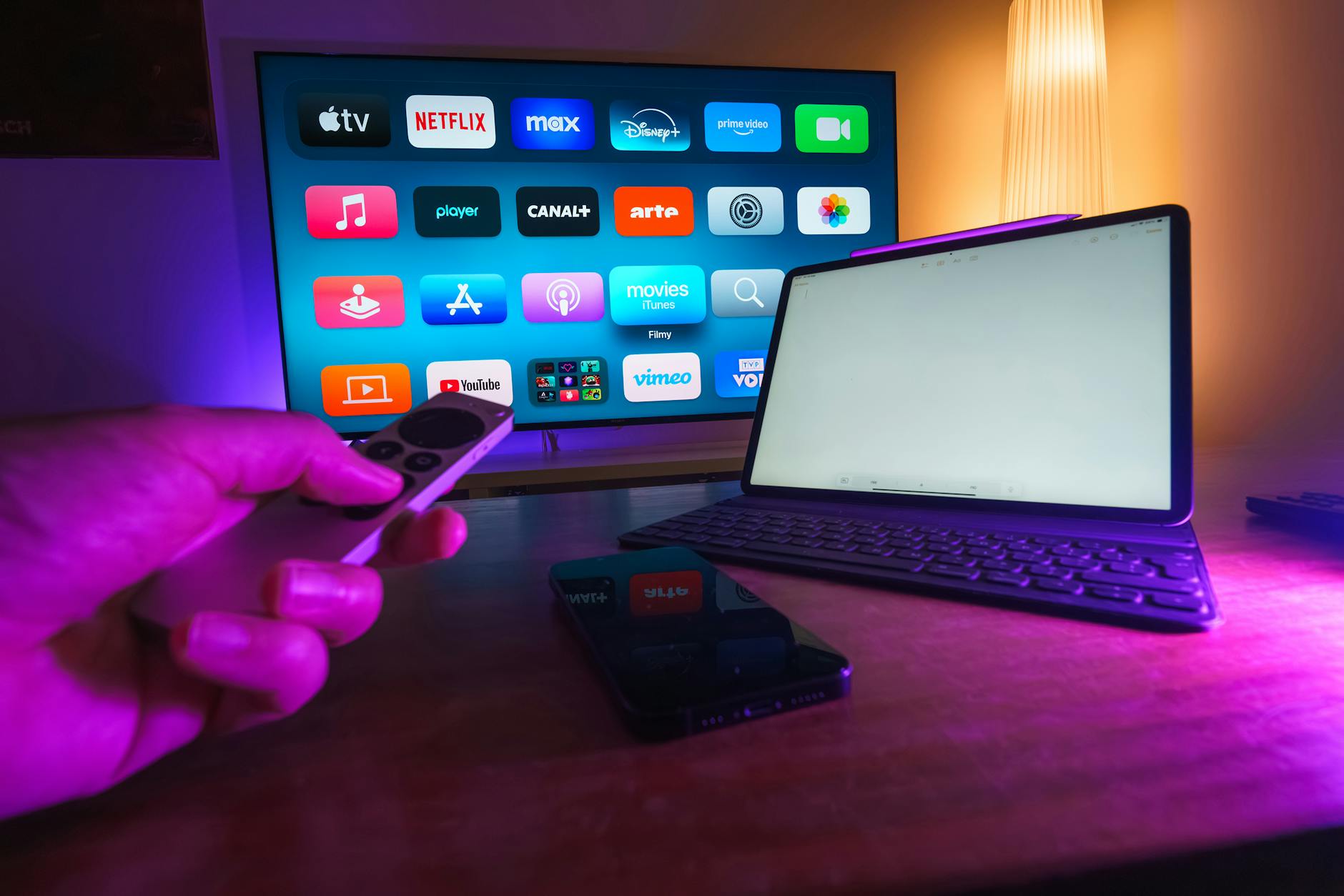
The new Roy Morgan-backed report carried by The Music Network says 12.7 million Australians, or 61 per cent of us, now use music streaming services. You could read that as a simple market milestone and move on. Plenty will. But the figure lands harder than that because it confirms how completely music has shifted from something broadly broadcast to something individually furnished. Streaming now behaves less like radio and more like lighting. It is ambient, customisable, always available, adjusted to mood. You can find the exact song for washing up at 10pm, for walking home after a mediocre date, for making an ordinary Wednesday feel more cinematic than it is. I am not especially nostalgic for the old monoculture, which could be narrow, blokey and dull in its own ways. Still, when listening becomes this personalised, the shared mainstream does not disappear with a bang. It thins out quietly until you notice how rarely a song seems to pass through everybody’s day at once.
The other problem is that the system is not just private. It is also less local than many Australians probably realise. The Australia Institute’s summary of the issue, drawing on work by Will Page, argues that streaming platforms are built to recognise language more readily than geography. His formulation is blunt and sticky: the algorithms might recognise language, but they ignore geography. In practice, that means Australian listeners are ushered into the enormous English-language catalogue, where local artists compete with every imported hit on terms that have nothing to do with place, scene or public value.
The numbers around that are grim enough to sit with. In the ABC’s reporting on APRA AMCOS concerns, local content consumption on streaming services is said to have fallen 31 per cent over five years. Australian music now accounts for just 9.5 per cent of all streams here. Dean Ormston’s point in that same piece is painfully clear: local acts are not merely competing with one another, but with every other English-speaking territory inside recommendation systems that sort by scale and engagement rather than obligation or proximity. Convenience for the listener. A squeeze for the scene.
I keep thinking about how neatly this logic matches the rest of modern life. Streaming is not merely a delivery technology. It is a worldview. It assumes we want culture to arrive without friction, already sorted, lightly predictive, forever ready to soothe or sharpen whatever feeling we carried into the app. That can feel intimate. Sometimes it is intimate. But it can also flatten surprise, especially when surprise is local and therefore smaller, less globally legible, a little less efficient. A recent Conversation analysis of more than 2 million tracks on Spotify argued that recommendation systems and playlist logic can work against Australian music’s visibility. Once listening becomes mood-based first and place-based never, the local song is always being asked to justify itself.
And that has a lifestyle consequence, not only an industry one.
It means the public soundtrack gets thinner. I do not mean every Australian must know the same chorus before summer ends, or that radio’s old gatekeepers were somehow noble. I mean something smaller and stranger than that. The feeling of a song moving through a city at roughly the same time. Hearing it at the servo, then again in a bottle shop, then later through the open window of a passing car. Streaming has not killed that sensation, but it has made it rarer. We live with our own soundtracks now, and because they fit so snugly, it can take a while to notice the common one has faded. Abundance gives us company. It does not always give us overlap.
Policy is circling the problem, if not solving it. The Parliamentary Library’s update on local content quotas for streaming services makes clear that Australia has been wrestling with whether the local rules long applied to radio and television should follow audiences into digital platforms. Tony Burke has talked about getting inside the algorithms at Spotify and Apple Music to better support Australian artists, which sounds both necessary and faintly surreal, like asking to inspect the plumbing of a mood machine. Maybe that is where we are now. Culture policy used to be about airtime. Now it is also about architecture: who gets surfaced, who gets buried, which songs slide naturally into passive playlists and which ones ask a listener to stop, search and choose. I might be wrong, but that last verb matters. Search and choose. The platforms are brilliant at removing effort. They are less brilliant at preserving a sense that music comes from somewhere, belongs to someone, and might be worth meeting on its own terms rather than as background for folding laundry.
None of this means Australians are listening badly. If anything, many of us are listening constantly while running, commuting, cooking, cleaning, working, spiralling, recovering. Music has become less ceremonial and more woven into the day, and there is tenderness in that. But ubiquity is not the same thing as discovery, and market growth is not the same thing as local connection. A market can rise 25 per cent, as the Australia Institute noted when recorded music revenue grew even as local share shrank, and still leave you with a weaker sense of who you live among. So yes, 12.7 million Australians are streaming music. The bigger story is that we are hearing more songs in more places and somehow sharing fewer of them. Back on that train, each leaking chorus felt close enough to touch and impossible to name. Nobody looked up. Maybe privacy is the point. Still, I stepped off thinking the old monoculture did not collapse all at once. It dissolved into convenience, one pair of headphones at a time.

Melbourne film and television critic. Streams the lot so you don't have to. Writes about the Australian screen industry and what's worth a night in.
The Lifestyle Desires brief
Style, food, travel and wellbeing — weekly in your inbox.
Subscribe