Mindfulness isn't magic, but it can change the shape of a day
Mindfulness lasts because it asks so little of us: a breath, a pause, a smaller relationship to stress. The evidence is real, modest and more useful for that.
By about 8.14 on any Sydney weekday, the nervous system has usually had enough. The train is late by four minutes, somebody is playing a video without headphones, your phone lights up with three unrelated demands, and the day has not even properly begun. I understand why mindfulness keeps slipping back into the conversation at that hour. It does not promise enlightenment. It offers something smaller and far more plausible: one clean moment of attention before the whole machine starts rattling again.
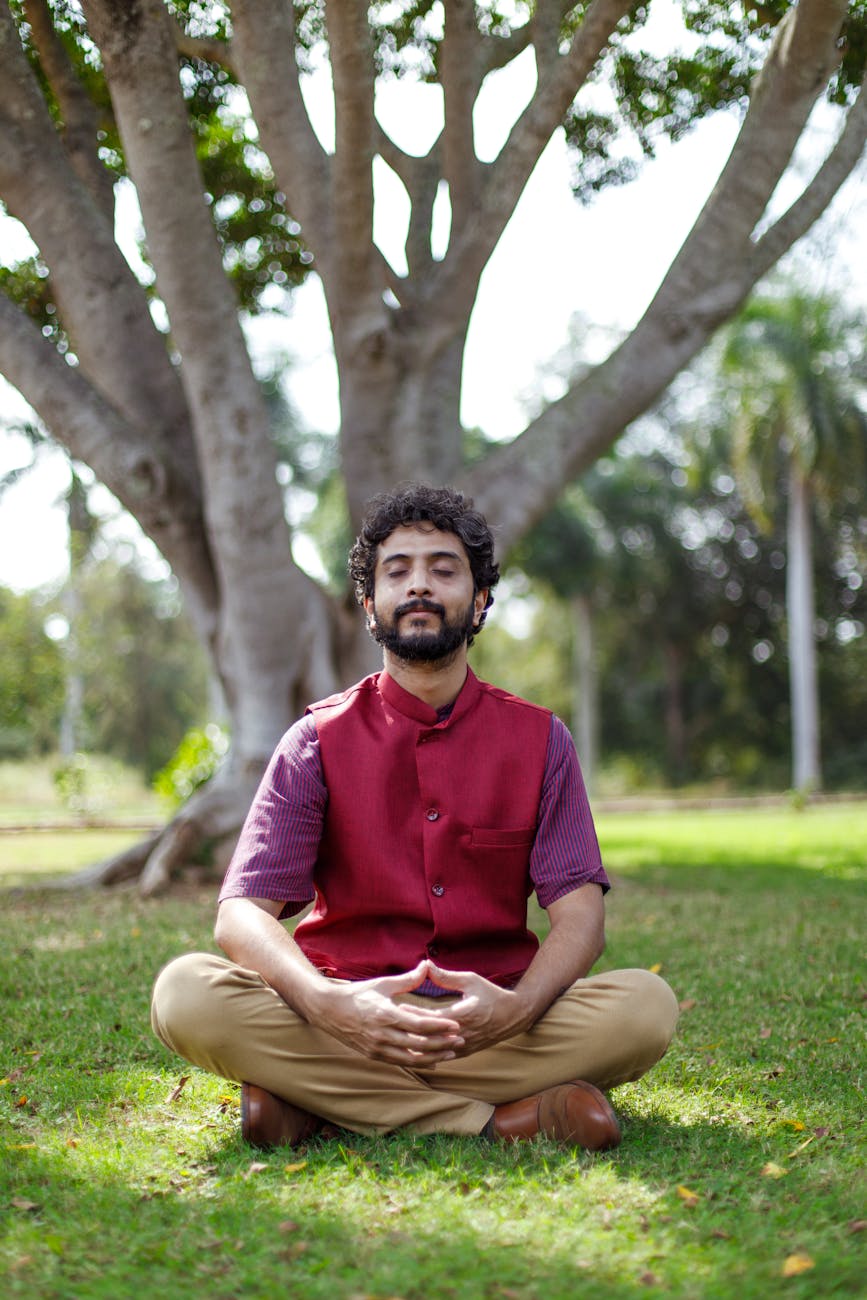
That modesty is part of its appeal. The portability too. You do not need linen, a retreat, a shelf of supplements or the sort of life that leaves an empty hour after lunch. Healthdirect describes mindfulness in plain terms, as paying attention to the present moment and noticing thoughts and feelings without judging them too harshly. In a wellness market that loves reinvention, this is almost unfashionably restrained. Mindfulness has survived precisely because it can slip into a bus queue, a hospital corridor, a desk at 3.37pm, the few breaths you take before opening an email you already resent.
I am drawn to it for another reason. It does not ask us to become new people. A lot of modern wellbeing culture is really identity management with better lighting — buy the mat, download the app, announce the protocol, build the morning routine sturdy enough to display online. Mindfulness, at its most useful, resists that performance. It is closer to a skill than a lifestyle. You practise returning. You notice when attention has wandered off. Then you begin again. Less glamorous than a reset. Also more compatible with ordinary Australian life, which is crowded, expensive and rarely arranged around anyone’s inner peace.
The evidence is decent without being miraculous. According to the NCCIH overview of mindfulness and meditation, research suggests mindfulness-based approaches can help with stress, anxiety and low mood for some people. A 2018 analysis involving more than 12,000 participants found benefits for anxiety, depression and pain. The PMC review on how mindfulness-based training improves stress-related health makes a similar case, arguing that these practices seem to strengthen attention regulation, emotional control and the ability to notice a stress response before it takes over the room.
Useful gains. Real gains.
Still, they are not the same thing as a cure. That distinction matters because the Australian workday is very good at turning a sensible practice into another performance target. I have watched it happen, and I have done it myself. The five-minute breathing exercise becomes one more item on the self-improvement ledger, filed somewhere between inbox zero and protein goals. Then the guilt arrives. You did not meditate correctly. You missed two days. Your mind wandered. There goes wellness as well. Alice Shires, director of the UTS Psychology Clinic, puts it plainly: “It’s hard to be mindful as the mind takes us off course over and over.” I like the honesty of that. Attention drifts. The practice is the return, not the fantasy of perfect calm.
This is why mindfulness tends to work best in embarrassingly small doses. A slower breath at a red light. Feeling both feet on the office carpet before you answer a tense question. Noticing that your shoulders have climbed halfway to your ears while the kettle boils. Psychology Today recently wrote about bringing mindfulness into the workday, and what lands in those pieces is usually the least cinematic advice. Short pauses. Attention to the body. A single-task moment in the middle of digital static. None of that is sexy. Most of it is repeatable. That difference is where many wellbeing ideas live or die.
There is a serious critique underneath the mainstream enthusiasm, though, and it should stay in view. Ronald Purser’s essay in Aeon argues that mindfulness can be turned into a private solution for public strain. He is right to be wary. A breathing exercise will not fix casualised work, a punishing rental market, family violence, racism in a clinic, or the deadening exhaustion of being permanently contactable.
If a boss hands out meditation tips while leaving impossible workloads untouched, people are allowed to feel insulted. Sometimes stress is a signal, not a mindset problem. Sometimes the correct response is a boundary, a pay rise, medication, therapy, childcare, a union, rest.
Even on its own terms, mindfulness is not risk free or universally soothing. The same NCCIH review notes that few studies have closely examined harms, which is a more important caveat than the wellness industry likes to admit. A 2020 review covering 83 studies and 6,703 participants found that 8% reported a negative effect from meditation. That does not make the practice dangerous in some cartoonish way. It does mean we should stop speaking about it as though a few minutes of silence are automatically benign for every nervous system. People with trauma histories, severe anxiety or depression may need support, structure or a different approach altogether.
I prefer the least mystical version of mindfulness. The public health version. The clinic version. The version that says: here is one way to notice your thoughts before they start driving. Here is one way to lower the temperature of a hard afternoon. Here is one way to interrupt the ugly little sprint from stimulation to reaction. Healthdirect says mindfulness can help people accept and manage feelings, which sounds almost underwritten beside the bolder claims made elsewhere. Good. Understatement is useful in health writing. It leaves room for variation, for ambivalence, for the fact that bodies and minds do not all respond on cue.
I keep coming back to the portability. Mindfulness asks so little at the start that many people will try it once, then again, and then perhaps notice that the day feels a fraction less jagged.
That is enough.
The Australian weekday has a way of shaving the romance off every wellbeing trend. What remains after that abrasion is often the truth of it. Mindfulness remains because it fits inside the train ride, the kettle, the pause before a hard call. It does not need a reinvention. It only needs a moment, and sometimes a moment is the only thing the day can spare.

Brisbane-based GP turned health writer. Covers women's health, fertility and the gap between clinic and culture.
The Lifestyle Desires brief
Style, food, travel and wellbeing — weekly in your inbox.
Subscribe