Why Puglia keeps seducing travellers chasing a slower summer
Puglia's chicest stays are selling more than stone walls and pools. The real allure is a holiday built around time, stillness and not quite doing enough.
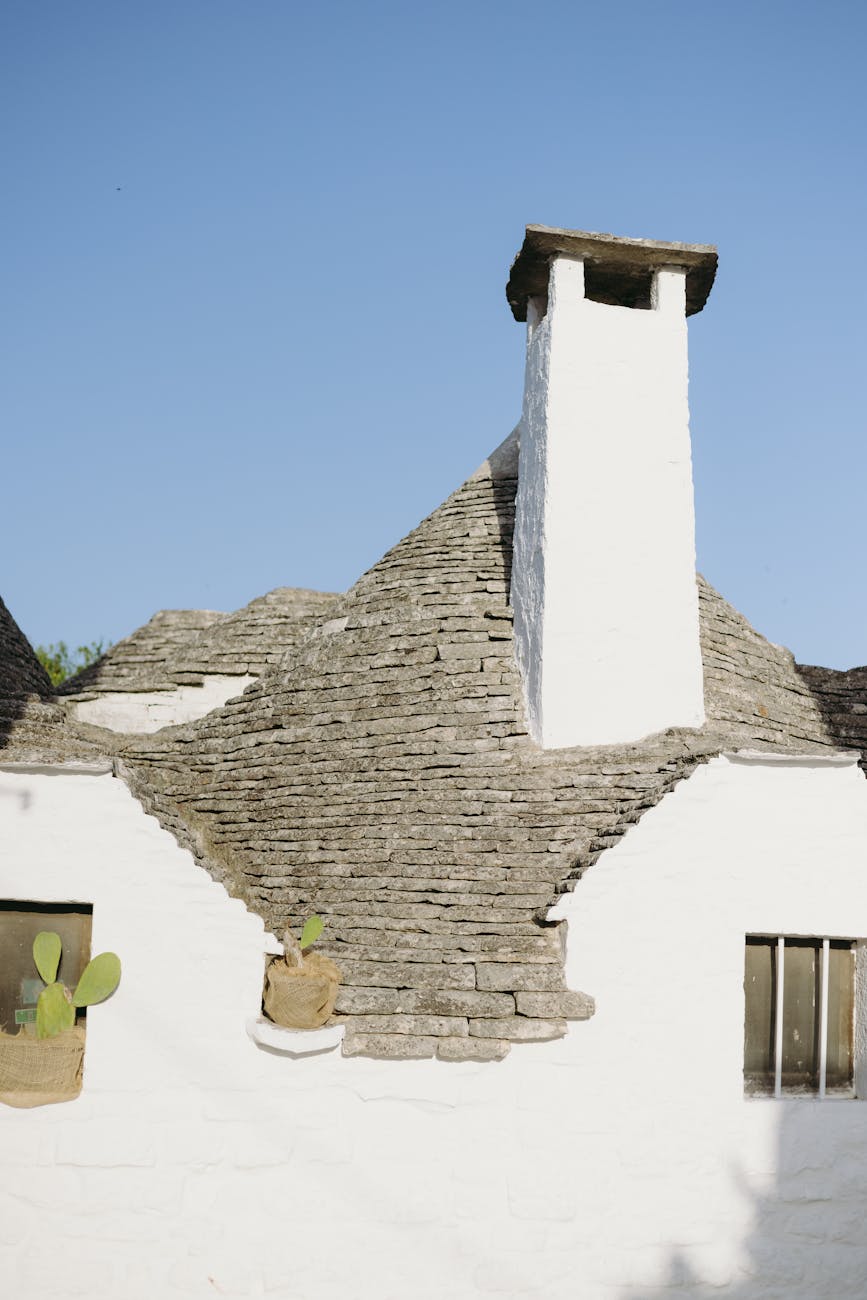
White stone, dry heat, a table still cluttered with lunch plates: Puglia’s current fantasy starts there. Vogue’s recent edit of the region’s most covetable Airbnbs is nominally about accommodation — a “Luxury Trullo” at about $324 a night, Masseria Villa Gioia at roughly $2,700. What hooks you is harder to pin down. Vogue’s own line tells travellers to “put Puglia on your route and indulge in a slower pace of life”, and that is the real thing being sold. The stays are important, but mostly as containers for a mood. This isn’t property lust in its purest form. It’s the hope that a holiday might stop feeling like a competitive sport.
Luxury as tempo, not spectacle. That’s the pivot.
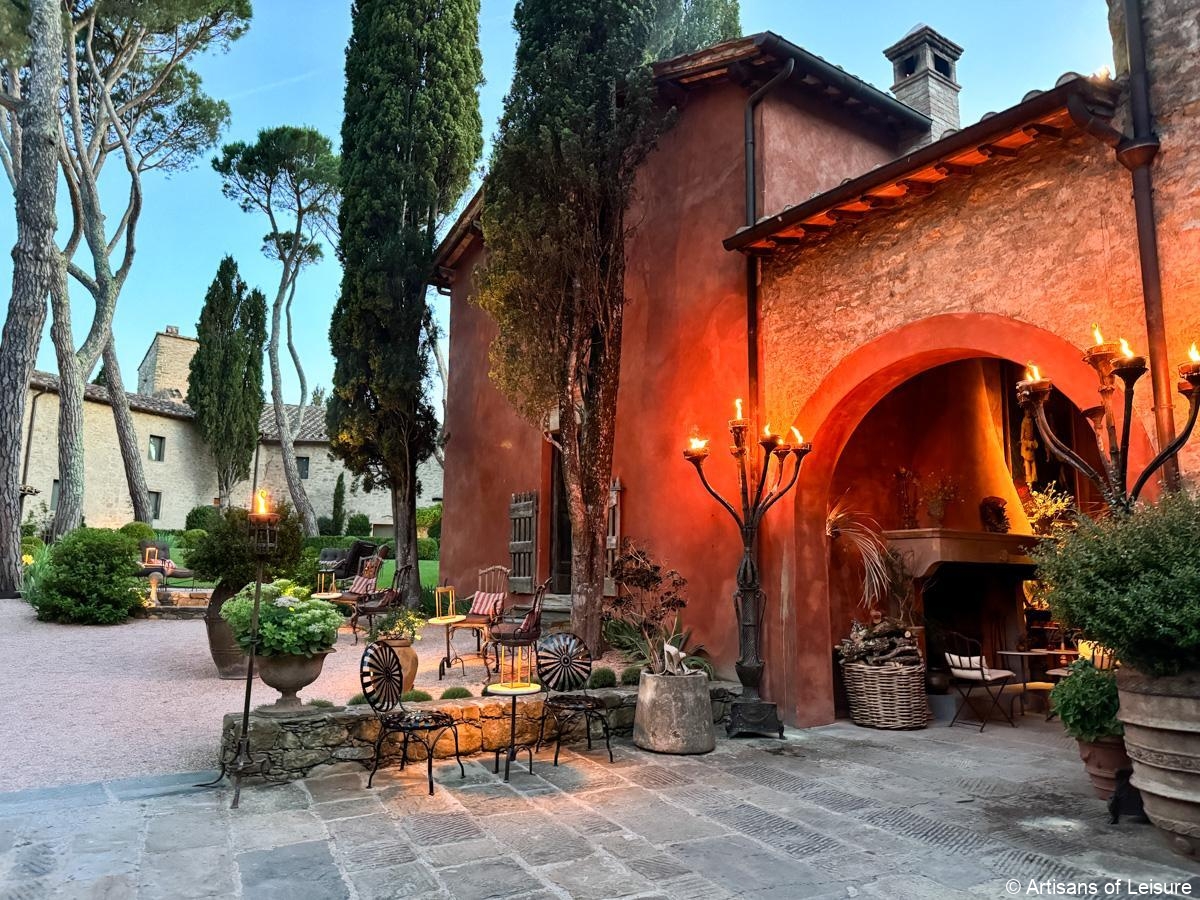
“Luxury” became an embarrassed word somewhere along the line. People still reach for it, though now they use it to mean privacy and room to exhale, a place that doesn’t demand to be documented every five minutes. Amy Cochran of We Travel Luxe puts it bluntly: “luxury is not about being seen; rather, it is about slowing down, connecting, and experiencing Italy in a more authentic, layered way”. Reads like polished travel copy, sure. But it catches a real shift. After a decade of trips designed for public consumption, here is a region being sold as a place where the performance can drop away. The architecture helps. Trulli with cone roofs and thick stone walls don’t look like slick anonymous villas. Masserie, even lovingly restored ones, still carry the memory of work and weather and distance. Linen sheets and a shaded courtyard sit inside a landscape of olive groves, dust, heat. You’re not just checking into a room. You’re borrowing a rhythm.
Untold Italy’s guide to Puglia notes the region runs about 400 kilometres north to south — one reason it resists the quick-hit fantasy so many travellers try to bring to Europe. We Travel Luxe recommends eight to 10 nights, not a long weekend with excellent intentions. That struck me as the quiet truth inside all the dreamy imagery. Puglia asks for duration before it offers much back. Rush through Bari, Lecce and Alberobello and you might come home with proof that you went. Stay put in one pocket of the region, and the trip starts to change character. The map stops being a challenge. The day loosens.
And the car. Lonely Planet’s guide circles the same fact as everyone else: beyond the larger centres, a car is less indulgence than basic equipment. Oddly, that makes the place more attractive. Nobody is pitching Puglia as an urban sprint or a museum marathon. What makes it work is the drive itself becoming part of the holiday’s syntax. An inland lunch runs late. A swim detour takes the afternoon with it. A village stop, chosen for no good reason, turns out to be the thing you remember. For independent travellers, that slackness isn’t dead time. It’s the trip. Having enough room for plans to fray at the edges — that is the actual appeal, because frayed edges are where a place starts to feel lived in rather than merely visited. Read Puglia as the anti-itinerary European holiday. It doesn’t flatter the traveller who wants to dominate the map. It flatters the one willing to be absorbed by it.
National Geographic’s Salento piece lands its best note this way. A local guide, Gianluca, says, “Life’s slow in Salento… it’s still a slice of paradise.” Plain language. More convincing than any sales patter.
And yes, money is in the frame. Vogue’s list ranges from relatively attainable to frankly aspirational — a restored trullo at $324 a night is one kind of promise; a masseria at $2,700 is another. But the rhetoric around these stays keeps edging away from spectacle and back towards intimacy. Nobody pretends they’re cheap. The smarter pitch: they might feel worth it because they create fewer instructions. What matters is the afternoon around the pool, not the pool itself. The way stone walls cool the day, not the walls. Even the prettiest rentals are being framed less as trophies than as permission slips.
This lands hard in 2026. When travellers say they want luxury now, a lot of them don’t mean chandeliers or white-glove service or a lobby built to impress strangers. They mean they’re exhausted by trips that feel overbooked before they begin. From Australia in particular, the big European holiday has become its own stress position: punishing flights, expensive rooms, crowded famous places, restaurant reservations locked in weeks ahead, then the weary obligation to enjoy every minute because so much money has been spent. Puglia offers a counter-fantasy. Less performing, more inhabiting. Less “how much can we fit in”, more “what if we stayed for lunch and then stayed a bit longer”. Its visual language reinforces the point. White limewash, scrubby gardens, pale stone, deep shade, a bowl of fruit that looks almost too perfect to be accidental — these aren’t just design cues. They imply a way of moving through the day. Open the shutters. Make coffee slowly. Read for an hour. Cancel one plan. Vogue’s list travels so well online because it isn’t just surfacing beautiful rentals. It’s giving shape to a broader appetite for holidays where taste and stillness appear to be the same thing.
Budget Slow Travel’s notes on Puglia get at something the glossier sources dance around: slowness isn’t passivity. The pleasure, as their framing has it, comes from village stops, wandering, staying put, letting local rhythm do some of the heavy lifting. Slow travel can easily become a glaze — all terracotta and no substance. In practice it’s closer to editing. You leave space so a bakery queue, a market, a swim, or the strange pleasure of doing nothing in the hottest hour can become the story you keep. Puglia suits that kind of holiday not because it’s secretly undiscovered, but because its best version asks the traveller to stop consuming every hour as proof of value.
The fantasy can crack, of course. Any destination marketed on slowness grows brittle when too many people arrive chasing the same revelation — especially in a European summer built on heat, scarcity and the illusion of spontaneity. A linen set and a mood board won’t make a place serene. A slower trip doesn’t mean a lazy one, either. You still need time, a loose enough plan, and some tolerance for regional logistics that don’t care about your self-concept. The appeal here is oddly disciplined. Only the traveller willing to do less is likely to get more from it, which is a harder bargain than travel marketing ever admits.
I kept returning, while working through the sources, to a question travel writing rarely asks: what is the holiday actually for? If the purpose is accumulation, Puglia is just another backdrop with better stone and better light. If the purpose is a shift in internal weather, the region’s pull becomes easier to understand. A place spread across 400 kilometres, best absorbed over eight to 10 nights, full of houses that feel half shelter and half stage set — it encourages you to treat tempo as a luxury good in its own right. That’s more interesting than a ranked rental roundup. Probably more honest, too. Puglia keeps seducing travellers because it promises a beautiful room, certainly, but also something rarer now: a trip that stops trying so hard to prove itself. For anyone worn out by the brisk, braggy version of Europe, that may be the most seductive luxury available. Not more access. Not more service. Just enough stillness for the trip to feel like a life for a week.

The Lifestyle Desires brief
Style, food, travel and wellbeing — weekly in your inbox.
Subscribe