Why the dream weekend now fits in a tiny cabin
Airbnb's tiny-home wish lists say less about property lust than a national craving for short, quiet, close-to-home escapes that feel possible again.
It begins, for me at least, with a rectangle of light in a dark paddock.
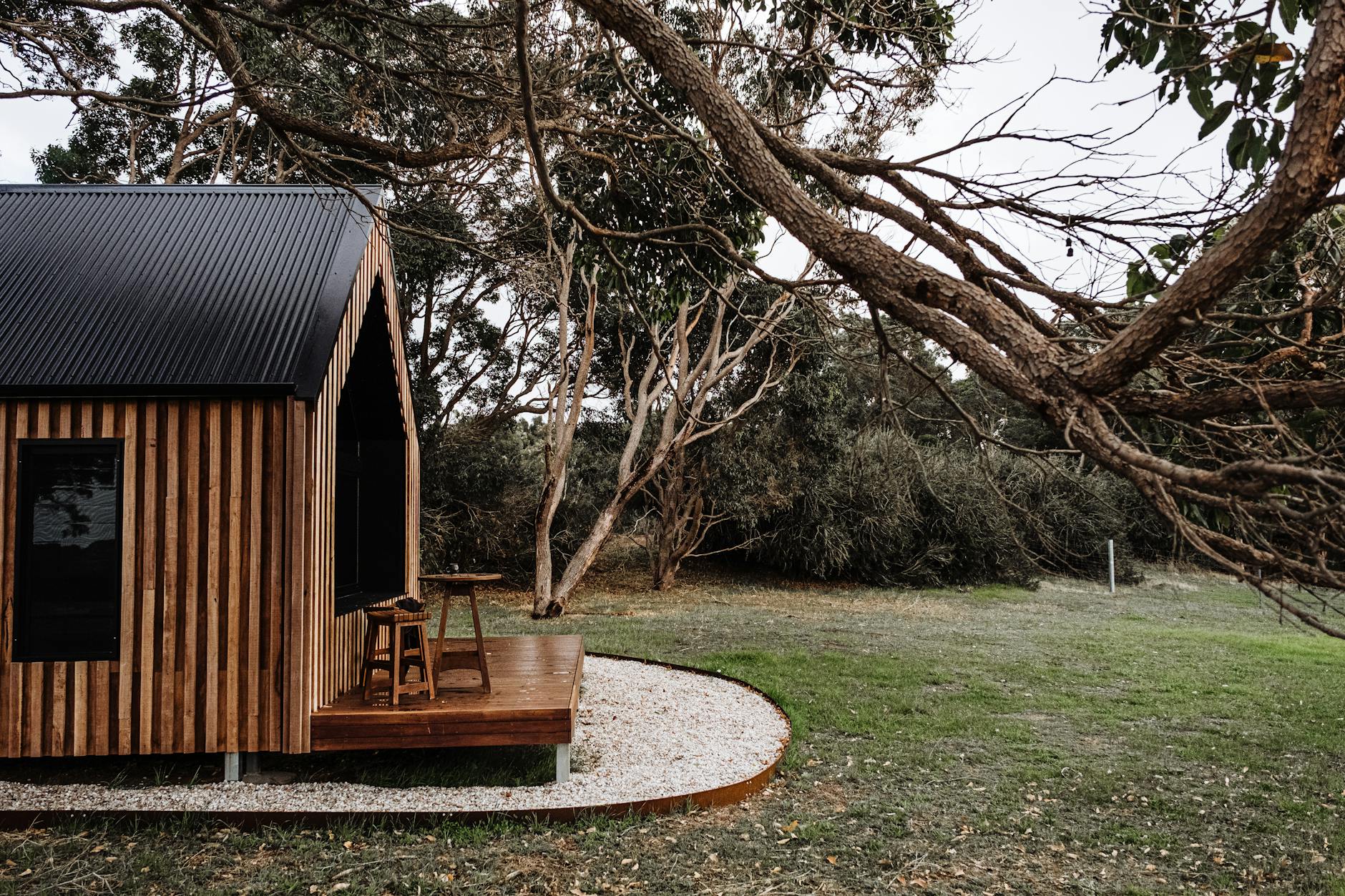
A timber cabin. A kettle on. A window big enough to make weather look cinematic. Your phone facedown, your inbox briefly demoted, the drive home still close enough that leaving on Friday doesn’t feel like a logistical feat. I live in Tasmania, where the road can turn from suburb to scrub faster than your nervous system can catch up, and I understand the pull of a stay that promises less. Less noise. Less spending. Less performance.
That feeling runs all through Airbnb’s 2026 wish-list data. The Australian snapshot says tiny homes and off-grid retreats aren’t just photogenic internet bait — they’re part of a fairly noticeable turn towards what the company is calling “weekending”: shorter, more frequent escapes that slot into ordinary life rather than requiring the military planning of a proper annual holiday. Nearly 80 per cent of travellers say short trips feel less stressful and more enjoyable than longer breaks, according to the same data, while almost half of working Australians say a two- to three-hour drive is enough to switch off and recharge.
“Weekending” sounds like something a brand workshop would invent on a Tuesday and put on a moodboard by Wednesday. Still, the instinct underneath it feels real enough. Anyone who has tried to line up leave balances, school calendars, airfare spikes and a body already running hot knows why the idea of a small escape lands. A full holiday starts to resemble another project. A weekend away, done right, barely announces itself.
Which is probably why the tiny-home fantasy has stayed so sticky. Australian Traveller’s look at Airbnb’s most wishlisted Australian stays rounded up six homes from the 2026 list, and the appeal wasn’t simply price or novelty. It was proportion. These places promise a form of travel scaled to the mood Australians seem to be in: private, regional, a little design-conscious, and contained enough that the whole experience can be held in your head at once.
Contained is doing a lot of work here.
Tiny homes ask very little of you as a traveller, and that’s precisely the seduction. Fewer rooms to inhabit, fewer decisions to make, fewer ways to waste the weekend indoors wondering whether you should have planned harder. You arrive with a bag, a bottle, maybe bread and eggs, and the holiday more or less announces its own terms. Read. Walk. Sit outside. Watch the light move across the wall. Go to bed earlier than you do at home. It’s not that the tiny home is anti-luxury. It’s that the luxury is legibility.
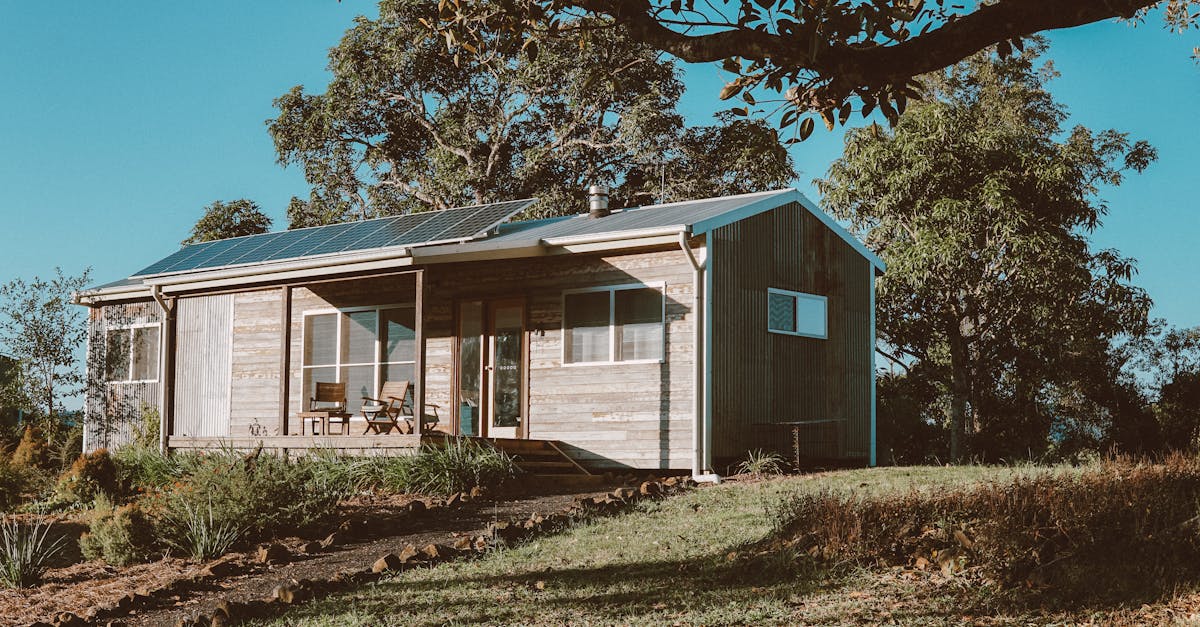
I’m less convinced this is only about aesthetics, though the aesthetics matter. The good tiny-home image has become its own kind of national shorthand: corrugated steel or blond timber, scrub at the edges, a bath if the budget stretches, and enough glass to reassure you that nature is happening just outside. But if the look were the whole story, the trend would have burned out as soon as the first thousand identical cabins hit Instagram. Instead it’s lingered, probably because it speaks to a deeper appetite for limits.
Travel used to sell expansiveness. More days. More countries. More “seeing it all”. What these wish lists point towards is something narrower and, to my mind, smarter. A stay you can reach without an airport. A landscape that doesn’t need an itinerary. A reset that doesn’t ask you to become a better, more organised version of yourself first.
That feels especially Australian. We’re a country that can turn a three-hour drive into mythology. Homes to Love’s reporting on the weekend-stay shift argues that travellers are increasingly choosing shorter breaks over grander trips, which sounds about right in a cost-of-living year when even leisure has to justify itself. Petrol, groceries, rent, the quiet administrative dread of opening another bill: all of that travels with you until the moment it doesn’t. If a weekend can interrupt the grind without blowing up the monthly budget, of course people will keep clicking save.
Then there’s the emotional maths. A long holiday carries expectations. It must restore you. It must be worth the money. It must produce memories at a rate that can survive the expense. A weekend in a tiny cabin has a gentler brief. It can simply make you feel briefly human again.
Susan Wheeldon, Airbnb’s Australia and New Zealand country manager, put it this way: “Weekending signals a shift in what Australians are looking for from travel… regular moments of escape from everyday life.” There’s corporate polish in that quote, sure, but also a fairly sharp read on the national mood. Australians don’t seem to be fantasising about maximalism right now. We’re fantasising about manageable relief.
And the tiny home, for all its Instagram-ready angles, is a machine for manageable relief.
It shrinks the field of possibility. Good. It nudges you outdoors because there’s nowhere else to go. Better. It imposes a pace that city life has largely edited out. Put the kettle on. Step outside. Sit by the fire pit in a jumper that still smells faintly of last winter. Hear the magpies, or the ocean, or nothing much at all. The tiny stay can feel oddly subversive because it doesn’t really want anything from you besides your presence.
Wish lists aren’t bookings, though, and platform data is never a pure window into national truth. It tells you what people saved, what they clicked, what they imagined for themselves at least long enough to tap a heart. There’s aspiration baked in. Some of these homes are expensive. Some trade on scarcity. Some are selling a polished version of rural simplicity that actual regional people might find faintly hilarious. I don’t think we need to ignore that.
But daydreams are data too, if you read them carefully.
When Australians save tiny homes and off-grid cabins in disproportionate numbers, they’re saying something about the scale of escape that currently feels attainable. Not Europe for three weeks. Not even Queensland for a fortnight. More like one quiet night near a dam, a bush block or a cold stretch of coast where you can arrive after work with the boot full of snacks and leave on Sunday without that hollow, overextended feeling a bigger trip can leave behind.
Australian Traveller quoted Wheeldon again, describing travellers reaching for “tiny homes to off-grid retreats… for those looking for a chance to reset.” Reset is an overused word, but I understand why it hangs around. Sometimes the fantasy isn’t reinvention. It’s reduction. Fewer tabs open in the literal sense. Fewer tabs open in your head.
There’s a travel industry lesson in this, and maybe a personal one as well. For years, the ideal trip was sold as bigger, further and grander — the kind of journey that was supposed to rewrite you. The tiny-home boom suggests plenty of travellers want the opposite now: something closer, smaller and slightly anonymous, somewhere that doesn’t require a persona. You don’t need to be the sort of person who’s “making the most” of every minute. You can just be tired. Curious. A little fried. Ready for a view and an early night.
Maybe that’s why these stays have started to stand in for a broader fantasy about Australian life. Regional, but not roughing it. Stylish, but not showy. Private, but not lonely. Just enough distance from the city to feel the static drop away. Sunshine Coast News’ coverage of one hidden hinterland retreat caught that mood neatly: the most coveted properties are less about ostentation than the promise of quiet.
Quiet has become its own currency.
I’d be wary of romanticising tiny homes as some moral correction to excess. They’re still products. Some are luxurious, some gimmicky, some probably less charming once the rain hits the roof at 3am and there’s nowhere to put your bag. But as a symbol, the tiny home is useful. It tells us that, in 2026, the dream Australian getaway isn’t necessarily the biggest one. It’s the one that feels possible.
Possible is underrated.
A weekend you can afford. A drive you can do without resentment. A room small enough to lower the volume in your head. That may not sound like much of a travel revolution. Then again, revolutions are often overpromised. What Australians seem to want, if these wish lists are any guide, is something humbler and maybe more durable: a holiday small enough to fit inside real life, and quiet enough to interrupt it.

The Lifestyle Desires brief
Style, food, travel and wellbeing — weekly in your inbox.
Subscribe