What's In, What's Out: Australian Interior Design Trends for 2026
The cool grey years are over. Inside the warm, material-led shift defining Australian homes in 2026 — plus the colours, finishes and furniture moves to actually pay attention to as the housing slowdown drives a quiet renovation boom.
ok so I walked through a display village out near Box Hill on Saturday. Six homes, four builders. Two years ago every single one would’ve had the same brief. Cool grey engineered floor, Vivid White walls, matte black tapware, a Calacatta-look slab on the island. Last weekend? Not one. Grey is properly gone. Not “rotated to a slightly warmer grey”, actually gone.
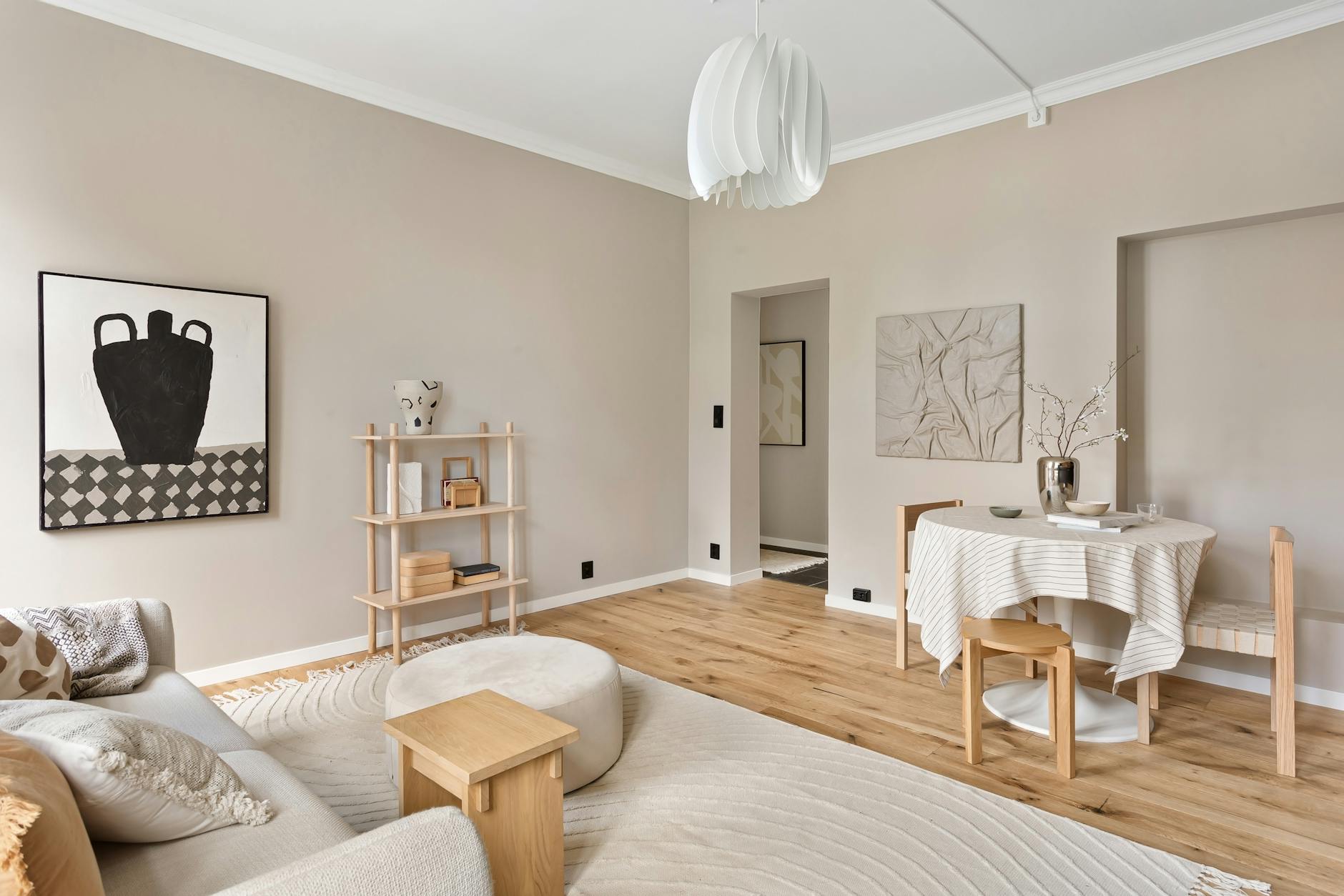
The trade keeps calling it warm minimalism and I don’t love the term. Makes it sound like a styling thing when really what’s happening is a structural change in how people are spending money on their houses. Materials with depth instead of laminate that mimics depth. Palettes pulled from somewhere between Bourke and Broken Hill instead of a Belgian Pinterest board. Furniture chosen on the assumption you’re staying put. Because the seven-year upgrade-and-flip cycle the industry quietly priced everything around has stopped showing up.
Paint, and why grey lost
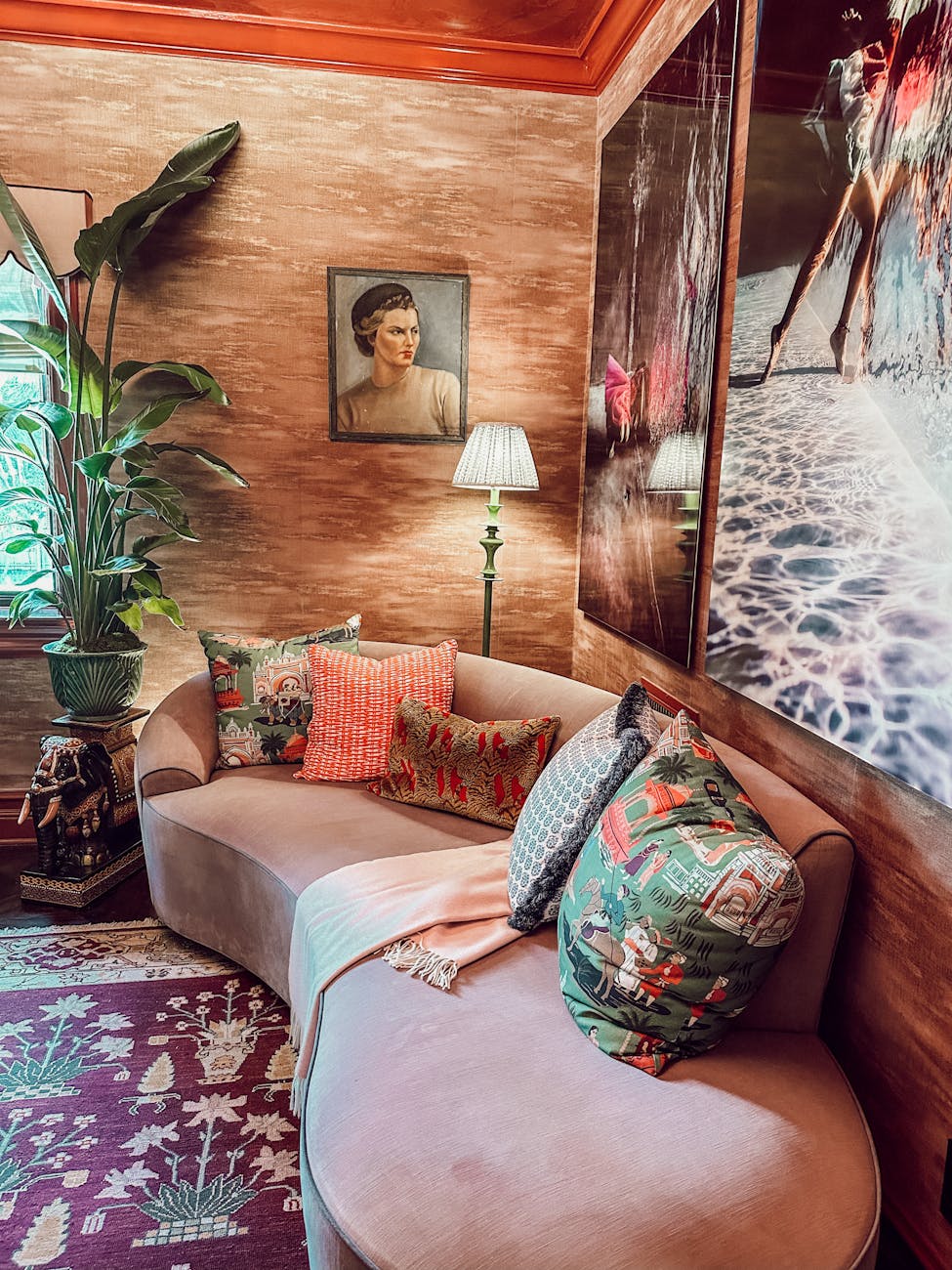
The 2026 paint forecasts have, for once, mostly converged. Dulux’s leans into earthy clays, sun-faded ochres, sage greens, and a particular dusty terracotta the colour of the centre of the country at three in the afternoon. Porter’s and Bauwerk are tracking parallel. Limewashes, mineral tones, less polish. I’ve been specifying Bauwerk in bathrooms for two years and the trade has finally caught up which is gratifying and also slightly annoying.
Cool grey didn’t go out for fashion reasons by the way. It reads cold under Australian light, full stop. North-facing room on an overcast Melbourne day, morgue. South-facing in Sydney summer, fine for an hour either side of midday and then it just collapses. Buyers are pushing back on palettes that need the downlights on at 2pm to feel liveable. About time.

White isn’t over but the warm whites are quietly eating the cool whites. The three I see specified most are Dulux Antique White USA, Lexicon Quarter, and Natural White. Just put Antique White USA on a Paddington terrace last month and the way it reads at 4pm vs 9am is a different paint. Pinky-honey late, soft cream early. Vivid White meanwhile has aged out completely. It looks blue against any timber warmer than oak. I tell clients this and they look at me like I’m being dramatic, then they hold up a swatch against their floor and the conversation just ends.
Timber, stone, and the silica problem
Timber is back at a level I haven’t seen since I was on the desk at Real Living in the early 2000s. But the species mix has shifted. Australian-grown blackbutt and spotted gum are doing the heavy lifting in joinery now. Partly cost. Partly availability after the European oak supply got squeezed. Partly a quiet preference for grain that doesn’t look like everyone else’s grain on Instagram. European oak still wins at the top end and probably always will. American walnut, the calling card of the 2018-2022 luxury house, has slipped right down the list. Had a client last month ask me to take walnut out of a brief because it was, quote, “too 2021”. Fair, honestly.
Stone, same logic. Honed limestone, travertine, the calmer marbles. Bianco Carrara, soft Cremas. The high-veined Calacatta and Statuario that defined the 2020 Instagram kitchen now date a space the second you walk in. They photograph well. Don’t live well. There’s a difference and clients are figuring it out.
The benchtop conversation has changed completely. The September 2024 ban on engineered stone above one percent crystalline silica killed the category as it existed and the industry is still working out what replaces it. Specs have shifted toward porcelain slabs, sintered stone (Dekton, Neolith, Lapitec are the three I see), and natural stone. Caesarstone, Smartstone, Silestone have all reformulated to crystalline-free lines and they are fine, they really are, but the mood around the material has changed. Clients ask what’s actually in the slab. Compositional honesty wasn’t a category five years ago. It is now.
One sofa, kept
Headline number from the trade: fewer pieces, kept longer. Domain’s Q1 2026 home report flagged a fifteen percent year-on-year drop in furniture purchase volume and a corresponding rise in average spend per piece. People buying one good sofa instead of three okay ones. Same dollar figure, different relationship to the object.
Local makers are obviously benefiting. Jardan, Mark Tuckey, Sarah Ellison. A tier of Melbourne-based independents too, Slowood, Ohmm, Studio Otto, growing share. Imported flat-pack volume has slipped, and good. I’ve installed two Jardan sofas in my own home, one of them is now eleven years old and looks better than the day it arrived. Which is exactly the calculus changing here, just on a sample size of one.

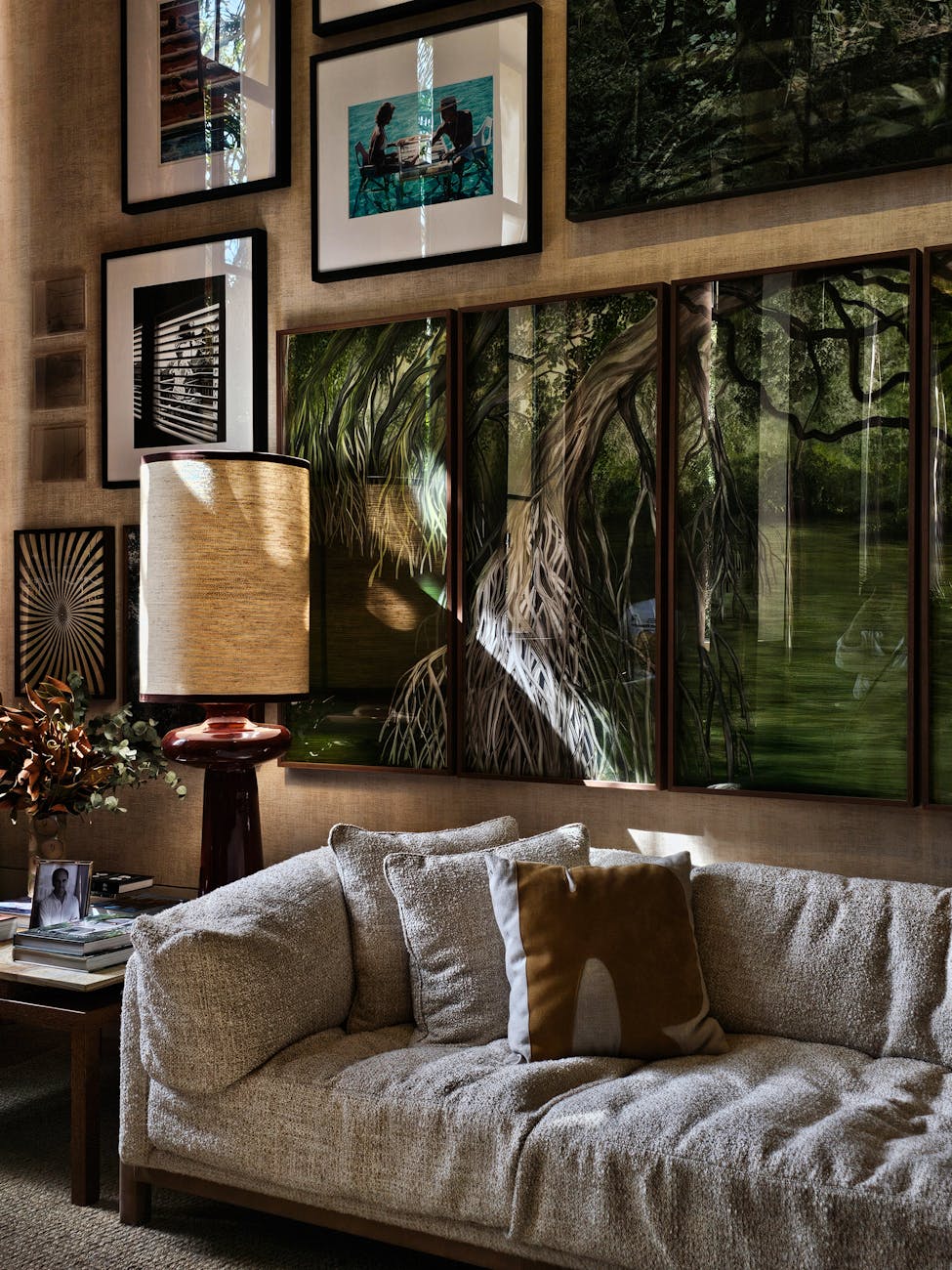
Curves still around, particularly seating. The modular oatmeal bouclé sofa though, officially saturated. I have one. I regret it. The bouclé pills, the modular configuration locks you into the room you bought it for, and after eighteen months it just looks tired in a way I can’t quite put my finger on. The fresher direction is upholstery in linen, hemp, undyed wools, with timber arms or legs visible so the piece reads as built rather than upholstered to within an inch of its life. I’m specifying more linen this year than in my whole career. Make of that what you will.
What’s happening room by room
Kitchens have stopped pretending to be hospitality venues. The big flex of 2020-2023, the four-metre island and the integrated wine wall and the second prep kitchen behind a butler’s door, all being scaled back. The 2026 kitchen is smaller, has more visible storage (open shelves above a deep stone splashback is the look I see most), uses fewer materials per surface. One stone, one timber, one metal. I specified a kitchen last year with three timbers and two stones in it and it’s the kitchen I most regret installing. Looks busy. Restraint is unfashionably hard, turns out.
Bathrooms doing the inverse. Spend per square metre on bathrooms is up in every market I’ve seen data on. Limestone-clad walls, freestanding stone tubs (the Apaiser ones still set the standard, they cost what a small car costs but they age), oversized walk-in showers with single-piece slab walls. The bathroom has replaced the kitchen as the room people are willing to spend disproportionately on. The kitchen lost that title around 2024 and isn’t getting it back.
Living rooms, meanwhile, walking away from the open-plan-everything orthodoxy of the past decade. Three percent of new builds permitted in NSW Q1 2026 specified a separate, closed-off lounge. Highest figure in eight years. People want a door. Five years of working from home cured the industry of the great-room fantasy faster than any trend forecast could have. The kids have to go somewhere when the work call starts.
Why all of this is happening
Honestly, the context for everything above is the housing market. Sydney and Melbourne prices flatlining or sliding through Q1 2026, a third interest rate rise weighing on what people can borrow, and the maths has shifted from upgrade-and-move to renovate-and-stay. Renovation finance applications up nineteen percent year on year. That one stat is the whole story behind every trend I just walked through.
What it actually means for the industry: fewer ground-up new builds, more thoughtful (and often smaller) interventions on the houses people already own. The renovations being done are being done to a higher standard. Because the owner is the end user. Not some hypothetical buyer in three years.
So warm minimalism, in the end, isn’t really a trend. It’s a posture. People designing homes to live in for fifteen years instead of staging them to flip in five. Totally different brief, totally different decisions on the slab. And you can see it in pretty much everything if you know what you’re looking at.

Sydney inner-west design editor with a soft spot for honest materials, sun-bleached palettes and homes that age well. Ex-Real Living.
The Lifestyle Desires brief
Style, food, travel and wellbeing — weekly in your inbox.
Subscribe