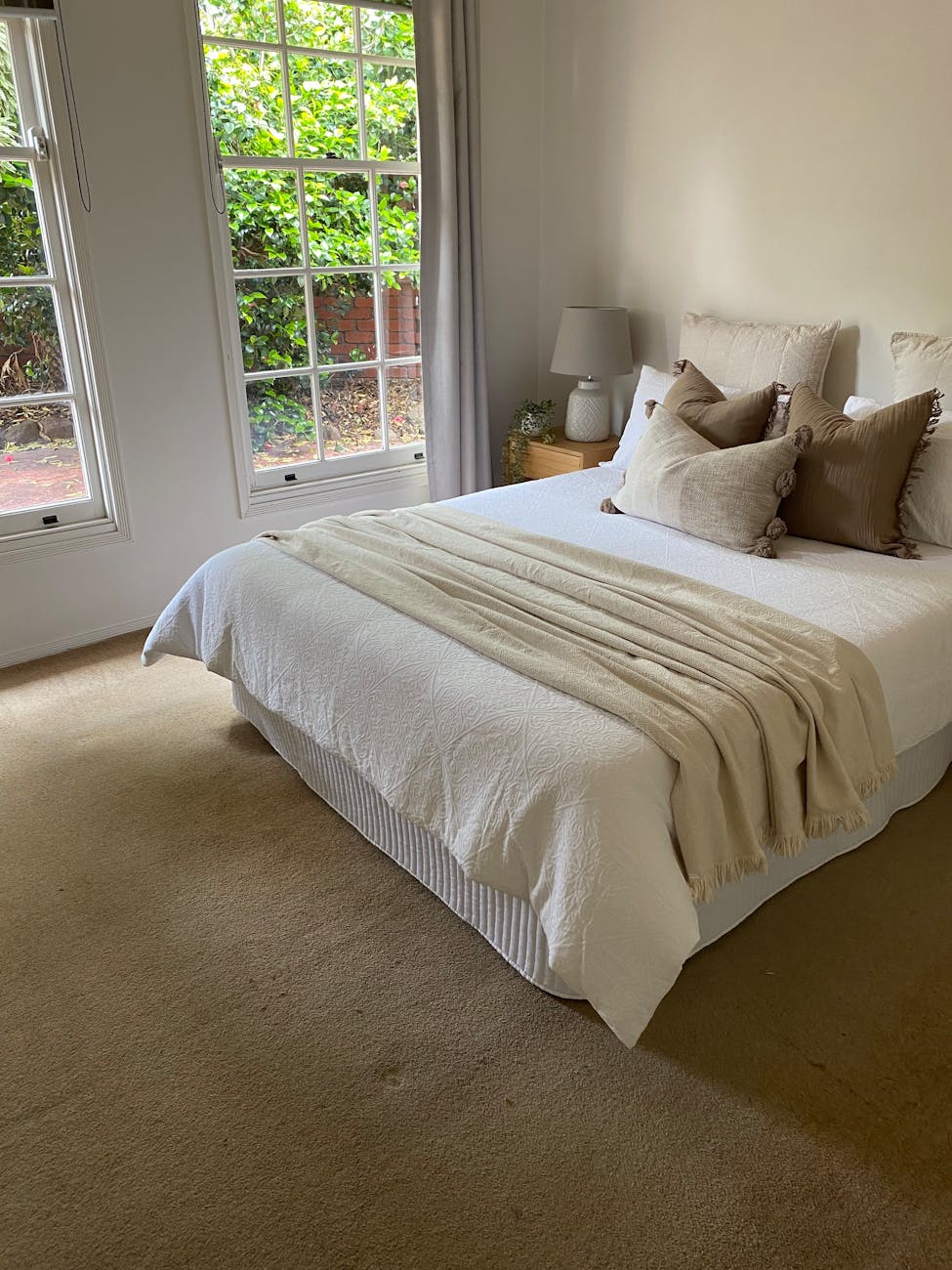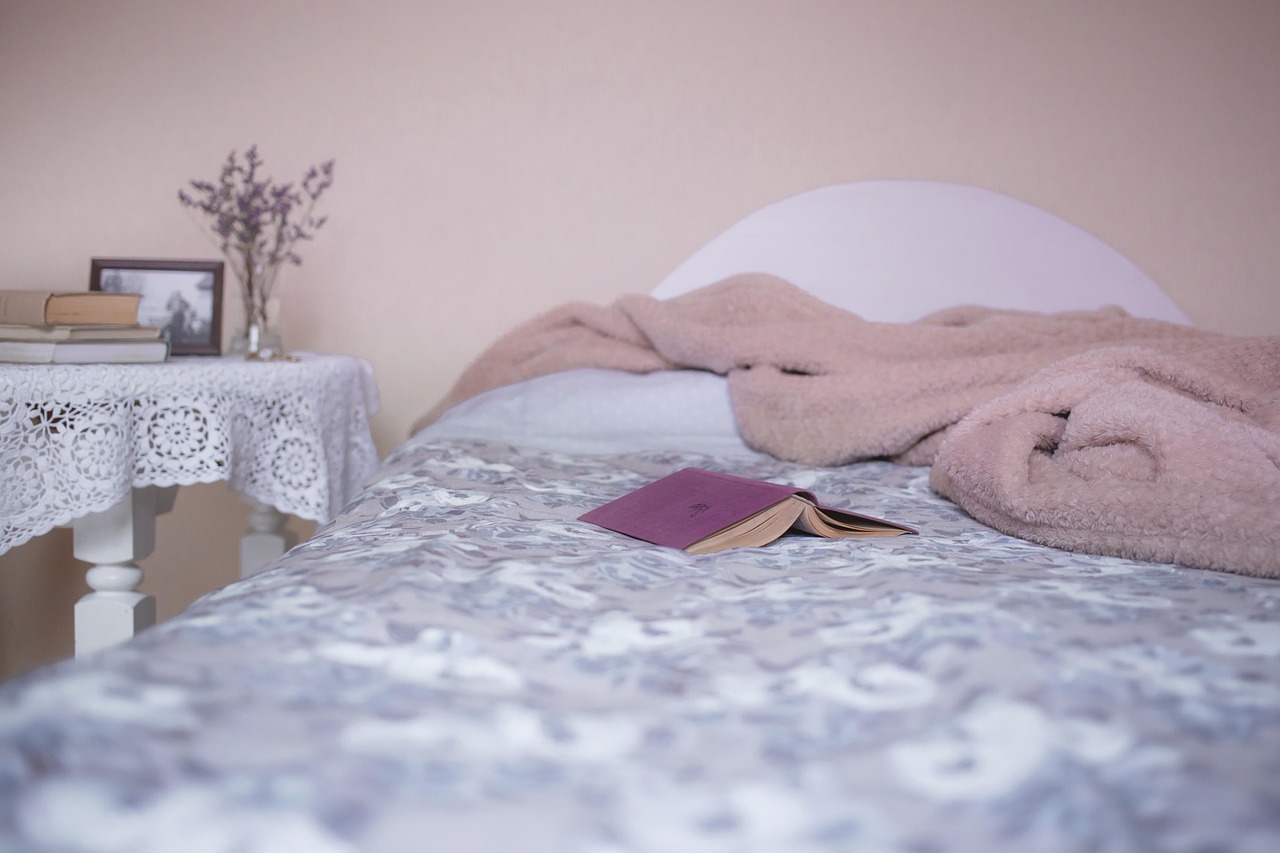
The half-made bed has entered its soft-power era
Mismatched bedsheets are turning the 2026 bedroom into a softer, less showroom kind of status symbol, if you can afford the effort.
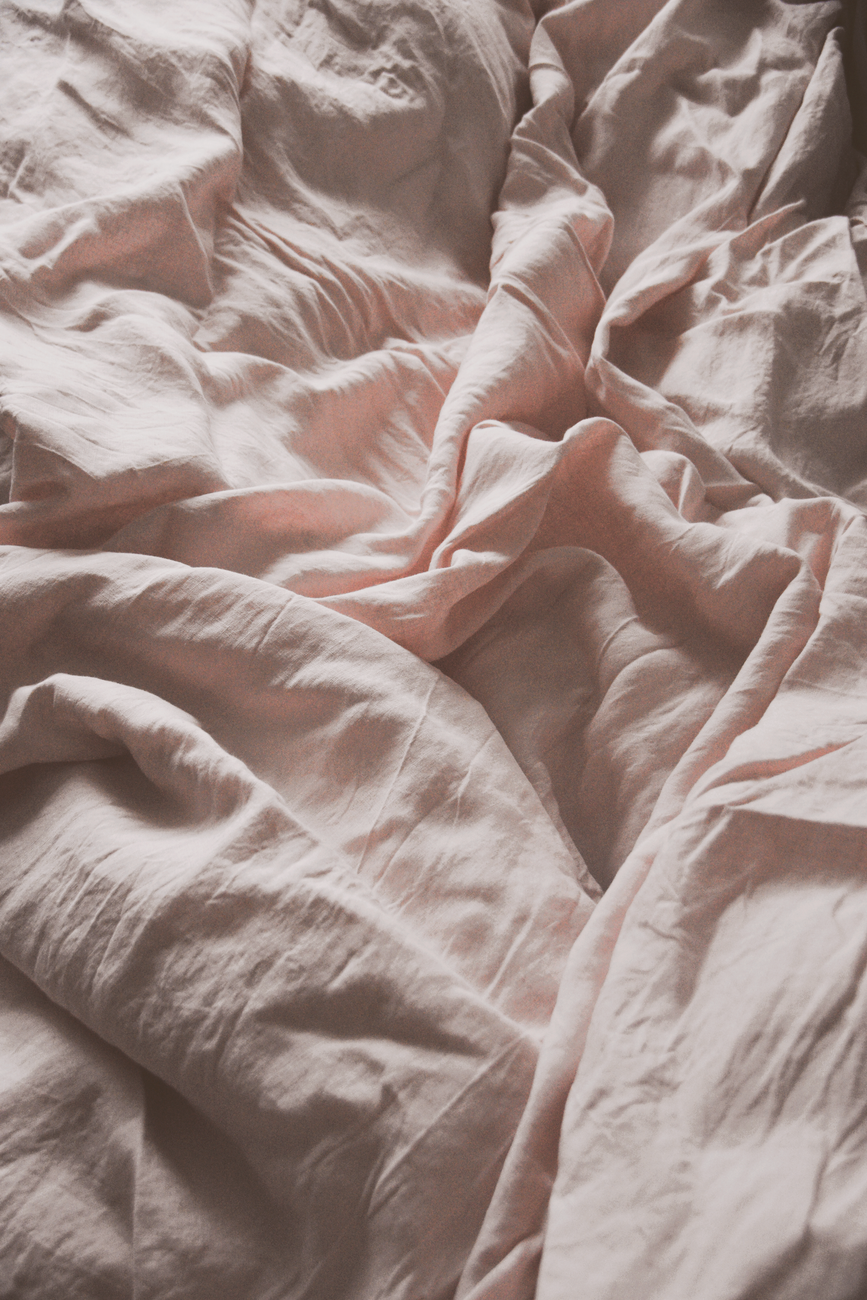
One friend of mine has the sort of bed that looks as if someone more interesting has just left it. Not messy, exactly. Her doona is folded back on a slant. Under it sits a fitted sheet the colour of porridge cooled in the bowl, with old-denim pillows and one striped cushion that appears to have wandered in from another room and improved the conversation.
For years, I read that as a private failure of housekeeping. Mine belonged to a woman once frightened into obedience by a Manchester department sale: matching quilt cover, matching pillowcases, matching European shams I did not need and could never keep upright. Neat in photos, yes. In real life, the room felt like a serviced apartment waiting for feedback.
Here is the odd bit about bedrooms right now. A bed that looks slightly undone has started to read as more deliberate than the tidy set. Mamamia’s recent bedding piece puts a name to the mood: stylish women are apparently putting away the matching sheets and building beds from pieces that do not quite belong together. One pillowcase, a tonal flat sheet, maybe a quilt cover in the next shade over. Domestic silk-shirt-with-soft-jeans energy.
I am less interested in the instruction than the signal. A mismatched bed says: I live here. It also says: I have looked at enough rooms online to know how to perform not caring.
The first time the bed stopped behaving
Once, the ideal bed was obedient. Corners tucked. Quilt centred. Pillows stacked in the faintly militarised order of a hotel room, which was strange, really, because most of us do not live in hotels. I would be quite alarmed if my actual room were cleaned by a stranger between breakfast and lunch.
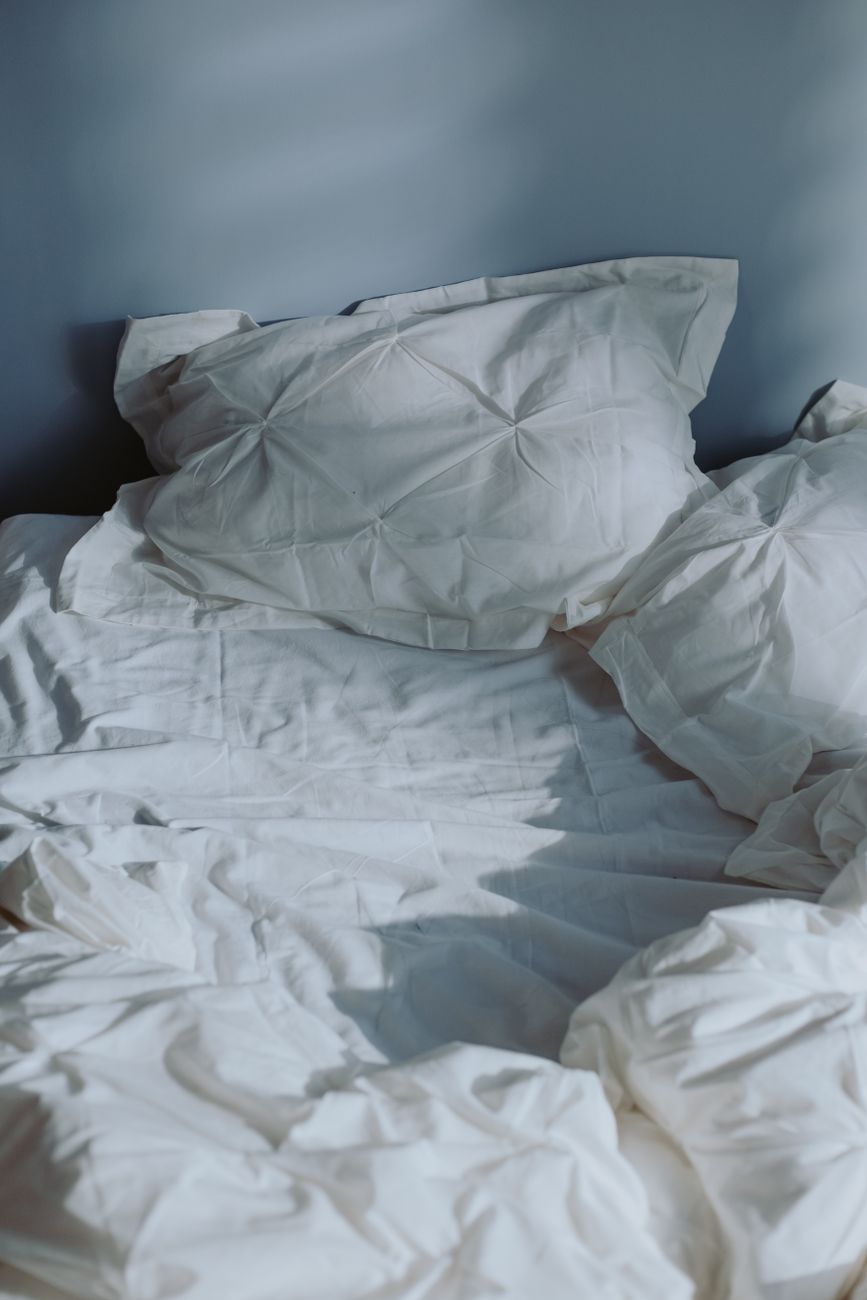
Now the bed misbehaves just enough. Linen can crease. Colour can drift. One side of the mattress might be for sleeping and the other for folding laundry, answering emails, crying into a towel after a bad day, or eating toast while pretending crumbs are a future problem.
Interior people will tell you this is about texture, and they are not wrong. Bedding bought in one packet has a flatness to it, even when the cotton is expensive. Mixed linen, cotton, waffle, ticking stripe and sun-faded colour give the eye something to do. In that sense, the unmatching bed belongs to the same family as Homes To Love’s playfulism idea, where imperfection is not a mistake to hide so much as a small rebellion against the room that looks finished before anyone has lived in it.
Still, the pull feels more emotional than decorative. Matching sheet sets imply completion. An odd bed implies an ongoing life. A cover bought in March because the old one pilled. Pillowcases from a sale, a breakup, a mother clearing the linen cupboard and posting things across state lines. Evidence, basically.
An interiors trend watcher would probably call that patina. I would call it relief.
Effortless is still a kind of labour
Of course there is a trap in all this. The bed that looks thrown together is rarely thrown together. Colours sit near each other without matching. A blanket has enough weight to fall well. Wrinkles read as texture, not despair. Accident is not really the method here. Taste is, doing yoga in linen.
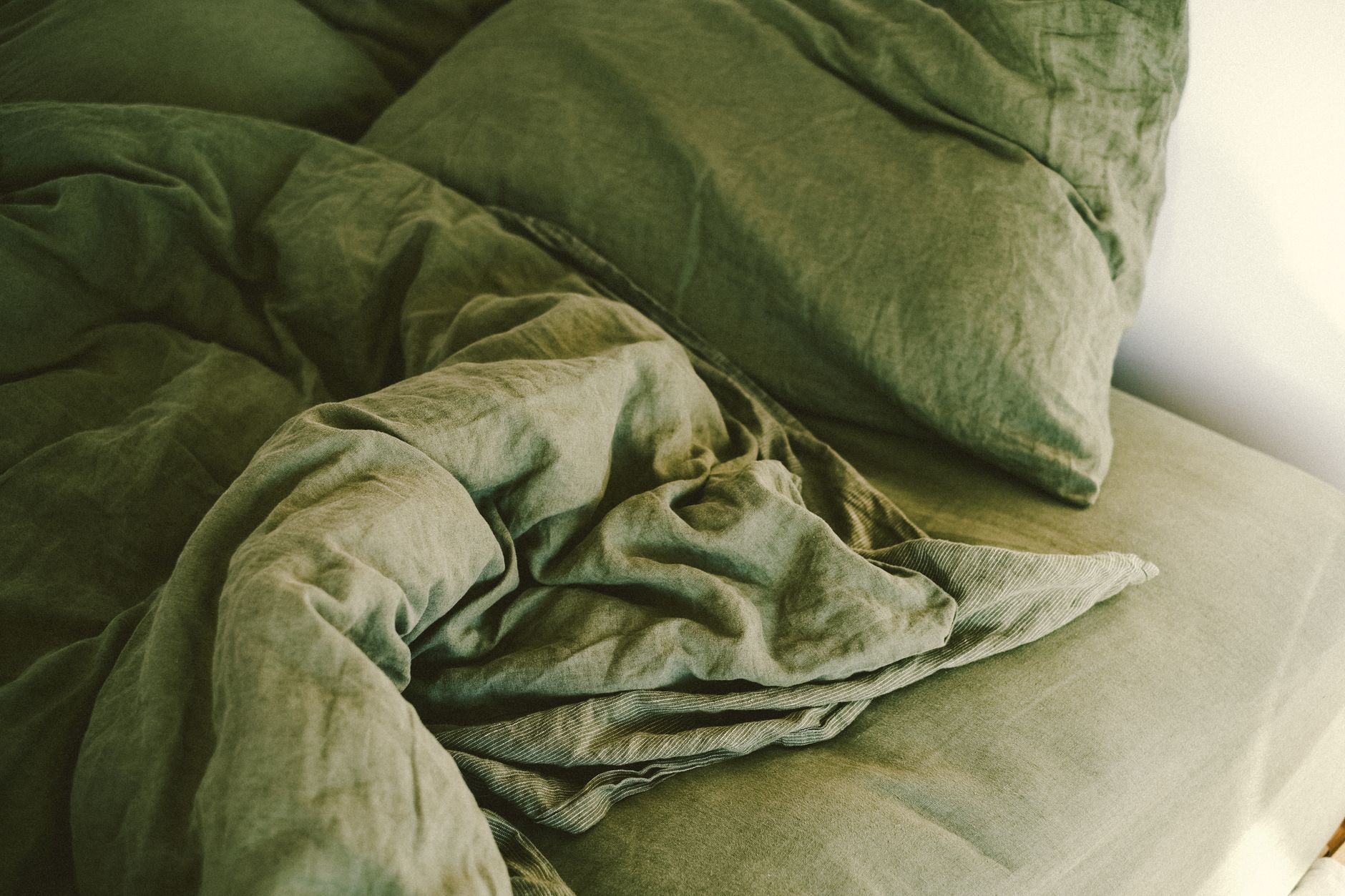
Stylists know where the line sits between ease and abandonment, and most of the time it is drawn by materials. A cheap polyester quilt cover can look sad when crumpled. Washed linen gets called relaxed. The same fold that reads careless in one fabric reads cultivated in another. Annoying, but true.
Vogue’s 2026 interiors forecast leans the same way, away from rooms assembled for the photograph and towards materials with age, reuse and touch. One quoted line in that piece has stayed with me because it says the quiet part plainly:
decorating should never be just for the photograph
Lucy Hammond Giles, Vogue
There is the promise of the mismatched bed. We are allowed to stop decorating for the imagined viewer. Except the imagined viewer has not gone away. She has simply become more sophisticated. These days she prefers the pillowcase to be a different colour, but only in a way that suggests restraint.
No wonder the trend can feel freeing and faintly ridiculous at once. Nobody is asking for a complete bedroom set. Good. Yet we are still meant to know the difference between clashing and conversing, between a room with history and a room where the laundry was not put away. Vocabulary changes. Pressure lingers.
I might be wrong about this, but I suspect the real status marker is not the bed linen. It is time. Time to collect slowly. Time to notice that a clay pillowcase warms up a blue quilt. Time to care about the way morning light turns a wrinkled sheet silver for five minutes before the day begins making demands.
The rental-bedroom version
Most bedrooms are not designed. They are negotiated. Rental walls painted the colour of wet cardboard. Carpet you would not have chosen. A wardrobe with one door that never sits flush. Into that room, the matching bed set once offered order. At least this square is under control, it said.

A softer bed offers something else. Not control, exactly. Permission. If the room cannot be renovated, the bed can still gain a little character. A striped pillowcase can interrupt a beige rental. A second-hand coverlet can make an old bedhead look deliberate. One good linen sheet can do more for the room than a trolley full of filler objects bought because the algorithm made them look inevitable.
That is where slow decorating becomes more than a lovely phrase. Homes To Love frames it as a pushback against impulse buying and rooms assembled too quickly, and one line from its piece feels like the grown-up answer to the whole trend cycle:
Thoughtful homes are built on intention, not impulse
unnamed designer, Homes To Love
The renter’s question is the useful one: can this be done without buying a whole new bedroom? It can, if the point is not to recreate a brand’s bed exactly. Keep the sheet that still feels good. Add one pillowcase in a colour already in the room, maybe from a painting, a book spine, a ceramic mug on the bedside table. Let the quilt cover be the plain part. Let the odd thing be small.
That sounds suspiciously close to advice, I know. Still, the distinction matters. The bad version of the trend turns the unmade bed into another shopping brief. A better version lets the room admit its own pace.
Anyone who has moved through share houses, compact apartments, or rooms where the heater rattles like an old tram knows that pace. A home assembled over time is not lesser because it arrived in instalments. It may be the only honest way most of us get one.
What the room is trying to say
Scepticism has not left me. I have seen too many relaxed interiors that cost a small fortune to believe in effortlessness as a pure category. Somewhere, always, there is a shop tab open. Somewhere there is a throw blanket described as casual while costing the same as a week’s groceries.
The bedding market knows this. Homes To Love has covered cult sheet brands and sale moments; Wirecutter has folded linen sheets into luxury gift territory. The mixed bed may reject the old department-store packet, but it has not escaped the economy of wanting. It just wants differently. Less glossy. More rumpled. Still purchasable.
And yet I cannot quite dismiss it. The matching bedroom belonged to a fantasy of adulthood where everything arrived together: the bed frame, the towels, the good plates, the person who would share them. A mismatched bedroom belongs to a more accurate life. People move. Relationships end. Taste changes. Money comes in bursts and disappears into rent, dental work, school fees, flights home, the boring little repairs no mood board ever includes.
Maybe the point is not whether the sheets match. Maybe the point is whether the room can hold evidence of change without making it look like failure.
That, to me, is the tender part of this trend. A bed made from unmatching pieces can be a small refusal of the showroom version of the self. It can also be a performance, yes. Most style is. In the best rooms, though, the performance has a bit of truth in it. The pillowcases do not match because life did not hand them over in a complete set.
Tomorrow morning the doona will slide to one side again. The oat sheet will wrinkle. The blue pillow will flatten under someone’s hair. If the room is lucky, no one will fix it too carefully.
Not straight away, anyway.

The Lifestyle Desires brief
Style, food, travel and wellbeing — weekly in your inbox.
Subscribe