Why perfect homes suddenly feel a bit embarrassing
The chicest rooms in 2026 are warmer, looser and a little less camera-ready, as Australian interiors drift away from beige perfection.
I remember the afternoon my living room began to irritate me. Sydney had gone that pewter colour it gets before rain, and my Petersham place looked almost too mannerly. The boucle chair sat at its polite angle. The pale rug had already been shaken. On the coffee table: one ceramic bowl, one art book, both arranged like they were waiting for inspection. Nothing in the room was bad. That’s what felt maddening.
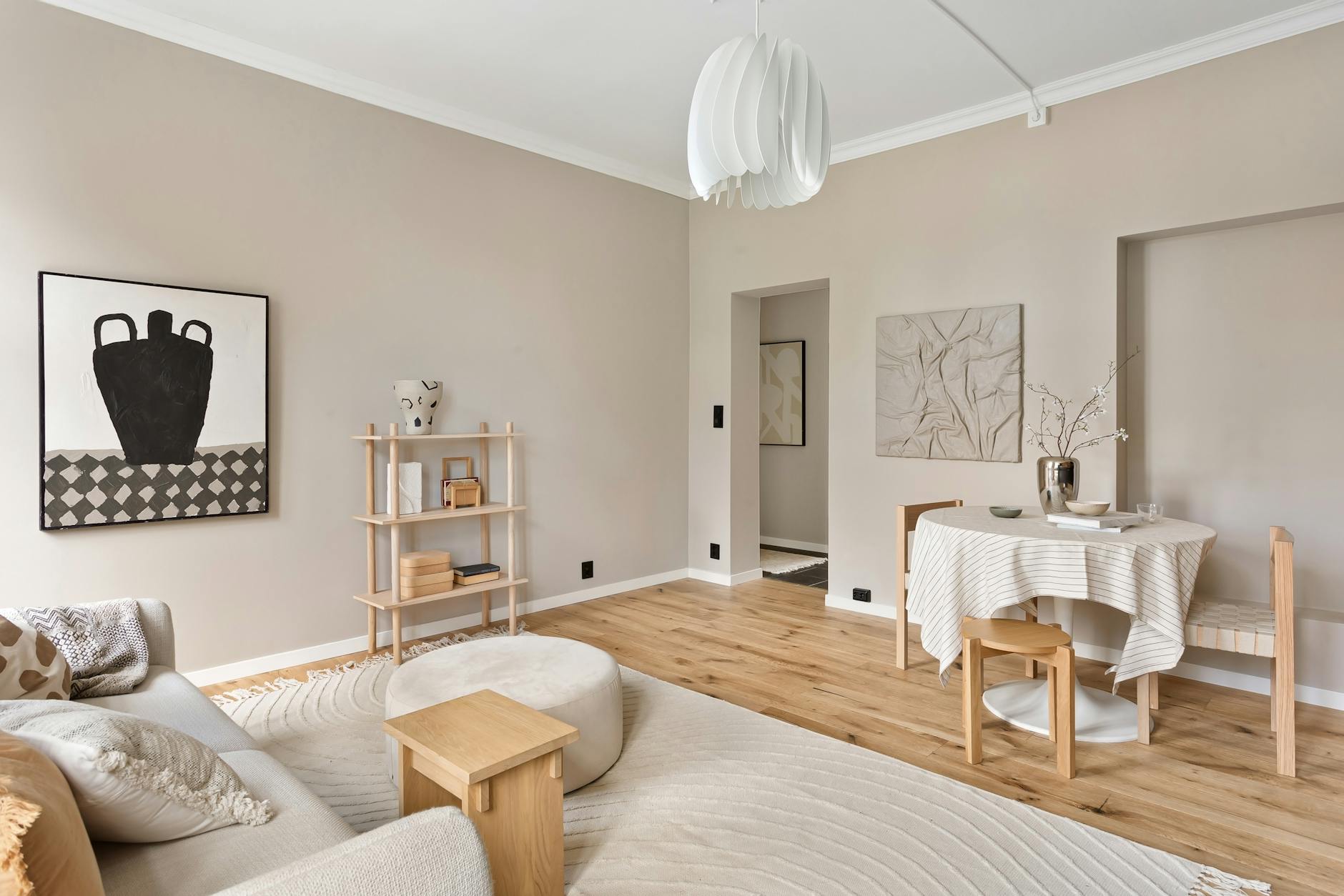
We were sold that look as aspiration for a few years: beige on beige, a branch in a smoked-glass vase, enough empty bench space to imply a person who never drops keys or lets a receipt live in a coat pocket. Online, those rooms photographed beautifully. In real life they could feel a bit withholding. The thing I keep noticing now, in magazines, in friends’ terraces, in rentals where a dining chair has become a bedside table out of necessity, is the return of evidence. Books. Timber with a scratch or two. Lamps that throw a low forgiving light. A room that looks as if somebody has eaten toast in it.
You can feel that impatience with correctness underneath Homes To Love’s recent look at playfulism.
“The idea of perfect interiors might exist for the purpose of a photograph, publication or Instagram, but it really isn’t how people live on a day-to-day basis,”
Romaine Alwill, speaking to Homes To Love
Call it fatigue if you like. A lot of us have spent years scrolling past immaculate cream sofas and feeling, if not envy exactly, then a kind of weariness. Beauty is not the problem here; performance is. Lately the perfect home has started to feel faintly embarrassing, not because taste has gone off, but because rooms built for the camera can seem oddly incurious about ordinary life.
Warmth is replacing correctness
If anti-perfection were only a backlash to Instagram sameness, I’d probably distrust it. What persuaded me was hearing designers talk this way as well, and not only the ones trying to rebrand chaos as luxury.

When Steve Cordony wrote about what he saw at Milan Design Week, the words that stayed with me were not sleekness or restraint. They were warmth. Emotion. Darker timbers. A room with a pulse.
“What I noticed in Milan this year was a return to warmth and emotion in interiors,”
Steve Cordony in Style Magazines
Admittedly, design people can produce these lines on autopilot. This one still does not feel empty to me; it matches a broader turn away from the cool, highly managed rooms that dominated the early 2020s. Across Australia, beige coastal calm and quiet-luxury minimalism started to blur into the same moodboard. The newer rooms, or the newer rooms people seem to want, are more tactile and slightly less obedient. Cordony points to aged metals, fringe and deeper woods. Vogue’s recent story on textile art circles the same idea from another angle, arguing that woven or fibre pieces can do something a framed print often cannot: bring softness, history and a faint sense of the handmade.
Somehow, a Paddington terrace recently listed through Homes To Love kept coming back to me. It did not look styled into silence. The finishes were thoughtful, yes, but also touchable. Earlier this month the same publication gave an exclusive first look at IKEA reviving its PS range, treating it as proof that playful interiors are back after years of homes defined by function over feeling. That does not mean everyone is about to paint the skirting boards aubergine, but it does mean the prized quality has shifted. A room is supposed to say something about the person in it, not merely advertise their discipline.
A little mess is doing cultural work
Granted, mess can make design people flinch, which is fair enough. Nobody is asking for a bench covered in unopened post and three charging cords mating in the corner. But there is a difference between neglect and looseness, and the better lived-in rooms seem to know it without trying.

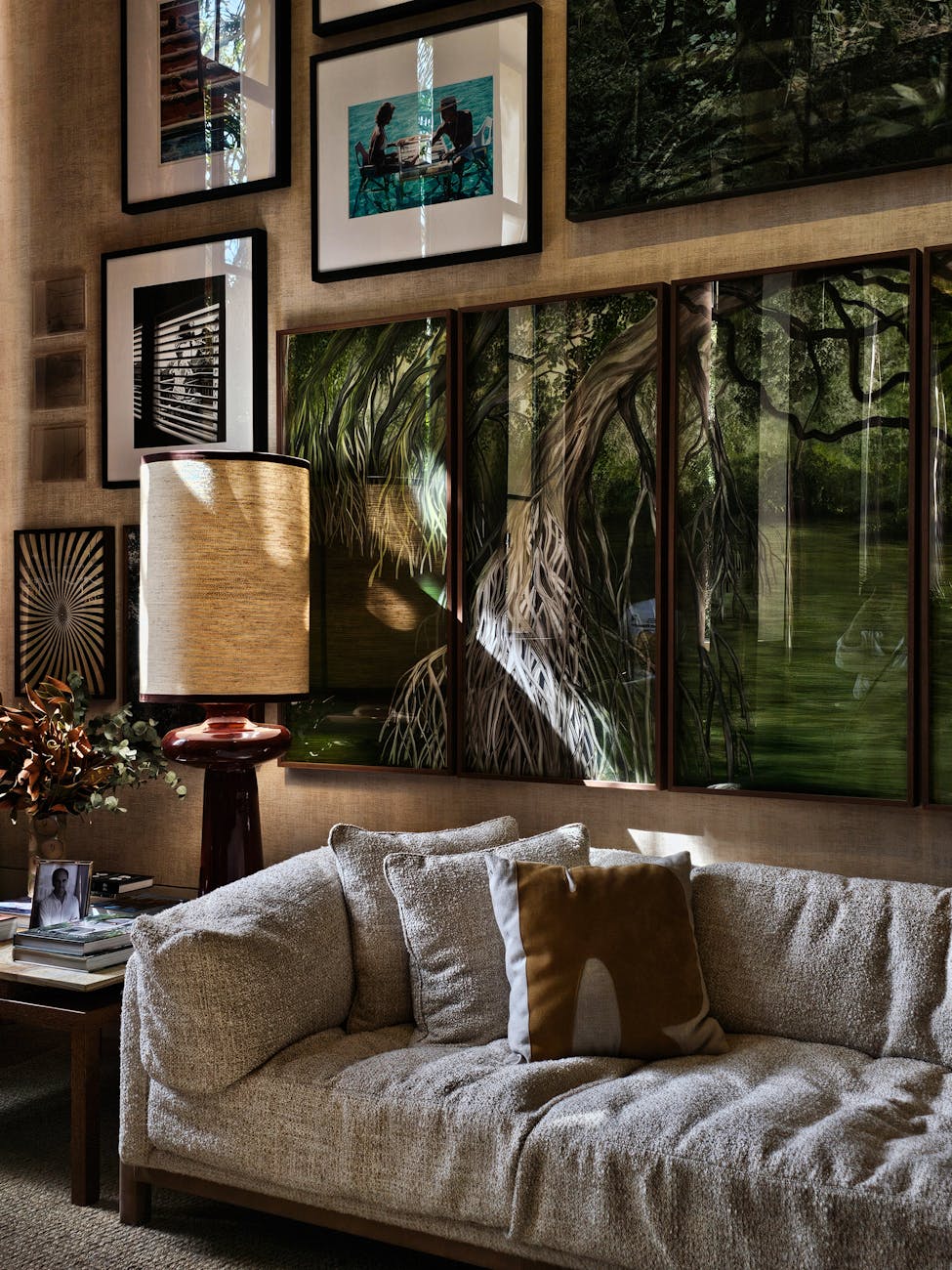
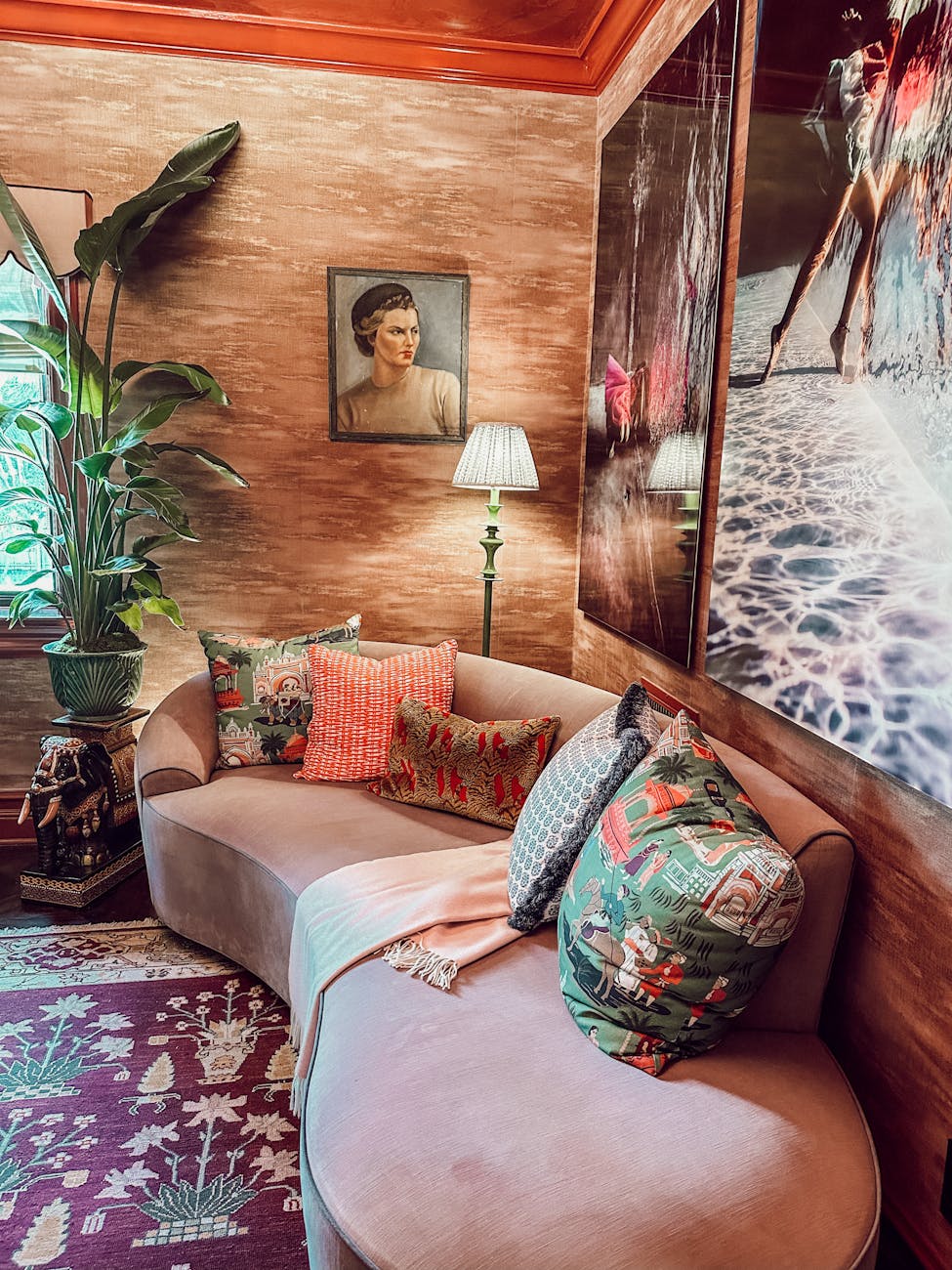
By now, the stale idea is that every object should vanish unless it matches the scheme. The new appeal lies in visible biography: the throw bought on a trip, not because it hit the exact oatmeal register of the sofa; the paperbacks that keep travelling from bedside to floor; the ceramic lamp that is maybe a touch too big and therefore less generic. In Vogue’s piece on styling textile art, the point is not simply that walls need more things on them. Texture is what helps a space feel lived-in. That phrase matters. Lived-in is no longer a failure state.
Meanwhile, real life is where I keep circling back. Most of us are not decorating blank-slate architect homes in perfect light. We are negotiating storage in an apartment, or trying to make a rental feel less temporary, or keeping the living room from sliding into waiting-room territory. The relief in the anti-perfection turn is that it gives people permission to stop hiding every sign of effort. A home can be edited without pretending it arrived fully formed.
Maybe I am romanticising this a bit, but I do think there is a post-quiet-luxury exhaustion in the air. Once every room online looked as though it had been washed in bone broth, the eye started craving friction. A stripe. A carved side table. A handmade wall piece. Something with a pulse. The good version of this is not clutter for clutter’s sake. It is a room with enough visual irregularity to suggest a person might actually laugh in it.
Small rooms still need someone to say no
Once anti-perfection becomes a trend in its own right, the easiest mistake is to assume the old design rules have been thrown out. They have not; they have just been reassigned. In a compact flat or terrace, editing still matters because comfort still matters.
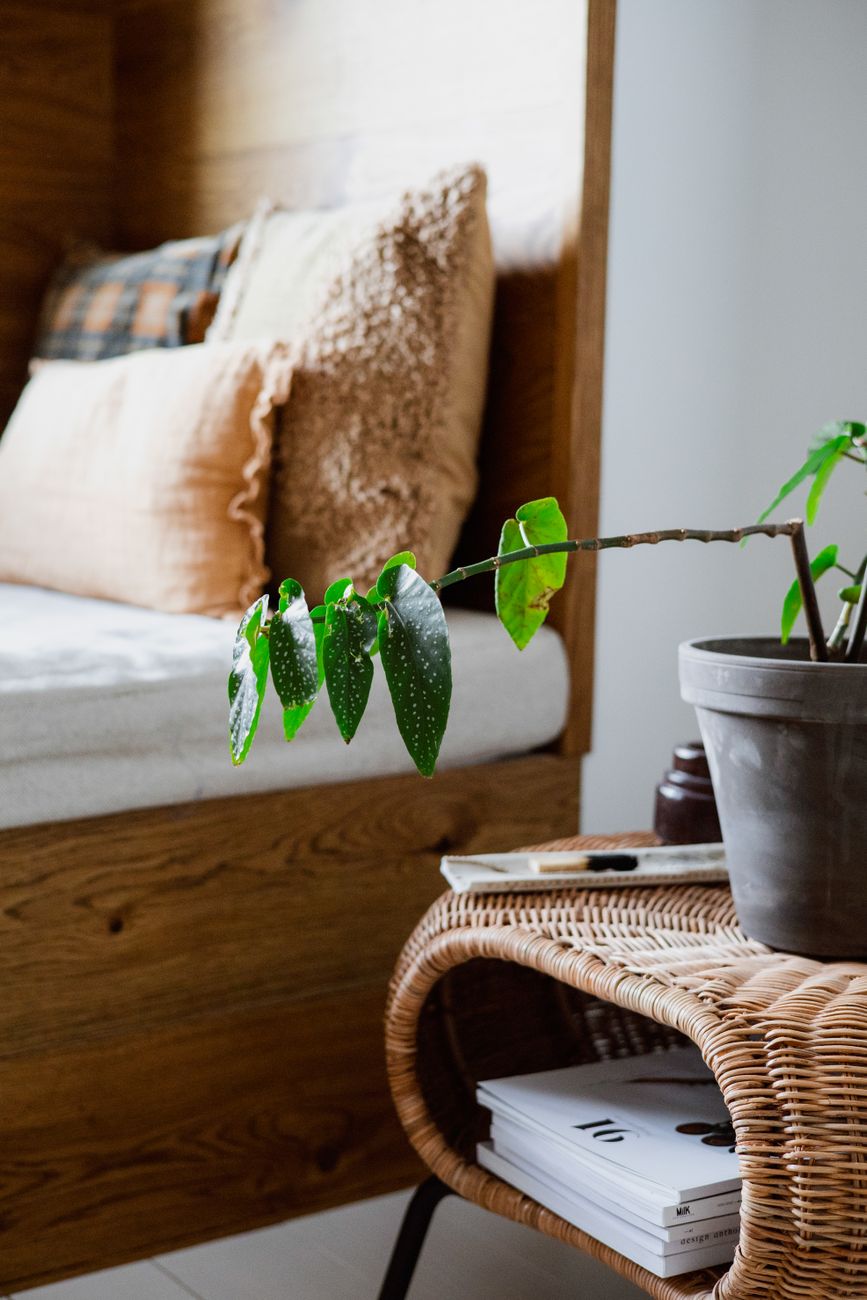
Practically, you can see that tension clearly in Architectural Digest’s conversation with designers about making a small bedroom feel bigger. Jennifer Jones’s advice is old-fashioned in the best possible way: trust scale, proportion and restraint.
“A thoughtfully edited furniture layout with minimal pieces is the easiest way to make a smaller bedroom feel instantly larger,”
Jennifer Jones in Architectural Digest
Nor do I read that as a rebuttal to the lived-in turn. It feels more like its grown-up version. A room can hold books, softness, timber and personality, but it still needs air. In a recent Guardian Life piece on small-space living, designers pushed back on the fantasy that open plan solves everything. What they argued for instead were rooms that work hard, furniture that earns its keep, and layouts that let one space do more than one job. That, really, is the practical question sitting underneath this trend: how do you make a home feel human without making it feel crowded? Not by stripping it bare, and not by piling it high, but by choosing objects with texture or meaning and then letting them breathe.
Perhaps that’s why this shift feels more durable than the average interiors micro-trend. Homeowners are not being asked to buy a whole new identity. They are being asked to loosen the old one. You can keep the neutral sofa. You just no longer have to act as though the room’s highest calling is to remain untouched.
The most desirable rooms look a little occupied
Around Australian homes lately, the shift feels gentler than maximalism. It looks more like a refusal of sterility. The expensive-looking room in 2026 is less likely to be the one with nothing out of place than the one with a believable point of view.

Even then, that point of view can still be sun-bleached, pared back, recognisably Australian. But now the room has to give up a little more of itself. The magazines and designers worth paying attention to are nudging in the same direction: less scheme, more feeling; less showroom, more biography. The anti-perfection trend is less about being sloppy than about letting a home carry the marks of taste, mood, use and time without apologising for them.
At my place, the fix turned out not to be dramatic. I moved the chair off its best angle. I left a stack of books where I actually reach for them. I hung a textile piece that is slightly uneven and much better for it. The room looks less finished now, which is to say it looks more complete. That distinction matters to me.
So no, the perfect home is not dead. People will still want beauty, calm, order, a bit of fantasy. So will I. But the rooms that feel convincing right now, the ones that stay with you after the photo is gone, are the ones that allow for evidence. A coat on a hook. A lamp casting a low pool of light. A rug that has been lived across. Not chaos. Just life, visible again.

The Lifestyle Desires brief
Style, food, travel and wellbeing — weekly in your inbox.
Subscribe