Why the living room looks better a little undone
Living rooms in 2026 are turning softer and more personal, with books, textiles and better light replacing flat showroom minimalism.
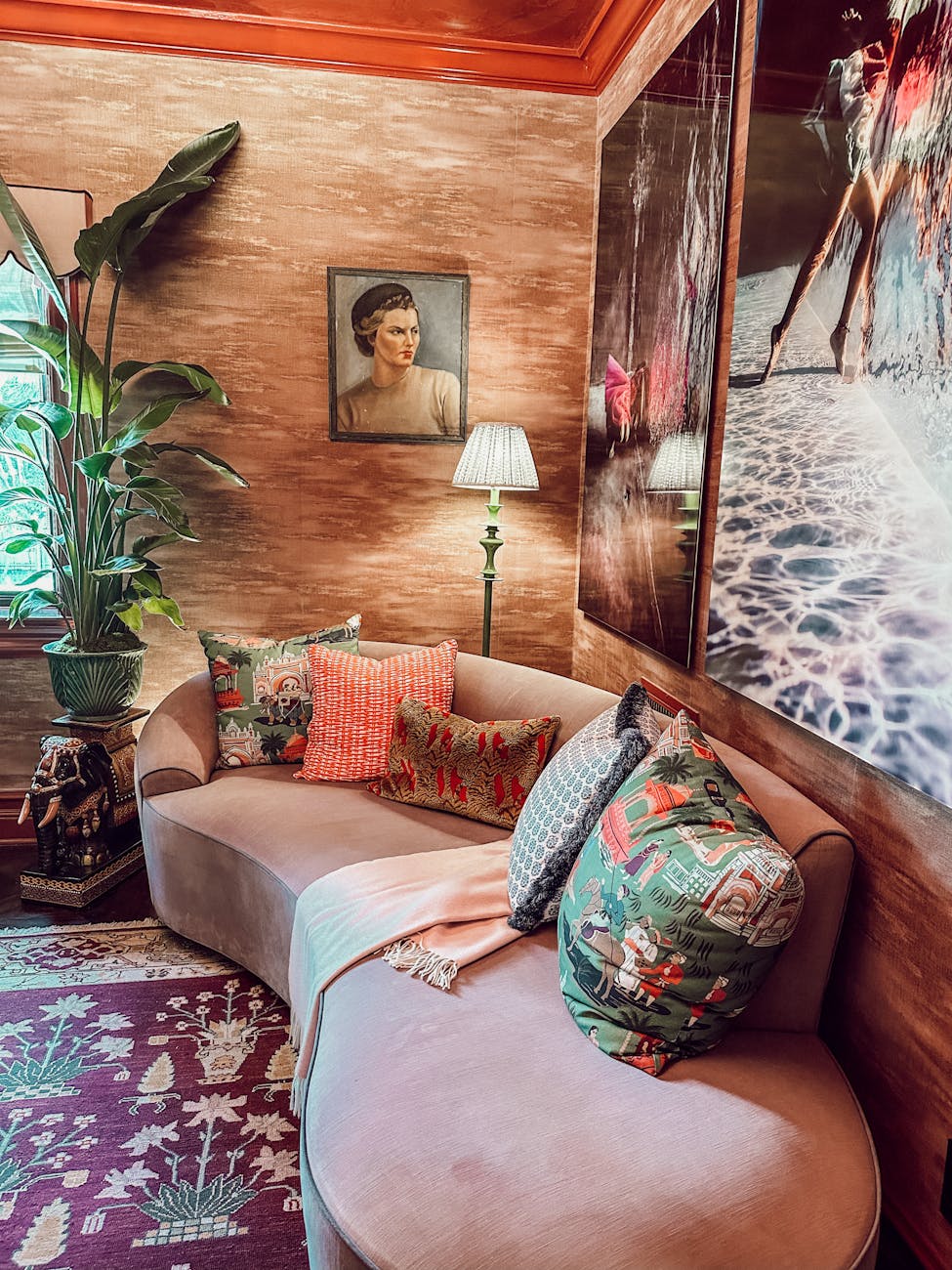
The last living room that made me unclench was in Marrickville on a wet Sunday, with a lamp turned low beside a sofa that had survived at least one move and probably two relationships. Books were shelved sideways because there was nowhere else to put them. A framed textile was leaning against the wall, a little crooked, as if whoever lived there had meant to hang it and then lost interest. The coffee table was scarred with ring marks from actual glasses. Nothing looked finished. That was the point. It felt expensive because it felt lived in.
Underneath all that sits the 2026 living room trend report from Homes & Gardens, even if the piece itself rounds things up as 10 separate directions. Read closely and the message is plainer than that. The showroom living room is slipping. In its place is the room that looks inhabited, collected and faintly uninterested in perfection.
You can see the same turn in ELLE Decor and House Beautiful. Both are circling a softer minimalism, one that leaves room for curve, texture, patina and a few odd bits of personality. Maybe the white box is not dead. I am less convinced it still excites anyone.
In Australia, the appeal is practical too. Most people are not looking for a total reinvention. They want the living room to work a bit harder on mood without tipping them into a full renovation. Better light. Better scale. A stack of books that says something mildly incriminating about your taste. Cloth on the wall. A chair that has no business matching the sofa but improves the room anyway.
A room that says who lives here
Designers usually explain this shift more clearly than trend editors do. In Homes & Gardens’ trend piece, the sticky ideas are book drenching, layered antiques, mismatched furniture and colours with a bit of depth. None of that requires demolition. All of it pushes against the old showroom brief.

Meg McSherry gets there quickly:
Displaying your book collection tells the story of who you are, where you’ve been, and what’s important to you.
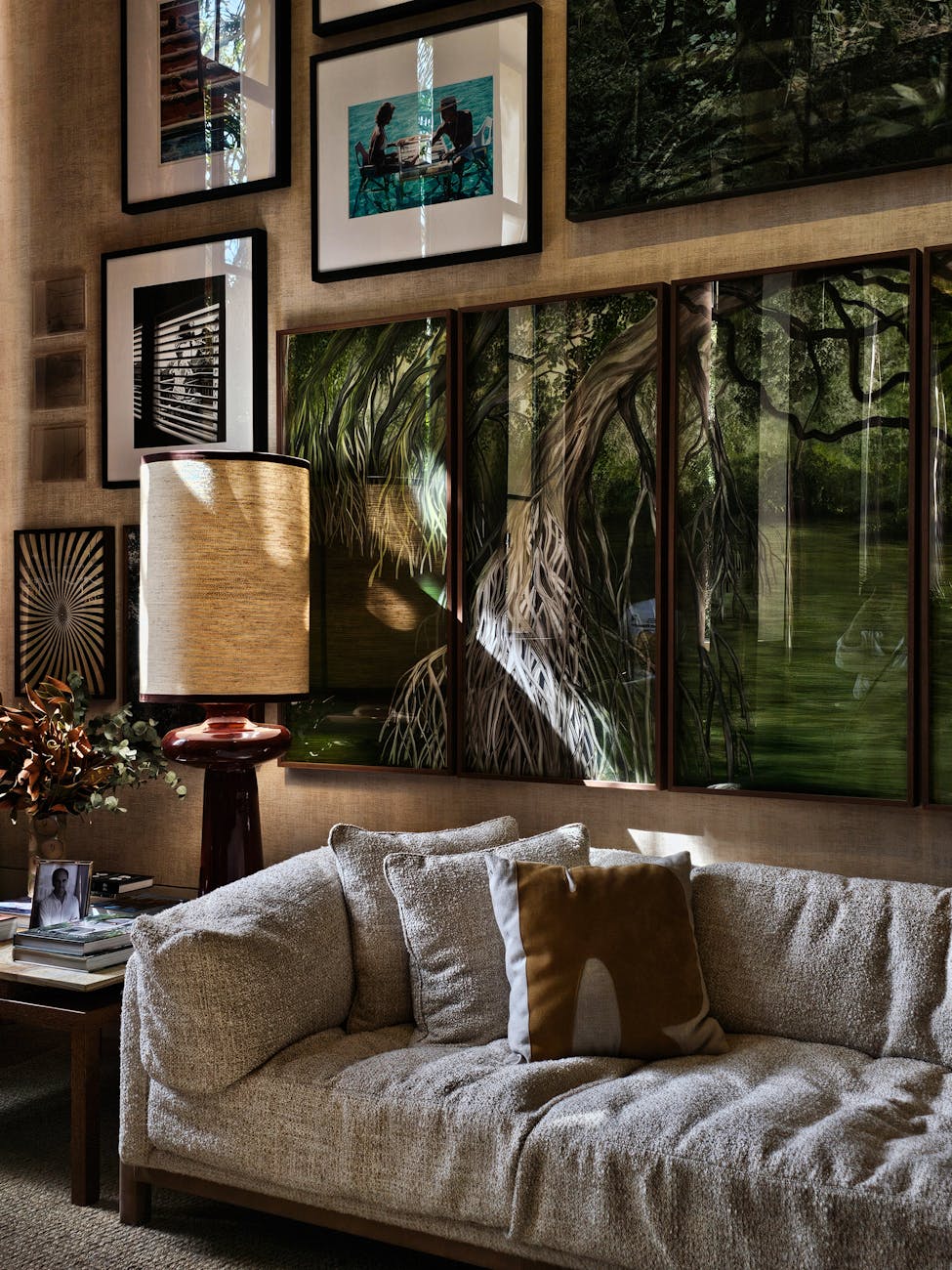
What lands here is the idea of evidence. A personal room does not need to be crammed. It needs proof of life. Books you have actually read. Art with a memory attached to it. Timber that has aged a little. A lamp that throws a warm pool of light instead of the hard brightness that makes every room feel like a rental inspection.
Analysts are not far off that view. ELLE Decor’s read on 2026 leans toward expressive rooms over sterile ones, and House Beautiful’s forecast arrives in roughly the same place through shape and texture. Not maximalism. More permission than that. Permission for the room to look as if someone chose it slowly.
Maybe that is why this year’s interiors chatter feels a bit sturdier than usual. The trend is not really asking you to chase a hero object in a seasonal colour. It is asking the room to reveal the person living in it. Those shifts tend to hold.
Expensive-looking is mostly an editing job
The sceptical question still matters: is this just a prettier excuse to buy more things? It can be. A room full of attractive clutter is still clutter, and Business Insider’s recent critique of overfilled living rooms is right to point out that bad scale ruins a room long before sophistication can save it.

Still, the expensive-looking version of this shift is pretty restrained. It is calibration, not volume. One good floor lamp instead of a ceiling full of downlights. An old timber side table with marks on it. A rug large enough to stop the room floating. A sofa that fits the wall instead of swallowing it. The rooms that look good in the 2026 coverage are not overstuffed. They are resolved.
Textiles keep surfacing as the smartest way in. Vogue’s piece on textile art makes the case that fabric on the wall brings warmth and narrative, not just pattern, and it cites a 40 per cent rise in searches for wall hanging plus a 110 per cent rise for vintage textile art. I would not treat those numbers as holy writ, but they do suggest appetite. People want softness back. They want surfaces that change with the light.
If you rent, or the budget is already wheezing, this is the part worth stealing. A room rarely needs a new identity. Usually it needs one note of friction. Something woven. Something slightly uneven. Something older than the sofa and a bit less obedient than the catalogue version of the room. In 2026, expensive-looking is not the same thing as immaculate. It is the feeling that choices were made over time.
The case against the one big room
In Australia, this story also reads as layout fatigue. For years the aspirational move was to knock walls out, flatten the floor plan and let every domestic activity happen in one generous rectangle. Now the correction is creeping in. Not a return to formality, exactly. Just rooms with their own moods again.
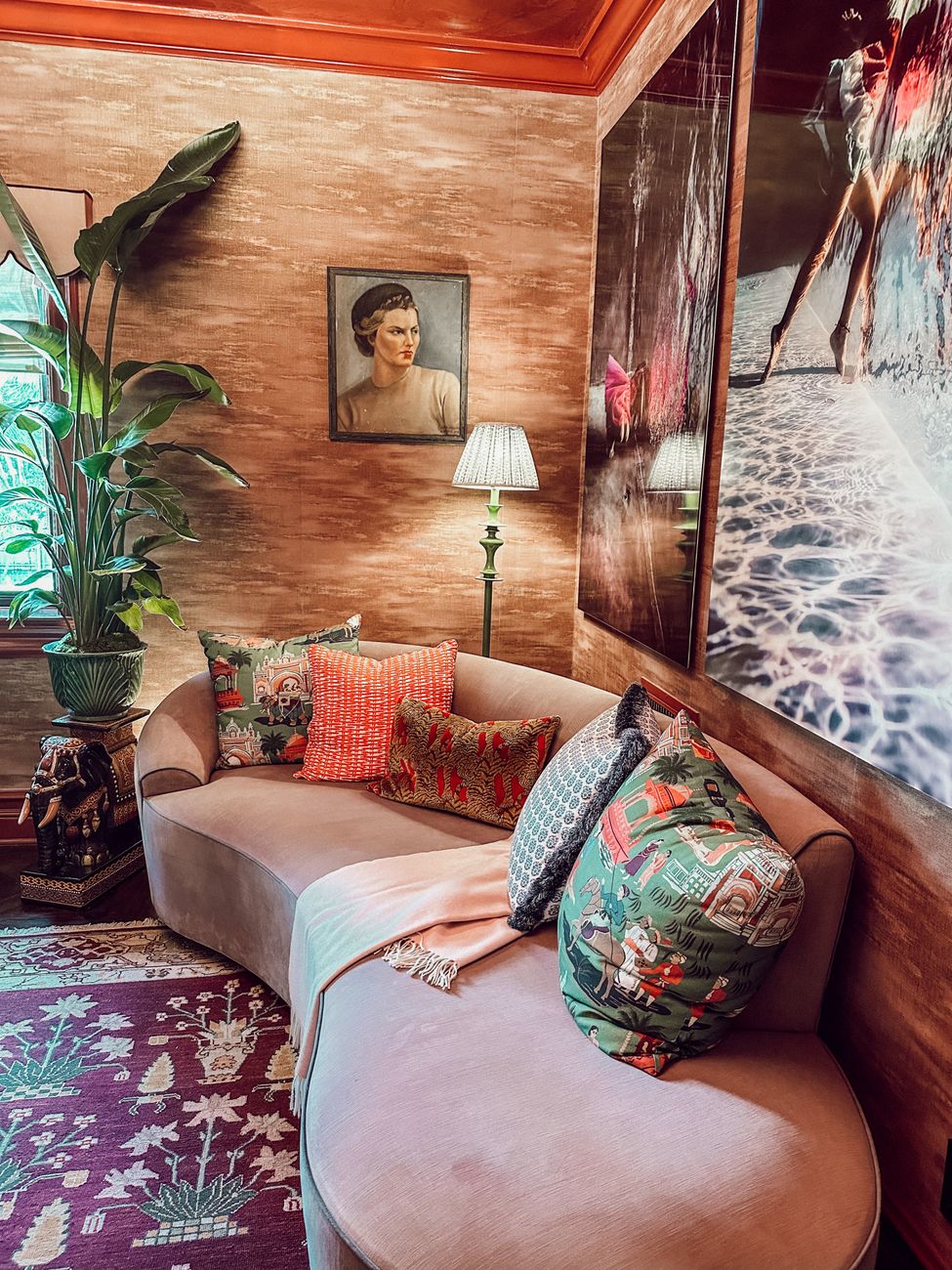
One sharp Australian example in the source bundle is this Homes To Love story about a Victorian terrace renovation, where Tracy Baker resisted the default instinct to blow the place open.
I have this real aversion to coming into a terrace house and looking straight into a kitchen and seeing a toaster.
Because it is so ordinary, that line clarifies the whole thing. Sometimes the living room works better when it is allowed to remain a living room. Not a corridor. Not the overspill zone for every appliance and charging cable in the house. A room with its own threshold, its own light, its own pace.
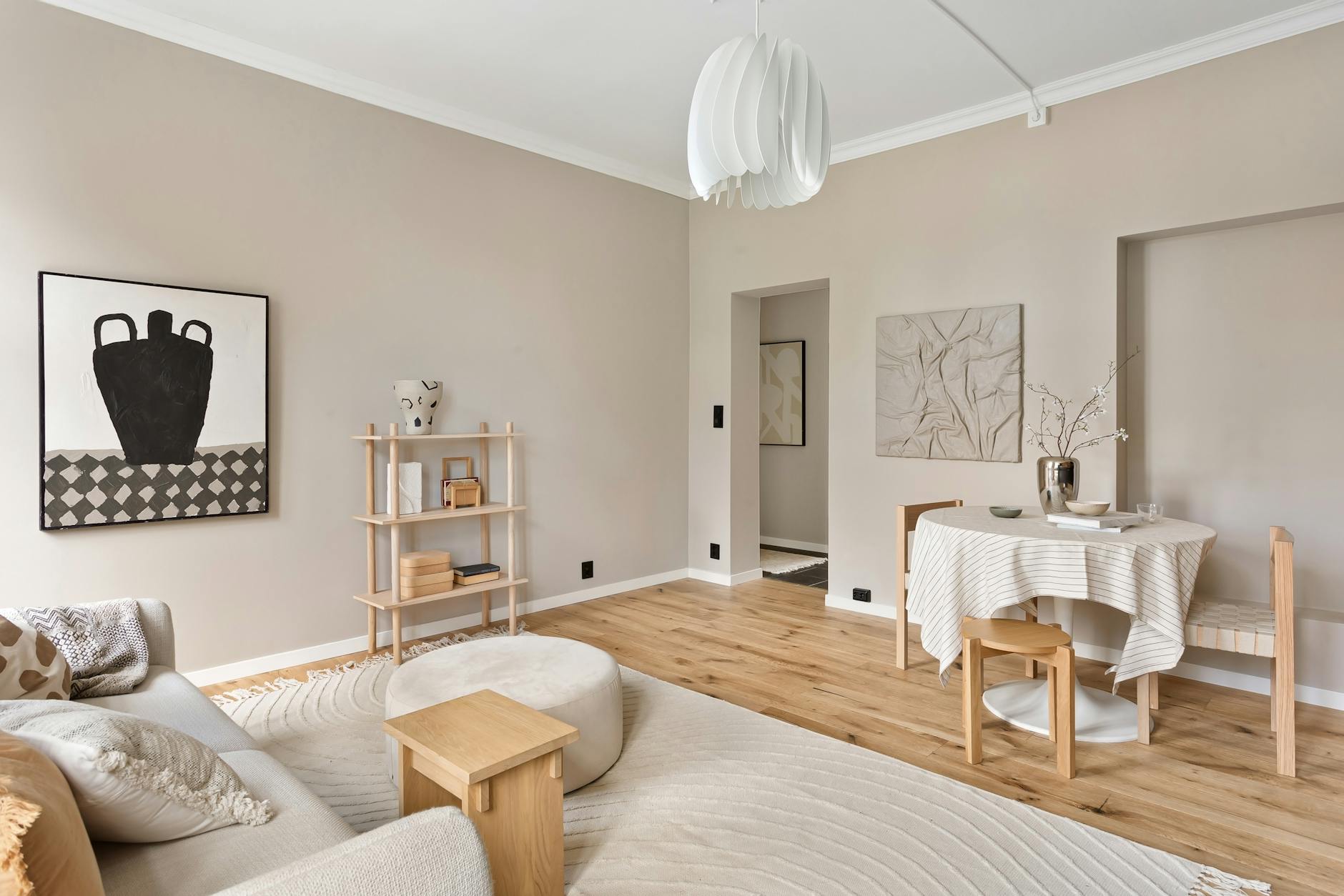
None of this means Australians are done with minimalism. The Vaucluse house that Homes To Love profiled is still pale, careful and pared back. But the useful phrase there is warm minimalism. Warm means material. Warm means shadow. Warm means the room is allowed to look inhabited.
This is the part of the 2026 conversation I would back to last. The homeowner in that story is not chasing fashion. She is asking how to make an existing house feel calmer without turning it into one giant showroom kitchen. Part of the answer is spatial dignity. Keep some sequence. Let one room collect itself.
A softer house for a noisier life
What will probably stick longest has less to do with trend churn and more to do with nervous-system management. Homes now have to absorb screens, alerts, work spillover and that hard, humming sense that everything is on. In that context, the living room is not just a styling exercise. It is a mood regulator.
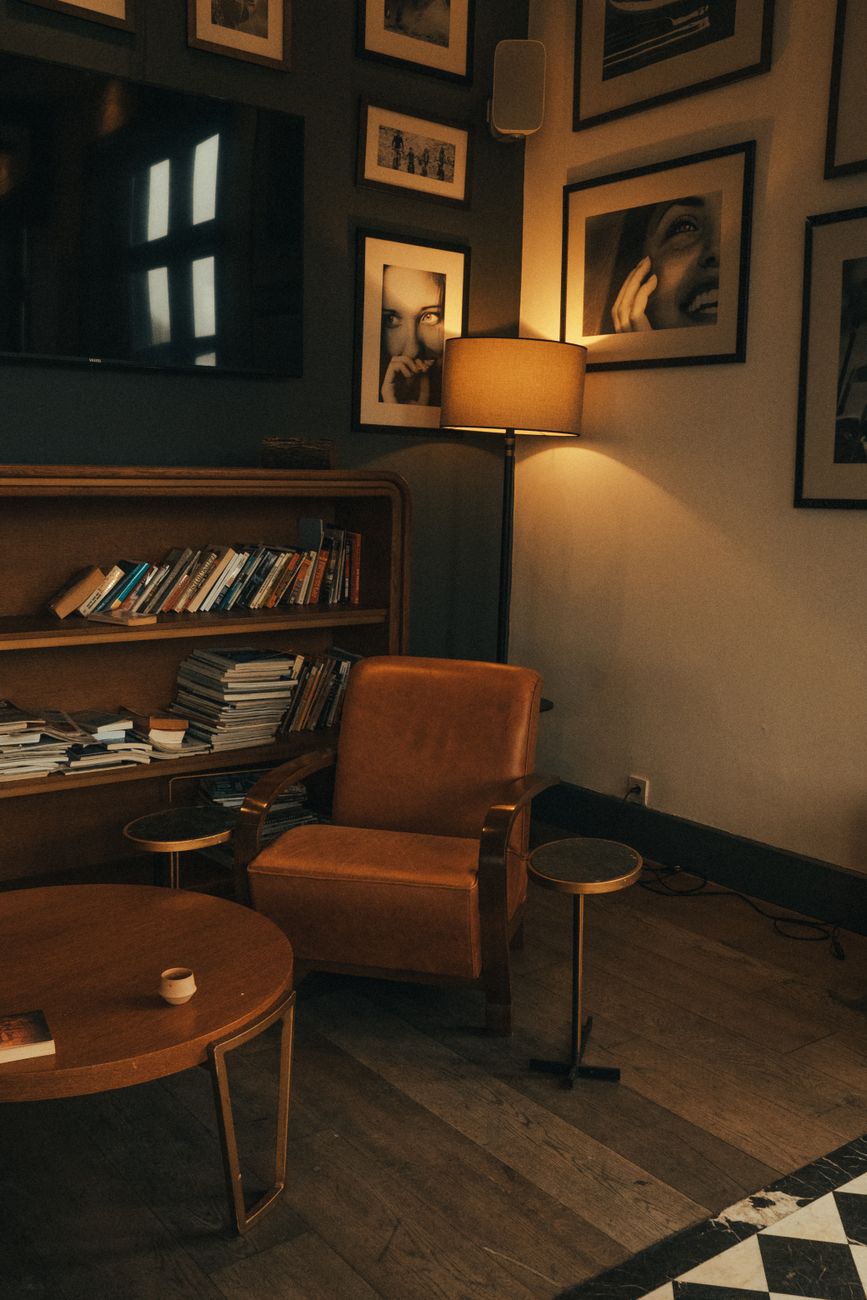
Which is why Homes To Love’s recent piece on analog living is more useful than the grim jargon in its headline. Lauren Li, the Melbourne designer behind Sisällä Interior Design, puts it in a sentence that is much better than the trend label.
A home shouldn’t feel like you’re operating a control centre. It should feel restorative.
I keep returning to that word because it explains why bookshelves, textiles, lower lighting and visible personal objects recur across all this coverage. They are not random micro-trends. They are ways of slowing the room down.
Some of these details will date. A curved sofa could. A wall-hanging craze will probably wobble. But a living room that lets the house exhale, with one lamp left on in the corner and enough texture to catch the afternoon light, is unlikely to look embarrassing next winter.
Yes, the sceptic is partly right. You can overdo it. You can mistake collecting for piling. You can buy an old cabinet that arrived last week in flatpack disguise and start congratulating yourself on patina. The good version of this shift is edited. It understands scale. It leaves air around the things that matter.
Back in that Marrickville room, the easiest detail to borrow was also the least dramatic. There were no matching side tables. Just one decent lamp, one stack of novels, one chair pulled slightly off axis, as if conversation might happen there rather than content. That is why I do not think the 2026 living room story is really about trends. It is about recovering the pleasure of a room that already looks like life is happening inside it.

The Lifestyle Desires brief
Style, food, travel and wellbeing — weekly in your inbox.
Subscribe