What free petrol says about dating now
Dating costs in 2026 now stretch from petrol to the dinner bill, turning romance into a budget decision before anyone even leaves home.
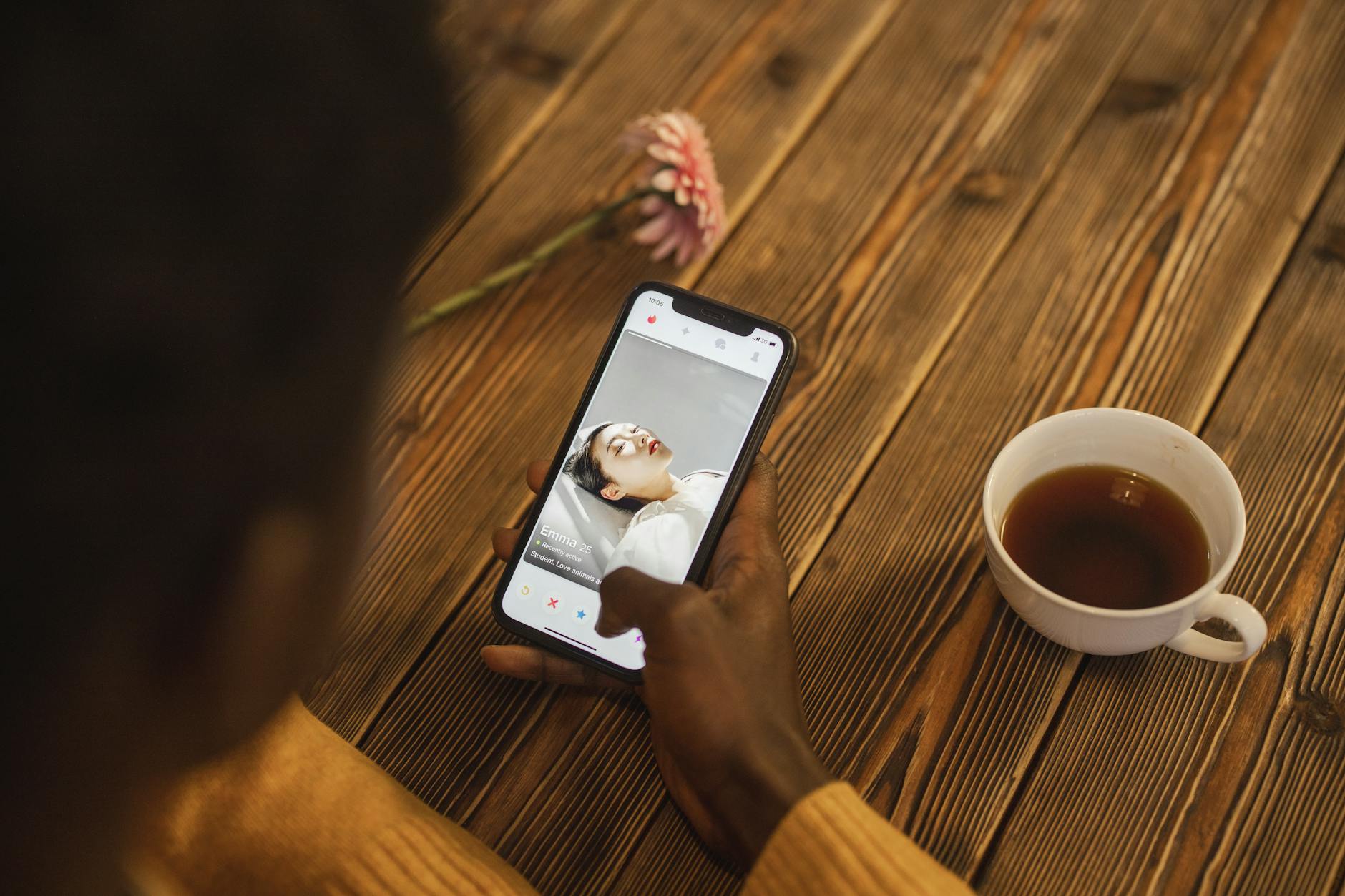
The bleakest romantic image I have seen this week is not a tragic dating profile or a bouquet bought in panic on the way to dinner. It is a dating app offering to pay for your petrol. BLK, an app for Black singles, is giving away ten US$500 gas gift cards in the hope that a full tank might coax people out of the house and onto an actual date. Nobody confuses unleaded with seduction. Which is why the offer sticks in the mind.
A free tank only sounds sensible in a culture where the pre-date arithmetic has started to feel faintly humiliating. Before anyone orders a drink, there is the drive across town, the parking, the little negotiation over whether this is a quick coffee or a whole evening, and the private hope that the bill will not turn an ordinary Wednesday into an act of financial self-sabotage. Romance used to arrive dressed as spontaneity. Now it shows up with a calculator in its bag.
Seen from the app side, the stunt is a marketing gambit. Seen from the analyst’s desk, it is a bright, slightly depressing clue in a larger story about leisure being repriced. BMO’s Real Financial Progress Index found the average all-in date spend has reached US$189, up 12.5 per cent year on year, while 77.6 per cent of respondents said financial anxiety shadows their dating lives. In CNBC’s follow-up reporting, singles described going out less, choosing cheaper plans or pausing dating for stretches altogether. So the obvious question more or less answers itself: people are trading down and, in plenty of cases, dating less as well.
The tank before the date
As giveaways go, petrol is revealing because it is not aspirational. Nobody fantasises about it. A free dinner can still be sold as a treat; a fuel card is just logistics, the blunt cost of getting your body from one suburb to another. That makes the offer feel oddly intimate. It admits that dating now starts before the first drink, at the servo, at the parking meter, at the moment you decide whether leaving home is worth the outlay.
As Amber Cooper, BLK’s head of brand, put it in WIRED’s reporting, the app is responding to a very literal mood:
“Dating should not have to compete with the price of a full tank.”
— Amber Cooper, WIRED
Absurd at first, that line lands once you remember what AAA said about gas prices heading into Memorial Day: they have climbed to a four-year high. BLK did not pick petrol because petrol is romantic. It picked petrol because petrol sits at the very front of the chain. If you cannot afford the getting-there part, the flirtation never gets the chance to become anything else.
What gets me is how neatly the gift card turns courtship into infrastructure. A date is no longer just chemistry, effort, timing or luck. Admin, mostly. Then the route. Then whether you can justify the round trip if the person across from you is lovely but not quite lovely enough. I keep thinking the giveaway is less about generosity than permission: here, take this, now you may resume having a social life.
The first thing to go
Ask people what makes dating expensive and they rarely mean candlelight and oysters. They mean the outer ring of costs that gather around a simple plan: transport, drinks, the second venue you feel compelled to suggest so the evening does not look stingy, the outfit bought because the old one suddenly feels tired. Money pressure rarely arrives as one spectacular number. It comes as a string of small decisions that leave you feeling watched by your own bank account.

More than the stunt, the BMO data matters. Cost is not just a complaint here; it is a behaviour change. In BMO’s survey, 86 per cent of single Americans said inflation has forced them to reconsider how much they spend on dating. CNBC reported that many millennials now put the average date closer to US$252. The numbers wobble depending on who is counting, but the pattern holds: fewer big nights, more careful selections, more triage.
Paul Dilda, BMO’s head of US consumer strategy, said the quiet part out loud in the bank’s own write-up:
“With spending on dating outpacing inflation, singles can feel priced out of love.”
— Paul Dilda, BMO
I keep snagging on that phrase: priced out of love. Melodramatic, yes, but also true. Not true in the strict sense that affection itself has a cover charge. True in the way a whole social ritual starts shrinking to fit a budget. The dinner reservation becomes one drink. The one drink becomes a coffee. The coffee becomes a walk. The walk becomes a few voice notes and a vague promise to find a better week. Sometimes that is maturity. Sometimes it is just a recession of effort.
Elsewhere, the same mood shows up too. In BBC Travel’s piece on the calculated traveller, Americans described making smaller, more tactical leisure choices everywhere else in their lives. Dating is not the same thing as holidays, obviously, but the thriftier mindset follows people from the airport to the bar stool. When every outing has to clear a higher bar of value, romance gets dragged into the same equation as weekends away, concert tickets and dinners with friends.
The old script, with a surcharge
Mostly, money stress exposes how flimsy our old dating scripts were to begin with. For years we pretended the first-date bill was an innocent detail, even though it has always carried a weird cargo of gender expectation, class signalling and self-worth. When people are flush, those tensions can hide behind performance. When cash feels tight, the performance gets harder to sustain. A cheaper date does not remove the pressure. It shifts the pressure somewhere else.

Here the sceptic’s reading helps. Not every complaint about cost is really about cost. Some of it is about what the bill gets made to symbolise: seriousness, generosity, competence, interest, a willingness to be seen as trying. CNBC’s reporting caught the way social media spiralled around date-flation, which is a silly word for a real discomfort. People were not just comparing prices. They were arguing about whether cheaper plans look thoughtful or cheap, practical or unromantic, feminist or failing.
Sabrina Romanoff, the clinical psychologist quoted by CNBC, put the emotional version of the problem more neatly than most economists could:
“We’re really watching love shrink to fit people’s budget.”
— Sabrina Romanoff, CNBC
I keep circling one line. Love shrinking to fit a budget. Not dying, not vanishing, just being resized. It helps explain why the free-petrol gimmick feels larger than it is. The giveaway is tiny. Ten gift cards will not repair anyone’s romantic life. But it does acknowledge the new pressure point. People are not only asking, “Do I like this person?” They are also asking, “Can I afford the version of myself that dating seems to require?”
Part of me wants to romanticise the correction, to say perhaps this is healthy, perhaps it clears away the expensive nonsense and leaves only the real stuff. Maybe. I am not wholly convinced. Prudence can be clarifying, but it can also make people guarded, scorekeeping, a bit embarrassed about wanting anything at all. Money talk has a way of smuggling in harder feelings about class, ambition and what sort of future feels reachable. A cheaper date may lower one form of anxiety while raising another.
When staying in becomes the plan
Then there is the practical question: what fills the gap after the splashier version of dating is cut back? If the old script was dinner, drinks, rideshare, maybe a second bar, the new one looks plainer and more local. Coffee and a walk. One drink near home. A museum on the free day. Pasta cooked in somebody’s flat, which can read as intimacy or cost control depending on your mood and how well you know them. The budget date is no longer a niche idea. It is becoming the main form.

For the apps, that shift matters even if this piece is not really about app strategy. Semafor’s reporting on Match Group suggests the big platforms already understand that they are dealing with a more nervous user: someone worried about privacy, money, disappointment and wasted effort. The industry’s job is no longer just to help people match. It is to persuade them that going out still feels worth the spend.
Users, though, may land somewhere less dramatic. What counts as a good date when the budget says stay home? The evidence in BMO’s survey, WIRED’s feature on BLK and the broader calculated-leisure mood traced by BBC Travel points towards a smaller, less theatrical ideal. Not no effort, just different effort. Less spectacle. More convenience. More noticing whether conversation still feels easy when there is nothing lavish to hide inside.
I do not think this is cause for total despair. Some of the happiest couples I know built their intimacy in cheap increments: supermarket dinners, long walks, badly made cocktails in someone’s kitchen, the sort of night that would never be used in a perfume ad. But there is a difference between choosing that because it suits you and backing into it because every other option feels fiscally irresponsible. One is taste. The other is constraint.
Maybe that is why BLK’s giveaway lingers in the mind after the PR novelty wears off. It is a small corporate stunt, yes. It is also an uncommonly honest symbol. What the app is subsidising is not romance itself, and certainly not love. It is the threshold. The bit before desire gets to become a plan. The drive, the cost, the little leap out the front door. And that, more than the gift card figure, tells you what dating feels like now: not impossible, not joyless, but expensive enough that even hope sometimes wants help with fuel.

The Lifestyle Desires brief
Style, food, travel and wellbeing — weekly in your inbox.
Subscribe