What canned wine is asking drinking culture to admit
Canned wine is moving from novelty to habit, pushed by lighter drinking, picnic logic and a slow collapse in old bottle-bound snobbery.
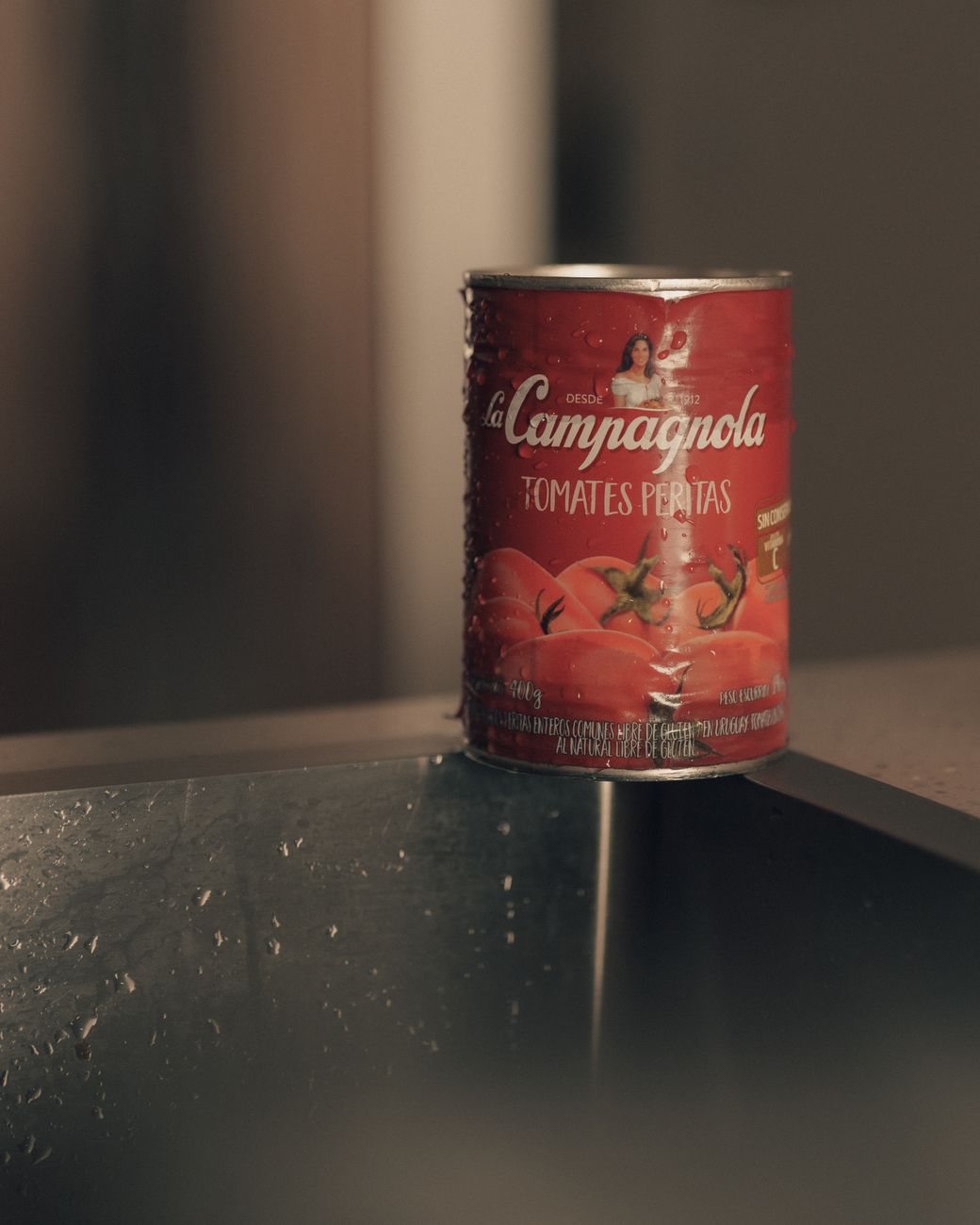
The old embarrassment of canned wine was never really about flavour. Being seen was the problem. You turned up to the park with a chilled tin in your tote and, if you were of a certain age, either decanted it into a paper cup or cracked a joke before anyone else could. That joke did half the social work. It told the table you understood the hierarchy. Proper wine arrived in glass. This was only for convenience.
I have watched that reflex hang on longer than it deserves. Around restaurants, and in the home version of restaurant culture we drag to beaches, picnics and borrowed holiday houses, the bottle has long stood in for seriousness. Glass said you planned the afternoon. It said the drink mattered. A can suggested expedience: festival booze, train booze, something you drank while waiting for the real thing.
Meanwhile, the people who want one glass on a Tuesday, or something cold in a cooler bag that will not clatter against the nectarines, are starting to ignore the old script. ABC Health’s recent reporting on drinking less was not about canned wine at all, yet its logic fits the format perfectly: buy what you mean to drink, not what tradition tells you to open. For me, that is the user-affected case, and probably the most persuasive one. Canned wine asks us to admit that a lot of drinking culture has been built around display, surplus and a curious fear of practicality.
Sceptics still hear metal. Mention canned rosé in the wrong company and somebody will perform the old wince: surely it tastes of the vessel, surely it goes flat, surely it is for people who do not care. Those objections landed harder when canned wine was a novelty category with dodgy liquids and louder branding. By 2026 they sound less like tasting notes than status habits.
The thing it solves
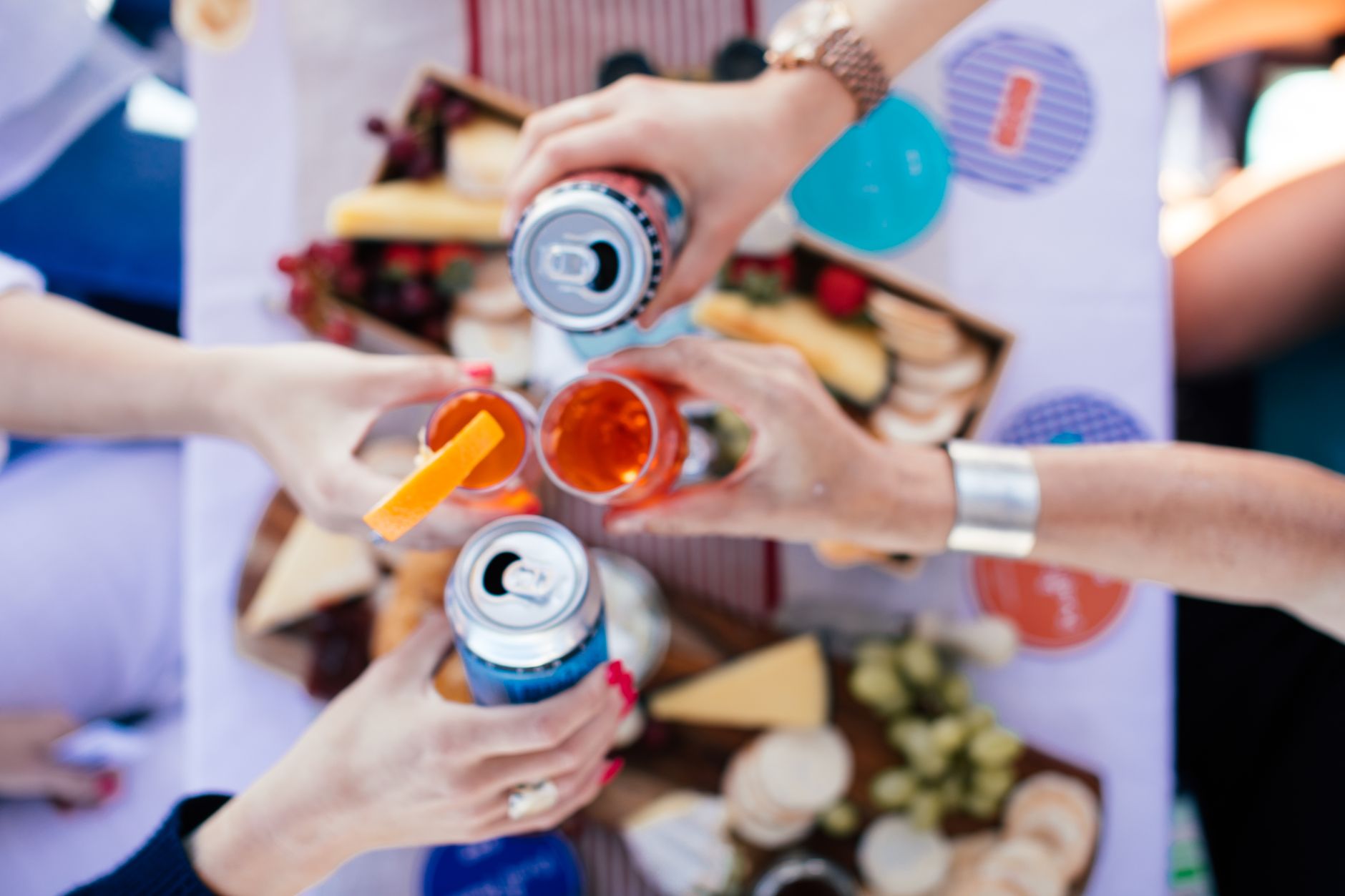
What it does best is ordinary. The can travels better. Chills faster. Survives a picnic, a festival, an airport-adjacent weekend, or just an evening when two people want different things and neither feels like committing to 750ml. The Guardian’s recent feature on canned wine’s move beyond Gen Z novelty caught that mood, right down to the way the category now belongs as much to harried adults and casual hosts as to younger drinkers. An Ocado survey cited there found 53 per cent of Gen Z respondents said social media had directly influenced them to try boxed or canned wine. The number matters less as a youth-trend trophy than as proof that the embarrassment phase is ending in public.

For producers, the problem is tone. The temptation is to sell cans as an ethical upgrade, because aluminium is portable and recyclable and climate language flatters a purchase. Ben Franks, the CEO of Canned Wine Group, thinks that pitch can miss the actual pleasure of the thing. He put it bluntly in his conversation with The Grocer:
“Some of the [alternative] format wine businesses forget why people enjoy wine.”
Ben Franks, CEO, Canned Wine Group
That line lands because nobody wants to be sold a sermon in place of a drink. A category looks healthier when it behaves like wine rather than a TED Talk about packaging. Even the examples that now circulate with some confidence, from The Uncommon English White Wine to Vinca White Wine, present themselves less as cheeky hacks than as proper, single-serve pours for people with decent taste and limited patience.
Retail data, imperfect as it always is, suggests shoppers recognise the distinction. In Waitrose’s summer sales snapshot, canned sparkling wine was up more than 70 per cent year on year and canned rosé rose 23 per cent. Sarah Holland, the supermarket’s ready-to-drink buyer, described the mood in the language of everyday logistics, not revolution:
“We’re seeing a huge trend of customers picking up canned cocktails for that ultimate summer convenience.”
Sarah Holland, ready-to-drink buyer, Waitrose
Convenience can be an ugly word in food and drink writing. It sounds like surrender. Adults also use it for the choices that let a weeknight proceed without extra admin. If the bottle has historically represented aspiration, the can is closer to self-knowledge. Maybe you want one cold glass on a balcony and then to move on with your evening.
The snobbery is older than the metal
The argument against canned wine usually returns to quality. Fair enough. Packaging changes flavour over time. Heat is real. Storage matters. Much of the panic, though, comes from confusing two different categories of wine: the bottle you cellar, and the wine you want fresh, bright and gone by sunset. Those are not the same thing, and pretending they are has always been one of wine culture’s more exhausting habits.

Serious bottle-ageing has its own equipment, and its own little liturgies. Wirecutter’s latest guide to wine fridges is basically a manual for long-horizon devotion: temperature control, bottle counts, the rituals of keeping. Canned wine is not trying to win that argument. It has wandered into a different one. It is for the bottle you were never going to cellar anyway, the porch white, the chilled red, the orange wine you opened because two people were curious and one of them had an early start.
Science has started to catch up with that common-sense distinction. Reporting in C&EN on an ACS study of muscadine wine in cans and bottles, Katherine Thompson-Witrick was nicely dry about what mattered most: if it is a young-drinking wine, “that is, you’re not going to age it.” Over six months, anthocyanin levels in the study fell by 54 per cent, yet the colour differences were still imperceptible to the human eye. The sceptic’s question gets a partial answer there. Yes, chemistry changes. No, that does not automatically make the can a quality failure for the sort of wines most people take to a picnic or open alone after work.
“that is, you’re not going to age it.”
Katherine Thompson-Witrick, via C&EN
Packaging gives the game away too. Canned Wine Co Oak-Aged Garnacha 2022 is not dressed like a joke. Neither is Mad Med L’Orange. The visual language has matured. Less neon dare, more small-format seriousness. Not every can deserves respect. Plenty do not. The point is narrower: the old metallic-taste objection is now often covering a different discomfort, because a ritual people once used to display knowledge has been made portable and proportionate.
Occasion, not revolution
Analysts have the cooler question: is canned wine actually taking share, or is it simply finding the occasions where the bottle was always a bad fit? From the available numbers, the answer looks like the latter with a chance of becoming the former. WSWA/SipSource data from the first quarter of 2026 showed wine-based RTDs up 14 per cent even as the wider wine and spirits market remained under pressure. Momentum, yes. A coronation, no. It suggests migration between situations more than a clean overthrow of the bottle.

That distinction matters. Canned wine is not replacing the bottle at a long dinner where the opening and pouring are part of the theatre. It is replacing the abandoned half-bottle in the fridge door. The beer somebody bought because wine felt too cumbersome for a train picnic. The extra glass you did not really want but felt obliged to finish because the cork was already out. Even the social-media energy around cans points less to pure trend hunger than to a desire for permission: drink less, carry less, stop treating every sip like a ceremony that needs staging.
Here in Australia, where the broader wine story is hardly carefree, that adaptability looks timely rather than trivial. ABC’s report on the National Vintage Report 2026 described the country’s wine grape crush falling to its lowest level in more than a quarter of a century. That is a production story, not a canned-wine story, but the mood around the industry is the same one you can feel at table: less excess, more scrutiny, fewer assumptions that bigger is automatically better. A can fits that atmosphere because it is honest about scale.
Leisure has changed as well. Gourmet Traveller’s recent look at Pair’d Margaret River Region 2026 is full of the old, lovely wine fantasy of landscape, event and appetite. We still want that. Of course we do. More of our real drinking, though, happens between bigger plans, on park benches, before concerts, at rental tables, after work, in a sliver of sun. The can is not beating the bottle because it is more romantic. It is beating it in the hours when romance is too cumbersome.
What the bottle still gets to keep
None of this means the bottle is finished, nor should it be. Some wines deserve air, time and the minor theatre of a table opening. Certain occasions are built from that theatre. A dinner party with strangers, a birthday in a noisy restaurant, the first good bottle on a winter weekend away, these still want glass because the ritual is part of the pleasure. I would be suspicious of anyone who pretended otherwise. Food culture gets dreary when it mistakes pragmatism for purity.
What canned wine threatens is not wine itself. It threatens the vanity that attached seriousness to inconvenience. It makes it harder to pretend that heft, surplus and mild awkwardness are necessary markers of taste. If somebody turns up with a well-chilled can now, they may simply be the person who has understood the assignment better than the rest of us: bring enough, carry it easily, drink it while it is bright, and do not mistake ceremony for discernment.
That, I think, is what canned wine is really asking drinking culture to admit. Most of us do not need a full bottle most of the time. Most of us are not cellaring anything. We want the nice glass, the cold pour, the decent label, the feeling of adult pleasure, without the waste or the performance. The can is not a downgrade from that fantasy. It is what the fantasy looks like once you strip out the bluff.

The Lifestyle Desires brief
Style, food, travel and wellbeing — weekly in your inbox.
Subscribe