The prickly plant changing Australia's pour
Australian agave spirits are moving from curiosity to regional ambition, as growers, distillers and bars turn a spiky crop into a local pour.
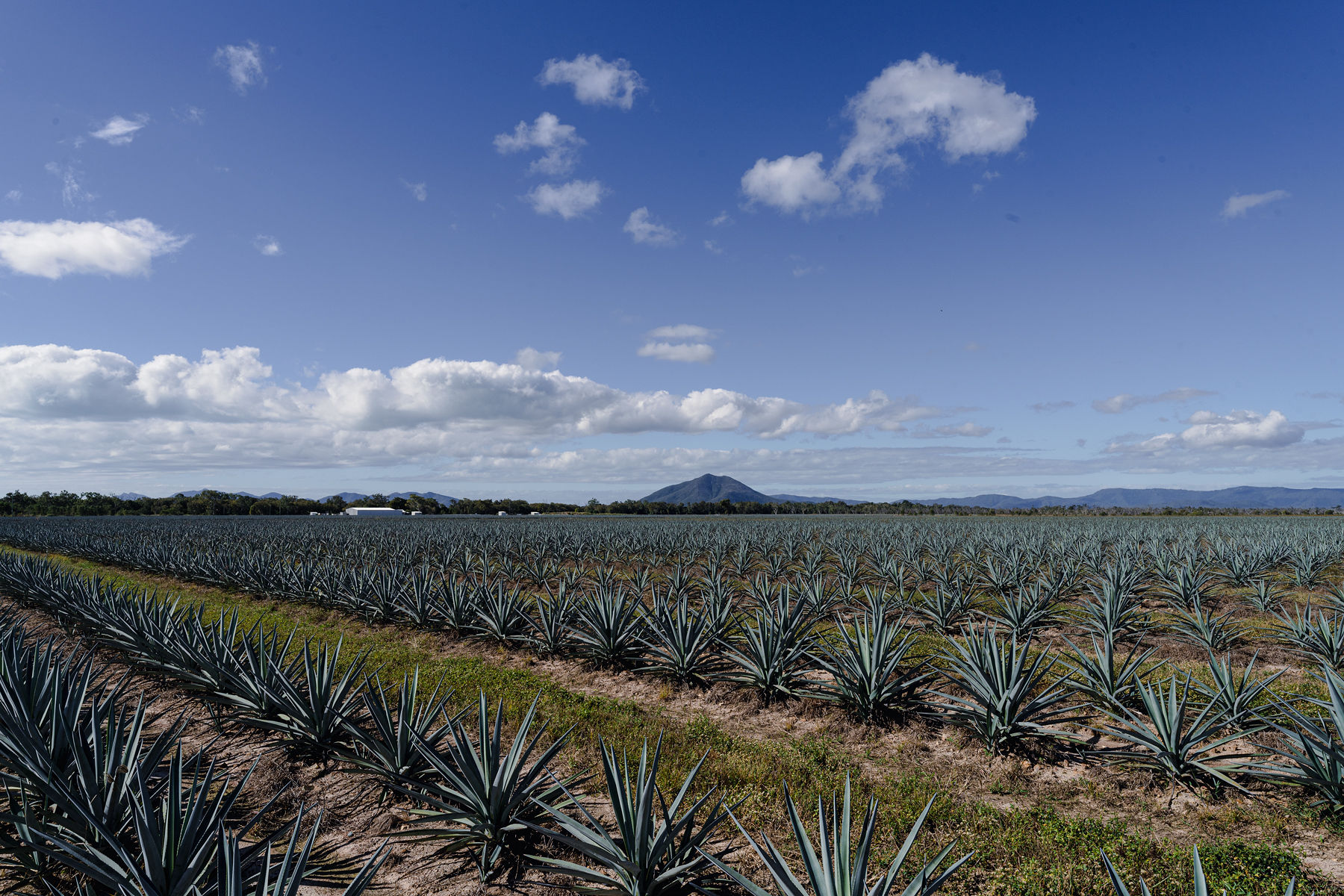
Australian drinks stories usually start in a vineyard or behind a bar. Agave turns up from somewhere harsher. Blue-green blades, hard heat, a shape that still looks slightly improbable in Australian dirt. That strangeness is part of the draw. For a plant so closely tied to Mexico, it is asking a very Australian question now: what do you grow, and what do you pour, when the old assumptions about climate and taste no longer feel especially sturdy?
Right now, the agave moment feels bigger than farming curiosity. In ABC News’s recent feature on the emerging local industry, the scale already feels serious: 500,000 plants at one Queensland operation, South Australian experimentation in the background, distillers trying to work out what local agave spirit might taste like once it stops being explained as an Australian answer to something else. I keep coming back to the same thought. Australia does not need to mimic tequila culture for this to matter. What interests me is whether agave can give Australian drinks culture a new accent.
From inside the trade, the case is easy enough to grasp. Growers and distillers can see demand moving before the average drinker does, and they can feel the market tugging at them week by week. Still, the sceptic’s objection matters, and it should arrive early: Australia cannot call this tequila under the spirit’s denomination rules, and it should stop pretending otherwise. The category comes with centuries of place, law and ritual attached.
For the local version, that limitation might be the best thing going. Once you accept that Australian agave spirit will not win by cosplay, the story gets better. It turns into a story about labour, regional reinvention, menu language, and the chance that a plant built for hard conditions might change what an Australian drinks region thinks it is for.
The plant is not a gimmick
What slows agave down first is time. A restaurant can decide it loves a flavour and put it on the specials board tomorrow. A crop does not move like that. The ABC reporting notes a maturity window of 10 to 30 years, which is a deeply unfashionable timeframe in an era of instant launches and tidy trend forecasts. Before anyone gets to romanticise the bottle, someone has to live with the plant’s pace.

Pace is only half the problem. The other half is brute physicality. Brett Smail, the farm manager at Eden Lassie, described the place with the kind of understatement only somebody surrounded by spikes can get away with.
“We’re affectionately known as the prickle farm to the locals, so they are very dangerous.”
— Brett Smail, ABC News
You can hear, in that line alone, why the romantic version of this story is not enough. Agave is not a neat little lifestyle prop. It cuts workers, slows harvests and resists mechanisation. Earlier ABC reporting from 2023 made the same point in a different register: even when the first public tastings started to generate excitement, the real challenge remained harvesting at scale without turning the work into punishment.
Then there is the nursery problem. It is the kind of detail food people love because it sounds nerdy until it starts sounding decisive. Nursery stock is scarce. One grower in the ABC piece is cultivating 35 species and sub-species to work out what actually suits Australian conditions. That is not brand theatre. It is the slow biological editing required before the category can pretend it has depth. A local spirit culture is never just fermented ambition. It is propagation, trial and error, and an exhausting number of seasons.
Not tequila, and that is the relief
For me, the local agave story gets more compelling the moment it stops reaching for borrowed prestige. The Consejo Regulador del Tequila’s appellation rules are clear enough, and the broader global conversation has been clear for a while too. As BBC News reported in its earlier look at Australian growers, overseas producers moving into agave are stepping into a category with powerful cultural guardrails. Read like a trade dispute, that tension can sound limiting. Read like a drinks story, it is also a creative brief.
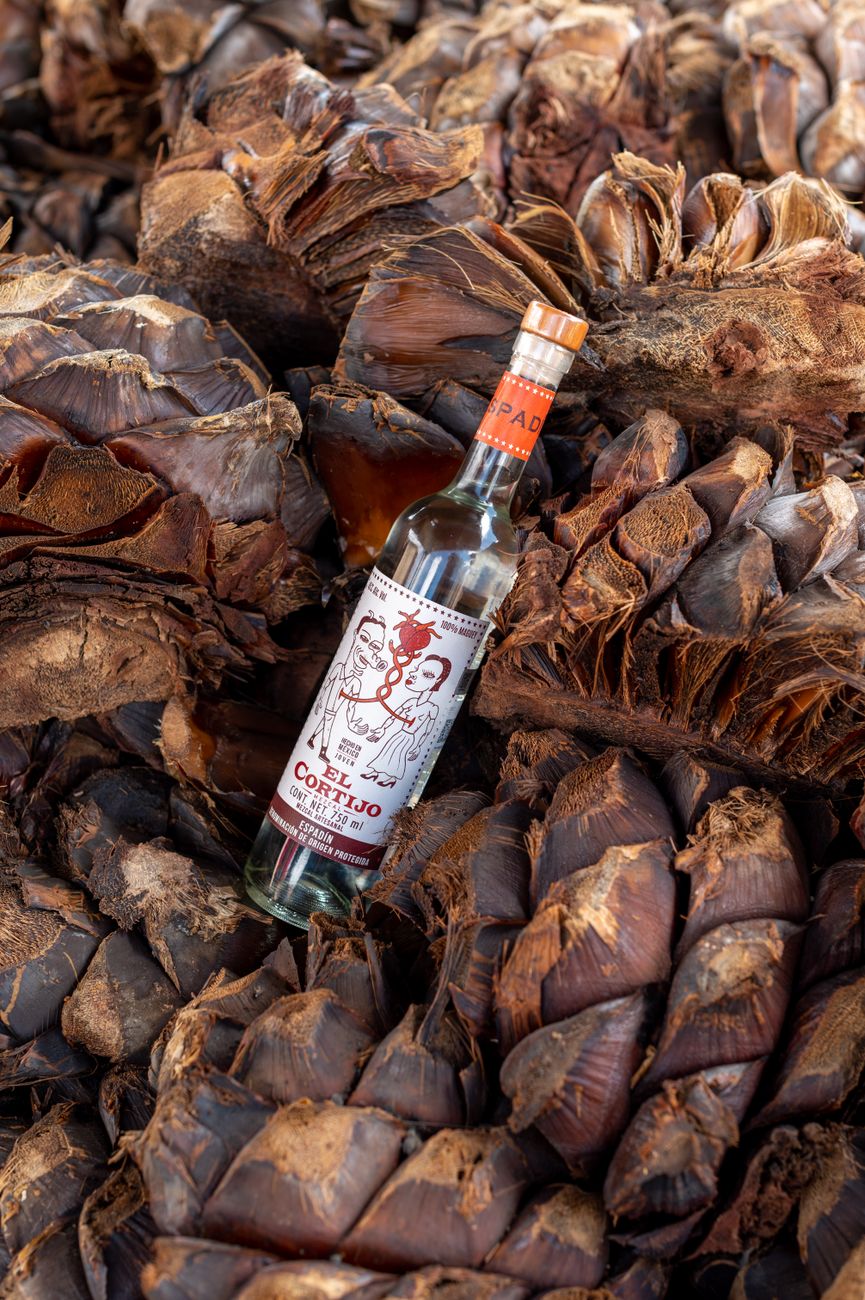
So what is it, then? An Australian spirit that happens to begin with agave, and that distinction matters. Distillers can think less about imitation and more about house style, local maturation, regional water, barrel choices and the kind of hospitality culture the bottle enters once it leaves the still. I am less interested in whether a local producer can perfectly echo Jalisco than in whether an Australian maker can produce something delicious, recognisable and honest about where it comes from.
Culture shifts here too. In the ABC piece, Matt Harrison pushes back against the old shot-glass cliché and argues for a slower read of the spirit.
“I find it good that we can show people you can sip it like a whiskey. It’s complex. It’s cool.”
— Matt Harrison, ABC News
To me, that is where the category starts to feel culturally real. Once agave leaves the novelty lane and enters the sipping lane, bars and diners begin doing the quiet educational work that whole industries depend on. A spirit becomes legible because someone places it in the right glass, at the right pace, with the right sentence attached.
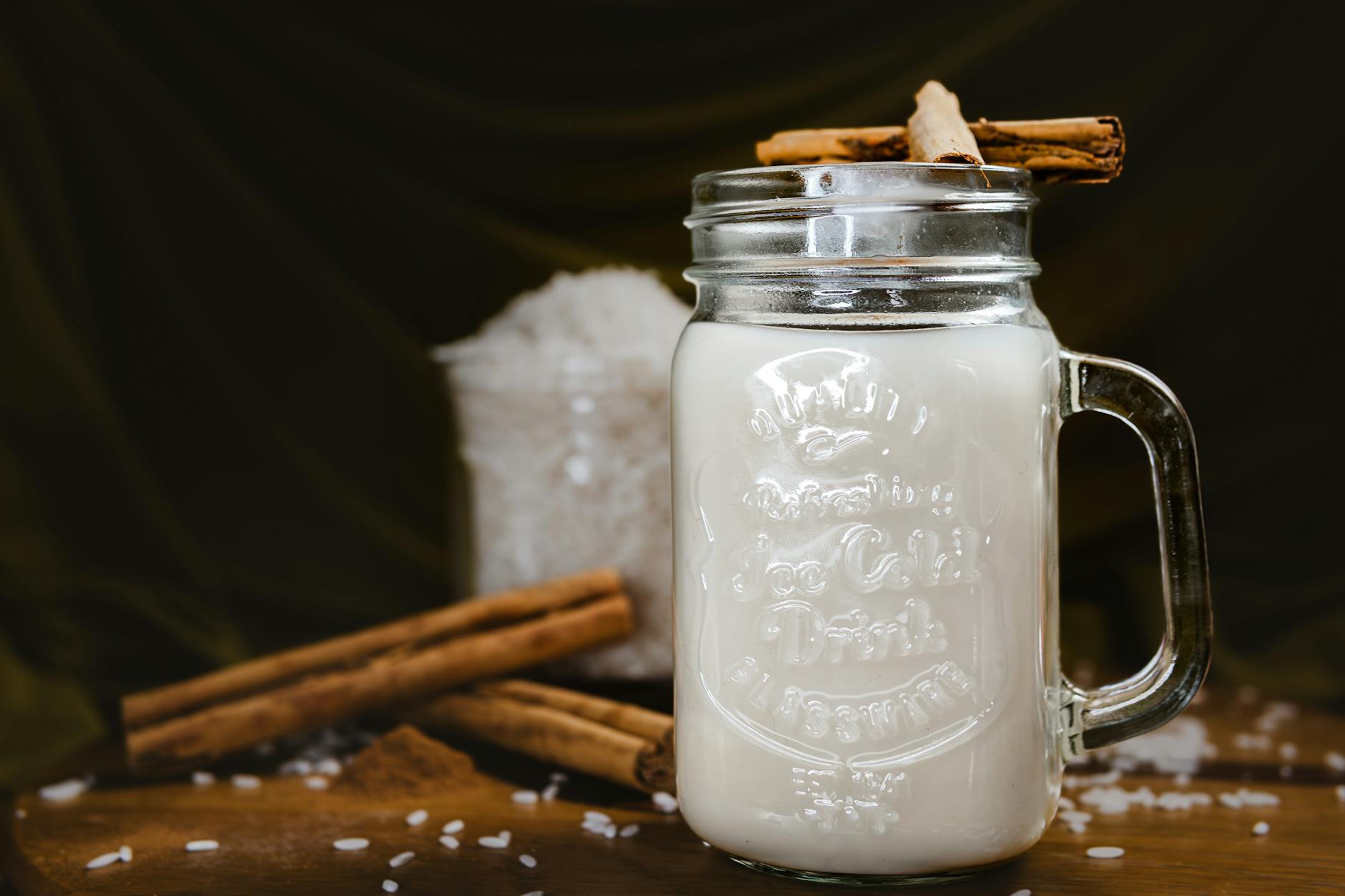
Around it, food culture is already making room for that sentence. Gourmet Traveller’s recent survey of Melbourne openings casually folded a tequila-led Rosita into its broader restaurant language, which is usually a sign that something has moved out of niche obsession and into ordinary menu fluency. The Guardian’s recent piece on horchata made a similar point from the other direction, treating agave-adjacent flavours as part of a wider hospitality mood rather than an exotic one-off. The supply chain is not just farms and distilleries. It is bartenders teaching your mouth what to expect.
A climate story disguised as a spirits story
One question keeps nagging at me: is agave really a useful climate crop, or is everyone simply projecting too much onto a photogenic succulent? There is a version of this story that collapses into wishful thinking very quickly. Australia loves a miracle-crop fantasy almost as much as it loves a miracle-diet one. Agave does not deserve that kind of lazy optimism.
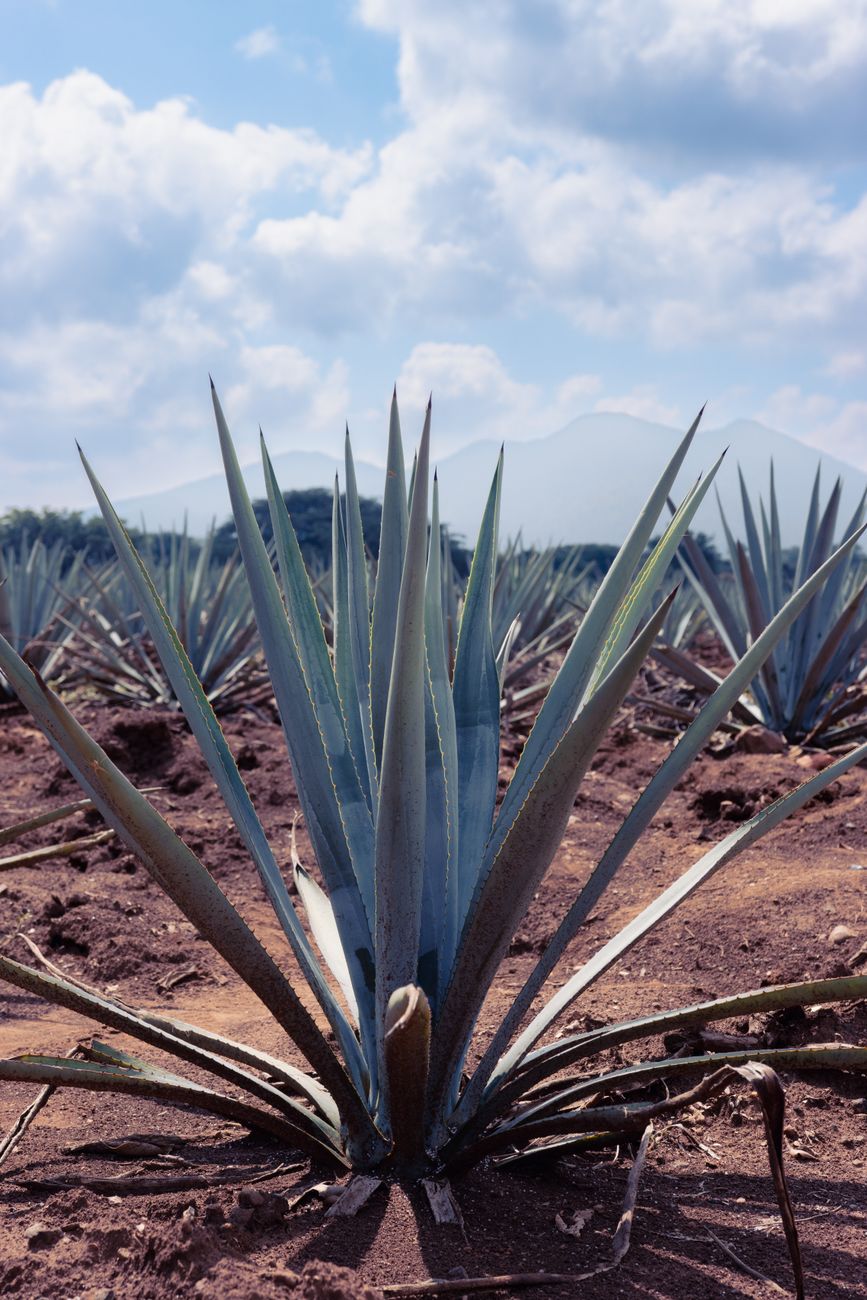
Even so, the evidence is strong enough to take the climate argument seriously without turning it into gospel. In the ABC report, Adelaide University plant scientist Rachel Burton frames agave as more than a spirits input, suggesting its future may stretch into biofuels and other uses. The most useful corrective comes from the 2020 Journal of Cleaner Production paper on agave as a feedstock, which used Queensland field data and found the plant could outperform corn and often sugarcane on some water-related and greenhouse measures while remaining viable on semi-arid land not suited to food crops.
None of that means agave will save regional Australia. It does partly answer the analyst’s concern. The plant seems plausible not because it is fashionable, but because it may offer a second or third use case in places where conventional cropping decisions are becoming shakier. The user-affected perspective in this story, especially wine growers or regional producers looking for diversification under heat pressure, is not theoretical. It is economic self-defence with a horticultural accent.
Meanwhile, ABC’s 2024 reporting on locally produced agave spirit reaching the domestic market made that diversification logic feel concrete rather than speculative. The point was not simply that a new bottle existed. It was that Australian regions were beginning to imagine a different agricultural future around it. I do not think that future is tidy. Mechanisation still needs work. Nursery stock is still thin. The hype could easily outrun the harvest. But climate adaptation rarely arrives in a glamorous shape. Sometimes it looks like a field of sharp leaves and a very long wait.
The bars will decide whether it sticks
Strip away the farming complexity and this may finally be a hospitality story. Crops can be promising for years and still fail to become part of ordinary life. Drinks become real when they move from explanation to habit, from industry chatter to the point where somebody orders one before dinner without feeling they are auditioning for a personality. That transition is not made in policy papers. It is made in bars, on back labels, and in the tone staff use when they describe a pour.

Which is why Mick Spencer’s line in the ABC piece sounds so telling. It is not the language of a niche evangelist trying to win one account at a time. It is the language of somebody fielding early-stage category demand.
“There’s a lot of people starting agave brands in Australia wanting access. I’m getting five to ten inquiries a week.”
— Mick Spencer, ABC News
Five to ten inquiries a week is not mass adoption, but it does suggest the idea has escaped the novelty shelf. Once new brands begin calling around, the category starts generating its own social life: launch nights, menu placements, tasting notes, bartender preferences, regional pride. Lifestyle writing tends to notice that shift earlier than harder business coverage does. A drinks story changes when the glassware changes, when the language on menus relaxes, when a category stops needing scare quotes.
I keep coming back to the fact that agave seems to be teaching Australian drinks culture two things at once. First, climate pressure will keep rewriting what regional production looks like. Second, not every imported influence has to end in mimicry. Sometimes the more interesting outcome is local translation. The plant stays spiky. The legal boundaries stay firm. Mexico keeps the names that belong to Mexico. But an Australian version of the story, sun-struck, patient, a little awkward and increasingly ambitious, starts to taste like its own thing.

The Lifestyle Desires brief
Style, food, travel and wellbeing — weekly in your inbox.
Subscribe