The cold can has become our clean little vice
Sparkling water now feels like the cleaner little vice of 2026: fizzy, flavoured and just indulgent enough for the after-work bench.
I heard the can before I really noticed the drink. At the kitchen bench, the aluminium gave that small crack and hiss that makes everyone in the room look up for half a second, as if something more interesting than water has arrived. It was a Tuesday, not yet six, and I had come home with no appetite for wine and no patience for tap water. Inside the fridge sat a cold can of flavoured sparkling water. Pink rhubarb, in this case. Ridiculous and perfect.
The trick is embarrassingly simple. Sparkling water has stopped behaving like the apologetic option at the table. It is no longer just the thing you order when you are driving, dieting or trying to make peace with a hangover. The newer wave of flavoured fizz is being sold as a tiny adult ceremony: clean enough for the wellness shelf, playful enough for the person who still wants the sound of a drink being opened.
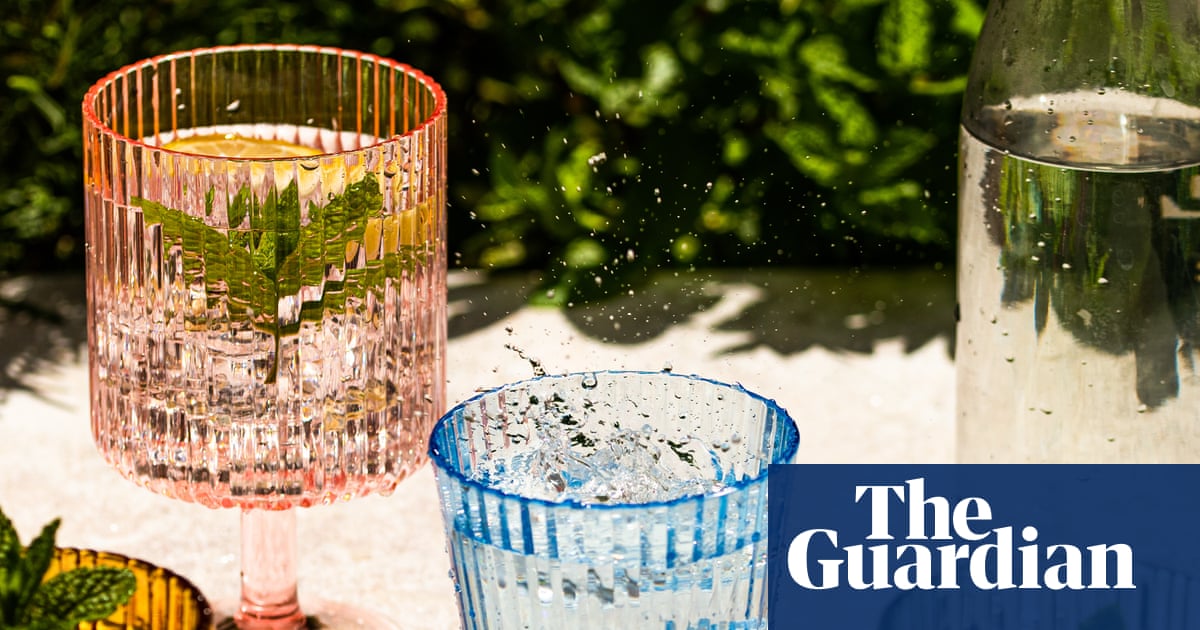
Jesse Jenkins, the chef and author behind Yew, made the clearest case for it in The Guardian’s recent tasting of flavoured sparkling waters. The drinks work, in his telling, because they give plain water a little licence to be silly.
“They make water a fun drink.”
Jesse Jenkins, The Guardian
I might be too susceptible to that sort of permission. Plenty of us are. Between 2013 and 2018, the American sparkling-water market doubled, according to the same Guardian piece, and the new cans look less like diet culture than the front row of a colour-coded pantry. Dash Water talks in wonky fruit. Yew Pink Rhubarb sounds like something a bartender would make with a bar spoon and a slightly punishing expression. Maison Perrier Forever Lime has the grand confidence of a perfume counter.
The can does half the talking
Sparkling water’s first lie is that it is about thirst. Thirst is what you solve at the sink. This is about a pause, and about the particular glamour of saying no without feeling deprived. No sugar or booze. No sticky soft-drink film on the teeth. Still a cold can in the hand.
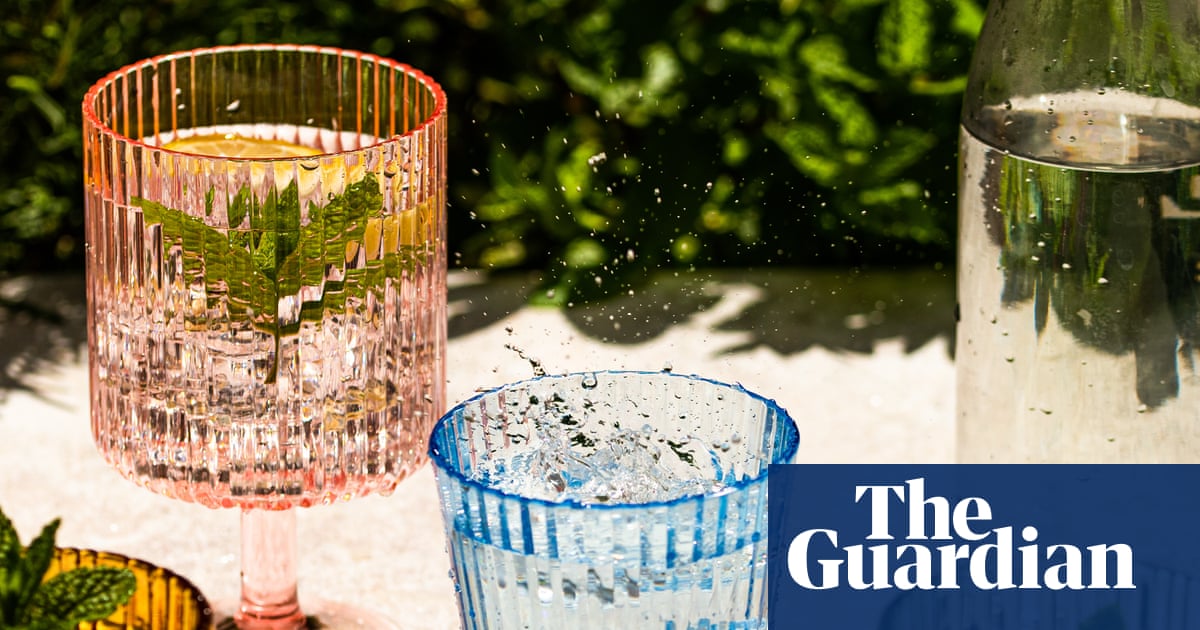
Around here, the category stops being a beverage story and turns into a mood board. Brands know they are decorating water. That sounds damning until you remember how much adult life is decoration: the heavy glass for supermarket olives, the candle lit while answering email, the good butter dish for butter that came wrapped in foil. A can of blood orange and mango fizz is not changing anyone’s life. It is making the ordinary hour feel fractionally less grim.
Market language is more polished than the liquid. IndexBox’s forecast for the category points to growth through functional benefits and premiumisation, which is a fairly joyless way of describing what happens when water learns to dress well. Premiumisation, in this aisle, means flavour names that sound like hotel soaps, cans you do not mind leaving on the table, and a health halo broad enough to cover several conflicting appetites.
Something funny happens in the adult taste for this. Children want cordial because it is sweet. We want sparkling water because it gives us the theatre of a drink while insisting we have not really had one. Call it restraint with bubbles on top.
The soft drink without the soft-drink shame
Fizzy water used to feel austere. A green bottle at a restaurant. A wedge of lime if the waiter was feeling generous. Then LaCroix helped make cans of flavoured seltzer feel like a personality, and the habit slipped out of the health-food shop and into the office fridge. What feels different now is not simply the number of flavours. It is the way they are being asked to stand in for other pleasures.

Alcohol is the obvious ghost at the table. In San Francisco, bar operator Greg Lindgren told Business Insider that the business now has to think less about whether someone orders booze and more about whether the room still works as a social place. His question was almost existential for a bar: did everyone get together, whether the glass held sparkling water or an old-fashioned?
“Did we have a great event? Did we get everyone together, whether they drank sparkling water or an old-fashioned?”
Greg Lindgren, Business Insider
That line lands because it names what the drink is borrowing. Sparkling water takes the gesture of the old-fashioned, not the alcohol. It sits at the same table. It gives your hand something cold to hold when everyone else is negotiating menus, nerves, gossip and the small performance of being out.
Similar pressure is showing up beyond bars. CNBC’s reporting on seltzer fatigue found that the drink market is splitting, with some consumers moving away from carbonation altogether while others chase a different kind of beverage polish. White Claw volumes were down 1.1% in the 52 weeks to 26 April 2026, while ready-to-drink cocktail volumes were up 46.4% in the same period, according to the CNBC piece. Fizz is not dead. It is being sorted into occasions.
Randy Burt, AlixPartners’ Americas director of consumer products, put the shift more bluntly.
“It’s a shift more to still, across both [alcohol] and non-alc.”
Randy Burt, CNBC
Burt’s point complicates the romance. If bubbles alone were enough, the category would not need so much packaging theatre. But the theatre is the product now. A can tells you this is not childish. The flavour tells you this is not plain. Absence of sugar and alcohol tells you this is not quite a vice. Then the hiss tells your body otherwise.
I do not quite trust the halo
A wellness halo around sparkling water makes me itchy. Not because the drink is especially sinister. Most of the time it is just carbonated water with a suggestion of fruit and a very confident font. Still, the language can get smug quickly. Clean. Better-for-you. Functional. As if every mouthful has to file a moral report.
The sceptic’s corner matters because sparkling water has become good at sounding virtuous without promising much. No added sugar is useful, sure. Unsweetened is useful. But it does not follow that every elegant can is a health act. Some people find fizz bloating. Dentists have long treated acidic drinks with a bit more caution than lifestyle copy does. Honestly, the category is not medicine. It is refreshment with better manners.
I keep thinking about the way adults smuggle pleasure back into things once the obvious pleasures become inconvenient. We swap the second glass of wine for a bitter non-alcoholic spritz. We buy chocolate with more cacao and less fun. We buy gym tights to wear while answering emails. Sparkling water fits that pattern neatly, though not cruelly. It lets us feel disciplined and indulged in the same sip.
That is why the specific flavours matter. Plain mineral water can be excellent, but it carries the personality of a hotel conference. Aqua Libra’s Blood Orange & Mango and Voss Sparkling Strawberry Ginger are not really asking to be assessed like water. They are asking to be read like minor moods. Tart. Pink. Grown-up, but only just.
The pleasure is small, which is the point
Bon Appétit’s 2026 testing of sparkling-water makers argues for the home version of the habit: once you have a machine, the drink becomes cheap, repeatable and faintly domestic. The review frames a soda maker as a way to keep a healthy LaCroix habit without hauling boxes of cans home. I understand the practicality. I also suspect the can is part of the spell.
A soda stream is sensible. A cold can is emotional. You choose it, carry it, crack it, finish it. A can imposes a beginning and an end. Beer understands this. Soft drink does too.
In The Atlantic’s recent analysis of canned cocktails, the argument took a darker turn: ready-to-drink cocktails have made stronger drinking portable, easy and already mixed. The piece noted 11 billion ready-to-drink cocktail servings in 2025, a number that makes the humble sparkling-water can look almost saintly by comparison. Yet both trends live in the same supermarket logic. Put the ritual in a can. Make the decision smaller. Let the packaging do the emotional labour.
Sparkling water benefits from arriving as the innocent cousin. It gives you the sensory cues without the cost. Cold metal against the palm, fizz against the tongue. A flavour that is more suggestion than dessert. It is not a martini, and it is not pretending to be one, but it has learned from the same theatre.
I do not think this makes sparkling water ridiculous. I think it makes it very contemporary. Our vices have become negotiable. We want the after-work exhale but not the next-day fog, the sweet thing without the sugar lecture, the treat that does not announce itself as a treat. A can fits neatly into that anxious little gap.
So yes, sparkling water has come of age, though not in the grand way the phrase suggests. It has not become profound. It has become useful. This is the drink for people who want a vice they can defend at 3pm, a small pop of pleasure that leaves no evidence except an empty can on the bench and the brief, pleasing memory of the hiss.

The Lifestyle Desires brief
Style, food, travel and wellbeing — weekly in your inbox.
Subscribe