What Sam Neill left behind on Australian screens
Sam Neill's Australian screen legacy reaches past Jurassic Park, into a gentler kind of leading man our cinema may not make the same way again.
I read Sam Neill’s final interview with the Guardian a few hours after I saw the news of his death at 78, and the timing made the whole thing feel almost indecently intimate. There he was, still answering readers’ questions in that dry, side-eye register of his, joking about vanity, James Bond, cows and the stupid business of being recognised, while the culture desk around him had already shifted into mourning. Most celebrity death coverage asks you to stand at attention. Neill’s last published conversation did the opposite. It pulled up a chair.
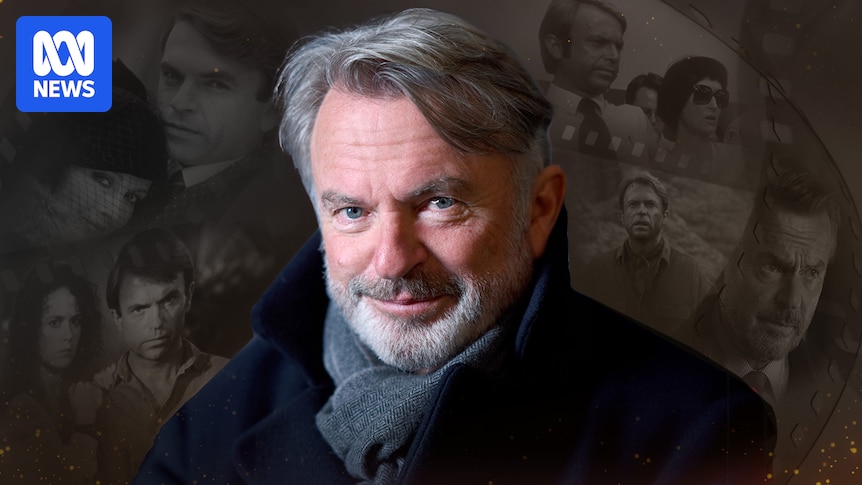
That matters in Australia because Neill was never simply a visiting global star to us, even if Jurassic Park is the title the rest of the world will put in the first paragraph. What lodged here, and across New Zealand too, was the feeling that he belonged to a more intimate screen tradition: clever without being showy, handsome without being lacquered, funny in a way that sounded half like a shrug. ABC’s retrospective on his many careers gets at that local affection better than the standard obituary form can. So do the same-day tributes gathered by the Guardian: people reaching for warmth before scale.
A critic might put it less sentimentally. Neill gave Australian cinema a way to put a man at the centre of the frame without making him dominate it. Through intelligence, embarrassment, curiosity and the occasional embarrassed half-smile, he could hold a scene without muscling it. In an industry that still too often mistakes masculinity for volume, that feels like a legacy worth naming. Even the Washington Post obituary settled on his quiet intensity, which is another way of saying Neill never confused force with presence.
The voice in the room
For me, the hinge is still that final interview. You can feel Neill refusing the solemnity that other actors eventually wrap around themselves. Frank about ageing, amused by his own face, faintly baffled by the machinery of fame. The Guardian piece moves me because it was not intended as a farewell. It sounds too alive for that.
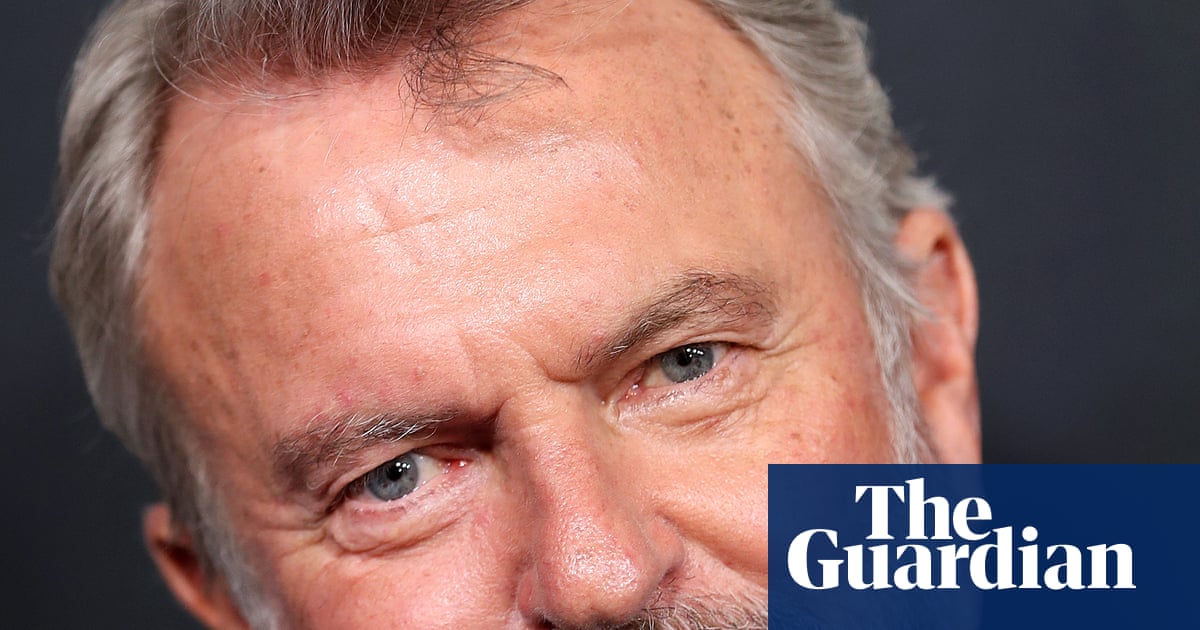
"I’ve had to overcome the ordinariness of my appearance."
Sam Neill, The Guardian
Listen to that line for a second. It has the neat, self-mocking precision he was so good at onscreen. Neill never worked like a man trying to convince you he was exceptional. He understood that ordinariness, if you know how to use it, can be electric. The face was open. The intelligence flashed late. Half a beat after everyone else had finished posturing, the joke arrived.
Part of me keeps thinking about how different that feels from the modern celebrity economy, where sincerity is often rehearsed until it turns to mush. Neill’s public voice still had edges. Even in ABC’s remembrance of him as an "honorary Aussie", the line that lingers is not some grand statement about legacy but his tart, almost cheerful candour about illness and mortality. Five years of chemotherapy, according to the Guardian’s death report, and he still managed to sound like the least self-dramatising person in the room. Not a small thing.
The local leading man
Australians are a bit loose with the phrase "one of ours". In Neill’s case it describes actual screen history. The Guardian’s obituary and ABC’s survey of his best roles both put the local work where it belongs: not as an early apprenticeship before Hollywood, but as the body of performances that taught audiences here how to read him.
Start with My Brilliant Career, then Dead Calm, The Piano and The Dish. It means the trans-Tasman stretch of cinema in which place, awkwardness, desire and colonial hangover all sat in the same frame, and Neill somehow made himself useful in every register. Romantic without the sap, stern without going opaque. More than once, he simply looked like a man thinking, which is rarer on screen than it should be.
For viewers, I suspect, the attachment was simpler. Australians did not only love him because he was in famous things. They loved the familiar frequency he gave off. Even when the production was formally New Zealand or unmistakably international, Neill felt legible to an audience here. His masculinity was the kind our screens once knew what to do with: intelligent, bemused, physically present, a little frayed around the edges. Not glossy. Better than glossy.
No wonder the blockbuster shorthand has always felt slightly incomplete. Yes, he made three Jurassic films and carried the global recognition that comes with them. Ask what actually settled into local culture, though, and I suspect it was the quieter run of performances around that fame: the work that let him be wry, uncertain, desirous, chastened or deeply funny. The fame widened the audience. The regional and Australian-facing work built the attachment.
Fame without armour
Across the same-day tributes and the ABC retrospective, people keep circling the same thing: Neill never seemed to turn celebrity into a permanent performance. More than 150 screen credits across film and television. Franchise gloss, prestige roles, instant recognisability. Yet his public image still allowed for shyness, eccentricity and the occasional sense that he would rather be anywhere else.
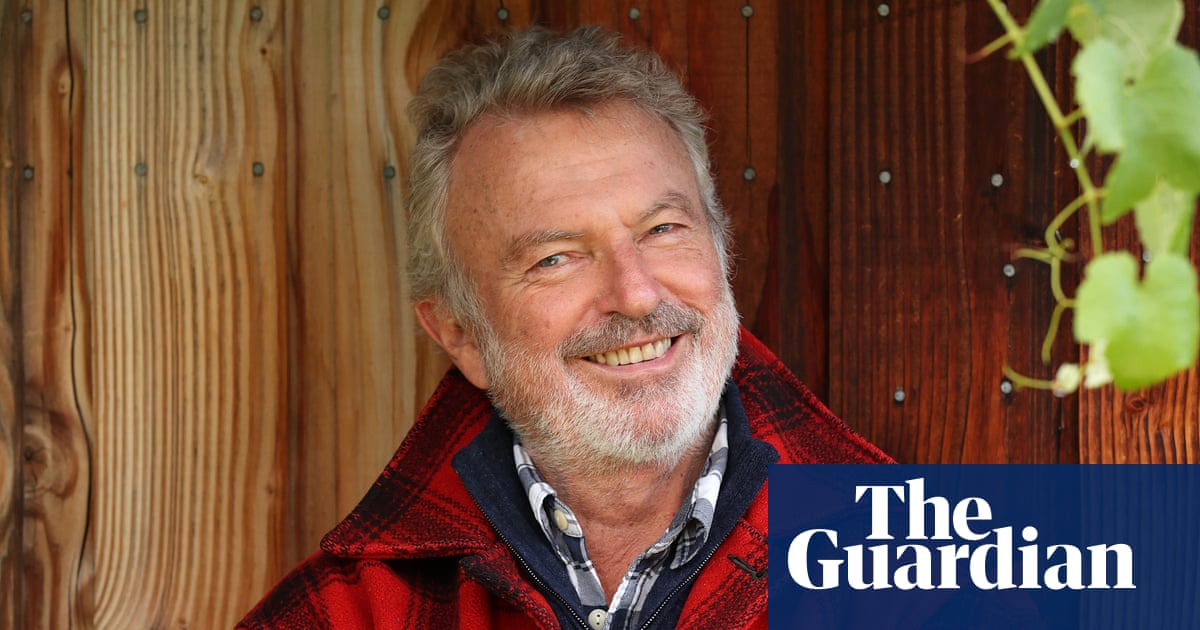
"I feel I’m more in debt to Australia than Australia is to me."
Sam Neill, ABC News
Elegant, because it undoes the possessiveness of grief without denying it. Australians did claim him. Of course we did. But Neill understood that affection as a reciprocal arrangement, built through work rather than branding. You can see it in the way people talk about his vineyard life at Two Paddocks, or the way his jokes never seemed designed to harden into a merchandised persona. Even his glamour came with air in it.
Here the insider perspective matters. The friends, collaborators and fellow actors surfacing in the tribute cycle are not describing a titan who happened to be personable on set. They are describing a man whose warmth was inseparable from the effect he had on screen. Bryan Brown, Phillip Noyce and others do not seem interested in mythologising him into marble. The grief reads more domestic than monumental. Maybe that is why it lands so hard. People recognised the absence quickly because Neill always felt available to recognition in the first place.
Then comes the bluntness with which he faced decline. In the ABC remembrance, he is quoted saying:
"Very irritating, dying. But I’m not afraid of it."
Sam Neill, ABC News
I don’t think that line is moving because it is brave in a heroic sense. It is moving because it is so characteristically unadorned. No performance of profundity. No tidy life lesson. Just annoyance, courage and wit crowded into one sentence. That was often the Neill effect onscreen too. Emotional intelligence, made to look offhand.
The men we put on screen
What I keep circling back to is why this particular kind of screen presence now feels endangered. Neill belonged to a generation of actors who could play men with authority without treating authority as the end of the scene. Compromised, foolish, frightened and still attractive: all were available to him. He could let a woman, a child, open country or even a silence hold equal weight beside him. That is not softness. It is craft.

Maybe that is why the local grief has a particular contour. The viewers who felt him as an honorary Australian were not only mourning an actor they liked. They were mourning a mode of male performance that helped shape Australian and New Zealand screen culture at its best: dry rather than bombastic, sensual rather than domineering, capable of embarrassment, open to ageing. In the culture industry’s own tribute dispatch, the language that keeps surfacing is gentleman, sweetheart, true, warm. Nobody seems in a hurry to turn him into a swaggering legend. That restraint feels right.
So what he left behind on Australian screens is not just a set of beloved titles, though there are plenty of those. It is a standard of tone. A reminder that the leading man can be porous, funny, gently self-cancelling. That a face can carry history without announcing it. That movie-star charisma does not have to arrive coated in aggression or irony. I might be romanticising him a little. Death does that to criticism. Still, I do not think the feeling is invented.
Hours after the first headlines, I kept returning to that last interview and its offhand elegance. The man answering questions there sounded amused by fame, faintly suspicious of self-seriousness, and entirely at home in his own ageing skin. For a culture site like this one, that may be the right place to leave him: not frozen inside the blockbuster amber the world will use to remember him, but still half in conversation with Australian viewers, still teaching our screens how to make room for intelligence, humour and grace.

The Lifestyle Desires brief
Style, food, travel and wellbeing — weekly in your inbox.
Subscribe