What Australia’s audience problem is asking local cinema to admit
Australian cinema’s audience problem looks less like a taste issue than an access one: more local films are made, but fewer people can actually find them.
I keep thinking about the small insult built into the local cinema app. Australia talks about its own stories with a bruised sort of devotion, all that chest-thumping about backing homegrown talent, and then you open the session times. There they are, if they are there at all: one odd screening, one short run, one suburban multiplex asking you to drive half an hour on a Wednesday night. We have built a culture that loves the idea of local cinema, then acts surprised when the habit of seeing it thins out.
That ache runs through Made, Not Seen, the new report by Nick Hayes, now head of Independent Cinemas Australia. The numbers are hard to shrug off. Since the 2007-08 screen-policy reset, Australian feature output has risen 132 per cent, yet admissions per local film have fallen 60 per cent, average box office per film is down 58 per cent, and tickets sold per 100 Australians have dropped 26 per cent. Hayes’ point is not that the country has run out of filmmakers. The route between making a film and letting ordinary people find it has been allowed to fray.
Part of what I like about the argument is its refusal of the laziest explanation. It does not say Australians are philistines who would rather queue for imported spectacle. Instead, it says the offer has become misaligned with the audience we keep claiming is out there. Greg Dolgopolov’s account of the Vision Splendid festival in Winton lands here like a useful corrective: people still show up for Australian stories when those stories feel nearby, social and visible.
“I think audiences really want Australian films, Australian stories rather than us importing overseas stories.”
Greg Dolgopolov, ABC News
So the tension is not really between culture and commerce. Appetite is there. Access is patchier. Wanting a national cinema is one thing. Encountering it in the wild, in a real theatre near home, at a time a normal person can make, is something else.
The kilometres between us and the screen
Hayes is strongest when he treats cinema access as a lived, almost municipal question. Not glamorous. Planning and transport, mostly. Habit too. If your local suburb keeps getting new apartment towers, new gyms, new bottle shops and no screen that reliably programmes Australian work, then national cinema becomes an abstraction, something discussed by agencies and festival panels rather than folded into an ordinary weeknight.
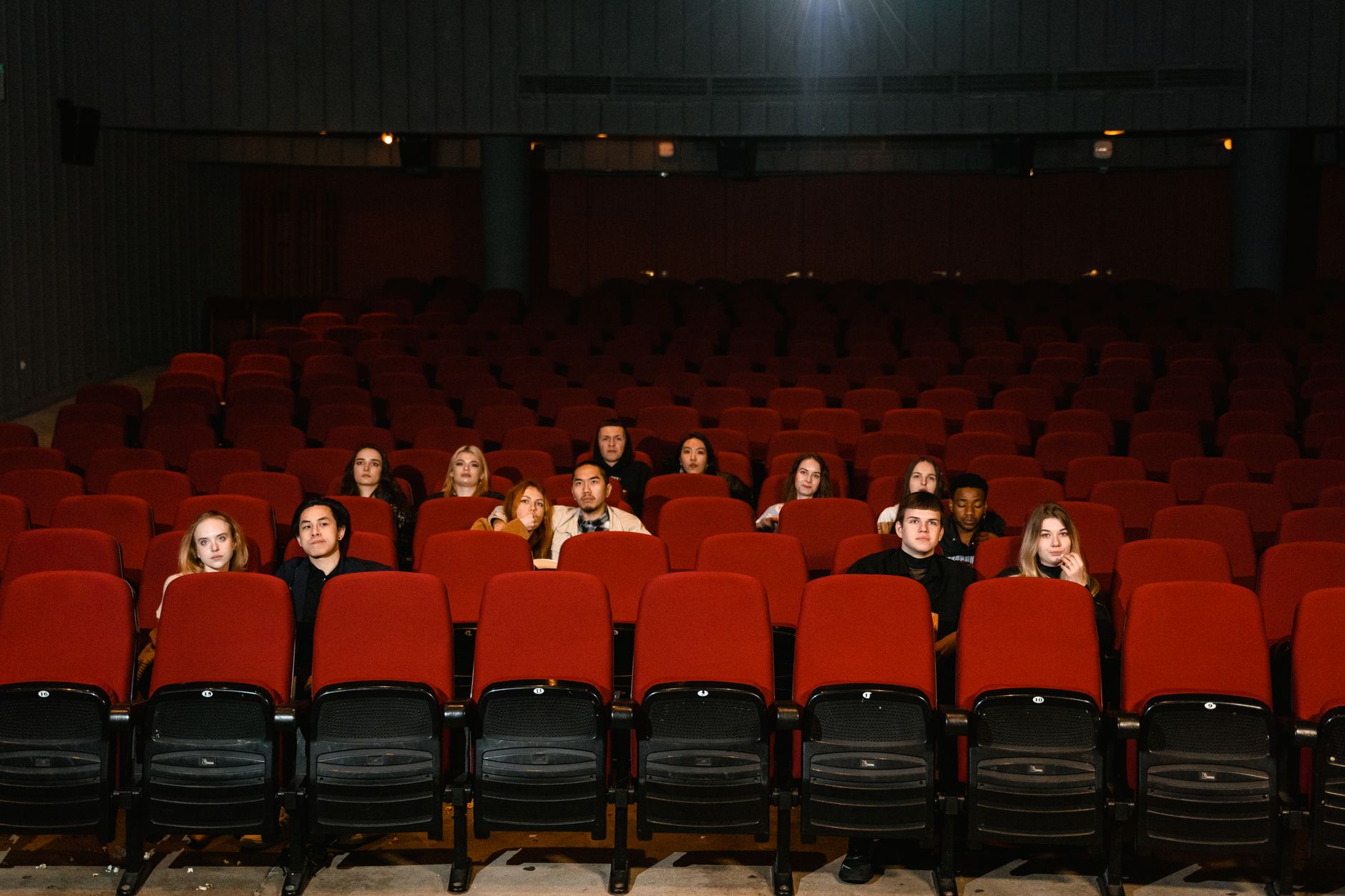
In growth corridors such as Canterbury-Bankstown, Hayes sees a gap that is not just taste but walkable access to a cinema. The detail matters because it moves the conversation away from the stale complaint that Australians somehow do not support their own stories, and towards a quieter admission: sometimes we barely put those stories in front of them. Even the films critics love can feel fleeting. In the ABC’s mid-year film roundup, The Sheep Detectives was singled out as one of the year’s best, with the aside that it appeared in only very select Australian cinemas for a matter of weeks. Not an audience failure, exactly. More like a visibility failure.
Winton gives the user-affected side of the story some warmth. The festival Dolgopolov helps curate is not only a place to watch a film. Australian work becomes social there, part of a crowd and a town and a weekend rhythm. A festival can do in three days what a limp release strategy often cannot manage in three weeks: make local cinema feel obvious rather than worthy.
There is something a bit class-coded about the old defence of the system, the one that assumes a motivated viewer will simply travel further, hunt harder, read the right websites, catch the 8.40pm session and call it devotion. Plenty of people do not live inside that rhythm. Outer-metro families, regional audiences, shift workers, anyone whose moviegoing life depends on convenience rather than cinephile discipline, all of them feel the industry shrug first.
“planning treats clubs and their extractive entertainment as civic infrastructure, while cinemas and live performance venues are absent unless history happened to leave one behind.”
Nick Hayes, quoted by FilmInk
After that line, the screen economy looks like a design problem. Better films would help, obviously. So would the boring civic conditions that let a film become part of local life.
The policy language finally catching up
Agency offices may wince hardest at the funding split. Hayes says just 0.7 per cent of public screen support reaches exhibition and audience-facing activity. If that figure is even roughly the moral centre of the problem, then the answer to the insider question, what has to change first, is not mysterious. Release can no longer be treated as an afterthought. Making more titles into the void is not cultural ambition. It is inventory.

The slate itself has also drifted older and narrower, Hayes argues. Roughly 70 per cent of Australian features now sit in M or MA15+ territory, according to the report, which helps explain why so much official anxiety about audiences can feel strangely bloodless. You do not rebuild a broad moviegoing culture by commissioning almost entirely for adults, then acting wounded when younger viewers form their habits elsewhere.
To its credit, Screen Australia has started revising its development guidelines so projects must think harder about audience from the beginning, and ScreenHub’s reporting on the agency’s theatrical release initiative suggests the bureaucracy has finally realised release strategy cannot be bolted on at the end like a press kit. Process still worries me more than spend. Audience insight is useful. A stronger local release pathway is useful. Neither matters much if the basic exhibition ecology stays this brittle.
Screen Australia’s problem, in plain language, is translation. It can ask writers and producers to articulate audience earlier, and it should. If audience becomes a field in an application rather than a condition of release support, though, the reform will harden into paperwork. The question is not whether a team can describe its viewer. It is whether the viewer ever gets a practical invitation.
The report’s bluntest line is still its best.
“In blunt terms, we are too often making the wrong films for the audience we say we want to reach.”
Nick Hayes, quoted by FilmInk
None of that has to mean pandering, nor does every Australian film need to be reduced to broad commercial maths. It means admitting that policy has spent years rewarding output, prestige and category compliance more reliably than encounter. You can see the edge of that argument in the Guardian’s reporting on documentary funding distortions, which asks whether some projects have become better at fitting incentive definitions than at returning value to the audience those incentives are meant to serve. The sceptic’s question is uncomfortable, but fair: if the system can be gamed at the label stage, why would we assume it is naturally excellent at building viewers?
I might be over-reading one report, but I do not think Hayes is asking Australia to make fewer films. He is asking local cinema to admit something more awkward. A national screen culture is not created when a project is financed, or even when it premieres. It is created when a person in Bankstown or Winton or the outer fringe of Melbourne can stumble into an Australian story without treating the outing like specialist labour. Until that part gets easier, the audience problem will keep being described as taste when it is really design.

Melbourne film and television critic. Streams the lot so you don't have to. Writes about the Australian screen industry and what's worth a night in.
The Lifestyle Desires brief
Style, food, travel and wellbeing — weekly in your inbox.
Subscribe