Sixth for culture, first for comedy. What Melbourne's ranking leaves out
Melbourne just landed at number six on Time Out's global culture ranking — and first in the world for comedy. But what does a 92 per cent local approval score actually tell us about the city?
I was standing at the back of a basement bar on Lygon Street last Tuesday, plastic cup of something cold in hand, watching a comedian from Brisbane try to explain what it’s like dating in a city where everyone is “creatively employed.” About twenty of us, packed between exposed brick and a PA speaker that buzzed whenever the bass dropped from the jazz trio upstairs. The comedian — I didn’t catch her name, and that’s probably the point — landed a joke about how Melburnians will wait forty minutes for a pop-up ramen but won’t commit to a second date, and the room exhaled in recognition.
Two days later, Time Out dropped its 2026 Best Cities for Culture ranking. Melbourne landed at number six globally. The same list crowned us first in the world for comedy. I’m still not sure if that means the Lygon Street basement or the forty-minute ramen queue — or both.
The ranking, built from a survey of 24,000 locals across more than 150 cities, is one of those artefacts that feels simultaneously meaningful and absurd. London took the top spot, then Paris, New York, Berlin, Cape Town. Melbourne sits sixth, perched above cities with centuries more architectural heft and arts budgets that could swallow the NGV’s annual programme without blinking. The methodology, if you’re the kind of person who reads methodology in lifestyle surveys, combines local approval ratings with expert panel votes. Melbourne’s locals gave their cultural scene a 92 per cent approval score — the fourth highest of any city surveyed.
That’s the number I keep coming back to. Not the ranking. The 92 per cent.
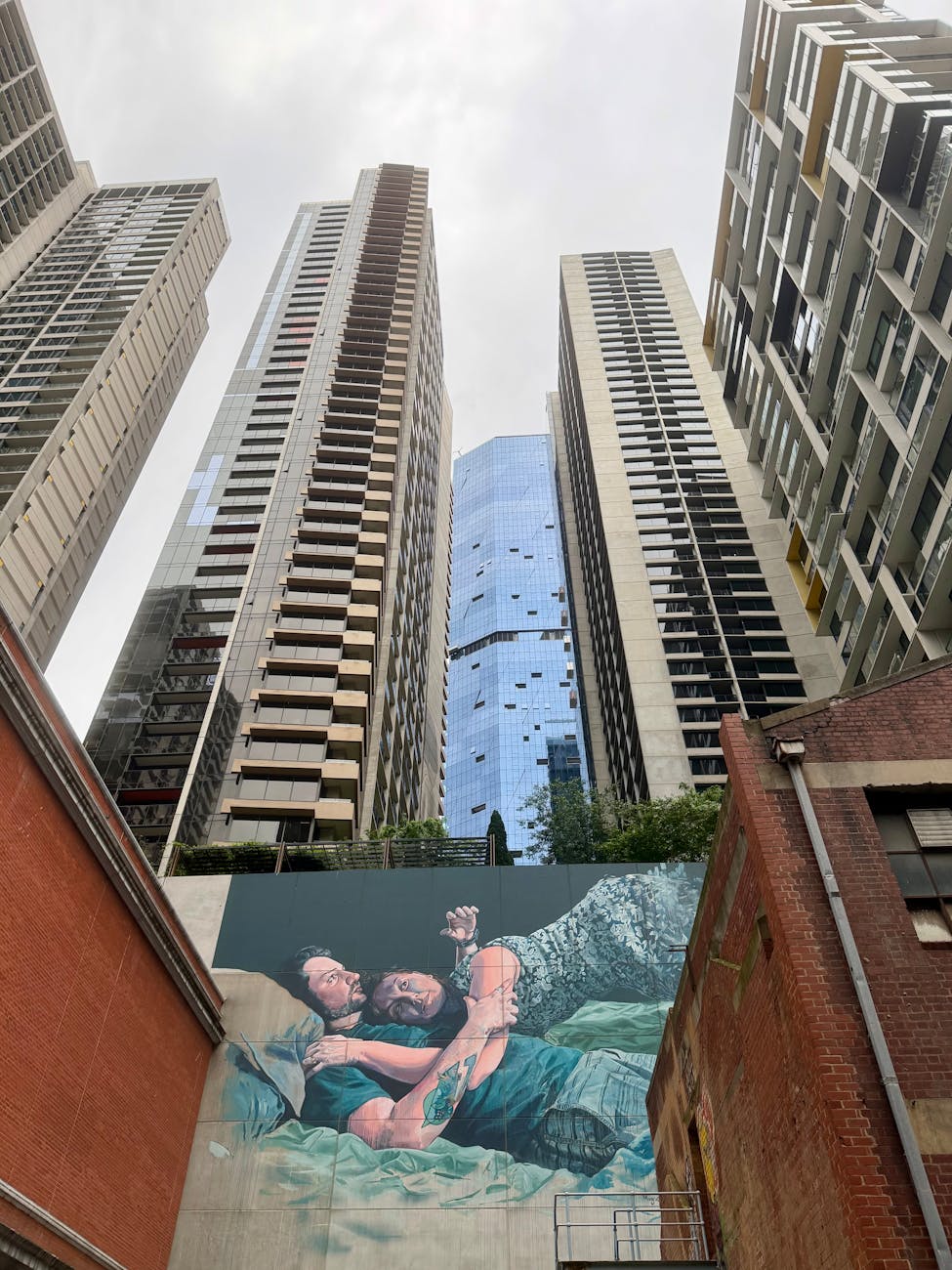
I’ve lived in this city long enough to know that Melburnians love complaining about Melbourne. The weather. The housing. The way every new bar feels like it was designed by the same person who did your dentist’s waiting room. But ask us about the culture and something shifts. Maybe it’s the street art that re-paints itself faster than the council can photograph it. Maybe it’s the knowledge that on any given night you can walk into Fortyfivedownstairs — a not-for-profit multi-arts space on Flinders Lane — and catch something that, as Time Out Melbourne editor Leah Glynn put it, “will expand or challenge your cultural expectations.”
Glynn’s quote is doing a lot of work, and I think she knows it. The same announcement names the First Nations-owned Honey Bones Gallery in Brunswick and the RISING festival’s 2026 programme as proof points — the kind of breadth that doesn’t photograph neatly for a listicle but defines how the city actually feels to move through. I’ve been to RISING three times now and I still couldn’t describe it to someone who hasn’t gone. That’s not evasion; it’s the nature of a festival whose centre of gravity shifts every year depending on which warehouse, rooftop, or decommissioned railway shed the organisers have managed to borrow.
The NGV, meanwhile, is gearing up for Cartier — the largest exhibition the jewellery brand has ever staged in Australia — and the next Triennial, set to pull together almost 100 artists from 35 countries. Glynn called it “bigger and better than ever,” which is the kind of thing an editor says when she’s genuinely excited and also contractually required to sell tickets. I might be wrong about the contract part. What I do know is that the Triennial has become one of those rare things — a blockbuster show that actually earns its crowds. The 2023 edition put a mirrored labyrinth in the Great Hall and let people walk through it. Not everything worked, but the things that did have stayed with me in a way that most museum shows don’t.
What interests me more than the ranking itself is what it reveals about the gap between how a city is measured and how it’s lived. The Time Out methodology rewards density: how many galleries, how many gigs, how many pop-ups per square kilometre. Melbourne wins on that count because the city is compact in a way that Sydney — sprawling, harbour-split, car-brained — simply isn’t. Sydney held the number five spot on this same list in 2025. In 2026, it dropped out of the top twenty entirely while Melbourne climbed. I’m not bringing this up to reignite the old flame war. Well. I’m not only bringing it up for that reason. Rankings are a Rorschach test: you see what you already believe. If you think Melbourne’s a cultural capital, number six is vindication. If you think it’s a self-regarding town with good coffee, you’ll find the methodology somewhere on page twelve.
The 9Travel write-up of the ranking framed it as Melbourne beating out “world capitals,” which is technically true but also slightly embarrassing — the kind of framing that makes you want to apologise to Berlin even though Berlin definitely doesn’t care. Cape Town at number five is the ranking’s most interesting slot: a city whose cultural identity is inseparable from political context in a way that Melbourne, for all its self-mythologising about laneways, can barely comprehend. I’ve never been. The ranking makes me want to go, which I suppose is precisely what Time Out wants.
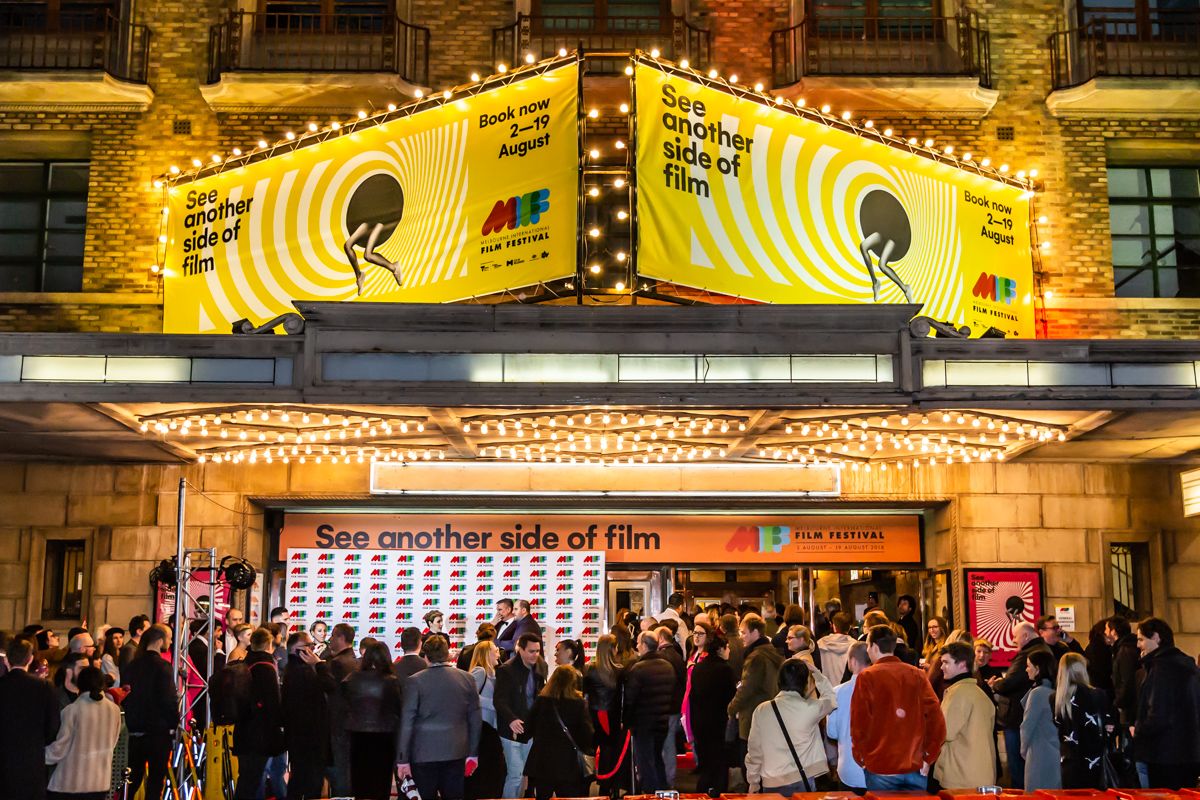
For a film and television critic, the culture ranking presents an awkward question: where does screen culture fit in? The Time Out survey asked locals about “arts and culture” writ large — galleries, theatre, live music, festivals. Film and TV are in there somewhere, folded into the general category of “things people do when they’re not at work.” But Melbourne’s screen culture feels local in a way that doesn’t scale to survey methodology. The Astor screening a 35mm print of something nobody’s seen since 1974. ACMI’s exhibition programme, which has without much fuss become one of the best moving-image curatorial projects in the southern hemisphere. The fact that you can be at a dinner party in Brunswick and four people will have strong, specific opinions about the latest ABC drama — not because they work in the industry but because it’s just part of the air here.
I didn’t see any of that in the ranking. That’s not a criticism, exactly. You can’t survey a feeling. Or you can, but the result is the 92 per cent figure — a number that gestures at something real without capturing its texture. It’s the same problem I have with star ratings for films: four stars tells you I liked it, but it doesn’t tell you whether I liked it because it was formally audacious or because the lead actor reminded me of someone I used to know.
The comedy ranking — number one in the world — is harder to argue with because comedy in Melbourne is infrastructure. It’s in the basement bars, the rooms above pubs, the festival that takes over the entire city for a month every autumn. The International Comedy Festival is Melbourne’s most honest cultural export: it doesn’t pretend to be anything other than a city full of people who want to sit in the dark and laugh at things that are true. I’ve seen comedians from London, New York, and Mumbai walk on stage with the slightly-too-confident energy of someone who’s played bigger rooms, and I’ve watched them recalibrate in real time as a Melbourne crowd — warm, attentive, allergic to hackery — refuses to laugh at anything that hasn’t been earned.
We’re not the biggest market. We’re not the most lucrative. But we might be the most discerning, and I think that matters more.
The ranking arrives at an interesting moment for Melbourne. The city was named Time Out’s Best City in the World overall in March 2026 — a broader survey that looked at everything from food to walkability to nightlife. Two major rankings in three months is the kind of run that makes you suspicious. When a city keeps winning, you start to wonder whether the judges have been spending too much time in Fitzroy.
But the culture ranking feels different from the broader city ranking. It’s narrower. More specific. And it lands at a moment when the venues that define Melbourne’s cultural texture — the basement bars, the small galleries, the independent theatres — are navigating rising rents and a cost-of-living crunch that makes it harder for people to buy tickets. I don’t know how long the model holds. Neither does anyone else, I suspect. The venues I love keep surviving, but survival isn’t the same as thriving, and a ranking doesn’t pay the electricity bill.
I keep thinking about that comedian in the Lygon Street basement, the one whose name I didn’t catch. She’ll probably keep playing rooms like that — twenty people, a buzzing PA, the jazz trio bleeding through the ceiling — regardless of whether Melbourne is number six or number sixty. That’s the thing about culture in this city: it doesn’t wait for permission. The ranking is nice. The 92 per cent is nice. But the real test is whether the person next to you at the bar is still there, plastic cup in hand, waiting for the next joke.
The Time Out list put London first, Paris second, New York third. I’ve spent time in all three. They’re magnificent, obviously. But I’ve never walked out of a show in any of them and felt like the city itself was in on the conversation.
In Melbourne, sometimes, it still is.

The Lifestyle Desires brief
Style, food, travel and wellbeing — weekly in your inbox.
Subscribe