What Australia’s streaming rules are already changing
Australia’s streaming rules are already changing what gets commissioned, preserved and priced, even if local stories still fight for the centre.
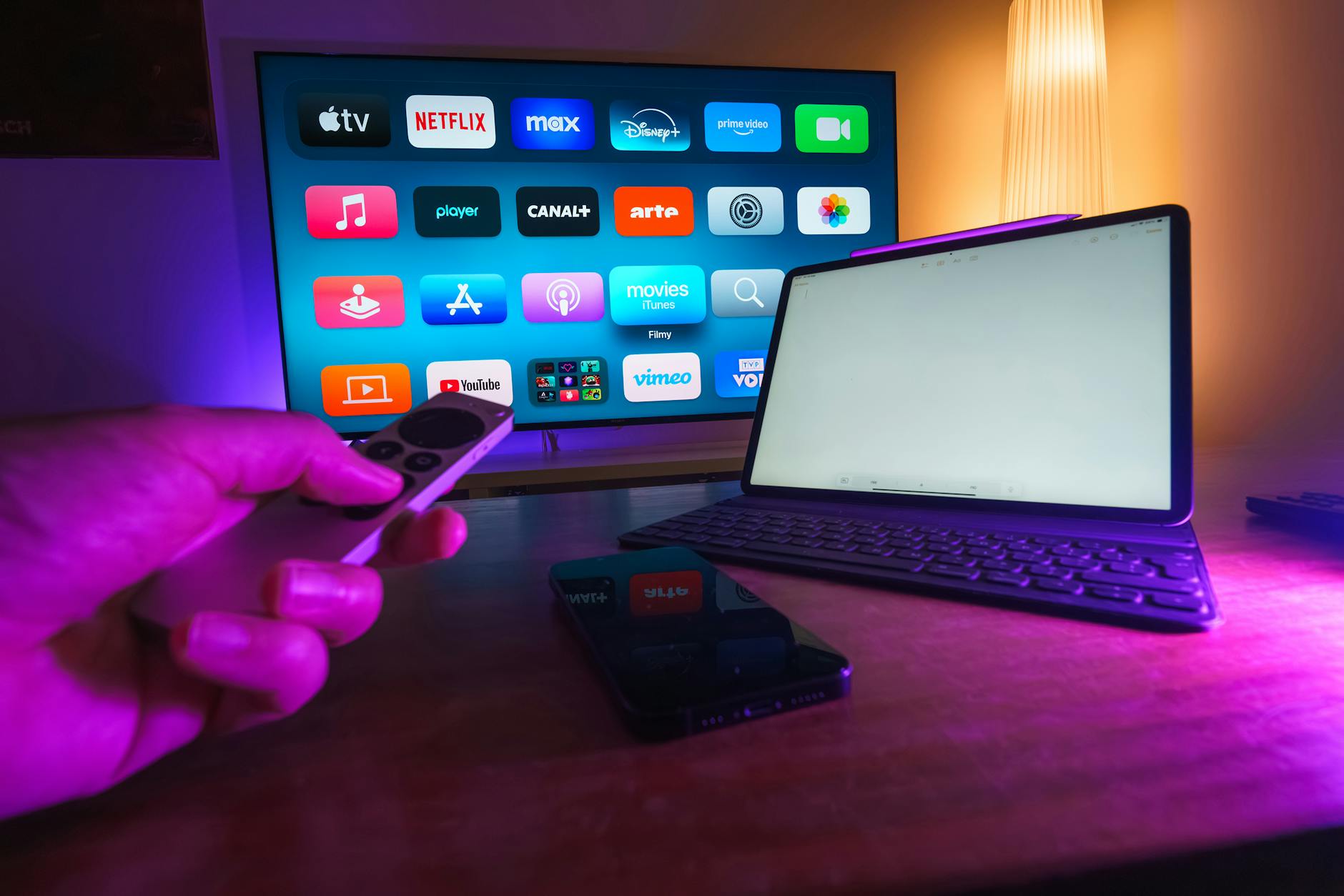
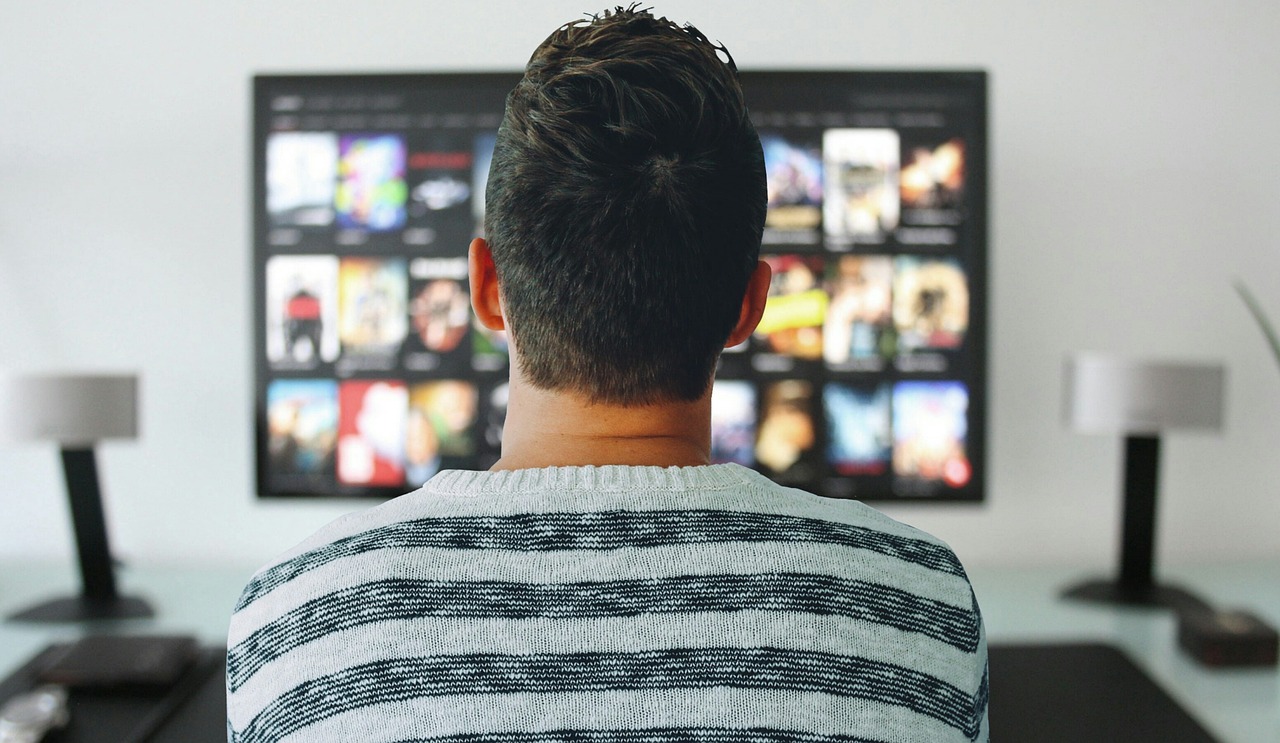
Last night, the living room was all cold blue light and competing home screens. I caught myself doing the modern Australian cultural ritual: flicking from one app to the next, half-reading thumbnails, half wondering why local work still so often feels tucked to the side. So the new Australian content rules for subscription video services matter more than their bureaucratic language suggests. Six months in, platforms are already being made to think about Australia differently. Less like a handy cluster of credit cards at the bottom of the world. More like a place whose stories now have to be counted and paid for.
From 1 January 2026, services with more than 1 million Australian subscribers must spend at least 10% of total program expenditure on Australian content, or meet a 7.5% gross revenue alternative. I doubt many viewers are lying awake reciting ACMA formulas. Still, formulas turn physical pretty quickly. A local writers’ room gets funded. A drama slate survives another round of internal scepticism. One producer, somewhere, stops having to prove that Australian stories deserve to exist at all.
Regulators and subscribers are measuring different things. For the Australian Communications and Media Authority and the arts department, success means real commissions and a body of work that can be pointed to in public. Viewers, along with screen workers who have watched fashions swing in and out of their lives before, ask something harsher. Will these rules create Australian stories people actually notice, or only a tidier compliance story wrapped around the same global menu?
“guaranteed access to Australian stories”
Minister for the Arts, announcing the streaming requirements
The catalogue starts to matter
The clearest early shift is not a triumphant wave of must-watch premieres. It is quieter: Stan is now depositing Stan Originals with the National Film and Sound Archive, turning local streaming output into part of the national record instead of leaving it to vanish whenever licensing logic changes. Old-fashioned? Maybe. I think the opposite. Once a streamer treats its originals as something to preserve, rather than just promote for a weekend, it is admitting that local commissioning has cultural weight beyond churn.
Inside the industry, that tells us more than the speeches. IF Magazine’s six-month check-in on the new requirements suggests the services are not moving in one neat patriotic block. Some are leaning into the moment harder than others. A few still seem to be working out how much local commissioning can become brand identity rather than pure obligation. The quota, in its dry way, is doing what regulation usually does when it works. It is not manufacturing taste. It is changing the baseline calculation, so an Australian project that once looked like a nice extra can start to look commercially sensible and culturally defensible.
ACMA’s own language is a useful corrective to the romance. With the charm of a spreadsheet, it says the reported expenditure figure is simply the one used to calculate compliance.
“This figure is used to work out the 10% Australian content expenditure requirement on SVODs.”
ACMA on the 2026 expenditure rule
Dry, yes. Dry as Weet-Bix. That dryness is the point. Once a cultural argument becomes arithmetic, executives have to carry it into budget meetings. No one should mistake that for bravery. Indifference just gets harder to maintain.
Discoverability remains the rub. I keep thinking about Guardian Australia’s recent analysis of Australian music’s shrinking local share, because it describes a problem screen culture knows too well: availability is not centrality. A platform can commission more local work and still bury it three rows down, underneath the comfort-food franchises and algorithmic sure things. The risk is real on Netflix, on Disney+, and frankly on local services as well. Supply can be mandated. Attention usually cannot.
Who pays for the culture
Sceptics will say platforms rarely absorb new obligations in a pure civic spirit. They move the price, change the terms, add friction, or test how much irritation a subscriber will tolerate before cancelling. The current Prime Video fight in Australia matters even though it is not, strictly speaking, a local-content case. It shows the consumer-law version of the same power struggle. Pressure arrives on one front; the consequence surfaces somewhere much more intimate, on the couch, in the monthly statement, in the tiny extra decision about whether ad-free is suddenly worth another fee.

In ABC News’ reporting on the ACCC case, the complaint is straightforward enough to sting: Australians who wanted to keep Prime Video ad-free were asked to pay an extra A$2.99 a month. Amazon’s own public line has been calm.
“We have cooperated with the ACCC throughout its investigation and remain focused on providing the best experience for our Australian customers.”
Amazon Australia spokesperson, via The Conversation AU
Polite. Almost bloodless. The quote captures the distance between corporate language and the way policy lands in ordinary life. Government promises culture; platforms reply in operations. Viewers experience the result as a cost, an ad break, a show that appears or does not.
I do not read that as proof the streaming rules are failing. If anything, it proves they are real. Once a government requirement starts to matter, companies fold it into pricing, commissioning plans, archival partnerships and lobbying positions. Streaming begins to look less like frictionless tech and more like a public utility with glossy branding. Around it, the institutions are leaning in: the regulator asking for expenditure evidence, the archive asking what deserves to be kept, consumer law asking what subscribers were actually promised.
Viewers and screen workers are not identical characters in this story, but for now they want roughly the same thing. Australian work that is not tokenistic. Not apology content. Not a worthy side shelf that exists mainly so a platform can say it did the right thing. Local shows treated as flagship television, basically. If these rules are going to have a real cultural afterlife, that is the next contest: not whether services can technically hit a quota, but whether they can make Australian stories feel central enough that people trip over them without being instructed to care.
Half a year in, that seems to me the biggest change underway. The major services have been forced to admit Australia is more than a market to invoice. It is a production base, an archive, a constituency and an argument. Golden age? I am not romantic enough for that. But I am convinced the temperature has changed. The next local series that lands on your home screen will arrive in a slightly different country from the one we were watching in last year. Somewhere behind the tiles and thumbnails, somebody has had to account for why Australian stories belong there at all.

Melbourne film and television critic. Streams the lot so you don't have to. Writes about the Australian screen industry and what's worth a night in.
The Lifestyle Desires brief
Style, food, travel and wellbeing — weekly in your inbox.
Subscribe