What Australian teenagers are doing instead of doomscrolling
Five months into Australia's under-16 social media ban, the revealing question is not who won the policy argument, but what replaced the scroll.
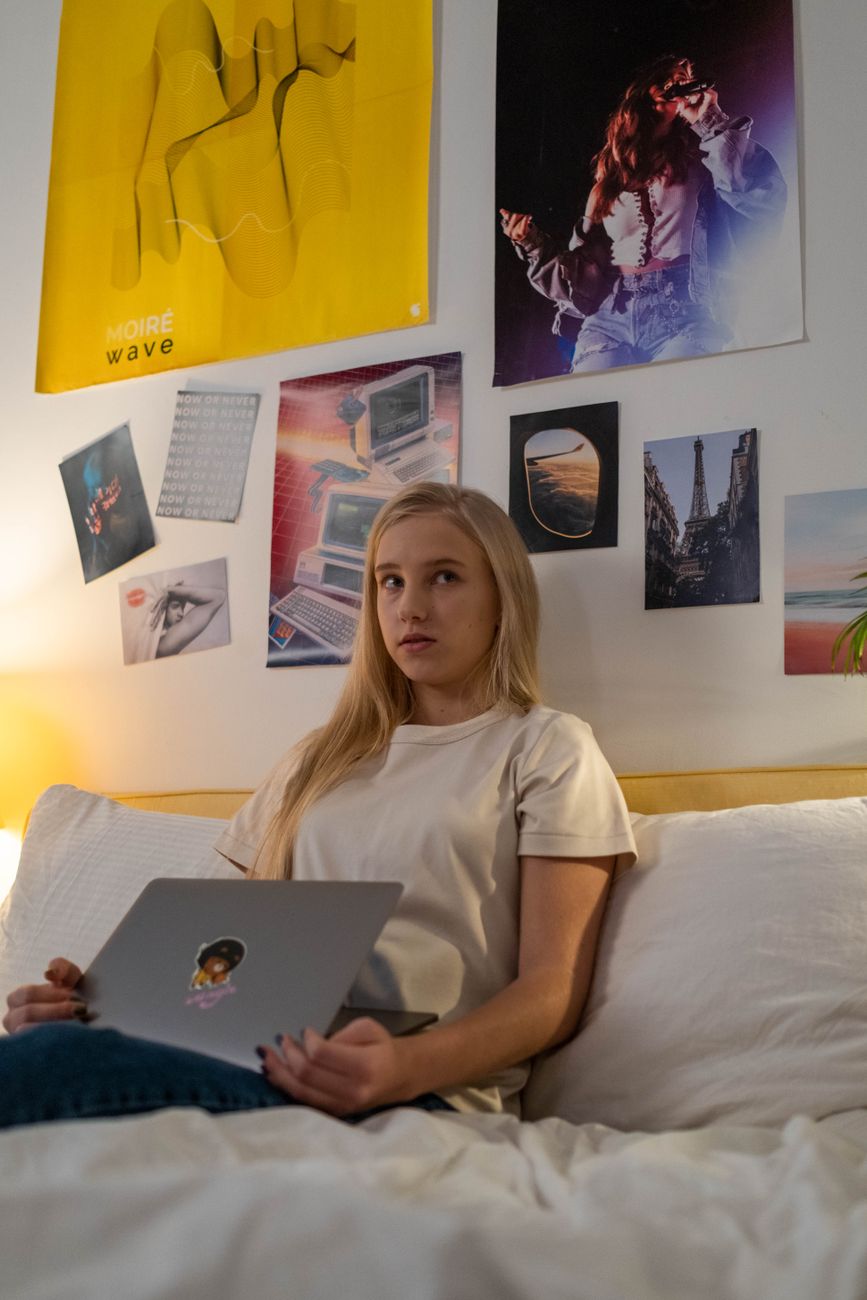
Amy, a 14-year-old Sydney student, put the whole thing more clearly than any politician has. In her interview with the BBC, she said losing Snapchat was sad, but also oddly freeing because she no longer had to keep her streaks alive. I keep returning to that line. It catches the part adults mostly miss. The scroll was not just entertainment. It was upkeep, a little social admin job humming away in the background of teenage life.
Better, I think, to start there.
Five months into Australia’s under-16 social media ban, the question that interests me is not whether Canberra won the policy argument. What moved into the space the feed used to occupy — that is the real thing. After-school life has a way of filling itself, and fast. In some homes, the gap seems to be filling with texting, reading, running, craft, music practice, boredom, family talk. Elsewhere, workarounds, private chats and the same old appetite flood in, just in a slightly different room. A culture shift can contain both relief and evasion.
Wren, a 15-year-old in Perth quoted by ABC News offered the most unexpectedly tender version of that shift. She said she had started sending letters to people she might once have only messaged online. Letters. Not because Australian teenagers have suddenly become nostalgia merchants, and not because analogue life is automatically nobler, but because habits change when the easy public stage disappears. Friendship slows down. Replying takes intention. Silence becomes visible again.
Sometimes that is a relief. Sometimes it feels like being dropped off in the dark.
The research is messy in exactly the same way. University of Adelaide researchers followed 100,991 Australian adolescents and found that the best wellbeing sat not at zero use, but somewhere in the middle — about 12.5 hours a week as the upper edge of what worked. Dr Ben Singh called it a Goldilocks scenario: not too little, not too much. That sounds right to me. The problem was never every digital interaction. It was the way personalised feeds swallowed all the odd scraps of time in between everything else.
Adult triumphalism is where I start to lose patience.
The Guardian’s three-month review reported 4.7 million under-16 accounts removed or deactivated. Enormous number. In practical terms, though, it tells us very little about what a Thursday afternoon now looks like. A deleted account does not tell you whether a teenager is sleeping better, seeing friends more often, picking up a basketball, or just shifting their social life into smaller, harder-to-monitor corners. The same review noted that about one in 10 young people presenting to headspace centres had cited the ban as a reason for seeking support. Taking away a habit can expose whatever flimsy job that habit was doing — that is not proof the policy failed, it is proof of that.
Broome sharpened that point. In ABC’s reporting from WA’s north, teenagers described alt profiles and the way social life can slide into less visible spaces when the main apps are blocked. No teenager stops being social because adults build a fence. They reorganise. The move is not always from online to offline. Often it is from loud, public, algorithmic spaces to smaller, patchier, more private ones.
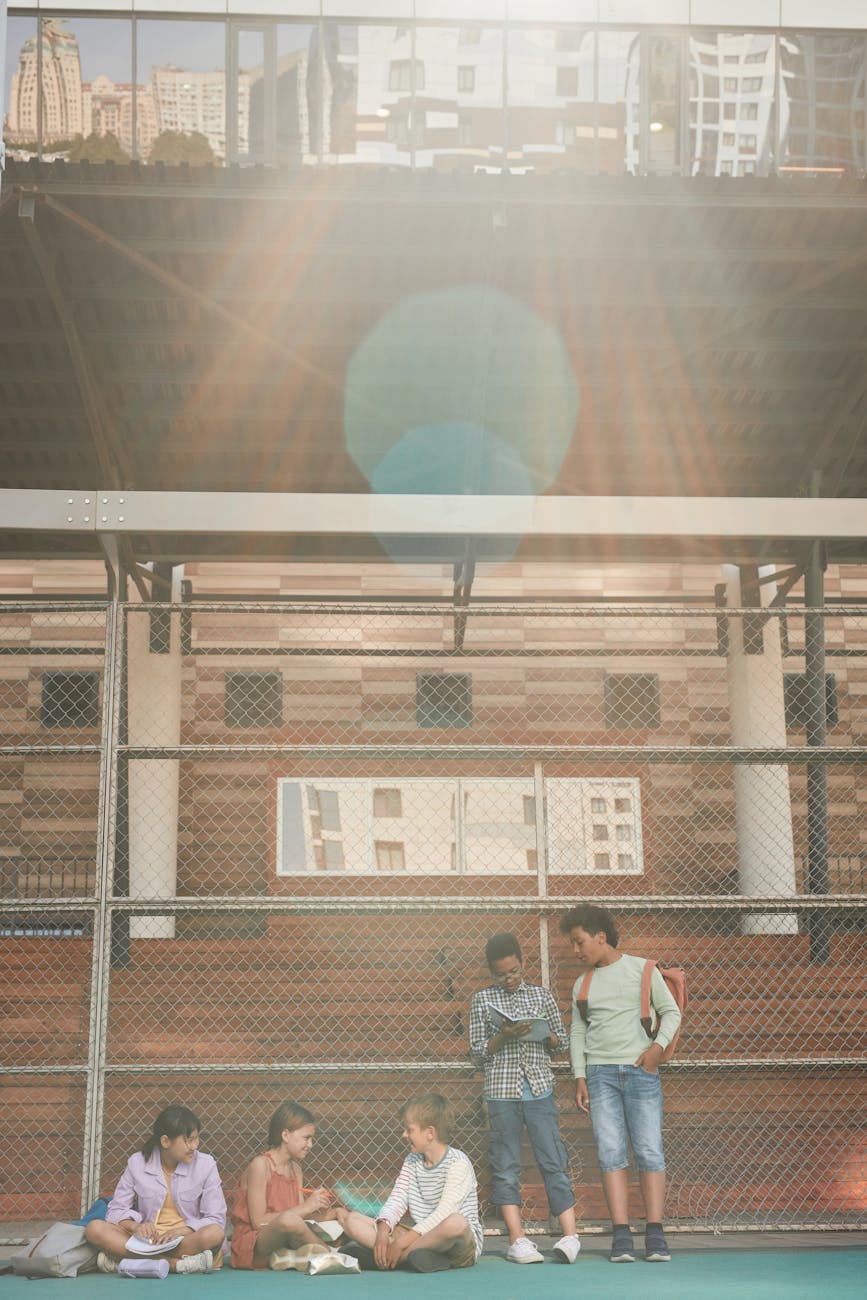
Then there is boredom, which I am less frightened of than many adults seem to be. Boredom is often where a personality starts talking to itself again. The long car trip. Half an hour after homework. Saturday, dragging its feet. Those are the stretches in which someone reads ten pages, wanders to the oval, helps cook, picks up yarn, strums the guitar that has been sitting in the corner since Christmas, or sends the first awkward text asking if anyone wants to meet in person. Cinematic, none of this is. None of it produces a triumphalist headline. Still, I would take that kind of friction over the endless bright slot machine of personalised video.
Money complicates the rosy version. It is easier to praise offline life if a family can pay for sport, transport, music lessons, art supplies or simply lives somewhere a teenager can drift around safely. It is easier to romanticise letter-writing than to reckon with a kid in a regional town whose phone was their social map too. When commentators say children are doing healthier things instead, that word instead carries a lot of class assumptions.
So the most convincing reading of the ban, at least for now, is cultural rather than moral. Easing the pressure to keep a public self running all day — the ban may be doing that. Giving some teenagers back the sort of idle time from which reading, sport, craft and ordinary conversation can reappear — also possible. But it may equally be pushing other teenagers towards side doors, private messaging and less visible forms of contact. Those outcomes are not mutually exclusive. They are what adaptation looks like.
What are Australian teenagers doing instead of doomscrolling? Some are writing letters. Some are getting bored. Some are sneaking around the rules. The honest answer is untidy, which is probably how you know it is real.

Brisbane-based GP turned health writer. Covers women's health, fertility and the gap between clinic and culture.
The Lifestyle Desires brief
Style, food, travel and wellbeing — weekly in your inbox.
Subscribe