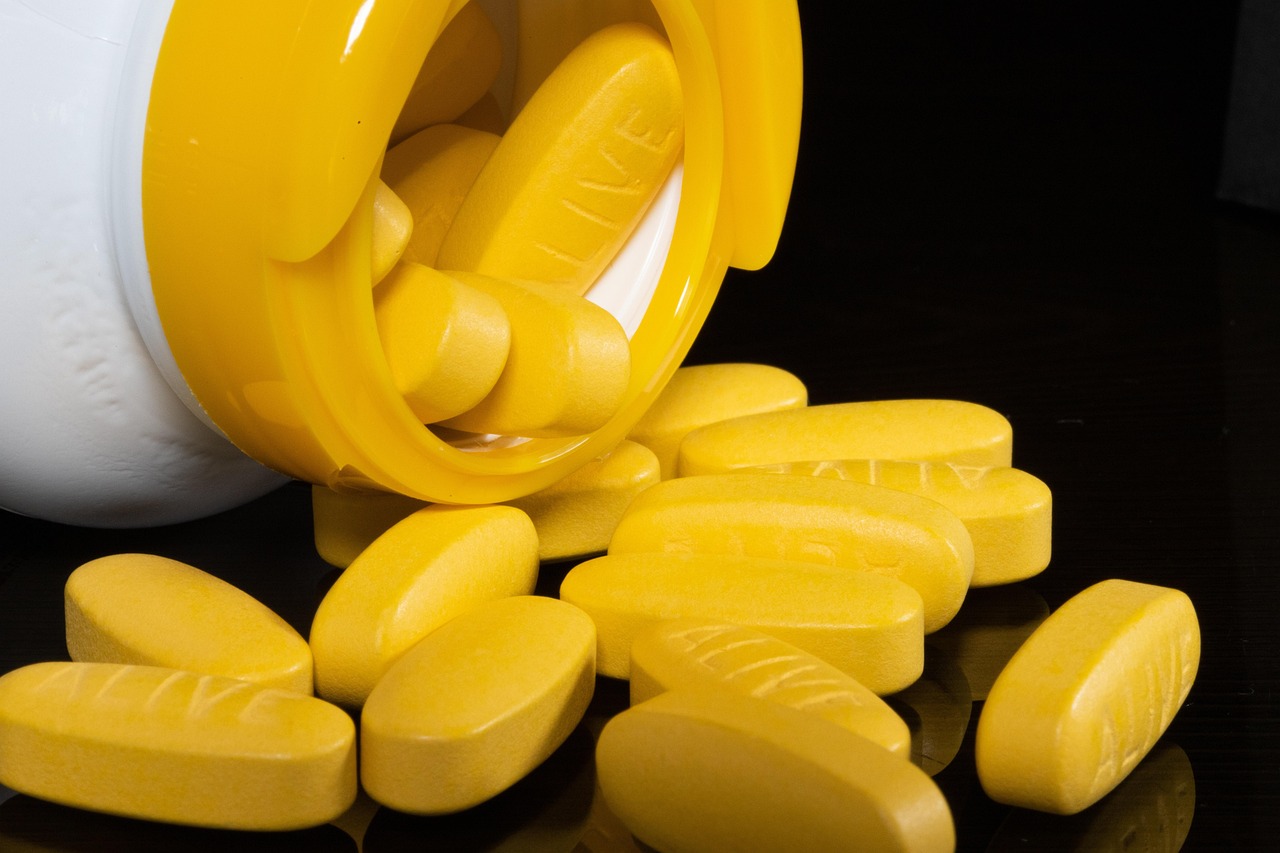
The vitamin D aisle just split in two
Vitamin D2 vs D3 suddenly matters more: new research suggests D2 can lower D3, making labels, testing and dosage harder to ignore.
For something sold as a simple health habit, vitamin D gets messy the second you ask which version is actually doing the work. Stand in a chemist aisle for five minutes and D2 and D3 can look like twins: same promise of bones, immunity, a little extra winter insurance. Same tidy labels. Same suggestion that whichever bottle you grab is basically the same story.
Maybe that is the consumer view supplement culture needs. The Conversation AU made the plainer point this month that vitamin D often gets sold as a universal good when, for plenty of people, the better first question is whether they need a supplement at all. Simplicity helps the category move. It also sands off the awkward bits. Dosage. Testing. Formulation. The difference between “helpful” and “habit”.
Now the University of Surrey research team is asking us to sit with one awkward bit in particular. Their new review says vitamin D2 supplements may lower the body’s vitamin D3 levels, turning what once looked like a neat choice into something more like a fork in the road. The headline sounds dramatic. The useful part is smaller than that, and more practical: D2 and D3 may not be interchangeable, even if a lot of retail language still behaves as though they are.
“vitamin D2 supplements can actually decrease levels of vitamin D3 in the body, which is a previously unknown effect of taking these supplements.”
— Emily Brown, University of Surrey
What makes that quote stick is the way it runs into an older strand of evidence. The NIH’s consumer guidance already says D3 may raise vitamin D levels higher, and keep them there longer, than D2. The Surrey team’s newer Nutrition Reviews meta-analysis sharpens that into a consumer question that is harder to dodge: if one form tends to work better, and the other may push the preferred form down, why do we still talk about vitamin D as though the final letter barely matters?
The shelf that flattens everything
Less glamorous than the headline, but probably more useful, is the analyst’s concern. In Nial Wheate’s Australian explainer, the point is not that everyone should rush out and swap one bottle for another. The point is that vitamin D often gets folded into a broad wellbeing script that outruns the evidence. Almost one in four Australian adults are deficient, he notes, which makes this a real health question. It still does not make it a one-size-fits-all shopping decision.

Seen another way, the practical question is when testing should come before supplementation. Not every winter slump, sore back or vague sense of depletion needs to be translated into a capsule bought on instinct. Going by The Conversation AU and the NIH guide, the more sensible sequence is often to work out whether deficiency is actually on the table, then choose a formulation on purpose rather than by shelf proximity.
From the skeptic’s side, the NIH does not frame D2 as a villain. It frames D3 as the form that may raise serum vitamin D higher and keep it there longer. Subtle difference, yes, but health reporting has a way of mangling subtlety first. The panic version of this story is that one supplement is secretly bad. The more defensible version is that one supplement may be less useful than consumers have been led to believe, and that the label matters more than the wellness aisle has trained us to think.
Maybe that is why I keep coming back to how familiar the pattern feels. Wellness retail loves families of products: magnesium, collagen, probiotics, vitamin D. One category. One mood. One promise. Real evidence almost never behaves that neatly. It breaks apart by dose, population, delivery method, baseline deficiency and the slightly irritating fact that bodies do not read packaging copy.
What Surrey is really puncturing here is the flattening. The distinction between D2 and D3 is not some fussy academic quarrel. It could change what a reasonable clinician recommends, what a food company fortifies with, and what a patient should ask before assuming a cheaper or more familiar option is close enough.
The part worth slowing down for
This is where the immune-system angle gets more interesting and, to my mind, more fragile. In a 2022 paper in Frontiers in Immunology, Surrey-linked researchers followed 335 women over 12 weeks and then looked more closely at a 97-person subset after quality control for blood transcriptome analysis. D3 levels rose by 59 per cent in white European participants and 116 per cent in South Asian participants. More intriguing still, D3 and D2 did not seem to leave the same fingerprints on immune signalling.

“vitamin D3, but not vitamin D2, appears to stimulate the type I interferon signalling system in the body”
— Colin P. Smith, via ScienceDaily’s report on the study
None of that means D3 is a magic immunity pill. It means the biological backstory for preferring D3 did not begin with last week’s headline. The earlier paper had already suggested D3 and D2 behave differently in the immune system, and the new meta-analysis pulls the consumer-facing lesson closer to the surface.
Even so, this is where the insider and skeptic perspectives ought to pull against each other. Researchers are allowed to say the finding should make us rethink supplementation norms. They should say that. The rest of us should hear the caveat at the same volume. Gene-expression findings are not a direct substitute for clinical outcomes. A meta-analysis can strengthen a pattern without settling every question about which patients benefit, at what dose, and under whose supervision.
So I would resist the internet’s favourite move, which is to turn a correction into a purge. If you are taking a prescribed supplement, this is not a cue to bin it and improvise. If you are shopping for yourself, though, it is a fair cue to stop pretending the small print is ornamental. D2 or D3. Strength. Reason for taking it. Whether you are trying to treat deficiency or simply inheriting a habit from the broader culture of prevention. Those are different conversations.
Behind that sits a slightly uncomfortable industry question. If D3 has been the better-supported option for raising vitamin D status, and if there is now a clearer suggestion that D2 may lower D3, the market has been benefiting from a kind of consumer blur. Not deception, necessarily. Something more ordinary than that. The shelf stays legible by keeping the distinction soft.
Back in ordinary life, The Conversation AU is useful again because it returns the story to decisions people actually make. Plenty of readers will not need supplementation. Some will need testing. Some will need treatment. For those who do buy a bottle, the practical shift is modest but real: look for the form, not just the brand halo around “vitamin D”, and ask a clinician when the reason for taking it is unclear.
Watching evidence enter the wellness market, I keep thinking the products do not usually change first. The language does. It gets blurrier at the shelf just as the science gets more specific in the lab. This vitamin D2 story is not really about a villain nutrient. It is about what happens when a culture built on broad, soothing claims runs into data that insists on distinctions.
Frankly, that is a more grown-up kind of health advice. Less thrilling. More useful. Possibly the only kind worth paying for.

Brisbane-based GP turned health writer. Covers women's health, fertility and the gap between clinic and culture.
The Lifestyle Desires brief
Style, food, travel and wellbeing — weekly in your inbox.
Subscribe